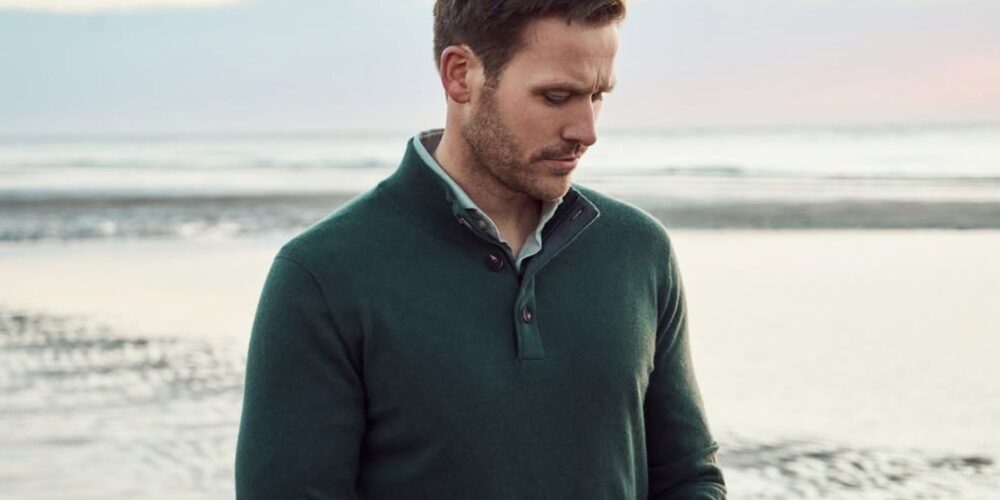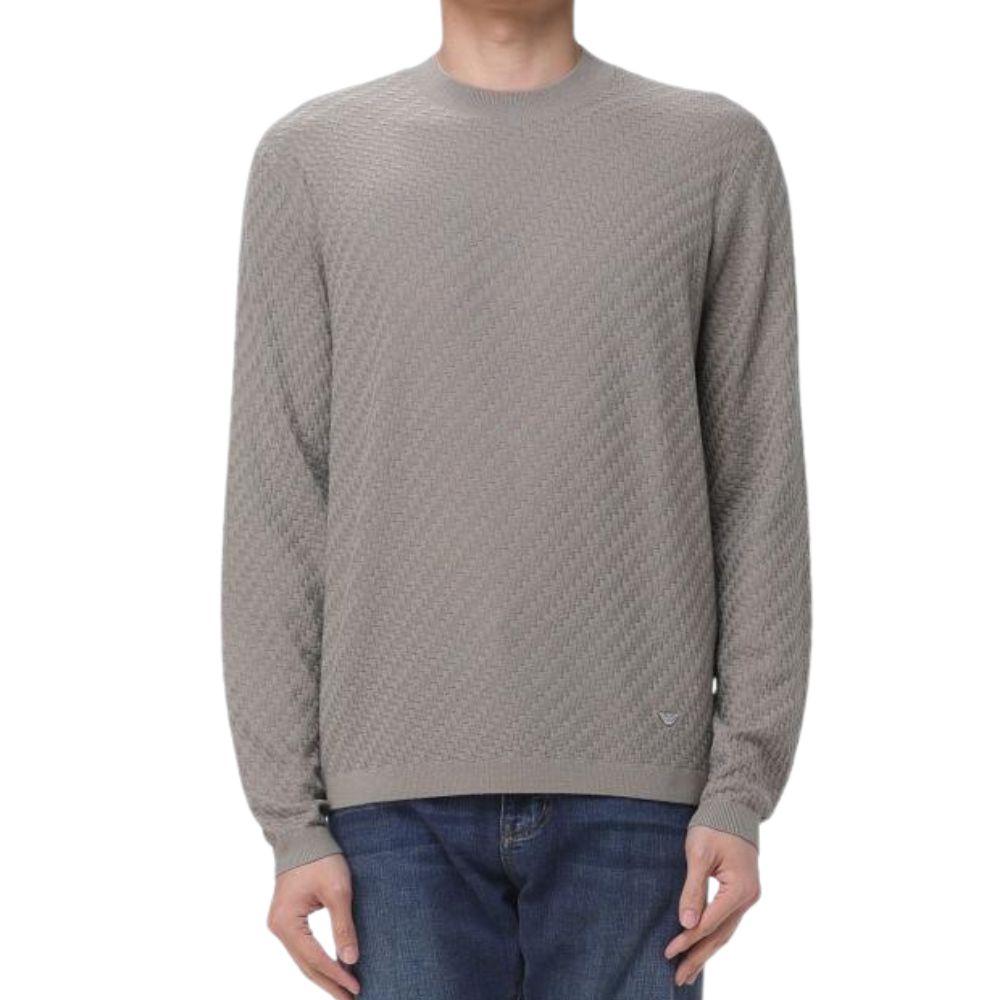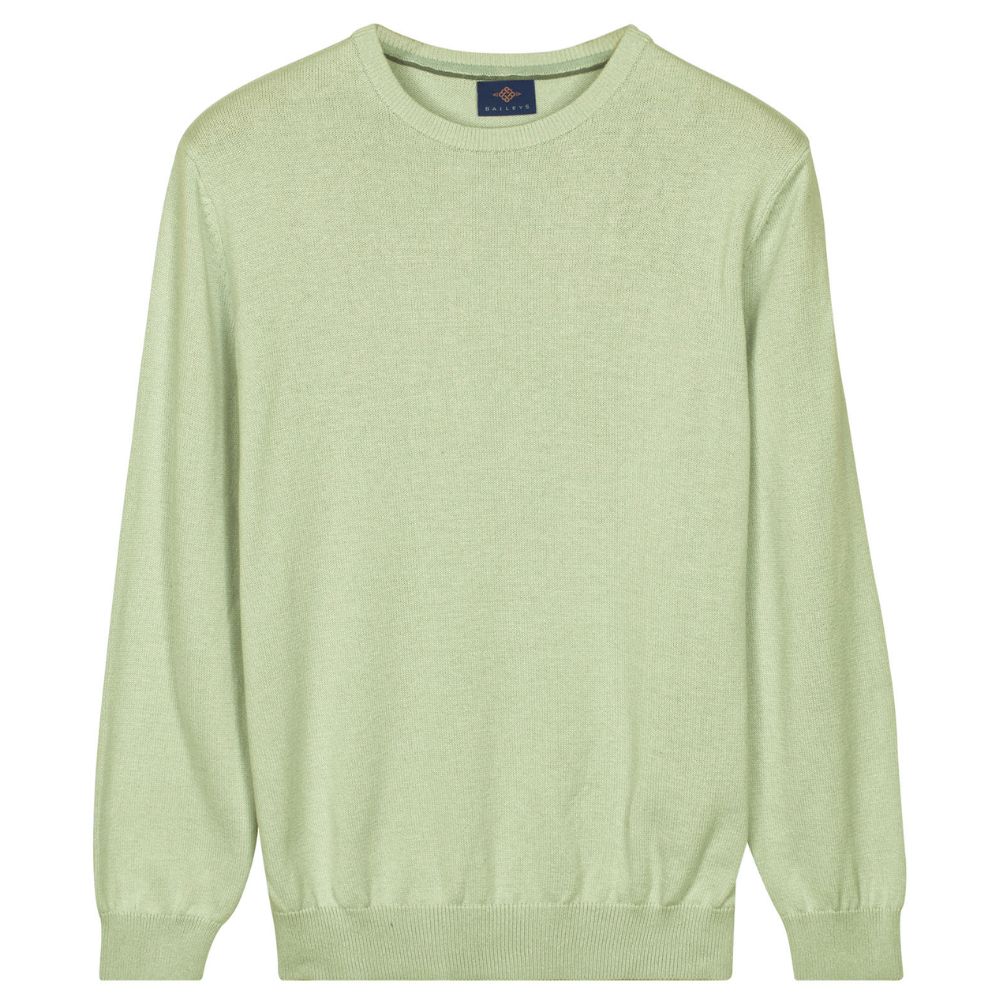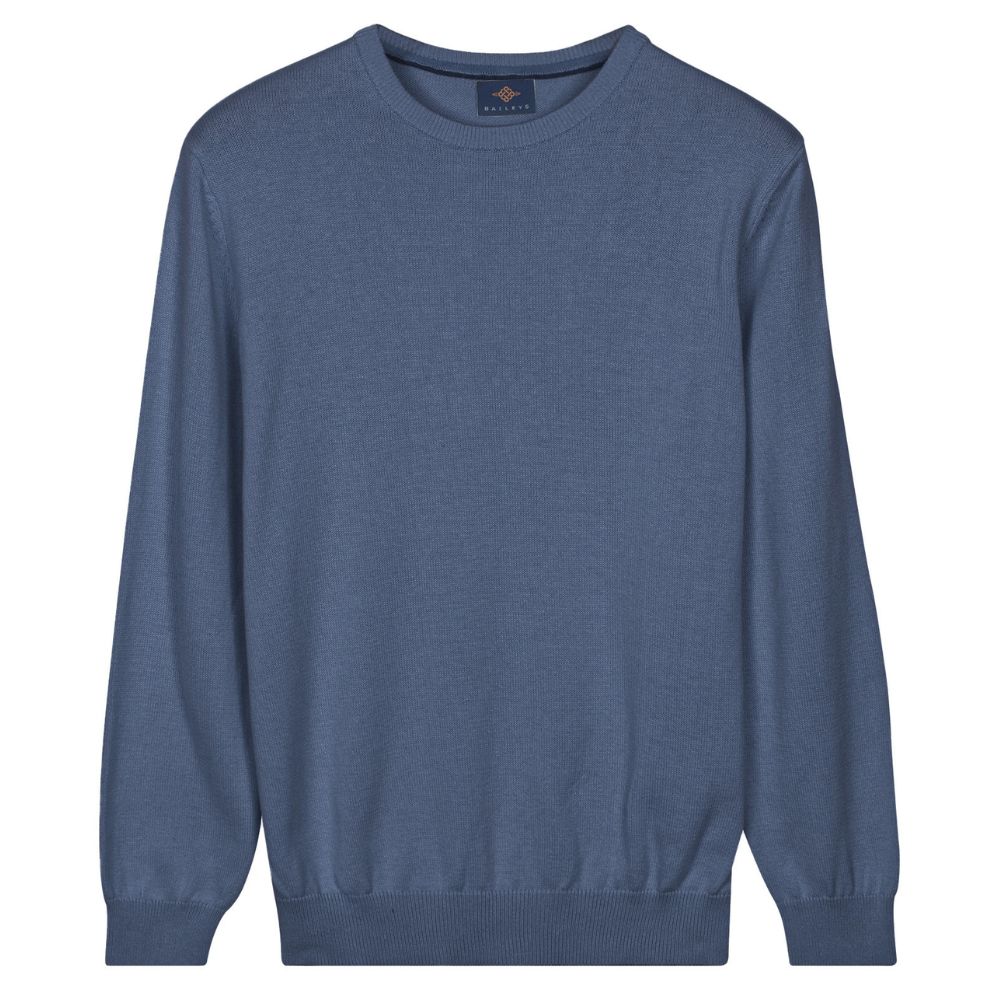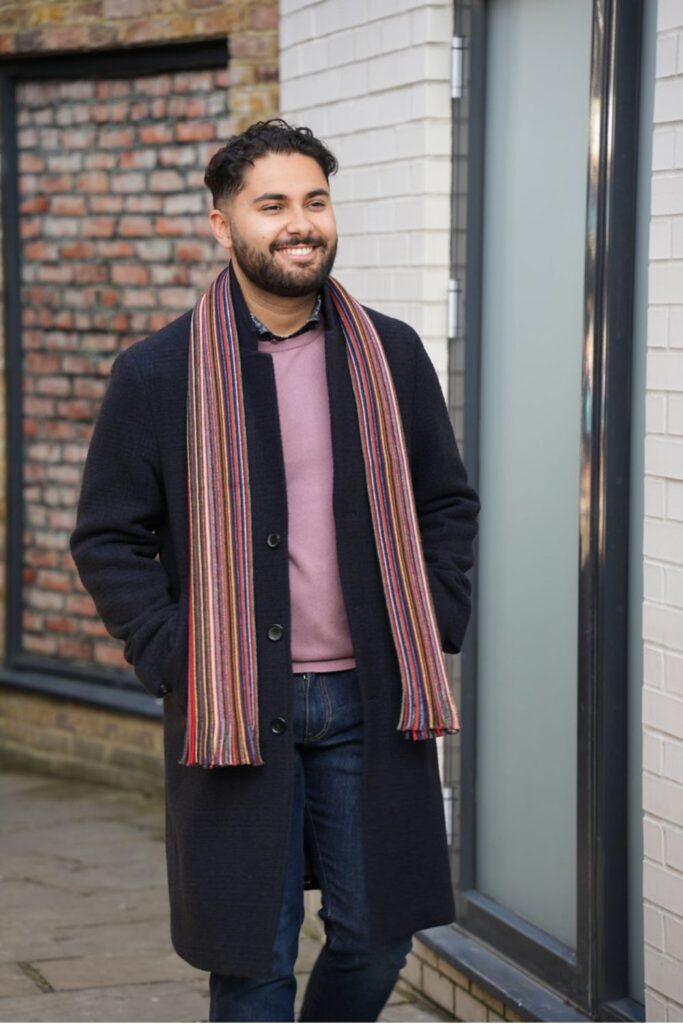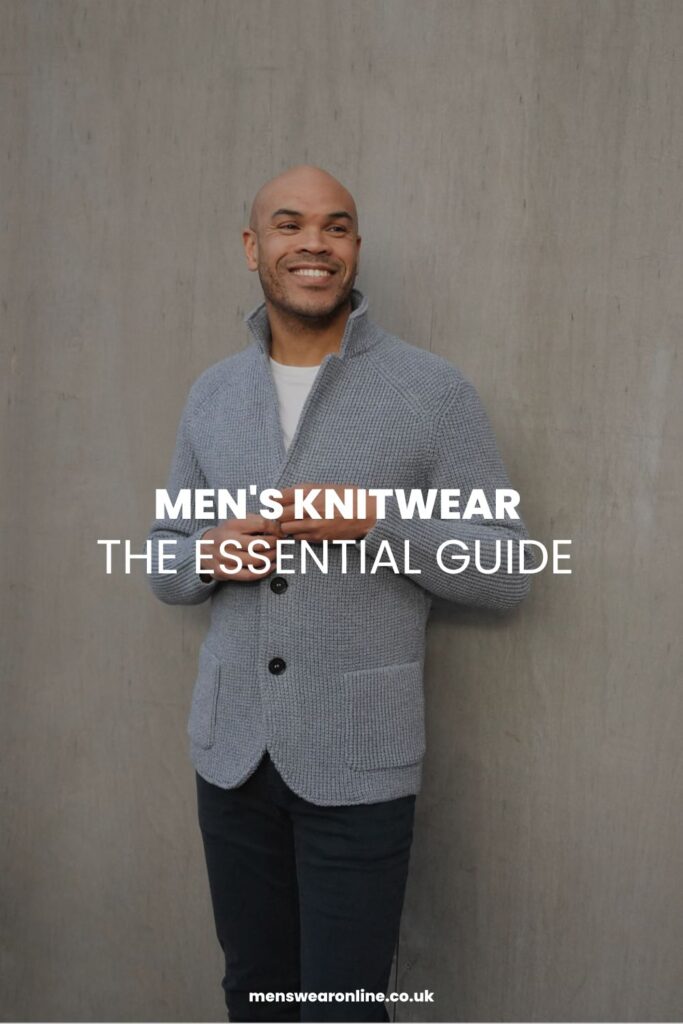
Men’s Knitwear: The Essential Guide
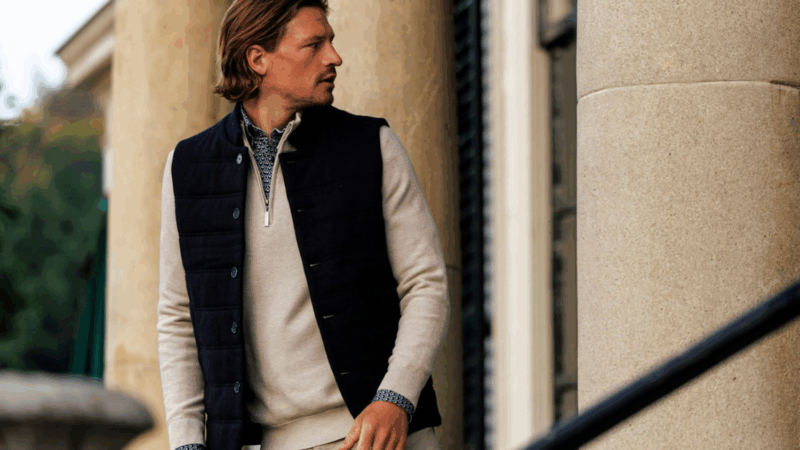
There is a moment, sometime in early October, when the mornings turn and the wardrobe has to respond. This is knitwear’s moment – and the man who has thought about his knitwear is considerably better placed than the man who hasn’t.

A well-chosen jumper does more than keep out the cold. It adds texture and depth to an outfit, bridges the gap between casual and smart, and – in the right fabric – represents the kind of quiet luxury that announces itself to the right people without advertising itself to everyone else. A merino crew neck worn under a blazer is one of the most versatile and underrated combinations in men’s dressing. A cashmere roll neck on a winter weekend carries a particular ease that no shirt or jacket can replicate.

This is the complete guide to men’s knitwear: every style worth owning, every fabric worth understanding, how to wear each one, and how to keep them in excellent condition year after year.

Men's Knitwear: The Essential Guide
Types of Knitwear: What to Own and Why

Knitwear is not a single category. It is a family of styles with distinct personalities, distinct occasions, and distinct rules. Understanding the difference between them is the first step to building a knitwear wardrobe that actually works.


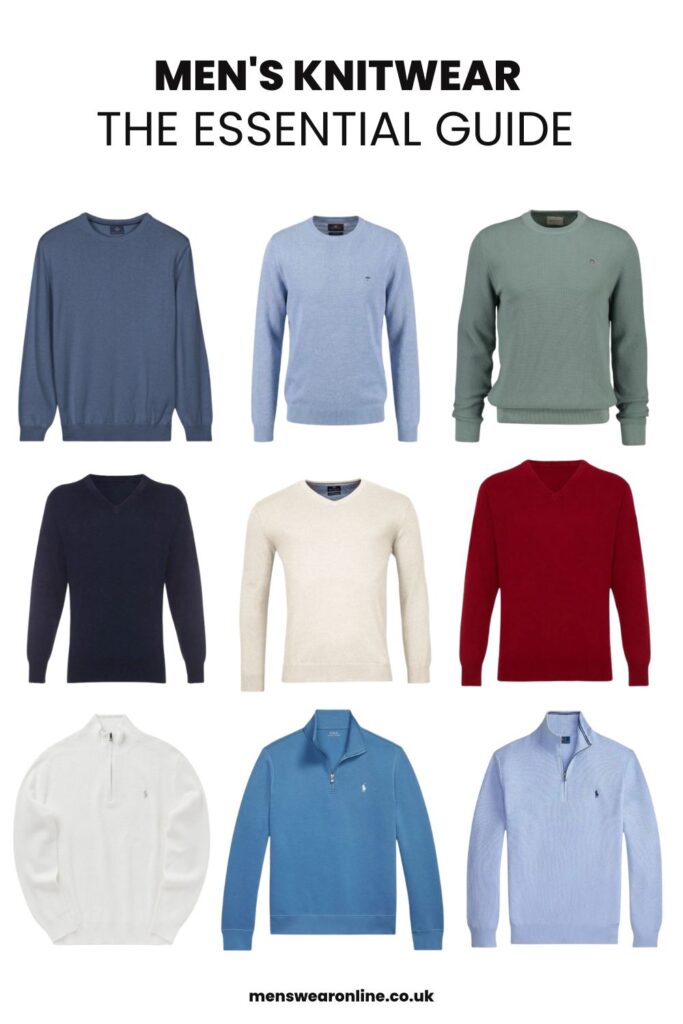
The Crew Neck Jumper


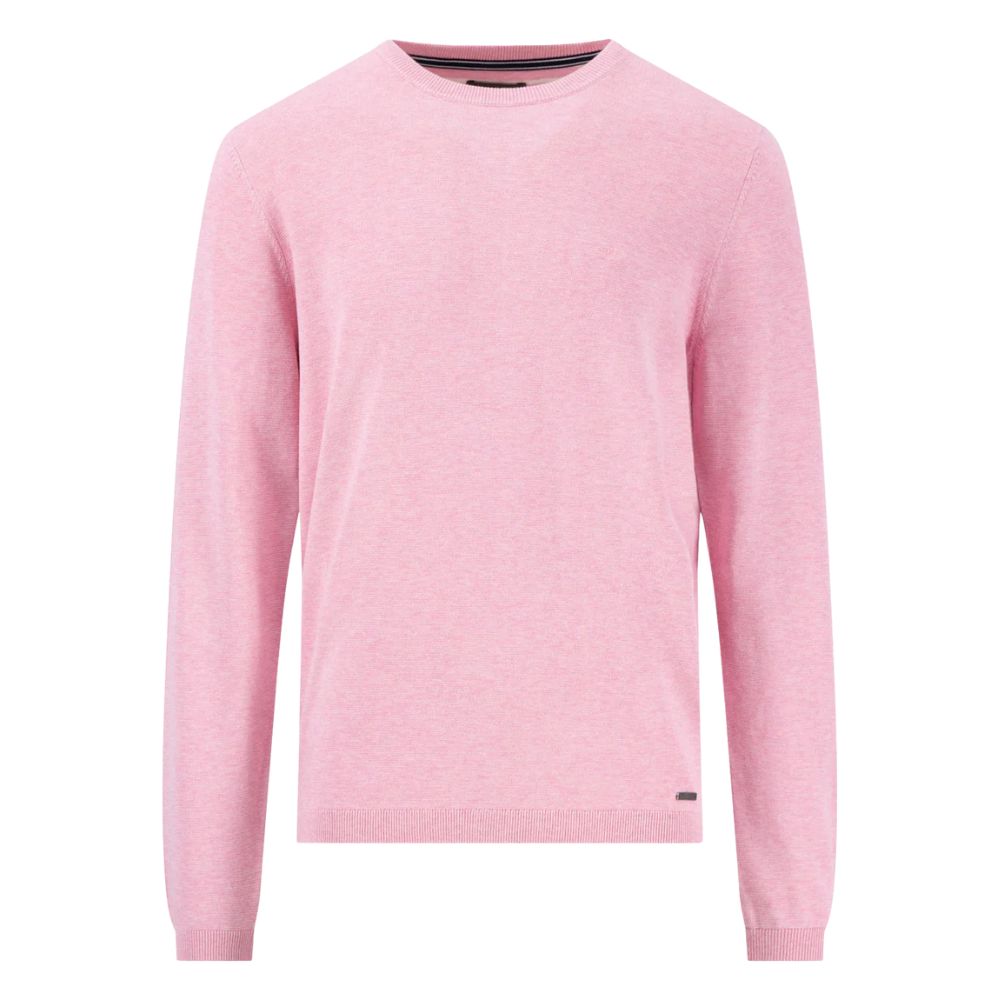
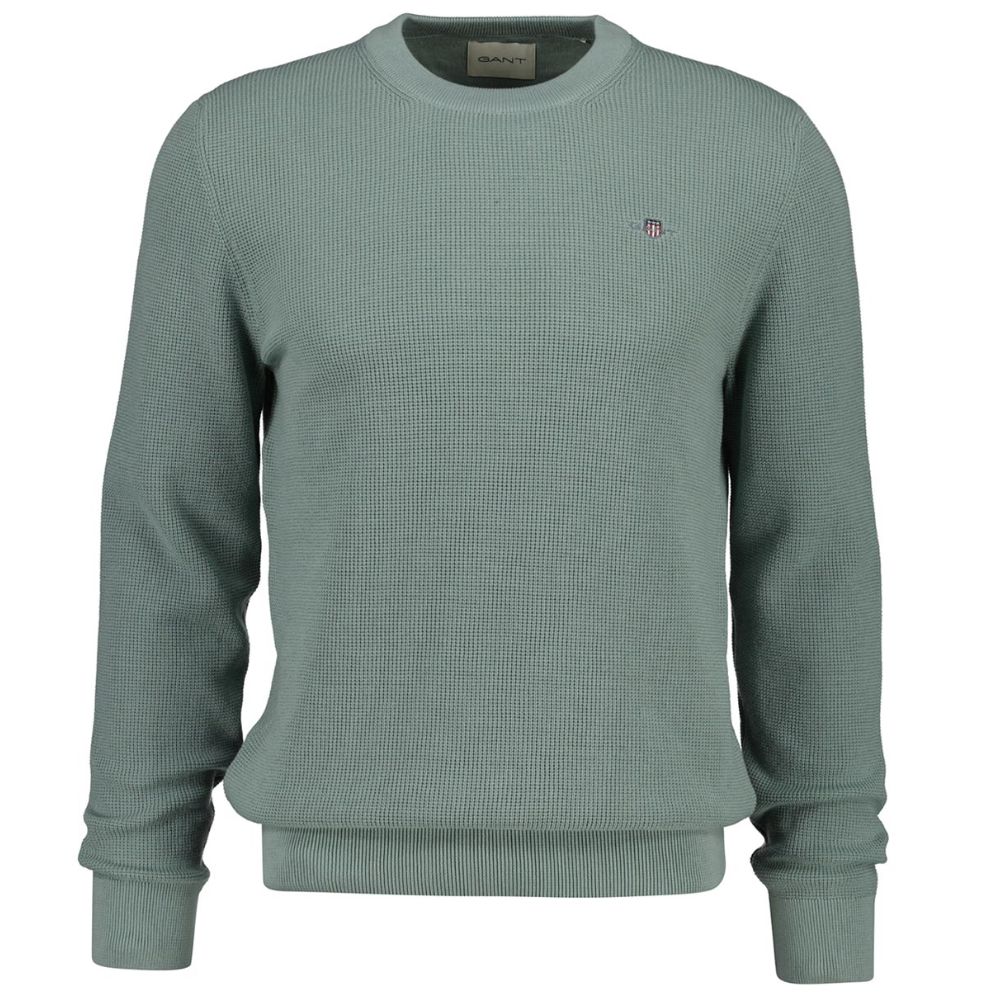
The crew neck is the foundation. A rounded neckline, no collar, clean and undemanding – it works under a jacket, over a shirt, or on its own. It is the most versatile knitwear silhouette in the wardrobe and the one to buy first if you are building from scratch.


In merino wool, a mid-weight crew neck in navy, charcoal, or mid-grey will carry you through autumn and into winter without drama. It layers beautifully, it travels well, and it looks as composed at the end of the day as it did at the start.

The V-Neck Jumper

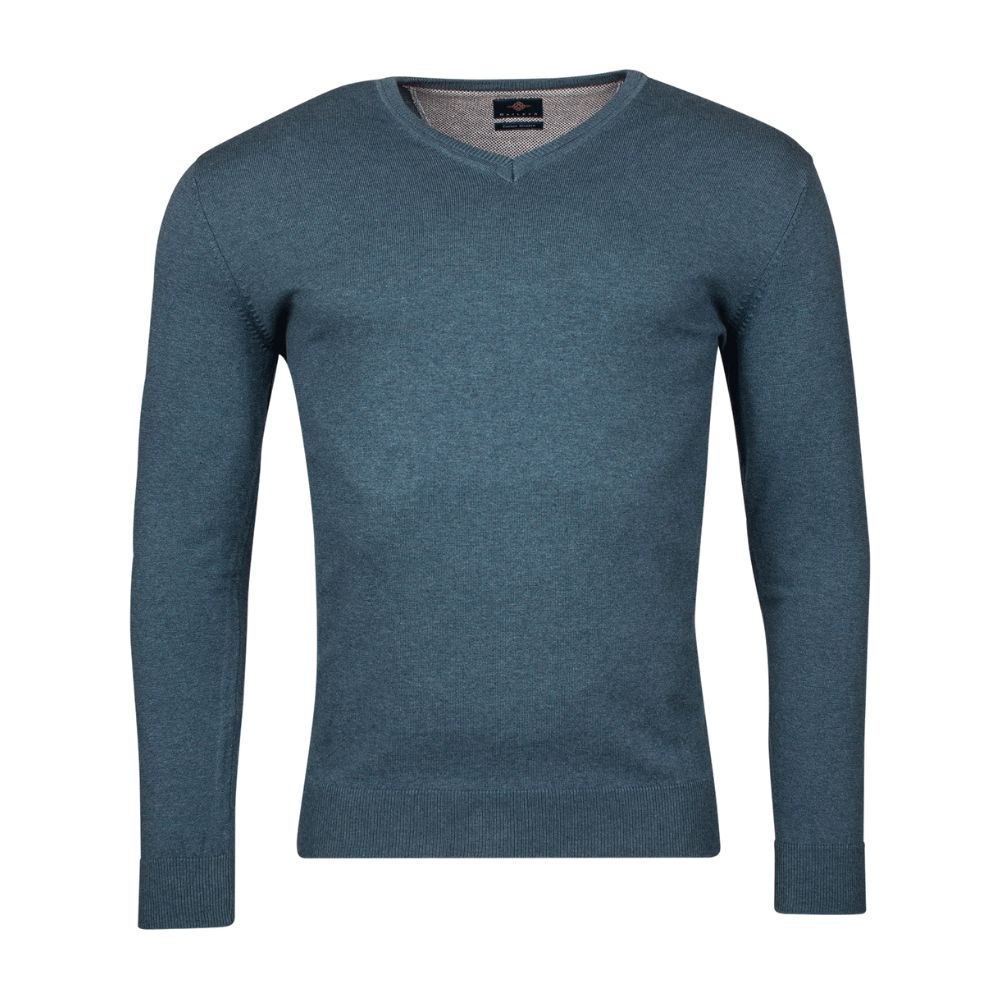
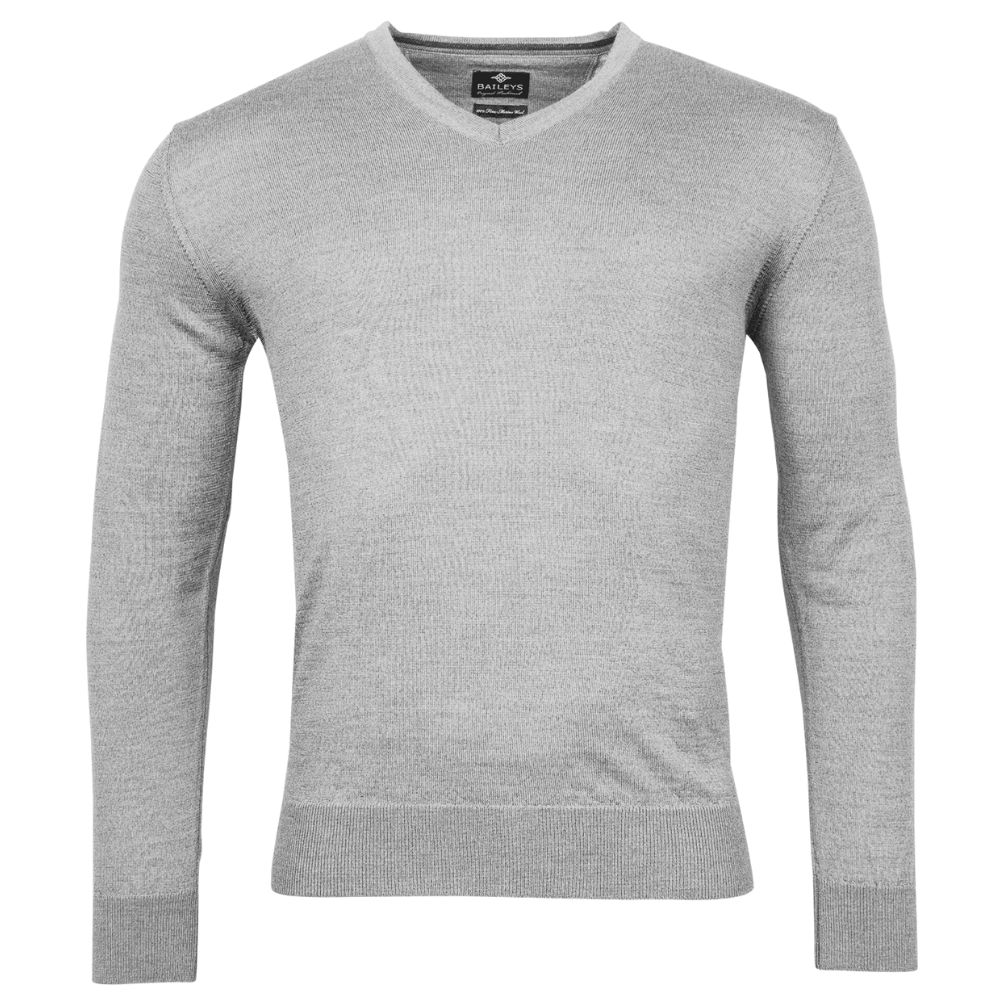
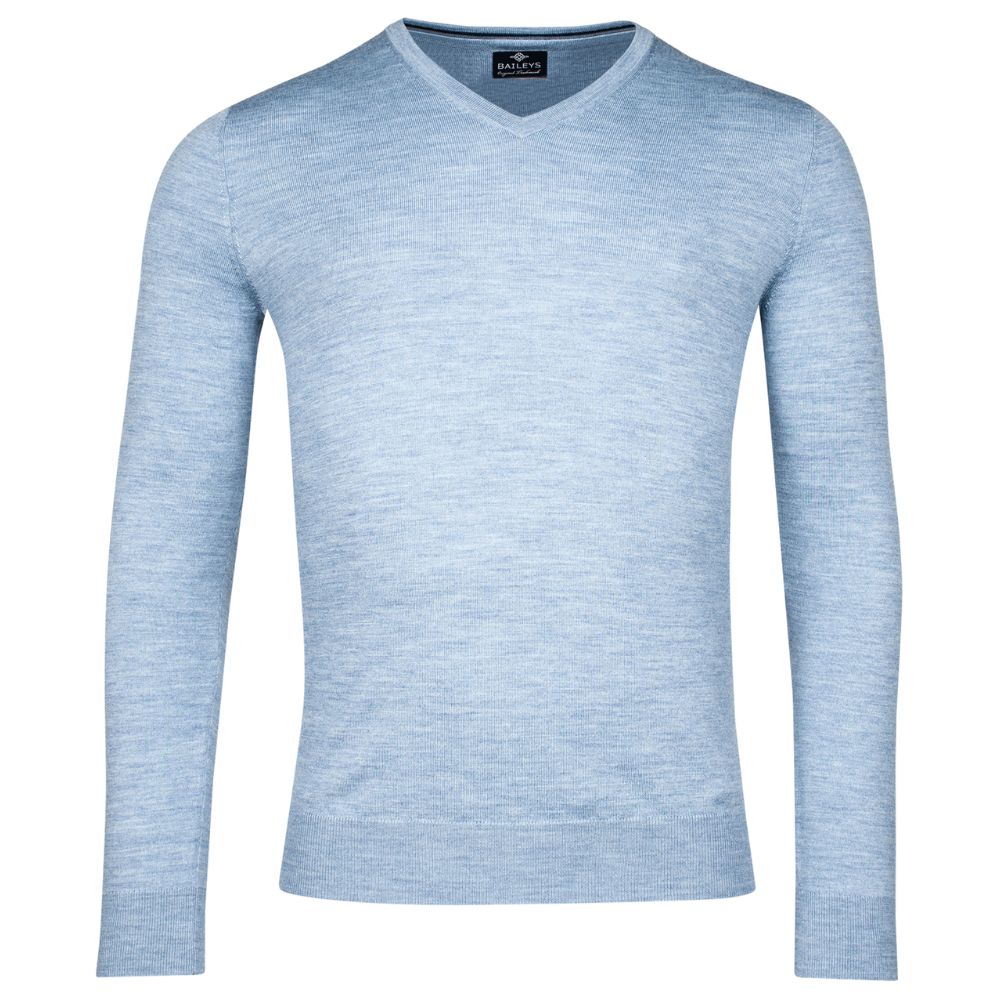
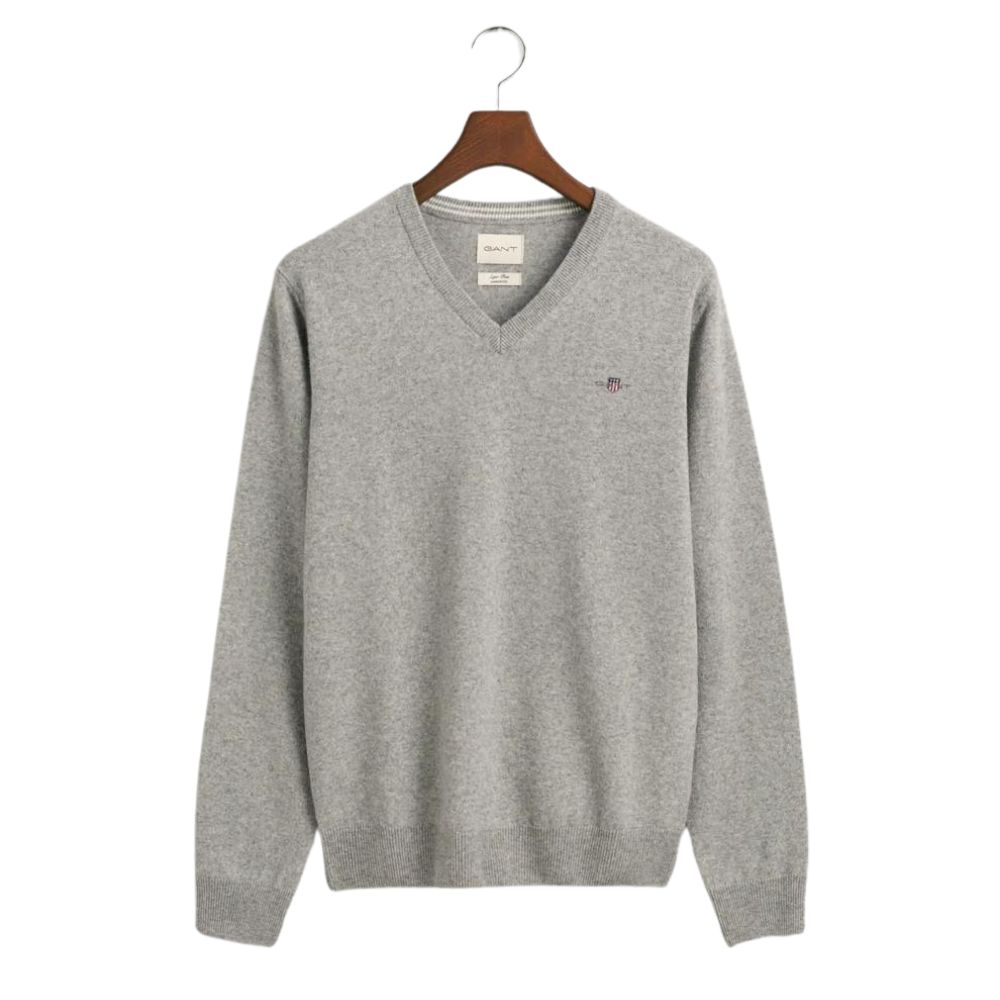
The V-neck exists for layering. Its open neckline is specifically designed to reveal the shirt and tie beneath – it emerged as a smarter, slightly more formal alternative to the crew neck for the dressed man who wanted warmth without the bulk of a jacket.

Worn over a shirt and tie with tailored trousers, a fine-gauge merino V-neck is one of the most polished combinations available in smart-casual dressing. Worn over a T-shirt alone, the V-neck risks looking underdressed. The rule is simple: show something worth showing in the neck opening.

Cardigans

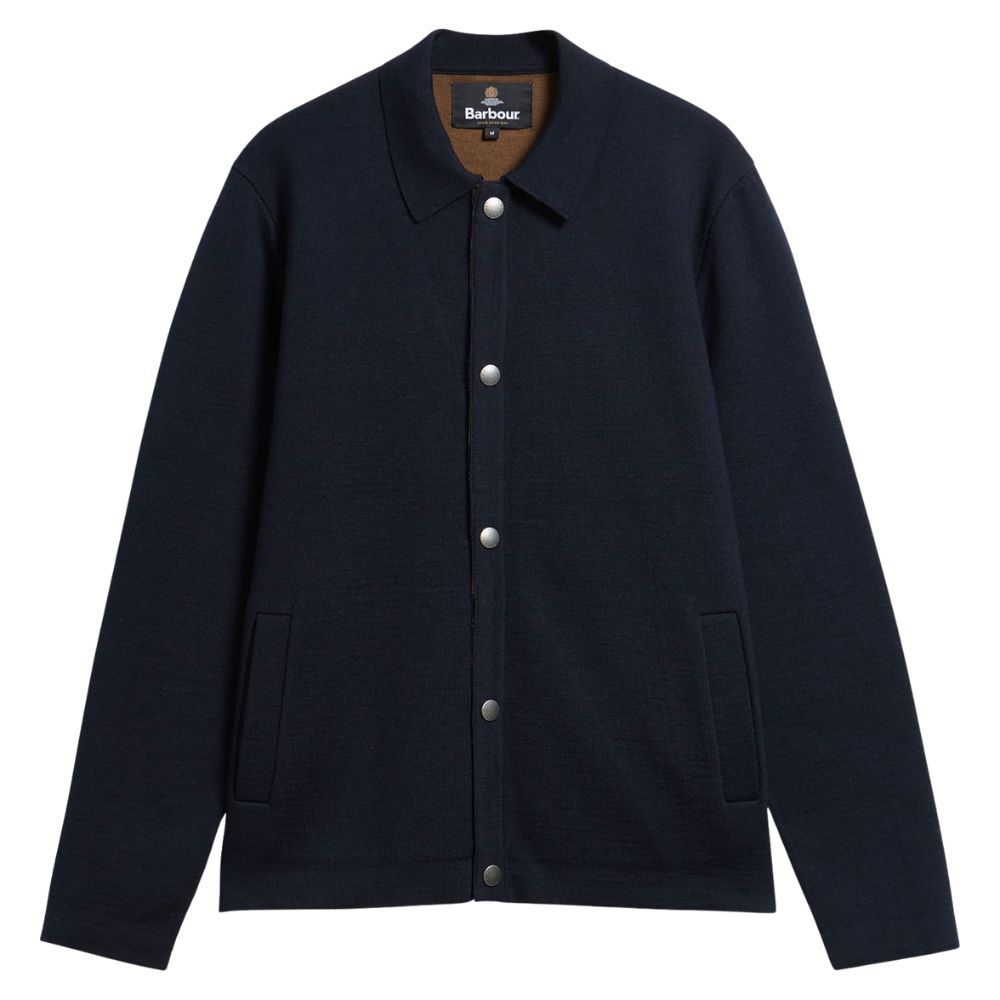
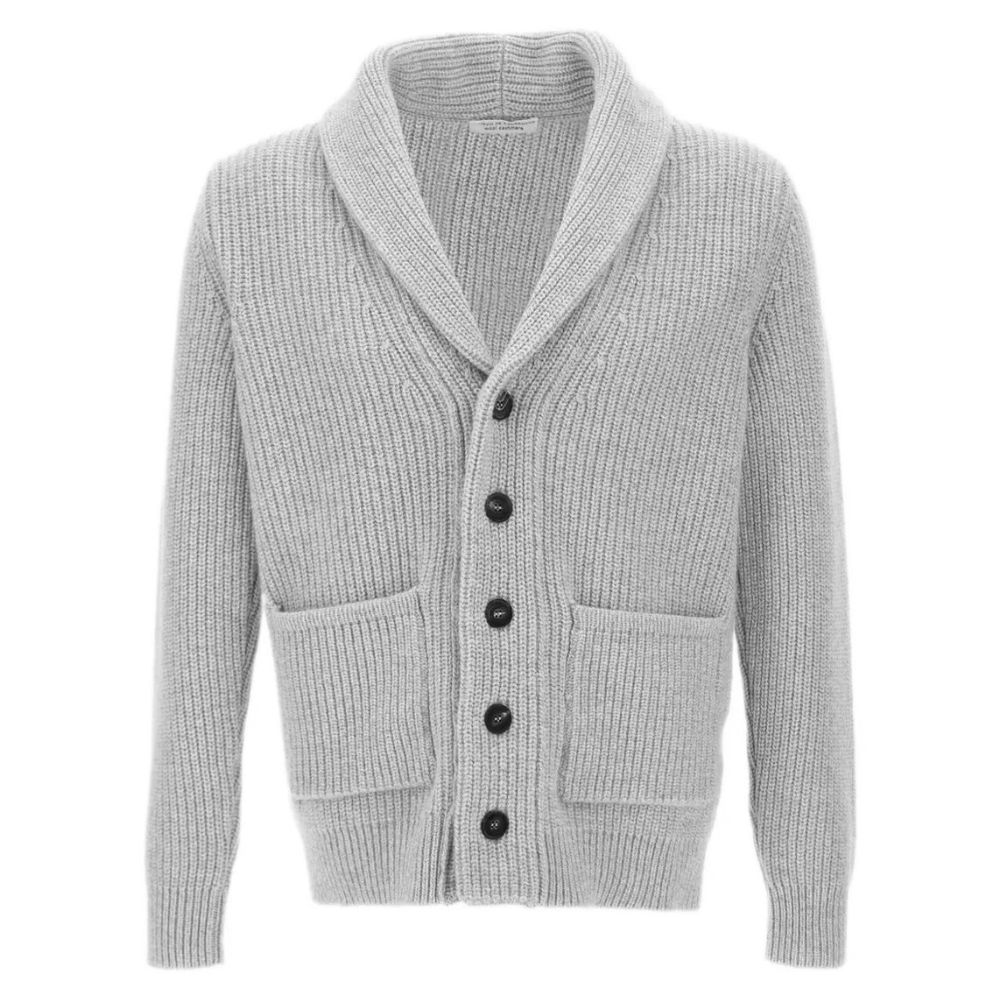
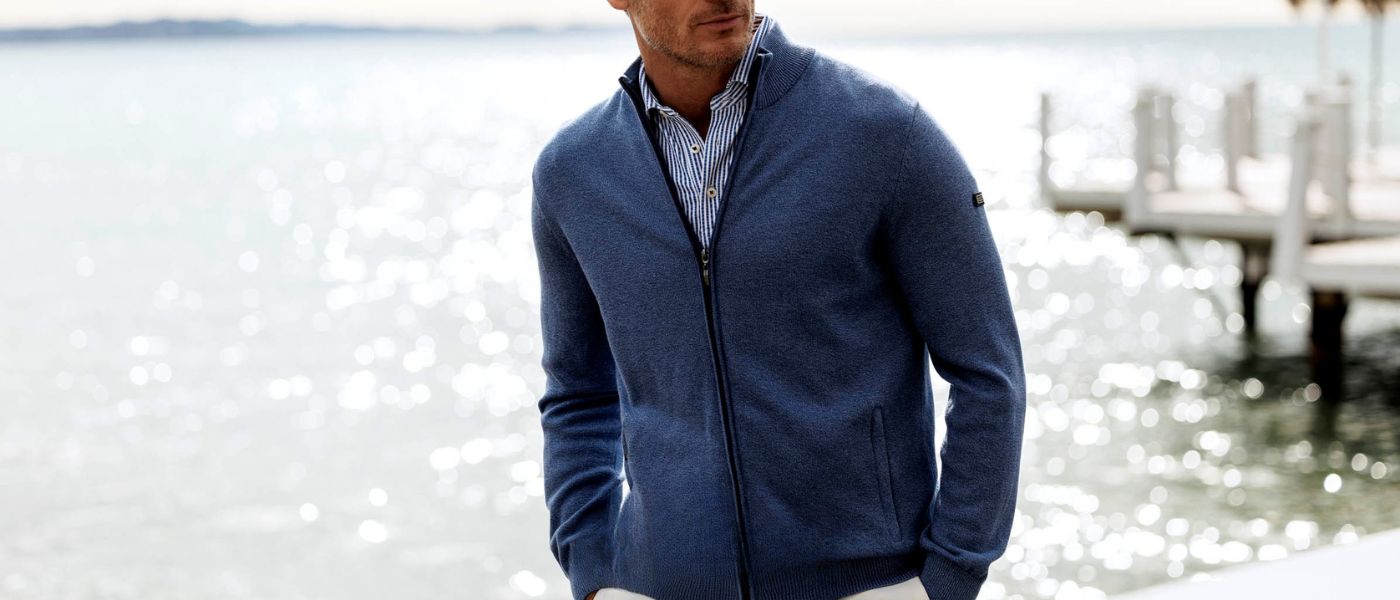
The cardigan has shed its unfair reputation entirely. In the right cut and fabric, it is one of the most sophisticated pieces in the autumn/winter wardrobe – a layering tool with considerably more personality than a jumper and more ease than a jacket.

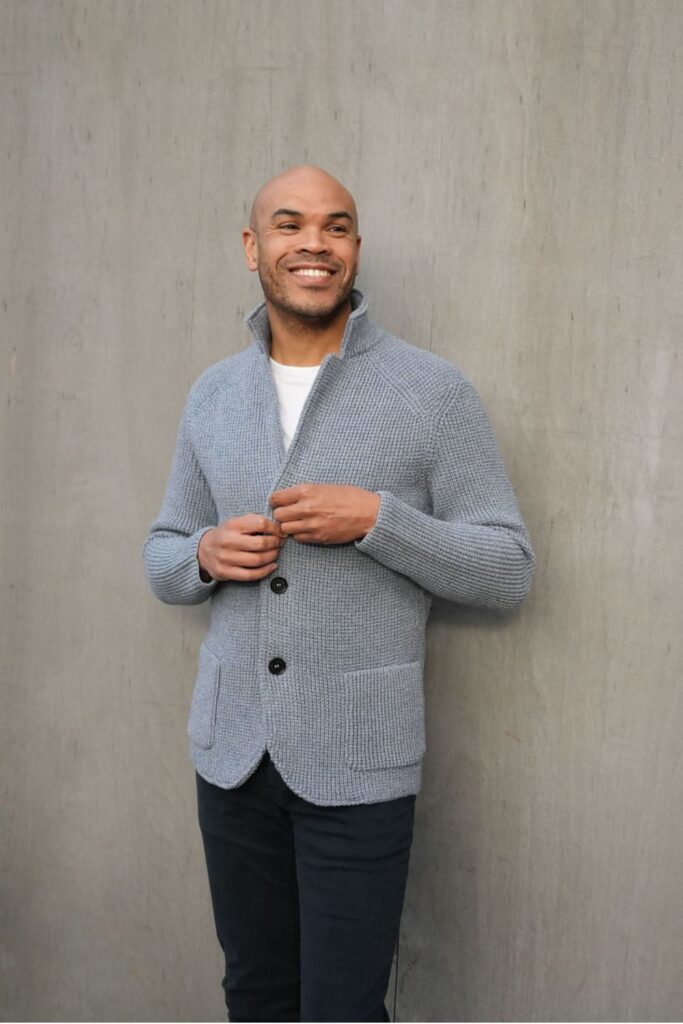
A fine-merino or cashmere cardigan in a neutral – slate, camel, oatmeal – works open over a shirt as an alternative to a blazer, or buttoned as a standalone piece. A heavier Shetland or lambswool cardigan leans more relaxed: excellent for the weekend, for travel, for the kind of Saturday that demands comfort without surrender.

For more on how to wear it: The Cardigan Revival: Style Lessons for the Modern Man.

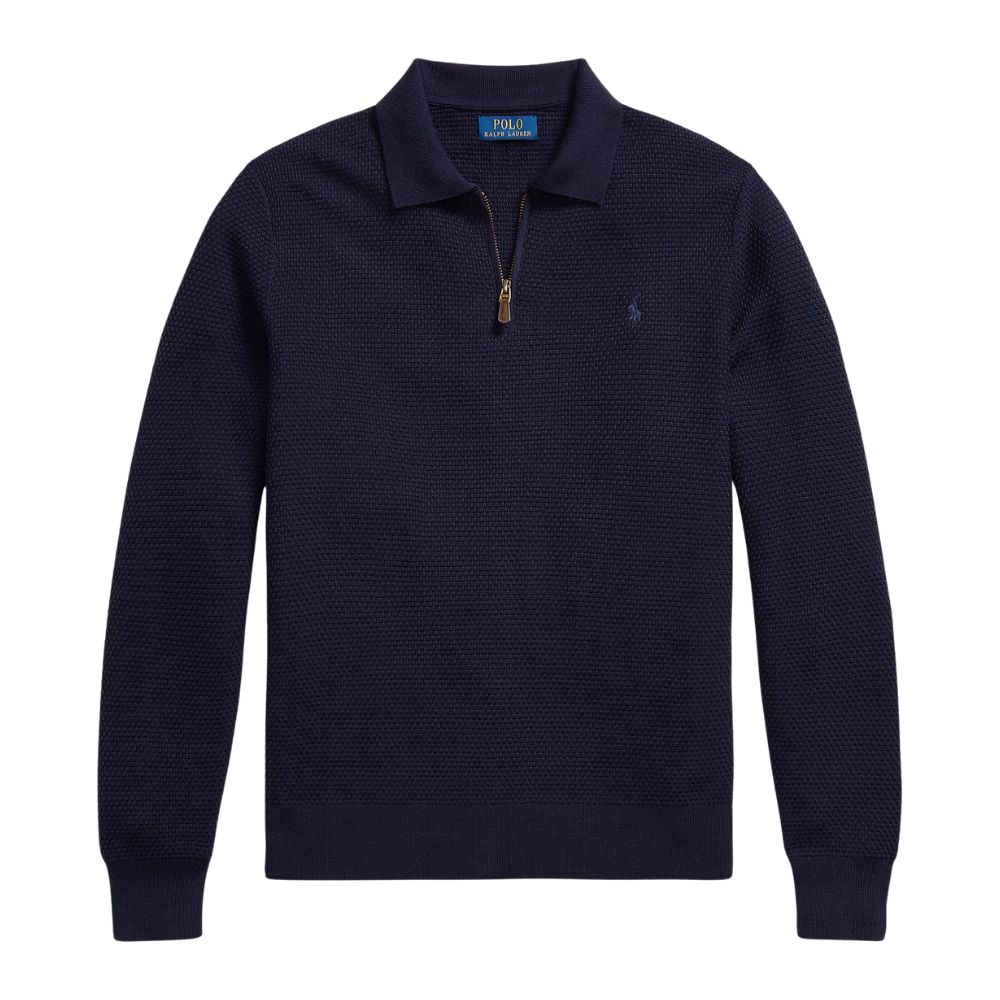
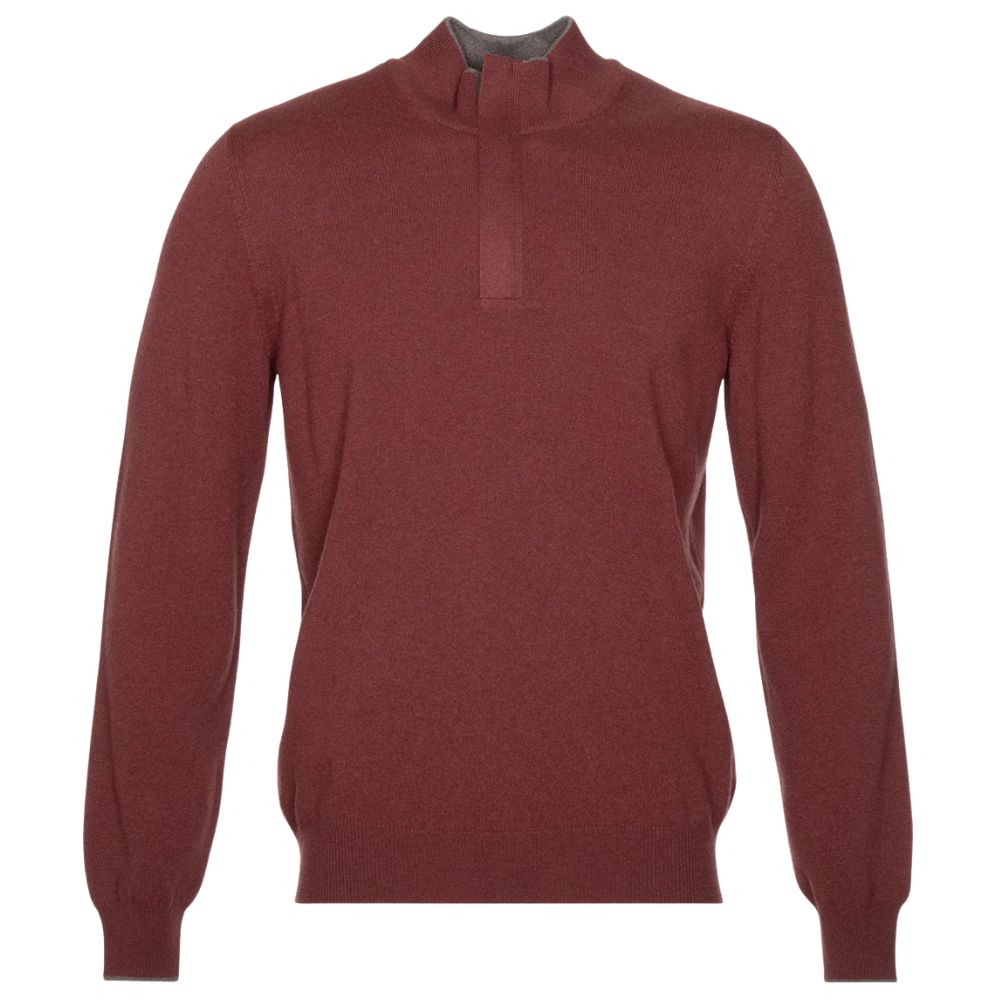
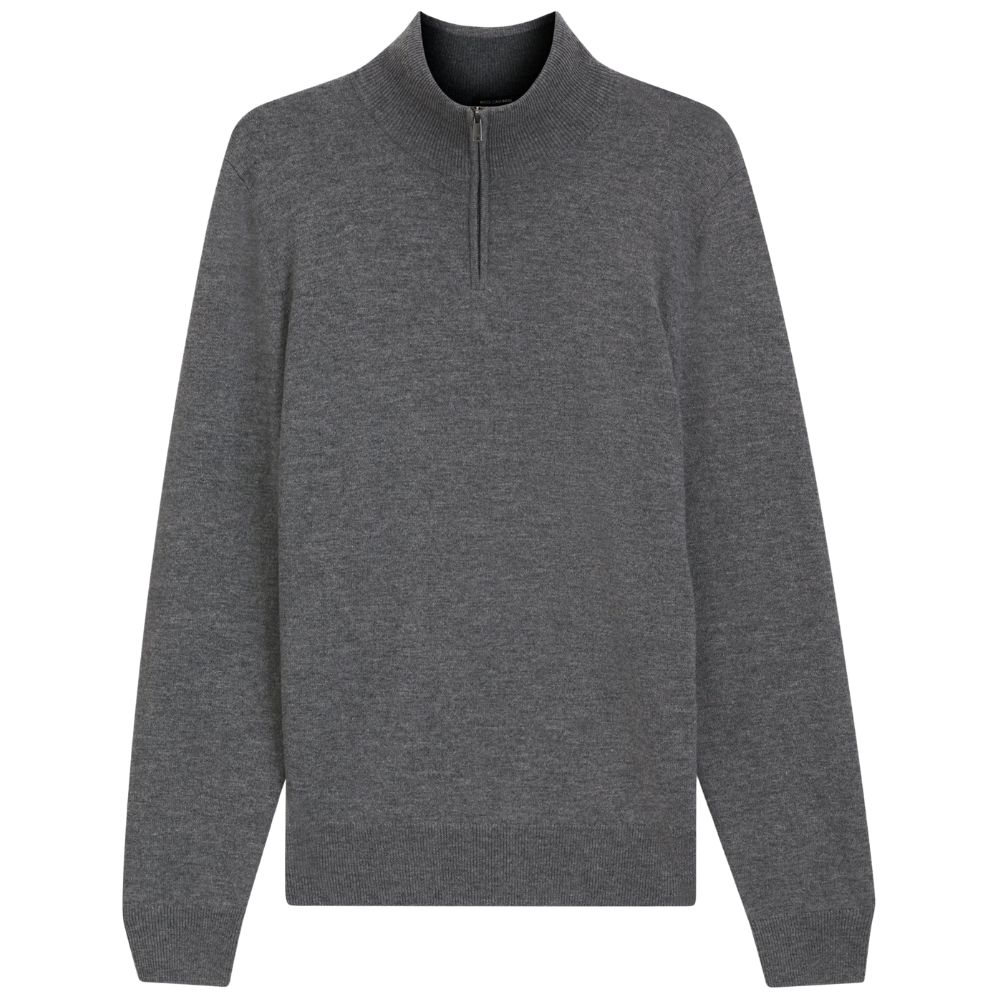
The Quarter-Zip

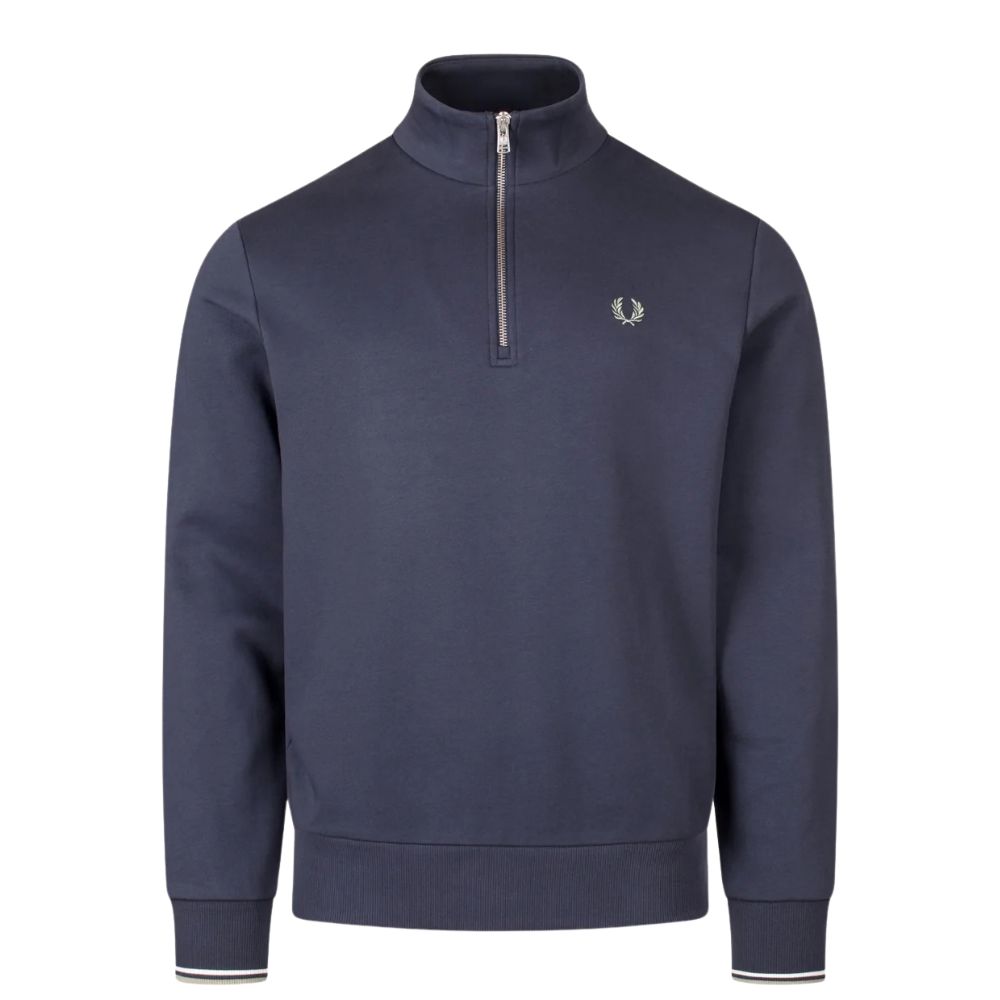
Practical, versatile, and more considered than it is often given credit for. The quarter-zip occupies the space between a jumper and a jacket – it can be worn as either, depending on what sits beneath it and what occasion surrounds it.

In merino or a merino blend, a quarter-zip in a mid or dark tone works well with chinos and tailored trousers in smart casual settings. In a heavier knit or fleece construction, it becomes weekend wear. The quarter-zip is the knitwear equivalent of the Derby shoe: not the most glamorous piece, but one of the most hardworking.

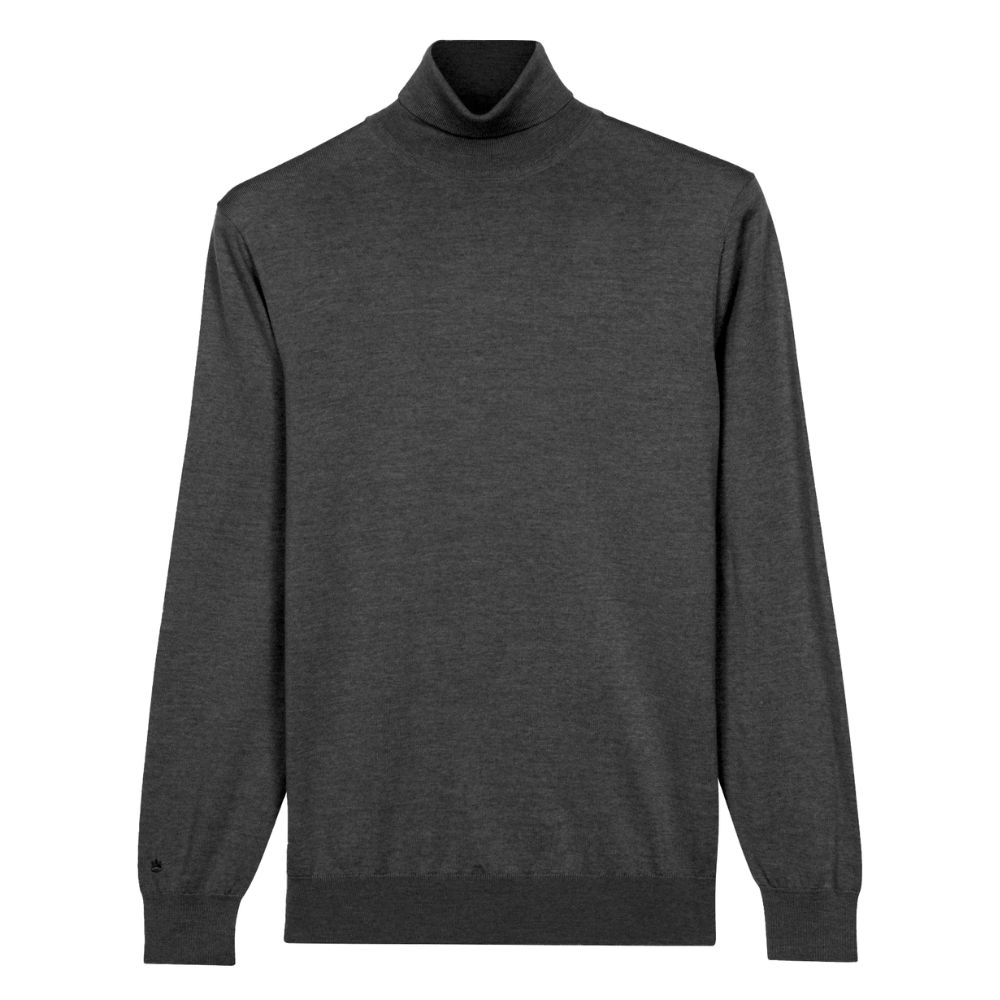
The Roll Neck

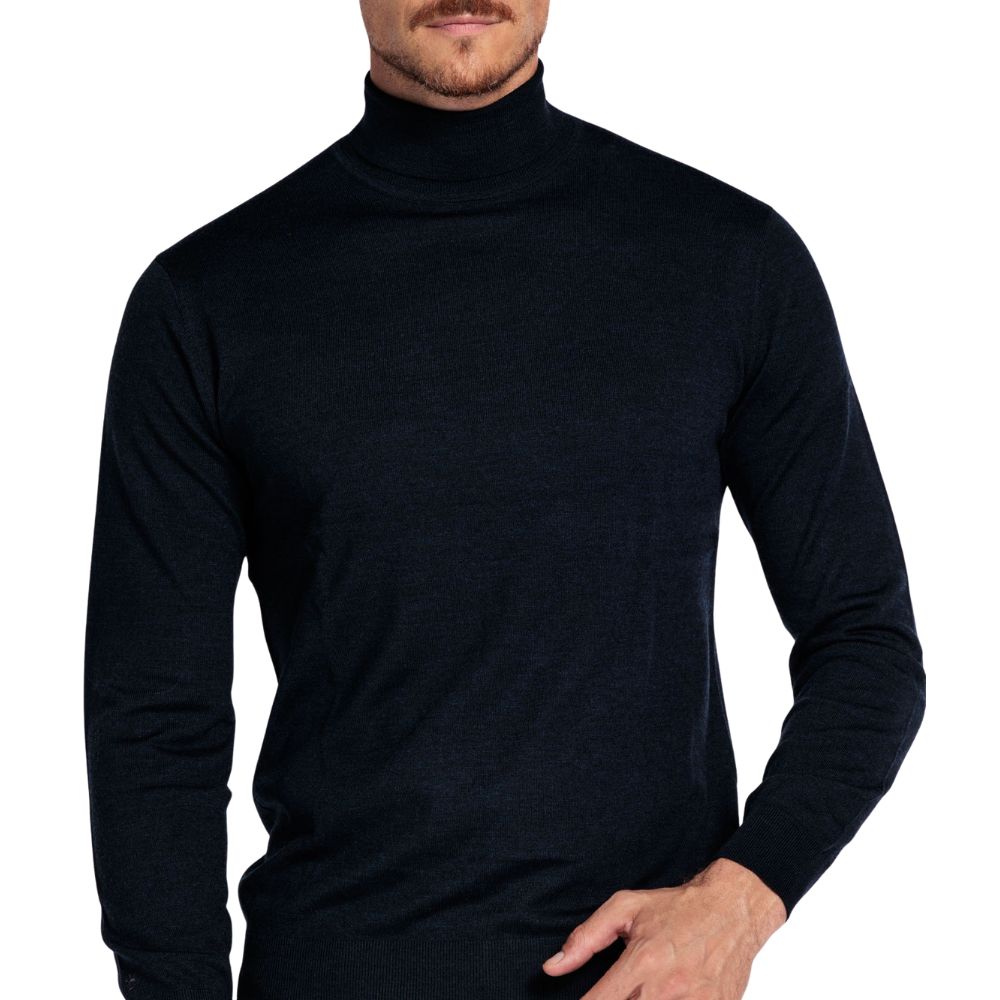
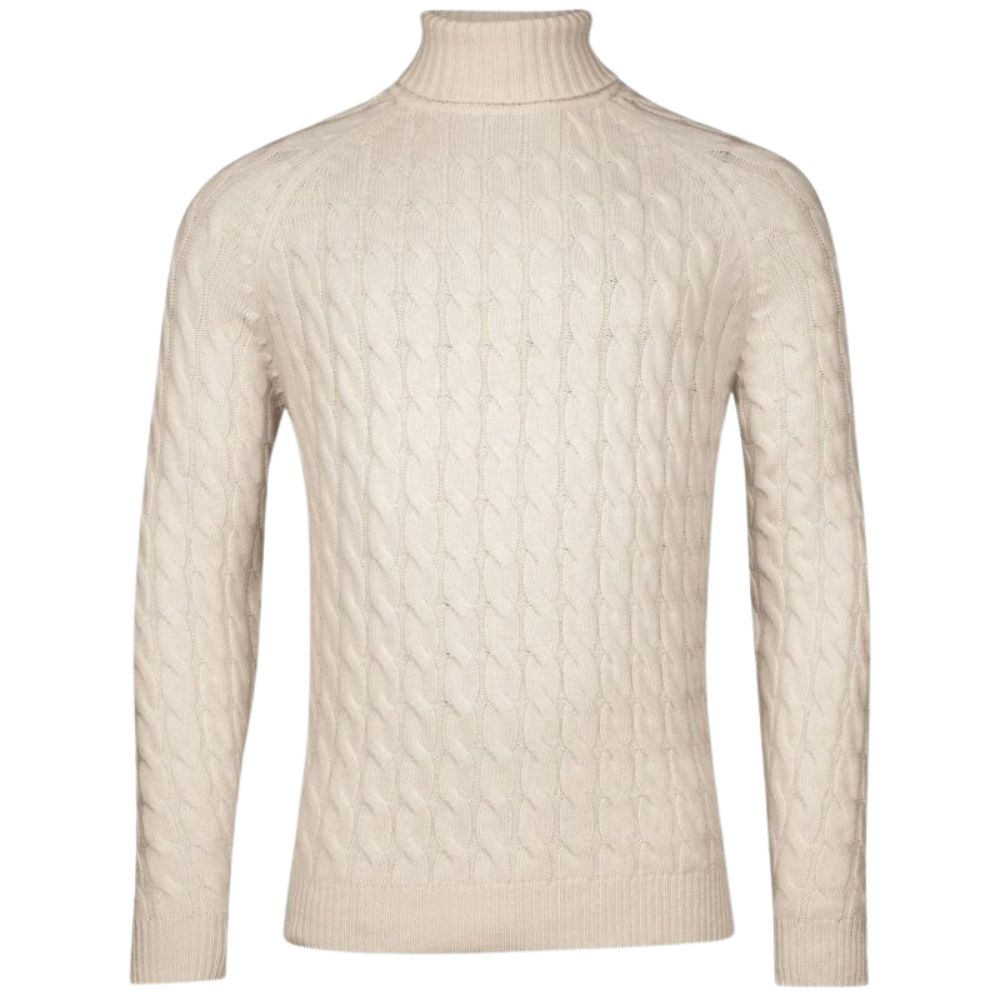
The roll neck makes a statement in a way that no other knitwear style does. It fills the visual space that a shirt collar and tie normally occupy, which means it functions as a standalone piece – not a base layer, but the centrepiece of the outfit.


Worn under a blazer or a tailored coat, a fine-gauge roll neck in navy, black, or charcoal is one of the most elegant winter combinations available. It requires a certain confidence in wearing, but rewards that confidence considerably.


The fabric matters more with a roll neck than with any other knitwear style – in cashmere or fine merino it is luxurious; in acrylic or poor-quality wool it is uncomfortable against the skin and immediately obvious to anyone who looks.

The Fabric Guide: What You Are Actually Buying

The fibre is where knitwear either earns its price or doesn’t. Two jumpers can look identical on a hanger and feel entirely different on the body – and one will last a decade while the other pills after three washes. Knowing what you are buying matters.

Merino Wool

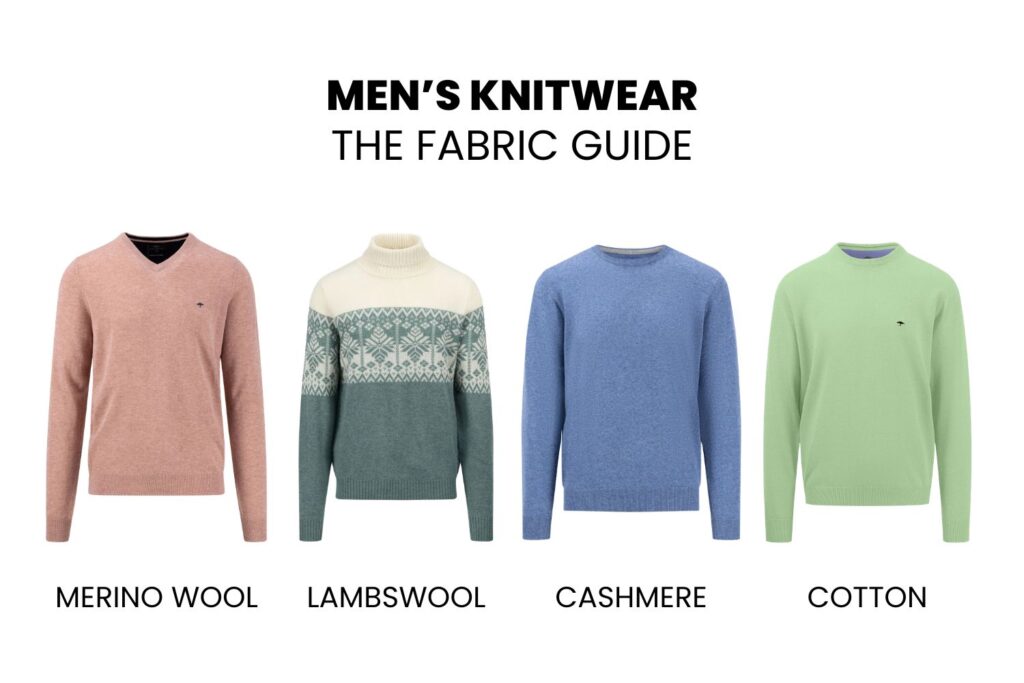
The starting point for serious knitwear. Merino is a fine-grade wool from merino sheep with a fibre diameter typically between 15 and 24 microns – fine enough to be worn directly against the skin without itching, warm enough to see out a British autumn and winter, and resilient enough to hold its shape through regular wear and careful washing.

A mid-weight merino jumper is the single most versatile piece in this category. It travels exceptionally well – pack it in a bag and shake it out at the other end. It layers efficiently. And it looks better than almost any other fabric at the same price point.

Lambswool

Wool from a lamb’s first shearing, typically softer than standard wool and with a characteristic springy texture. Lambswool has a slightly more rustic character than merino – it suits chunky knits, cable patterns, and the kind of jumper that belongs in the country as much as the city.

It is warm, durable, and improves with careful washing. A lambswool crew neck or a Shetland-style jumper in lambswool is a piece that will still be in the wardrobe in fifteen years if treated correctly.

Mens Knitwear The Essential Guide 2
Cashmere

The pinnacle of the knitwear pyramid. Cashmere comes from the undercoat of the Kashmir goat – the annual yield per animal is small, which is a significant part of why the fibre commands the price it does.

The qualities that make cashmere exceptional are real and apparent: extraordinary softness, a natural warmth-to-weight ratio that no synthetic can approach, and a drape and handle that is immediately distinguishable from lesser fibres. A cashmere roll neck or a fine-gauge cashmere crew neck is not a luxury in the indulgent sense – it is a considered investment in something that will last, improve with age, and feel better than any alternative.

Buy the best cashmere you can afford. The difference between two-ply and four-ply, between single-origin and blended, between a serious maker and a cut-price one, is significant and noticeable.

Cotton Knitwear

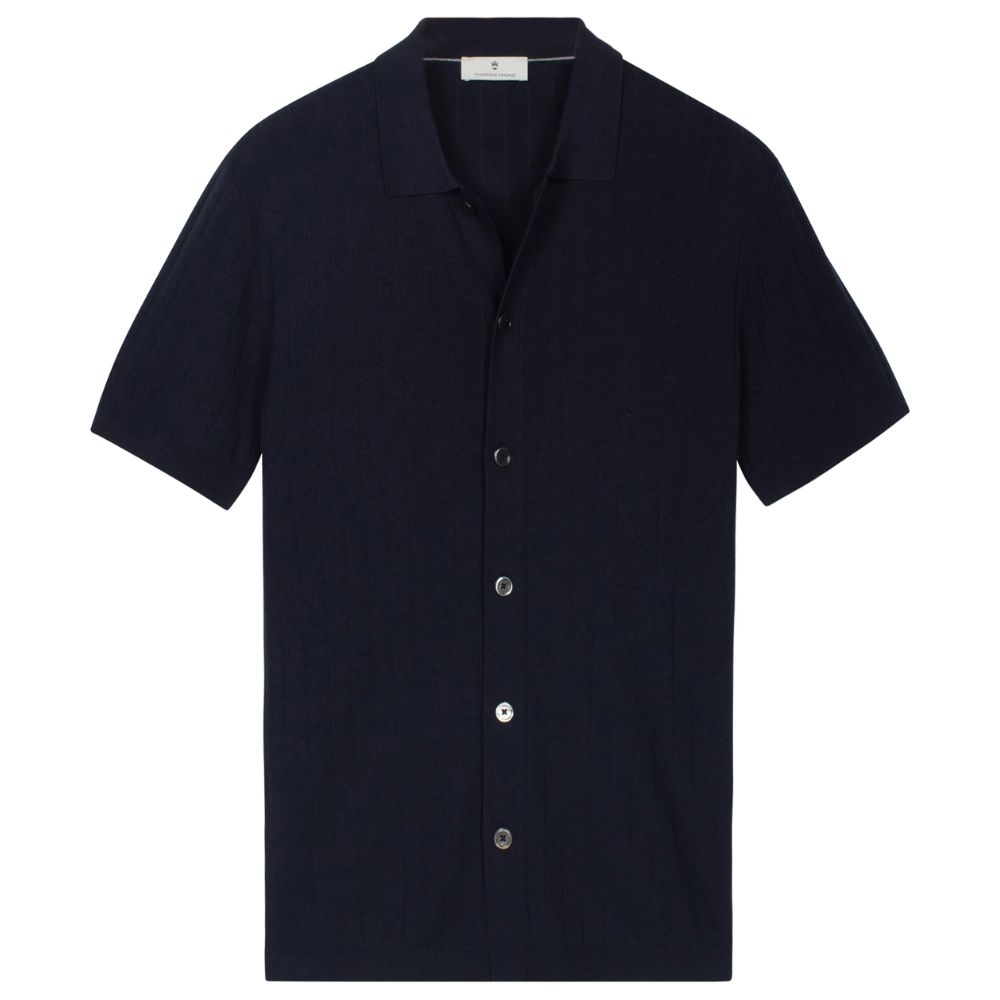
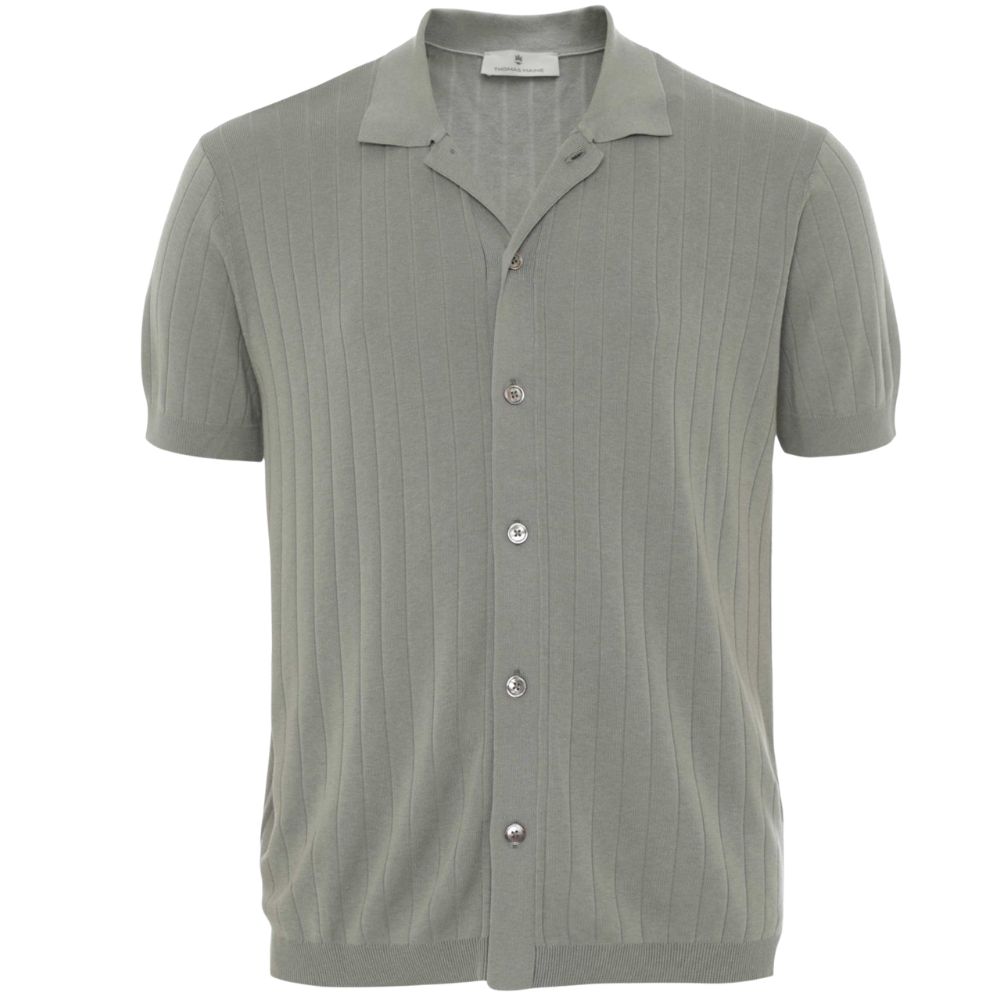
Cotton knitwear occupies the warmer end of the seasonal range – spring and early summer – where wool becomes too warm and a T-shirt is too casual. A fine cotton crew neck or a lightweight cotton cardigan bridges the gap.

It does not have the warmth or the resilience of wool, but it washes more easily, breathes better in mild temperatures, and introduces a different texture to the wardrobe. A knitted cotton polo in a summer-weight gauge is one of the most underrated pieces in warm-weather smart casual dressing. For the full range of ideas: Timeless Knitwear Every Man Should Own

What to Avoid

Acrylic and low-grade synthetic fibres are the enemy of good knitwear. They pill rapidly, trap heat unpleasantly, lack the drape of natural fibres, and look inexpensive in a way that is immediately apparent. If a label does not tell you what the fibre is, or lists acrylic as the primary component, put it back.

The fabric guide - what you are actually buying

Fibre What it is Why it earns its place Best for Watch out for
Natural fibres - worth knowing
Merino wool 15-24 microns Fine-grade wool from merino sheep. Fine enough to wear against the skin without itching. Warm, shape-retaining, and travels exceptionally well. Looks better than almost any fabric at the same price point. The most versatile piece in the category.
Year-round layering Travel Next to skin
Check micron count - higher means coarser. Above 24 microns will itch for most people.
Lambswool First shearing Wool from a lamb's first shearing. Softer than standard wool with a characteristic springy texture. Warm, durable, and improves with careful washing. A lambswool crew neck treated correctly will still be in the wardrobe in fifteen years.
Chunky knits Cable patterns Country to city
More rustic in character than merino - not always suitable next to skin for sensitive wearers.
Cashmere Kashmir goat undercoat From the undercoat of the Kashmir goat. Small annual yield per animal - which explains the price. Extraordinary softness, warmth-to-weight ratio no synthetic approaches, and drape immediately distinguishable from lesser fibres. Improves with age. A considered long-term investment.
Roll necks Fine-gauge crew necks Investment pieces
Buy the best you can afford. Two-ply vs four-ply, single-origin vs blended - the difference is significant and noticeable.
Cotton knit Warm-weather gauge Knitted cotton for spring and early summer - where wool is too warm and a T-shirt is too casual. Washes easily, breathes well in mild temperatures, and introduces a different texture to the wardrobe. A knitted cotton polo is one of the most underrated pieces in warm-weather smart casual.
Spring and summer Smart casual Easy care
Does not have the warmth or resilience of wool. Not a substitute - a seasonal complement.
What to avoid
Acrylic Synthetic Low-grade synthetic fibre - often listed as primary component on budget knitwear. Pills rapidly. Traps heat unpleasantly. Lacks drape. Looks inexpensive in a way that is immediately apparent. Avoid entirely If a label does not tell you what the fibre is, or lists acrylic first - put it back.

Fit Guide: What Good Knitwear Looks Like on the Body

The fit of a jumper is as important as the fabric it is made from. A cashmere jumper that fits poorly looks no better than a poor one that fits well.

Shoulder Seam

The shoulder seam should sit at the edge of your shoulder – not drooping onto the upper arm, not pulling tight toward the neck. This is the single most important fit indicator in knitwear. If the shoulder seam is wrong, nothing else can compensate.

Body Length

The hem should sit just below the waistband of your trousers. Too short and it will ride up when you raise your arms; too long and it begins to look shapeless. If you are wearing it untucked over casual trousers, the same rule applies.

Sleeve Length

Sleeves should reach the wrist bone. When layering under a jacket, you want approximately 1cm of cuff visible – if there is no shirt underneath, the sleeve should sit cleanly at the wrist.

Overall Silhouette

Knitwear should follow the line of the body without clinging. A jumper that stretches across the chest or pulls under the arms is too small; one that hangs away from the body in a shapeless mass is too large. The fabric should fall naturally and move with you rather than working against you.

When in doubt between two sizes, the smaller is almost always the better choice in natural-fibre knitwear – wool and cashmere have a tendency to relax slightly with wear and washing, and a jumper that starts slightly fitted will be more flattering than one that starts generous and becomes baggy.

Fit guide - what good knitwear looks like on the body

Fit point Where it should sit How to check it Too small Too large
The four fit points - in order of importance
Shoulder seam
Most important
Exactly at the edge of the shoulder - not drooping onto the upper arm, not pulling toward the neck. Look side-on in a mirror. The seam should sit cleanly at the shoulder point. If it's wrong, nothing else can compensate. Seam pulls toward the neck. Restricts arm movement. Seam droops onto the upper arm. The whole jumper reads as oversized.
Body length Hem sits just below the waistband of your trousers - whether tucked or worn over casual trousers. Raise both arms. If the hem rides up and exposes the waist, it is too short. Rides up when you raise your arms. Exposes the waist. Hangs below the hip. Begins to look shapeless.
Sleeve length Reaches the wrist bone. Under a jacket, ~1cm of cuff should be visible. Stand with arms relaxed at your sides. Sleeve end should meet the wrist bone exactly. Sleeve ends above the wrist. Looks too casual or child-sized. Covers the hand. Bunches at the wrist under a jacket cuff.
Silhouette Follows the line of the body without clinging. Fabric falls naturally and moves with you. Check across the chest and under the arms. No stretching, no pulling, no shapeless excess fabric. Stretches across the chest. Pulls under the arms. Hangs away from the body in a shapeless mass.
The size-down rule - when in doubt
Size down Between two sizes, almost always choose the smaller. Wool and cashmere relax slightly with wear and washing. A slightly fitted start is always better than a generous one that becomes baggy. A jumper that starts slightly fitted will be more flattering than one that starts generous and becomes baggy.

How to Style Knitwear by Occasion

Business and the Office

A fine-gauge merino V-neck or crew neck worn over a formal shirt and tie is a composed, polished choice for the office. It works best in mid-tones – navy, charcoal, mid-grey – and in fine gauges that sit cleanly under a suit jacket or blazer without creating bulk at the shoulders.

The V-neck is the more traditional business choice; the crew neck is slightly more relaxed. Either is appropriate in most professional environments. Neither is appropriate over a T-shirt in this context.

Smart Casual

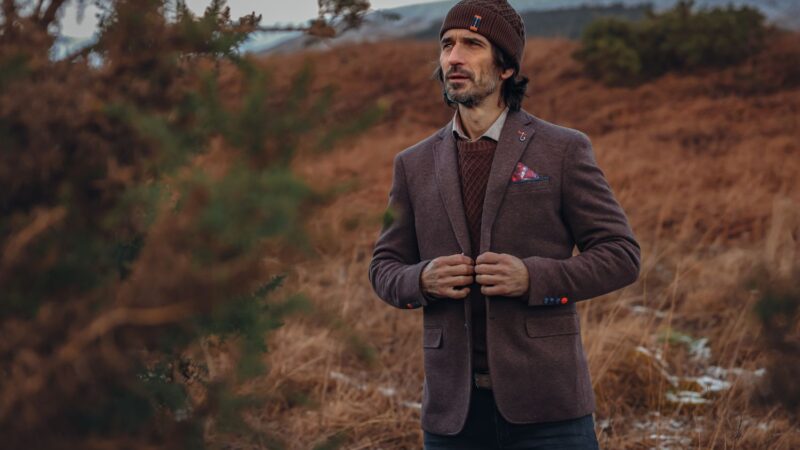
The broadest range of knitwear works here. A merino crew neck over an open-collar shirt with chinos and a Derby shoe; a cardigan worn open as an alternative to a blazer; a quarter-zip with tailored trousers and Chelsea boots. The occasion rewards texture and layering rather than single-note dressing.

For the full range of ideas: Style Ideas for Jumpers: How to Wear Them Beyond the Basics.

Weekend and Casual

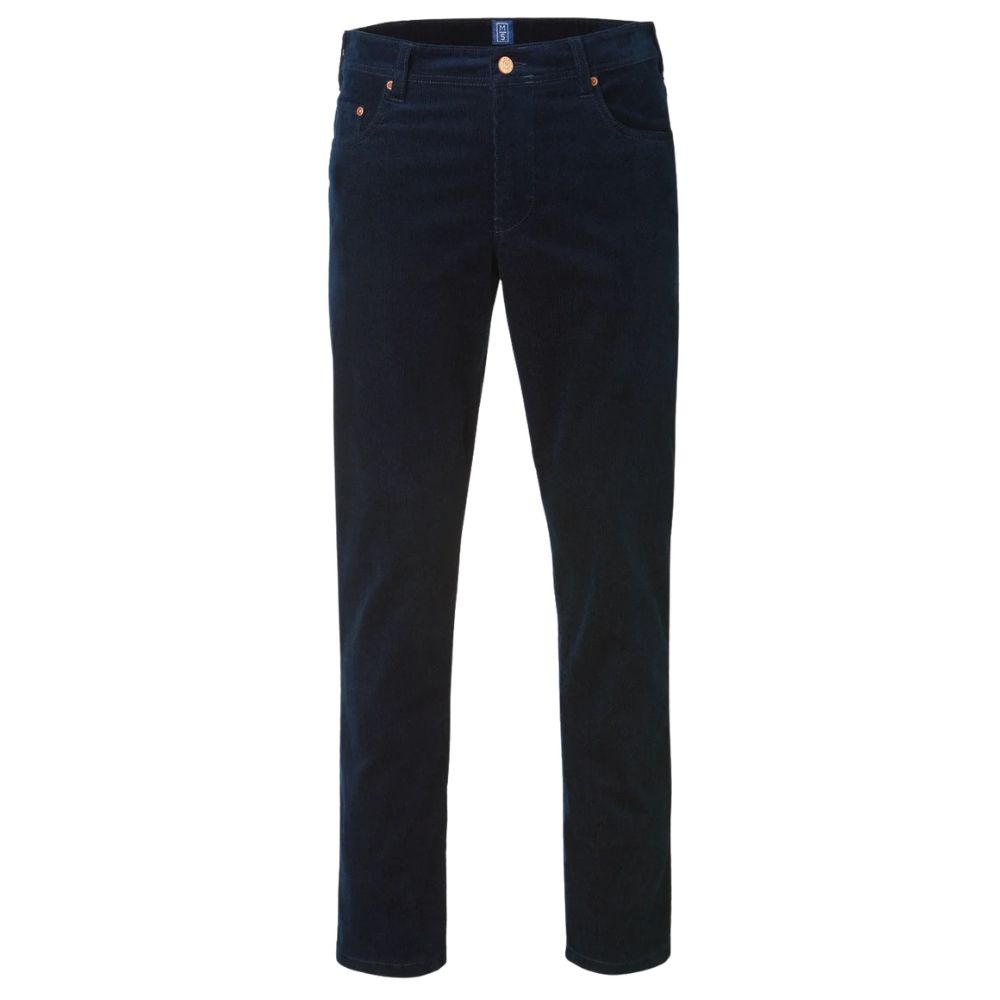
Heavier knits come into their own at the weekend. A lambswool or Shetland jumper with well-cut jeans and clean trainers or boots is a classic weekend combination that never needs improving. A chunky-knit cardigan over a shirt with moleskin trousers belongs equally at a country pub or a Saturday morning at home.

The weekend is also where you can introduce more colour and more pattern – a Fair Isle, a stripe, a bolder tone – without it feeling out of place.

Travel

Merino is made for travel. It is lightweight, compresses easily, resists creasing, regulates temperature effectively, and manages odour better than most natural fibres. A single merino crew neck packed in a weekend bag will perform through two or three days of varied activity without looking tired.

This is not a marginal benefit. For the man who travels frequently for work or leisure, a well-chosen merino jumper is one of the most useful pieces in the wardrobe.

recreate the look

Colour Guide

Start Here: The Neutrals

Navy, charcoal, mid-grey, oatmeal, and camel are the five neutral tones that every knitwear wardrobe should contain before it considers anything else. They work with virtually every trouser, every shirt, and every jacket in the wardrobe. They layer without conflict. They photograph well. And they age gracefully – a navy merino jumper bought at forty will still look right at sixty.

Building in Colour

Once the neutrals are in place, colour becomes a tool rather than a risk. A rich burgundy crew neck worn with grey flannels and brown brogues is a classic autumn combination. A forest green merino under a camel overcoat brings warmth and depth to a neutral palette.

The principle: one piece of colour per outfit, supported by neutrals. The knitwear is often the right place for that colour because it sits close to the face and has an immediate effect on how the whole picture reads.

Pattern

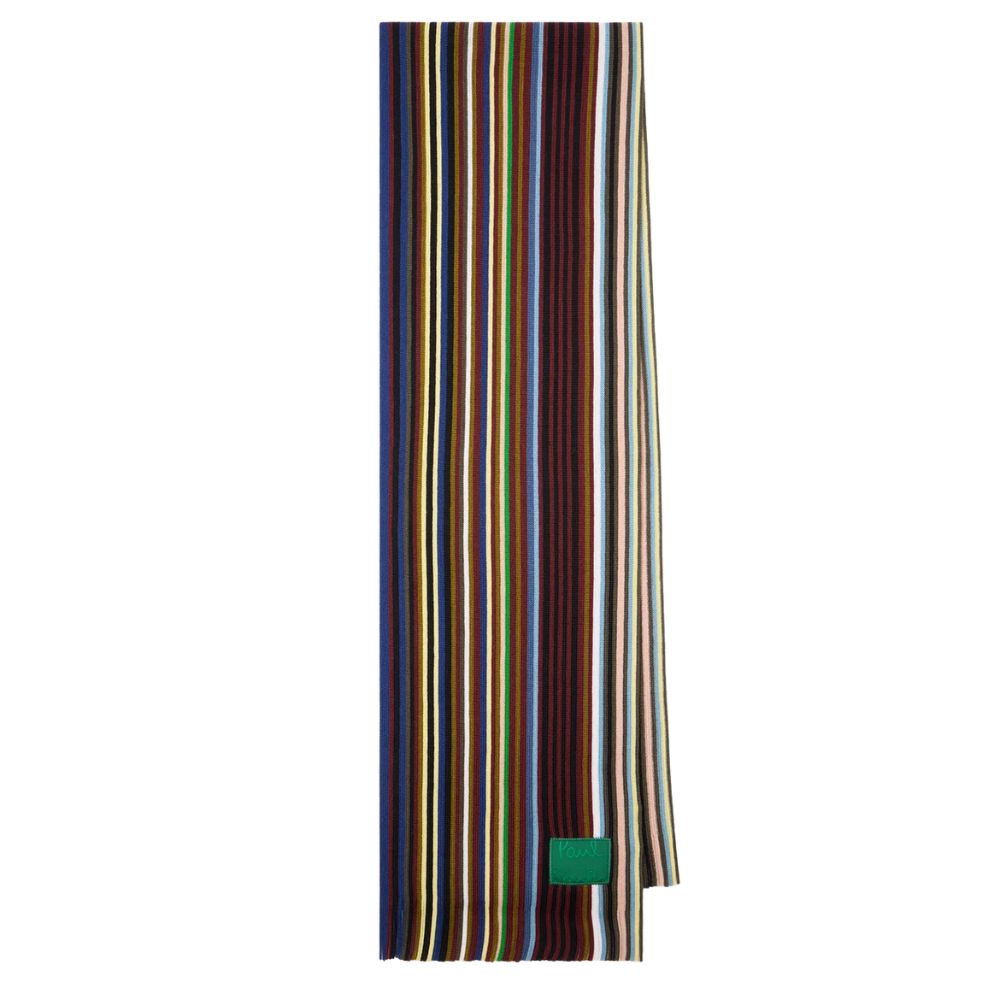
Cable knit, Fair Isle, and fine stripes each occupy a specific register. Cable knit reads as relaxed and textural – best with jeans, chinos, and weekend clothing. Fair Isle is the same: a pattern with a strong identity that belongs in country and casual dressing rather than in the city. A fine, subdued stripe in a merino or lambswool works in smart casual territory without declaring itself too loudly.

Bold colour-block or highly graphic knitwear requires confidence and the right surrounding context. It is not wrong, but it needs the rest of the outfit to be deliberately simple.

Colour guide - knitwear

Category What it is Wear it with Context
Start here - the five neutrals
Neutrals Buy first
Navy, charcoal, mid-grey, oatmeal, camel. The foundation before anything else. Every trouser, shirt, and jacket in the wardrobe. Layer without conflict. All contexts. Age gracefully - a navy merino at forty still looks right at sixty.
Building in colour - one piece per outfit
Rich tones One at a time
Burgundy, forest green, and similar deep seasonal tones. Grey flannels and brown brogues. Under a camel overcoat. Knitwear is the right place for colour - it sits close to the face and affects the whole picture immediately.
Pattern - know the register
Cable knit Relaxed Textural, tactile, strong identity. Jeans, chinos, weekend clothing. Weekend and country. Not for the city.
Fair Isle Casual Patterned, bold identity, traditional. Country and casual dressing. Country and casual only. Not suited to city or smart contexts.
Fine stripe Smart casual Subdued, merino or lambswool, quiet pattern. Chinos, tailored trousers, smart casual jackets. Works in smart casual without declaring itself too loudly.
Bold graphic With confidence Colour-block or highly graphic knitwear. Deliberately simple surrounding pieces only. Not wrong - but the rest of the outfit must do nothing. The knitwear is the statement.

Care Guide Summary

Knitwear that is cared for properly lasts years longer than knitwear that isn’t. The principles are straightforward.

Washing: Hand wash in cool water with a specialist wool detergent, or use a wool cycle on a machine with a low spin. Never use a standard cotton cycle on wool or cashmere – the agitation causes felting and the piece will be unwearable.

Drying: Never tumble dry natural-fibre knitwear. Lay flat on a clean towel to dry, reshaping while damp. Hanging a wet jumper stretches the shoulders irreversibly.

Pilling: Pilling is a natural result of fibre friction and is not a sign of poor quality. Remove pills carefully with a cashmere comb or a fabric shaver, working gently across the surface. It takes five minutes and returns the jumper to its original condition.

Storage: Fold, never hang. A jumper hung by its shoulders will lose its shape within a season. In summer storage, use cedar blocks or lavender sachets to deter moths – a particular hazard for cashmere and fine wool.

For the full routine, with guidance on specific fabric types: How to Care for Your Knitwear.

Care guide summary - knitwear

Step The right way How to do it The wrong way - and why
Washing Cool water only Hand wash in cool water with a specialist wool detergent, or use a wool cycle with a low spin. Use a small amount of wool-specific detergent. Gently work through the fabric without wringing or twisting. Rinse thoroughly in cool water. Never use a standard cotton cycle. The agitation causes felting - the piece will be unwearable and cannot be reversed.
Drying Flat only Lay flat on a clean towel, reshaping while damp. Never tumble dry or hang while wet. Roll the jumper in a towel to absorb excess water, then unroll and lay flat. Ease back into shape while still damp and leave to air dry. Never tumble dry or hang wet. Tumble drying shrinks and felts. Hanging a wet jumper stretches the shoulders irreversibly.
Pilling Normal - not a defect Remove pills with a cashmere comb or fabric shaver, working gently across the surface. Use a cashmere comb or fabric shaver on a flat surface. Work in short, light strokes. Takes around five minutes and returns the jumper to its original condition. Pilling is a natural result of fibre friction - not a sign of poor quality. Ignoring it lets it worsen; pulling pills by hand damages the knit structure.
Storage Fold, never hang Fold and store flat. Use cedar blocks or lavender sachets in summer storage to deter moths. Fold along the body seams and stack flat in a drawer or on a shelf. For seasonal storage, place cedar blocks or lavender sachets nearby - especially for cashmere and fine wool. Never hang a jumper by its shoulders. It will lose its shape within a season. Moths are a particular hazard for cashmere and fine wool left unprotected.

The Investment Argument

The distance between a £60 acrylic jumper and a £180 merino one is not just the price. It is the fibre, the handle, the way it falls on the body, the way it responds to washing, and the number of seasons it will remain in the wardrobe.

The cheap jumper pills in the first month, loses its shape by Christmas, and is gone by the following autumn. The merino jumper, cared for properly, is still in the wardrobe in five years – probably seven or eight. It has been worn more, photographed better, and required no replacement in the interval.

This is the logic of the knitwear wardrobe, and it applies at every level of the category: from merino to cashmere, the quality argument always wins over any meaningful timeframe.

Own fewer pieces. Own better ones. Wear them for longer.

recreate the look

FAQS: men’s KNITWEAR

For versatility and value: merino wool. It is fine enough to be worn against the skin, warm enough for autumn and winter, resilient enough to last years with correct care, and it travels exceptionally well. For the finest quality and the greatest luxury: cashmere. Both are natural fibres that improve with careful use. Avoid acrylic as the primary fibre.

The shoulder seam should sit at the edge of the shoulder. The body should follow your frame without clinging or hanging away from it. Sleeves should reach the wrist bone. The hem should sit just below the trouser waistband. When choosing between sizes, the smaller is usually the better choice – natural fibres relax slightly with wear.

Yes. A fine-gauge merino V-neck or crew neck worn under a suit jacket is a well-established and polished combination. It works particularly well in business casual environments and for travel. The knitwear should be slim enough to sit under the jacket without creating bulk at the shoulders, and fine enough that it does not break the line of the suit lapel.

Pilling is caused by short fibres working loose during wear and friction. It happens with all natural fibres to some degree and is not a sign of poor quality. Remove existing pills with a cashmere comb or fabric shaver. To reduce future pilling, wash knitwear inside out, use a mesh laundry bag on machine washes, and avoid wearing a rough coat fabric over fine knitwear for extended periods.

With caution. A dedicated wool or delicates cycle at 30 degrees with a low spin will wash most cashmere without damage. A specialist wool detergent is preferable to standard fabric conditioner. Hand washing in cool water remains the safer option, particularly for finer or more expensive pieces. Never tumble dry cashmere under any circumstances.

The neckline shape and, by extension, how they are worn. A crew neck has a rounded neckline that sits close to the base of the throat – it works over a shirt or T-shirt and on its own. A V-neck has an open, pointed neckline designed to reveal the shirt collar and tie beneath, making it the more formal of the two. The V-neck’s neckline should always show something worth showing.

Fold and store flat – never hang. A hung jumper loses its shoulder shape. Clean all knitwear before storing: moths are attracted to the oils and residues left by wear, not to clean fabric. Use cedar blocks, cedar rings on hangers nearby, or dried lavender sachets in the drawer or box to deter moths. Check stored pieces once during the summer for any signs of damage.

Build on neutrals first: navy, charcoal, mid-grey, oatmeal, camel. These integrate with virtually every outfit in the wardrobe without requiring decisions. Once the neutrals are in place, introduce one colour piece at a time – burgundy, forest green, rust – worn with neutral trousers and shirts to let the knitwear carry the colour. Pattern should be reserved for casual and weekend dressing.

a few final words


Knitwear rewards thought. The man who understands what he is buying – the fibre, the weight, the occasion – makes choices that last, that work harder, and that look considerably better than those made by instinct in a changing room.

The merino crew neck is the place to start. Versatile, well-priced, seasonless, it integrates into more outfits than almost any other single piece. Build from there: a V-neck for layering with tailored clothing, a cardigan for the occasions that call for something with more presence, a roll neck for the winter days when formality is not required but ease is.

Choose natural fibres. Buy the best you can within each category. Care for the pieces properly. A knitwear wardrobe built on these three principles will serve you for years – and will look better with every season it is worn.

Men's Knitwear The Essential Guide
Mens Knitwear The Essential Guide 5
Yelyzaveta

Currently studying Marketing. I love spending time reading books, savouring coffee, and exploring new places.

No Comments

Post A Comment