03 Jun Men’s Shoes: The Complete Buying, Styling and Care Guide
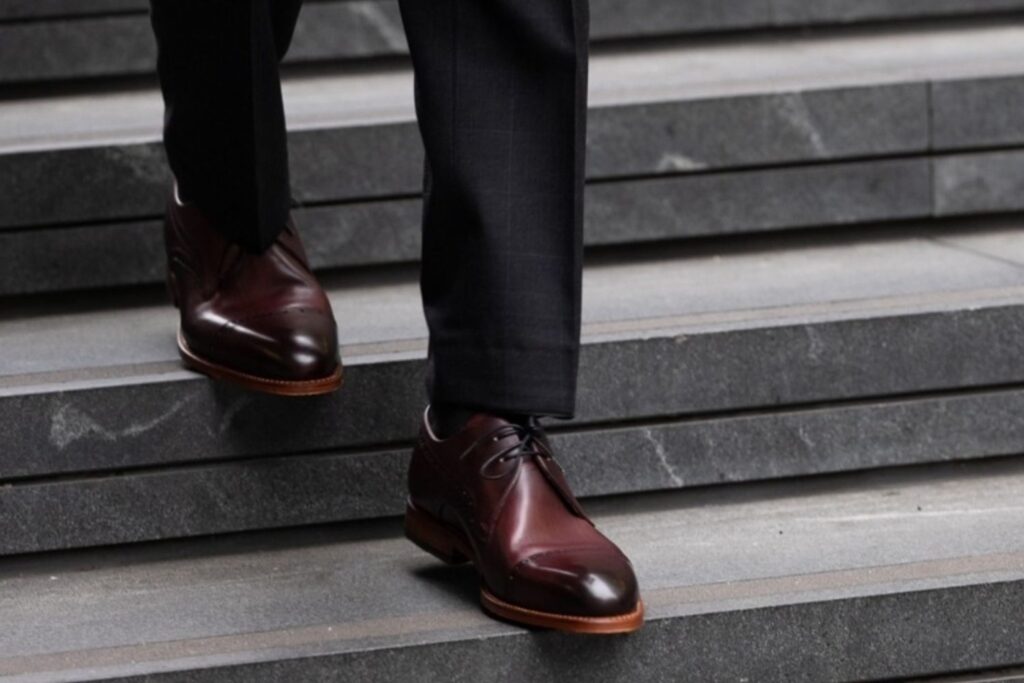
A man’s shoes are the first thing certain people notice and the last thing most men think about. That asymmetry is worth correcting.
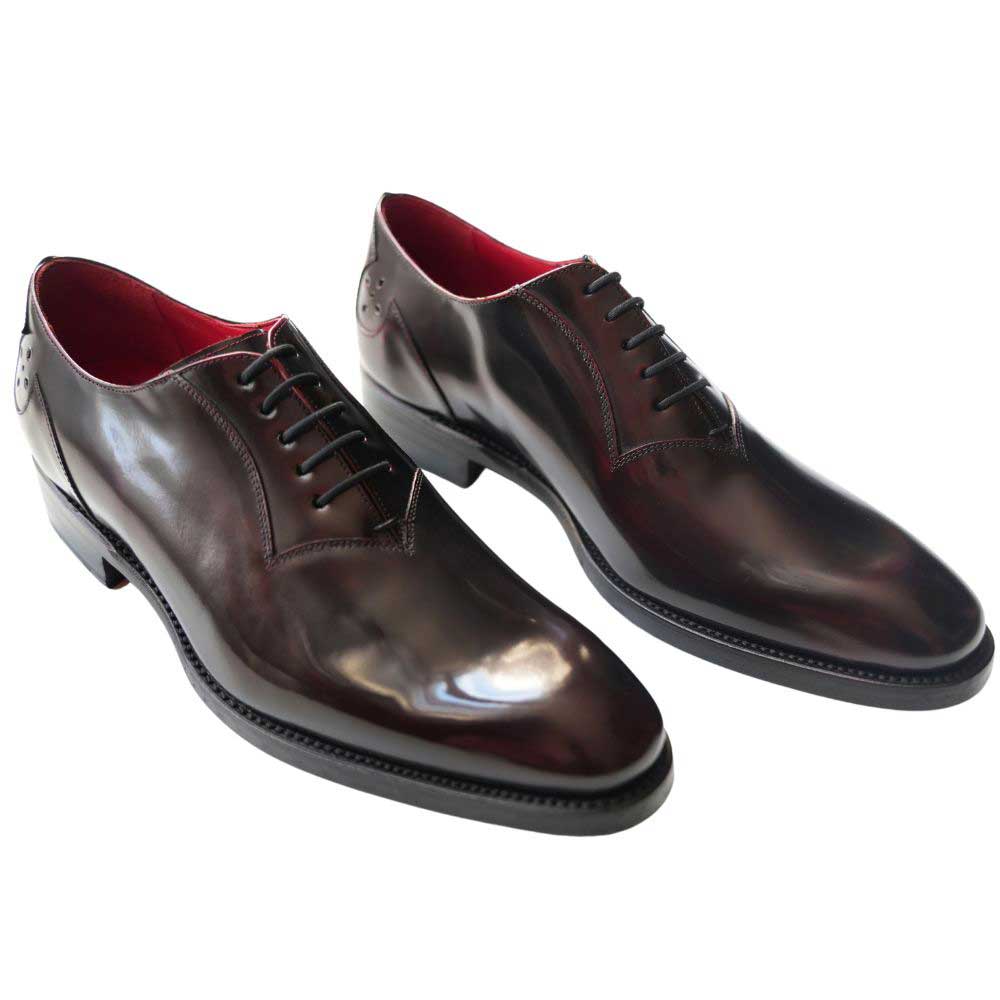
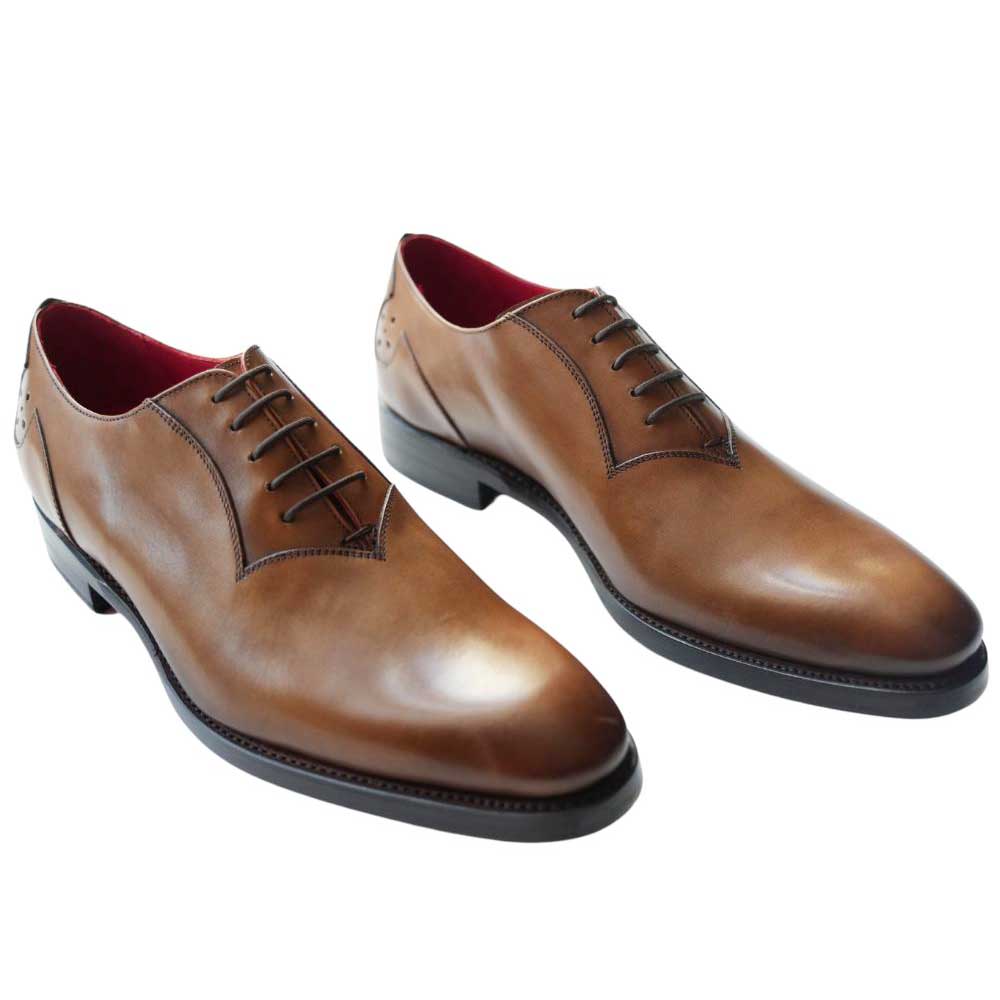
The right shoes do not merely complete an outfit – they ground it. They establish the register of the whole picture: whether you are dressed up or dressed down, whether the look is relaxed or formal, whether you have thought about what you are wearing or simply put something on. A well-chosen pair of Oxfords in burnished tan leather says something about a man that even the finest suit cannot say on its own.
This is the complete guide to men’s shoes: the five styles that form the foundation of a serious shoe wardrobe, how to choose the right pair for every occasion, how to style each one, and – critically – how to care for them so they last not years but decades.
Because the men who care for their shoes are, almost without exception, the men who buy better shoes. And the men who buy better shoes are the men who dress well.
The Essential Five: The Shoe Wardrobe Every Man Needs
You do not need twenty pairs of shoes. You need five styles, each chosen carefully, each maintained properly. Own these five and you are equipped for every occasion.
1. Oxfords
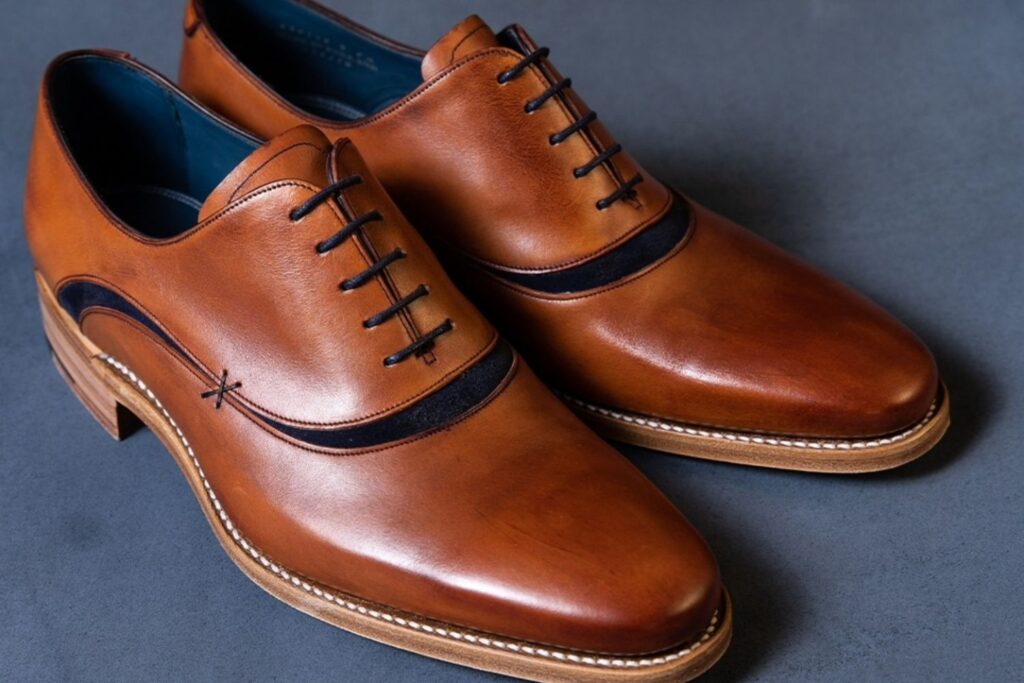
The most formal shoe in the wardrobe and the one against which every other dress shoe is measured. The defining feature is the closed lacing system – the quarters are stitched under the vamp, creating a clean, unbroken line across the top of the foot.
Black Oxfords are required for black tie and formal business. Tan or dark brown Oxfords are among the most versatile shoes a man can own – they work with navy and grey suits, with tailored chinos, and at the smarter end of smart casual.
A well-made Oxford in quality calf leather, properly cared for, will serve you for twenty years or more. Buy accordingly.
2. Derby
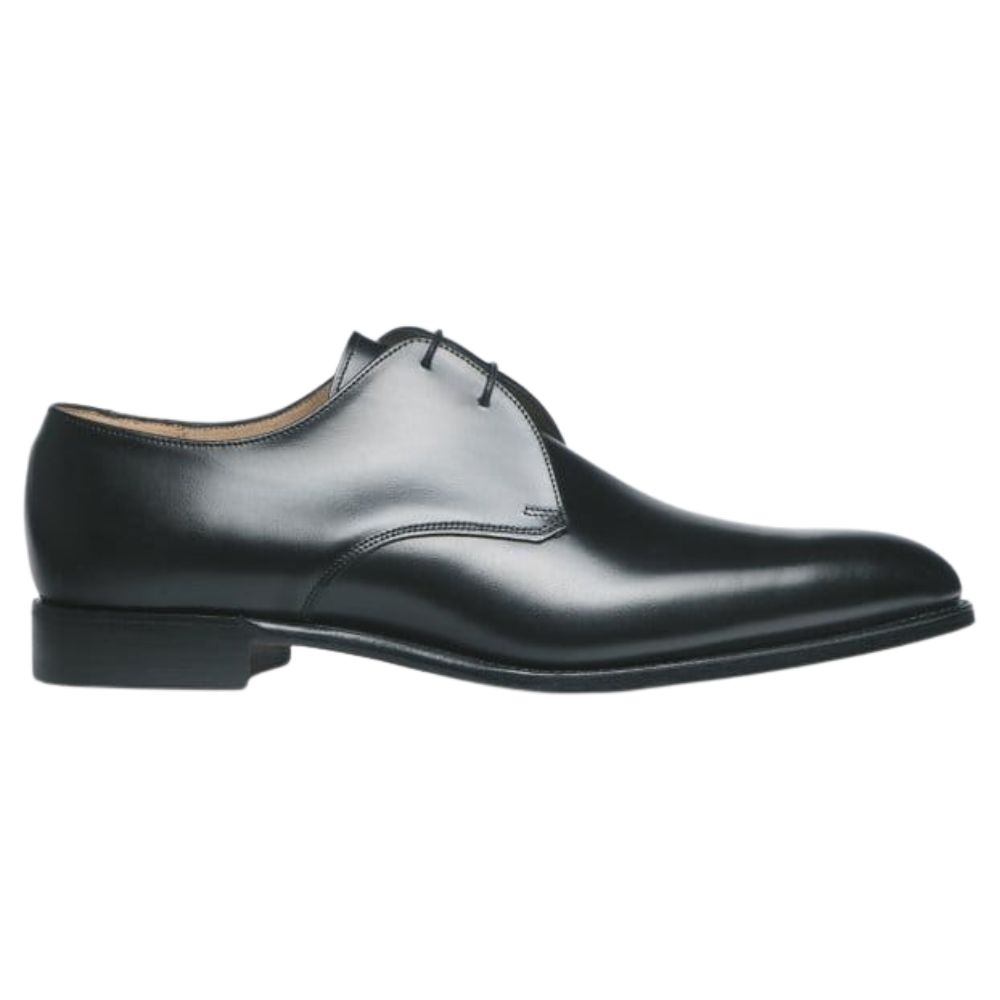
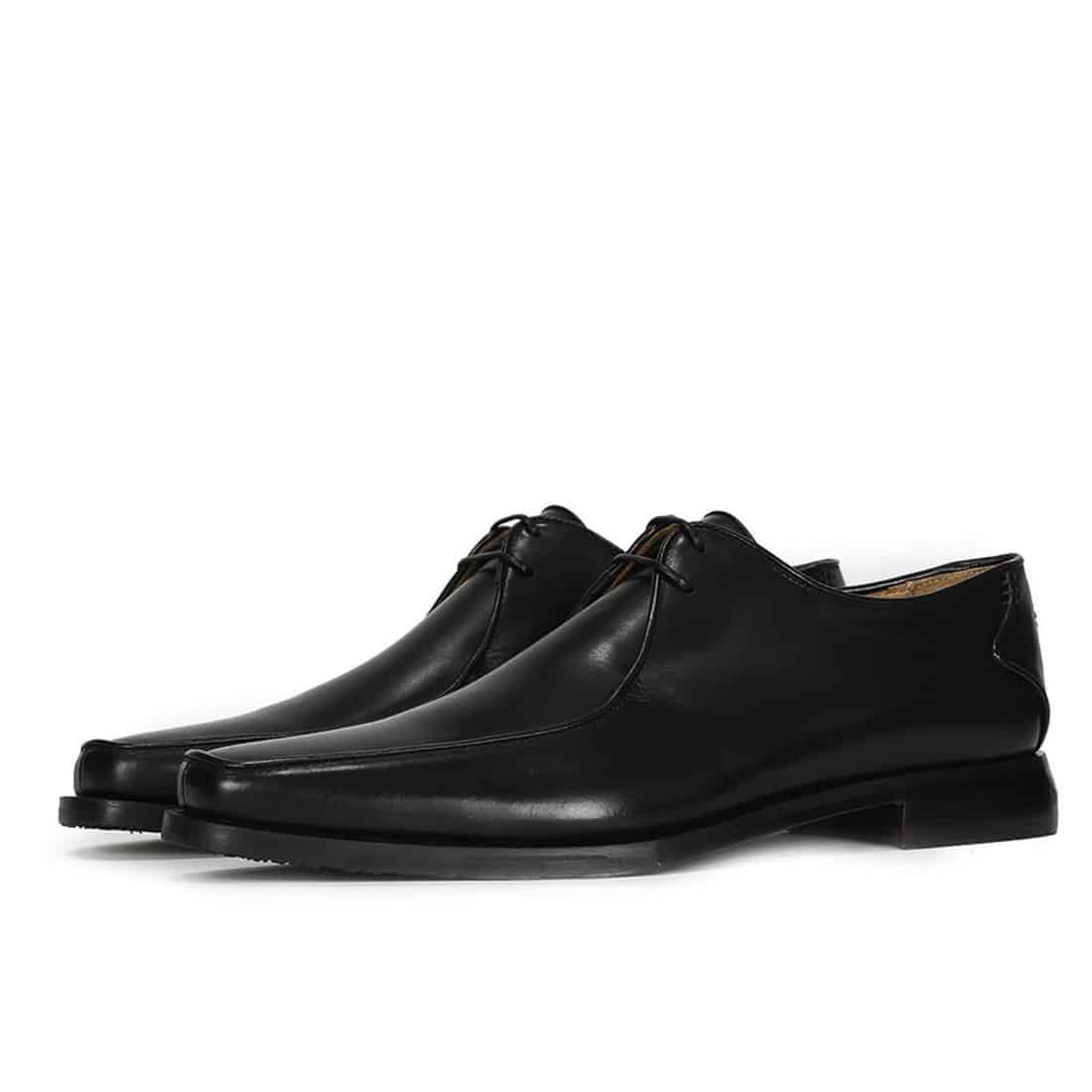
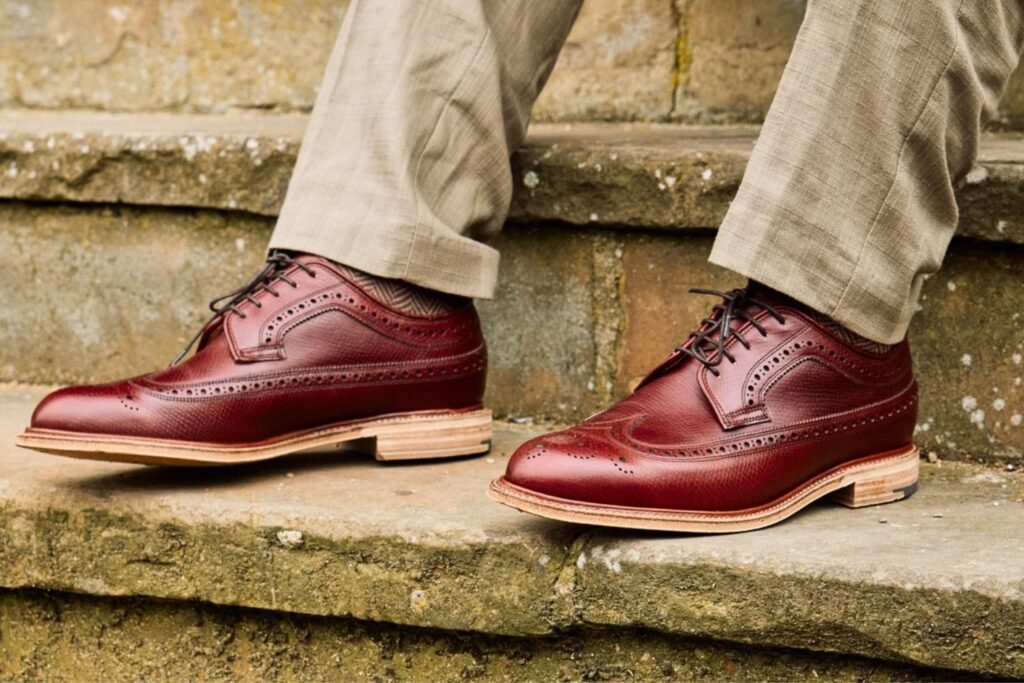
The Derby is the Oxford’s more relaxed sibling – open lacing, quarters stitched on top of the vamp, a slightly wider fit across the instep. It is a more forgiving shoe in both fit and occasion.
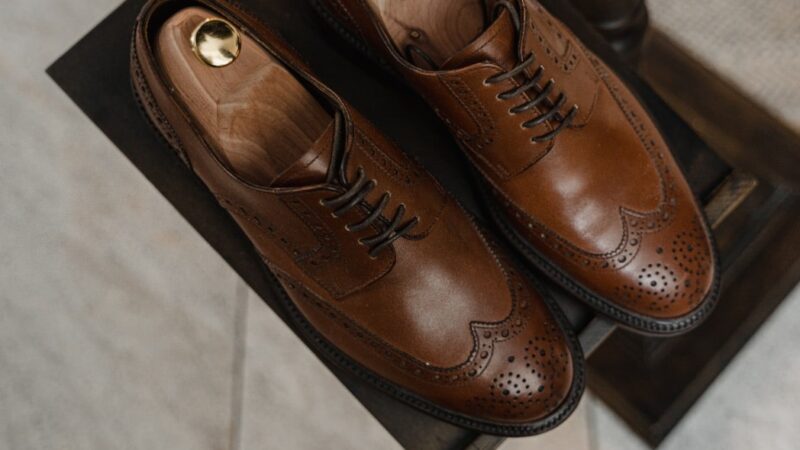
Where the Oxford demands a certain formality, the Derby sits comfortably across business, smart casual, and occasion dressing. In dark brown or burgundy with a brogue detailing, it is one of the most hardworking shoes in the wardrobe.
If you have a wider foot or find Oxfords uncomfortable, the Derby is not a compromise – it is often the better choice.
3. Chelsea Boots
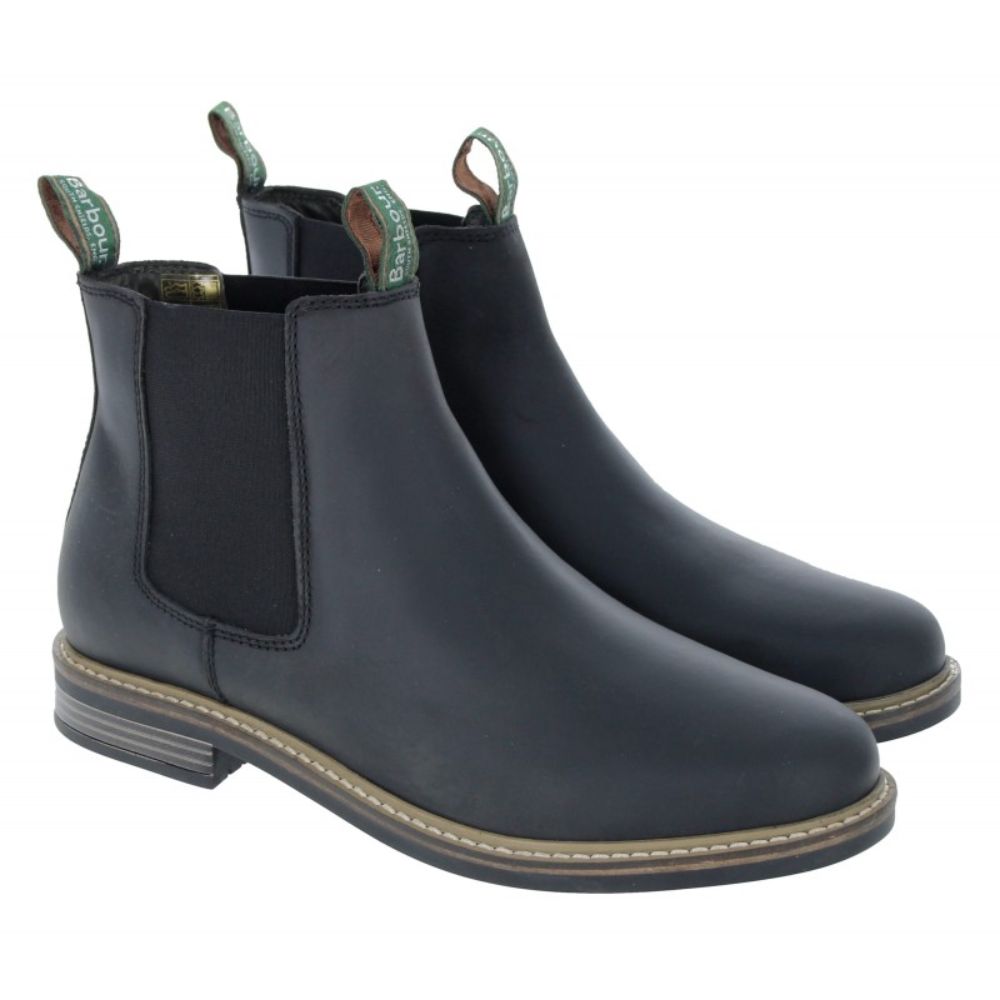
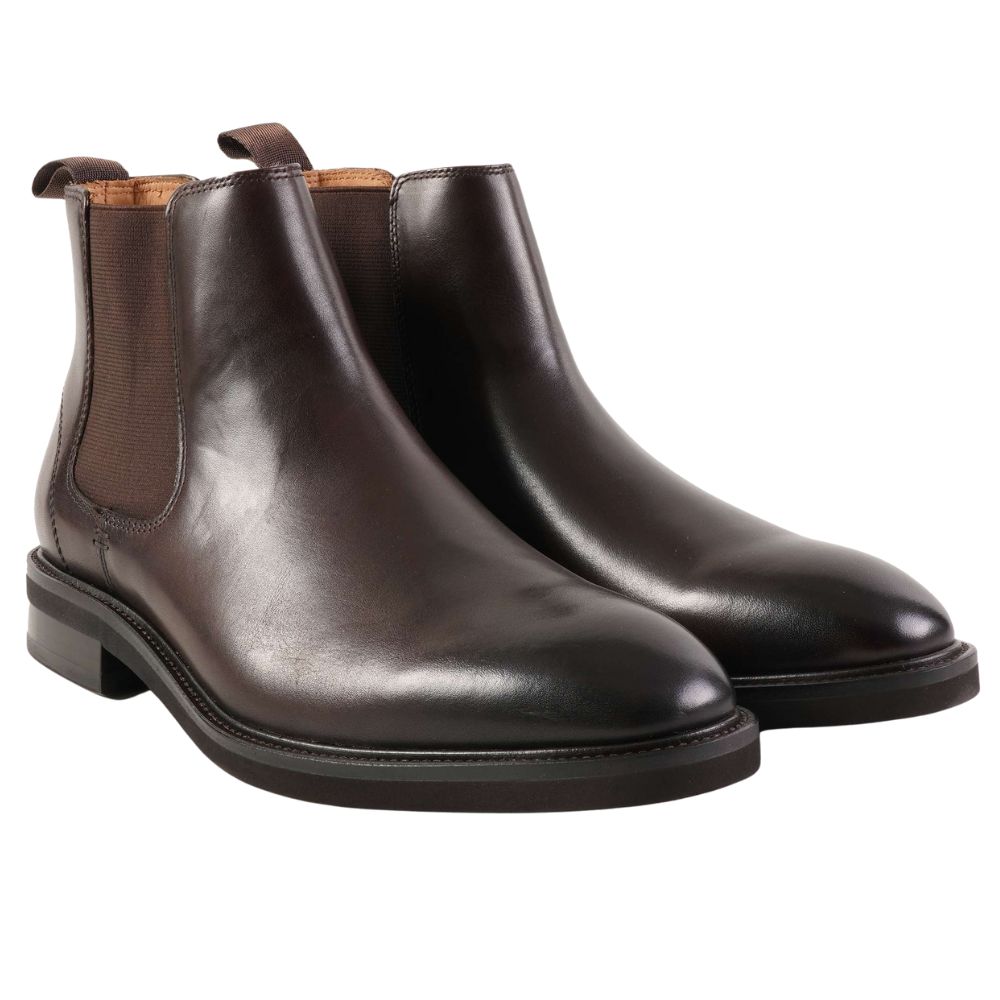
Chelsea boots has been in continuous production since the 1850s and shows no sign of going anywhere. The elastic side panel, clean ankle line, and absence of laces make it the most effortless shoe to live in – on or off, in seconds.
In dark brown or black leather, a Chelsea boots works from smart casual to business casual, from weekend to a dressed-down evening out. It pairs as naturally with tailored trousers as it does with dark jeans. This is the shoe that does the most work across the widest range of occasions.
4. Loafers
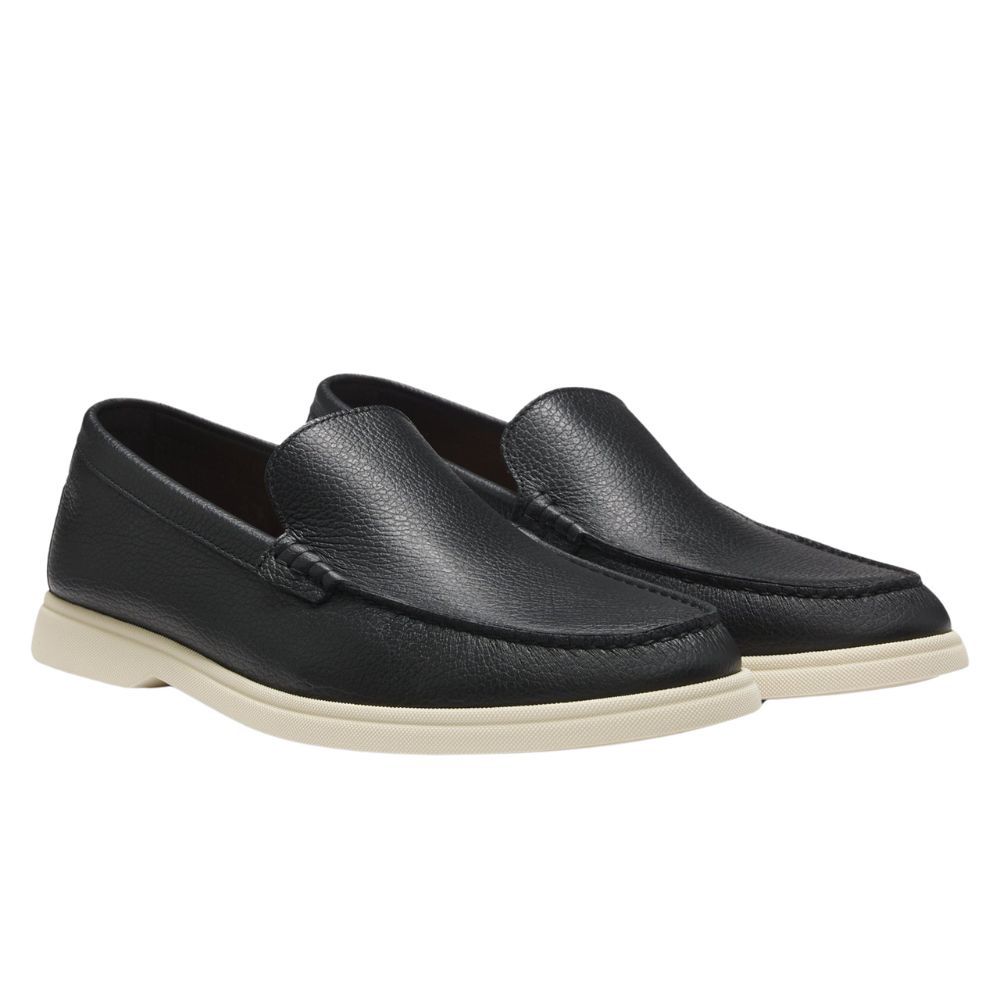
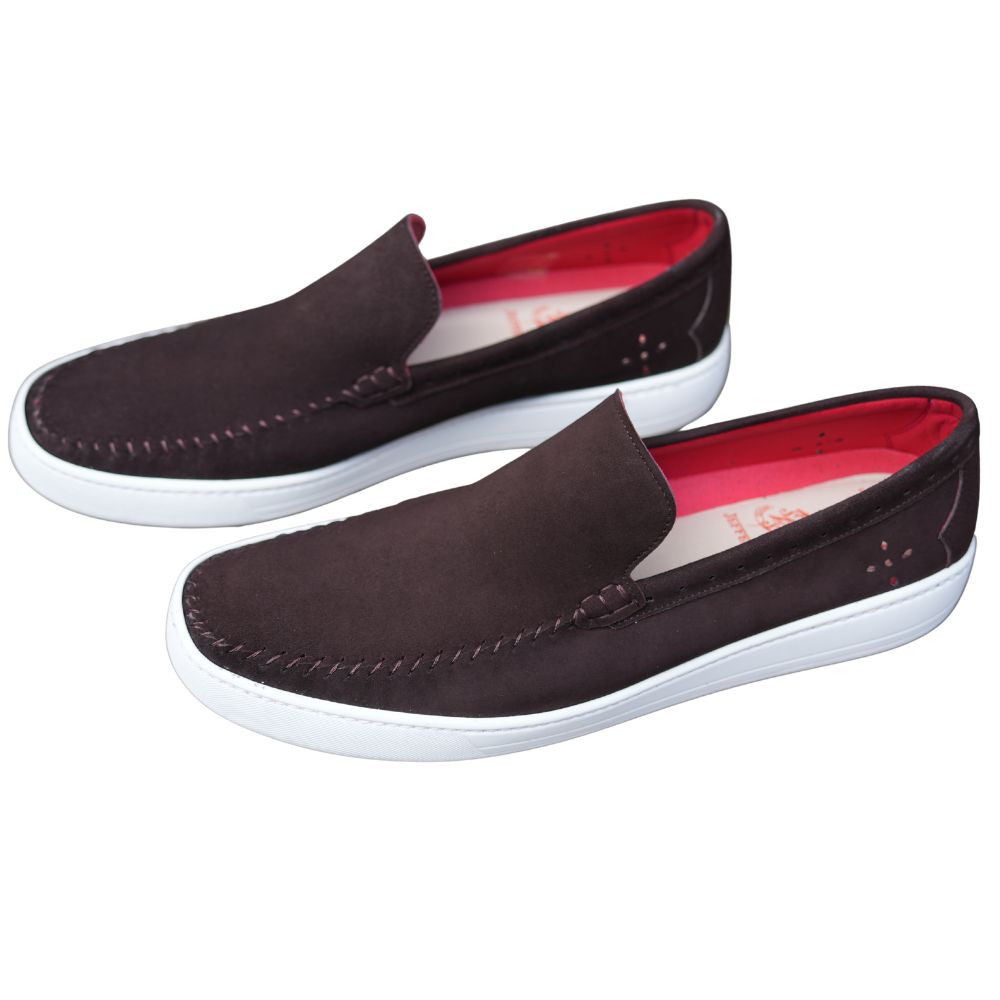
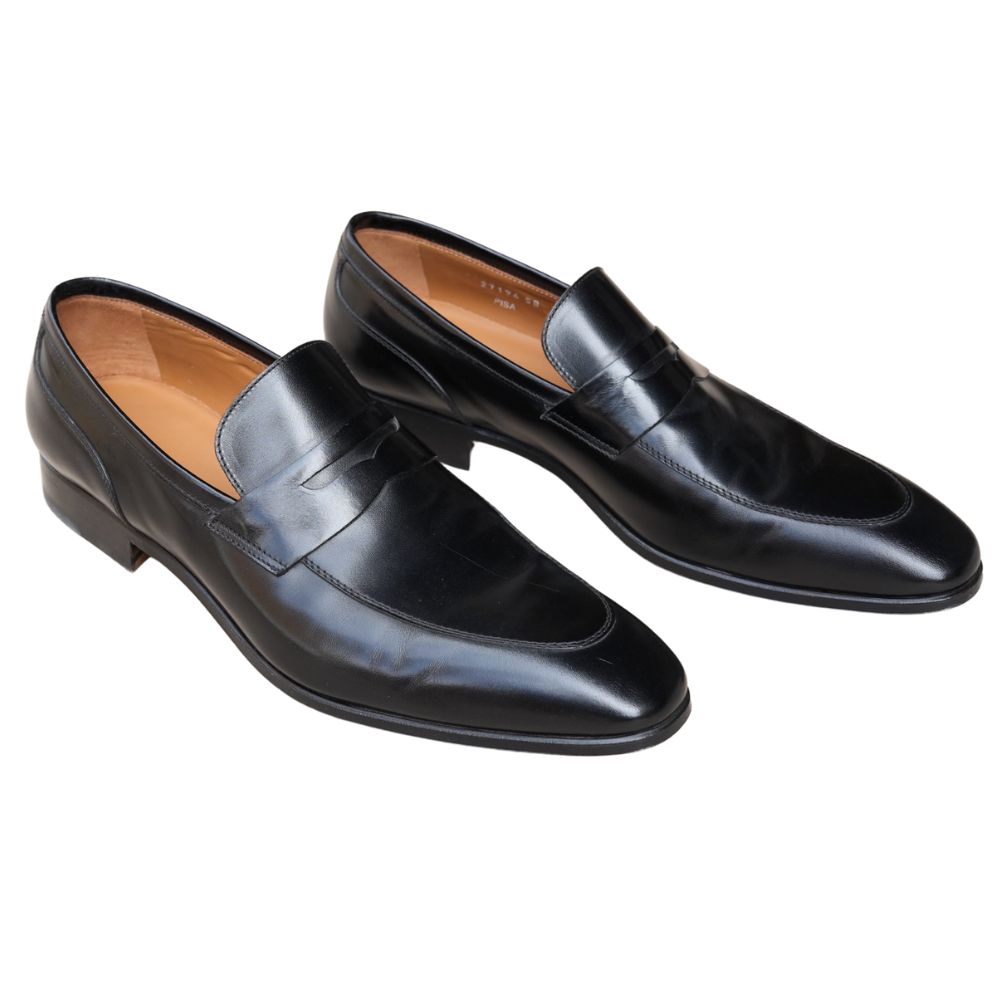
Loafers occupies a unique space in the wardrobe: formal enough to wear with a suit in the right context, relaxed enough to wear sockless with chinos on a summer evening. No other shoe spans that range.
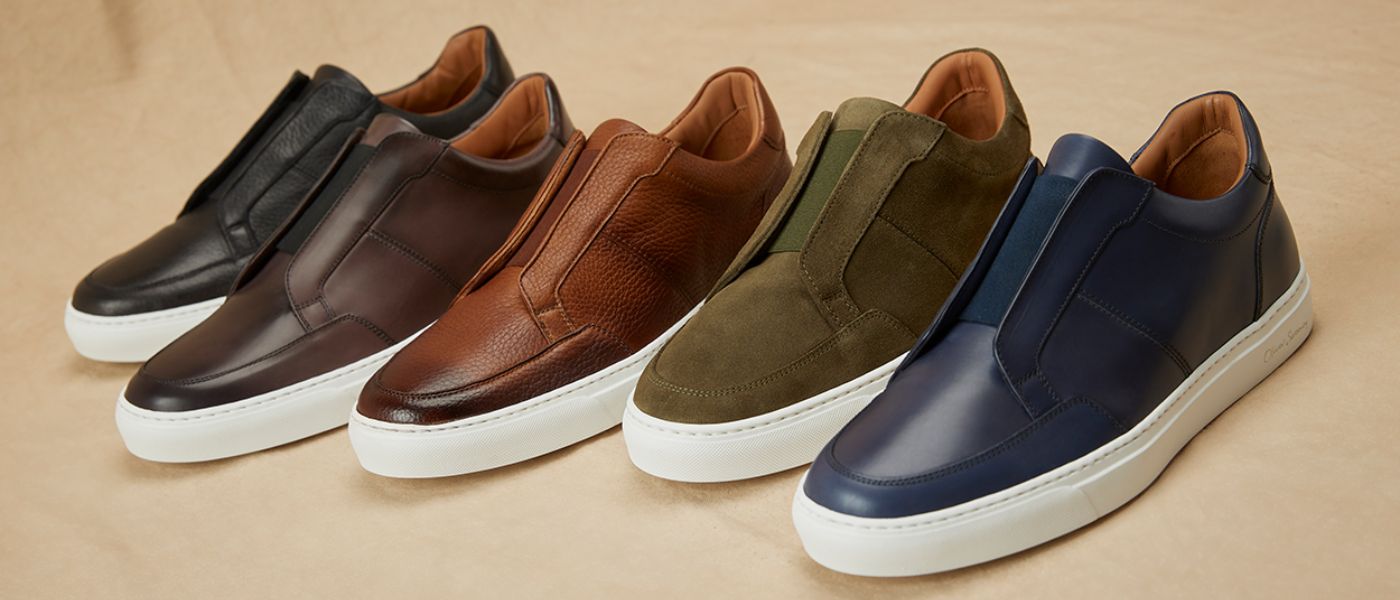
The penny loafer and the horsebit loafer are the two most versatile styles. In dark tan or cognac leather, either will carry you through a significant portion of the wardrobe year. Suede loafers in tan or mid-brown are a staple of smart summer dressing.
The loafer rewards confidence in wearing. Hesitancy shows. Wear them as though you have always worn them.
5. Trainers
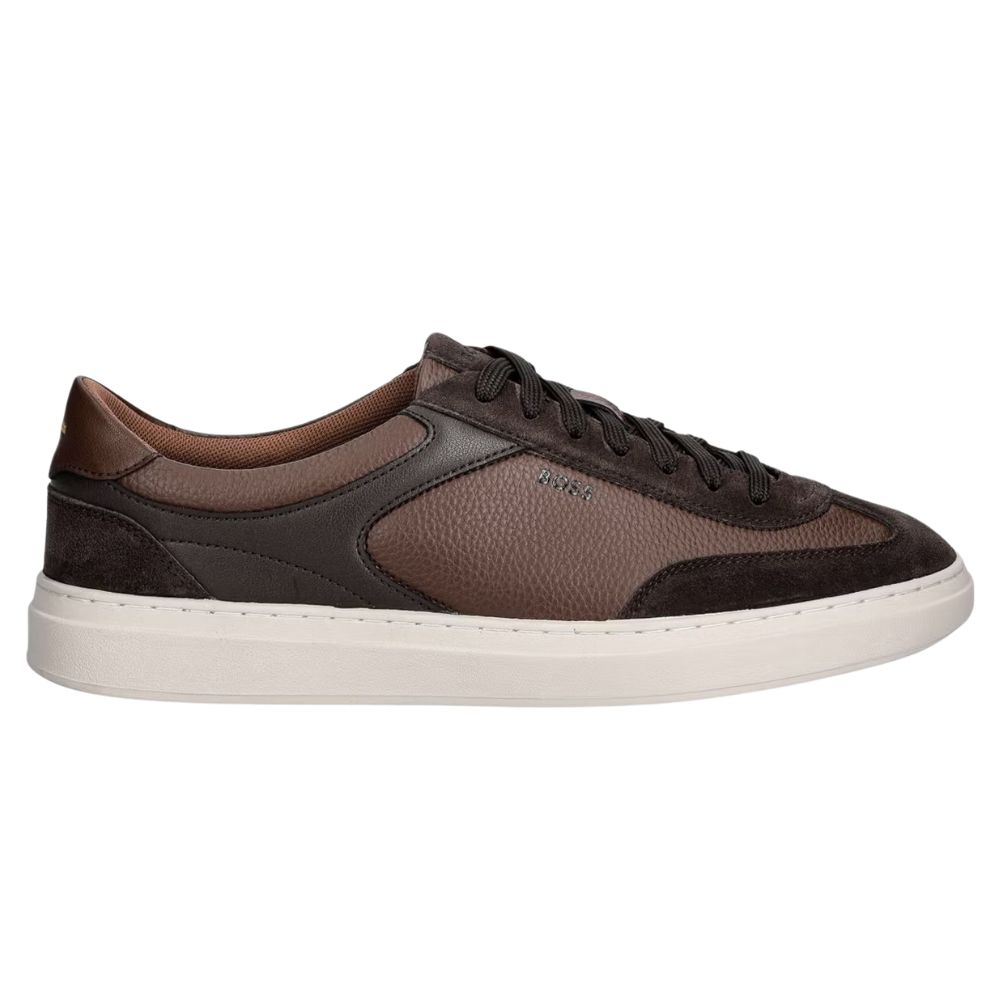
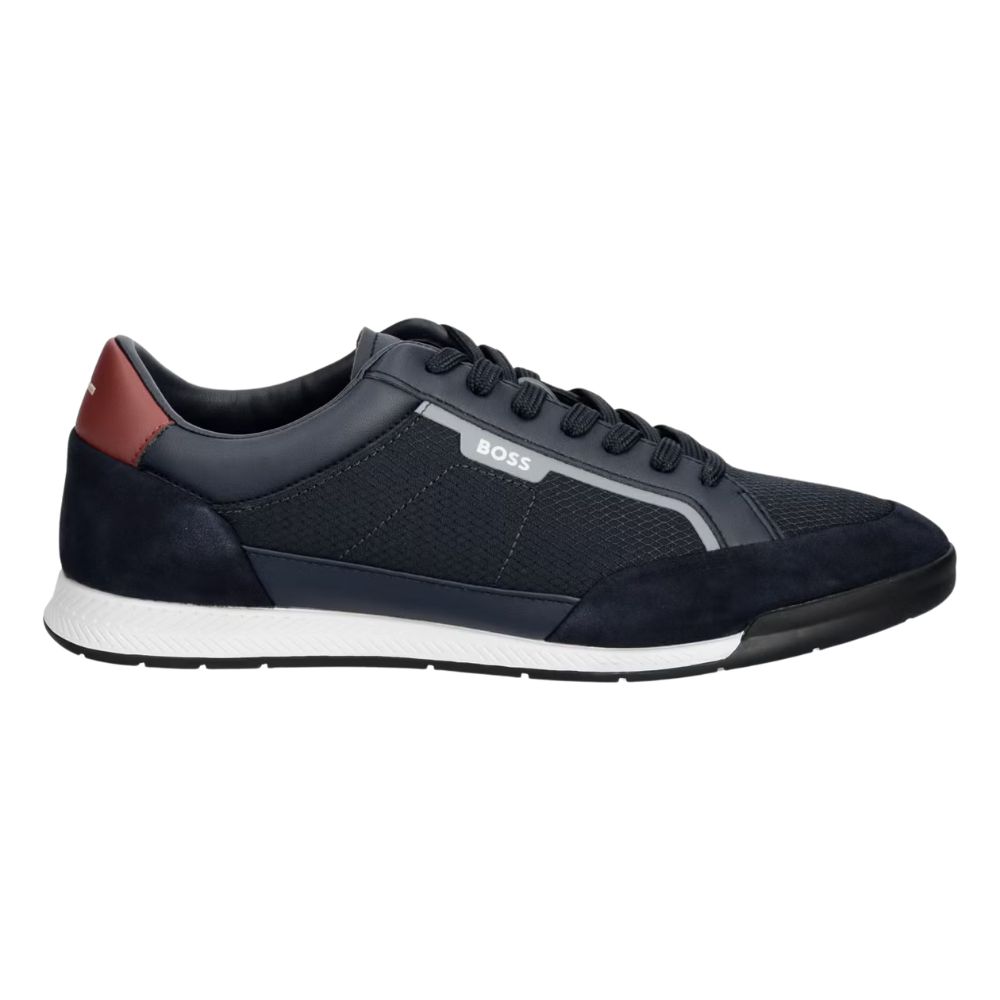
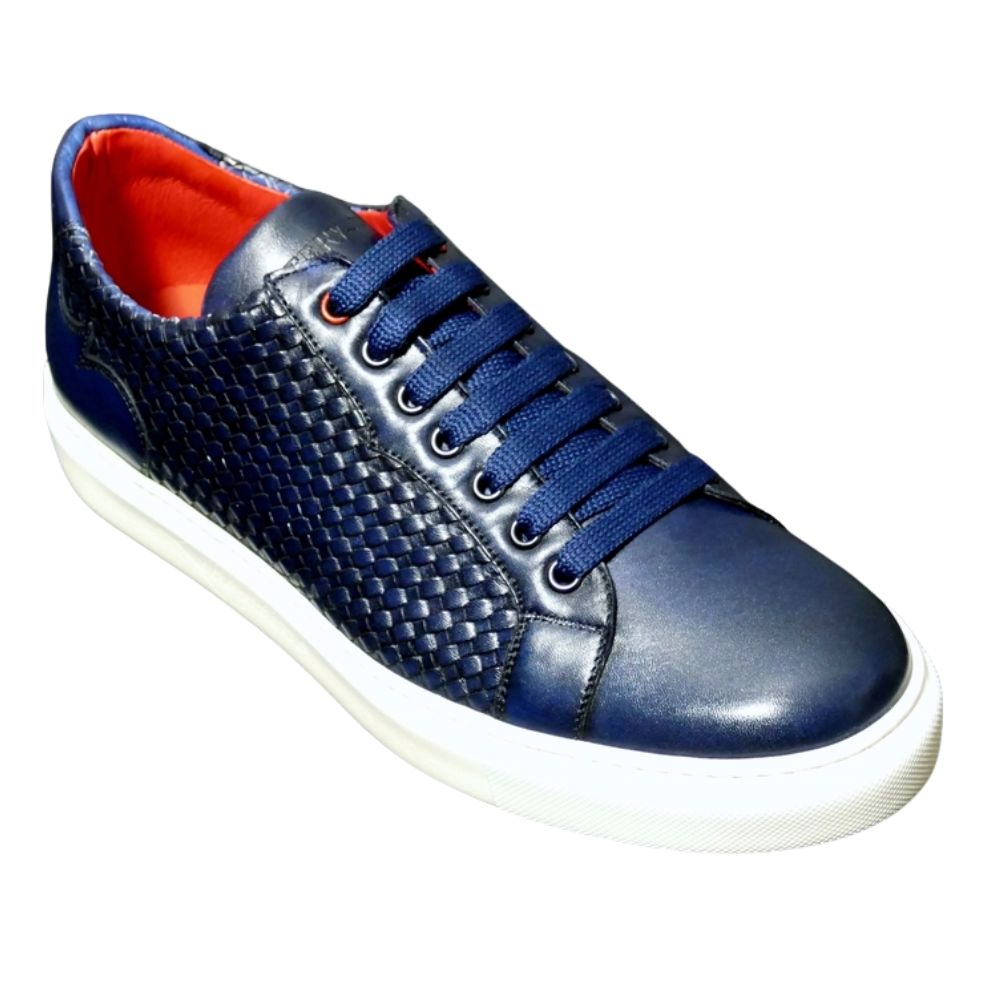
Trainers has completed its journey from the sports hall to the boardroom, and in 2025 it sits comfortably at the smart casual end of the wardrobe for any man who wears it with intention.
The operative word is intention. A clean, minimal leather or suede trainer – white, off-white, or a single muted tone – works with chinos, tailored trousers, and dark jeans. A technical trainer in mesh and neon does not. The distinction is not about brand; it is about silhouette and restraint.
For a full breakdown of what works with what, see our men’s trainers colour guide.
Fit and Sizing: Getting It Right Before You Buy
A poorly fitting shoe is worse than no shoe at all. It damages your posture, ruins your gait, and destroys the leather from the inside out. Fit is not negotiable.
Width Matters as Much as Length
Most men know their length. Far fewer know their width, and this is where the problems begin. A shoe that fits in length but is too narrow will cause discomfort, pressure points, and long-term damage to the upper. A shoe that is too wide will slip, crease unevenly, and age badly.
British shoe widths run from E (narrow) through F (standard) to G (wide) and beyond. If you have spent years wearing shoes that pinch or slip, try a half-size up or a width fitting wider – the difference is frequently transformative.
The Fit Test
When trying a new pair, stand with your full weight on both feet. There should be approximately a thumb’s width of space between your longest toe and the end of the shoe. The heel should sit firmly with no slipping. The sides of the shoe should not pinch or create pressure across the widest part of the foot.
Leather will give slightly with wear, but a shoe that is actively uncomfortable when new will not become comfortable over time – it will become damaged. If it does not fit in the shop, do not buy it.
Break-In Without Pain
Even well-fitting leather shoes benefit from a gentle break-in period. Wear them for short periods initially – a couple of hours at a time – before committing to a full day. Use a quality shoe tree from the first wear to maintain the shape. If you encounter specific pressure points, a professional cobbler can spot-stretch targeted areas without affecting the rest of the shoe.
For Oxford shoes specifically, we have a dedicated guide: How to Break In Oxford Shoes Without Pain.
Fit and sizing - getting it right before you buy
| Topic | Rule / Check | What to look for | What goes wrong if ignored |
|---|---|---|---|
| Why fit is non-negotiable | |||
| The stakes | A poorly fitting shoe is worse than none | Fit affects posture, gait, and the leather's lifespan from day one. | Damaged posture, uneven gait, leather destroyed from the inside out. |
| Width - the overlooked dimension | |||
| Too narrow | Fits in length, pinches across the foot | Pressure points across the widest part. Discomfort from the first wear. | Long-term damage to the upper, pain, pressure sores. |
| Too wide | Foot slides inside the shoe | Heel slipping, uneven creasing as leather bunches where it shouldn't. | Premature and uneven ageing of the leather. |
| British widths | Know your width, not just your length | E - Narrow F - Standard G - Wide | Most men only know their length - width is where the real fit problems begin. |
| The fit test - in the shop | |||
| Toe space | ~1 thumb's width at the toe | Stand with full weight on both feet. Gap between longest toe and shoe end. | Too little: toes compressed. Too much: foot slides forward. |
| Heel | No slipping at the heel | Heel sits firmly. No lift when you walk. | Slipping causes blisters and uneven heel wear. |
| Sides | No pinching across the widest point | Sides of the shoe should rest against the foot without squeezing. | Pressure points, long-term upper damage. |
| The rule | Never buy if uncomfortable new | Leather gives slightly with wear - but only in shape, not in size. | An uncomfortable new shoe becomes a damaged old shoe, not a comfortable one. |
| Break-in - without pain | |||
| First wears | Short sessions initially | A couple of hours at a time before committing to a full day. | Full-day wear too soon causes blisters and accelerates uneven creasing. |
| Shoe trees | Use from the very first wear | Insert a quality cedar shoe tree immediately after removing shoes. | Leather creases and deforms permanently without support after wear. |
| Pressure points | See a cobbler for targeted stretching | A professional can spot-stretch specific areas without affecting the rest. | DIY stretching risks distorting the shape across the whole shoe. |
Choosing by Occasion
Business and the Office
Black or dark brown Oxford or Derby. Polished to a clean shine – not a mirror shine unless the occasion specifically demands it, but a clear, well-maintained finish. Leather sole where possible; it adds formality and breathes better through a long day.
The shoe should never be the most interesting thing about your business outfit. Its job is to complete the picture without drawing attention.
Smart Casual
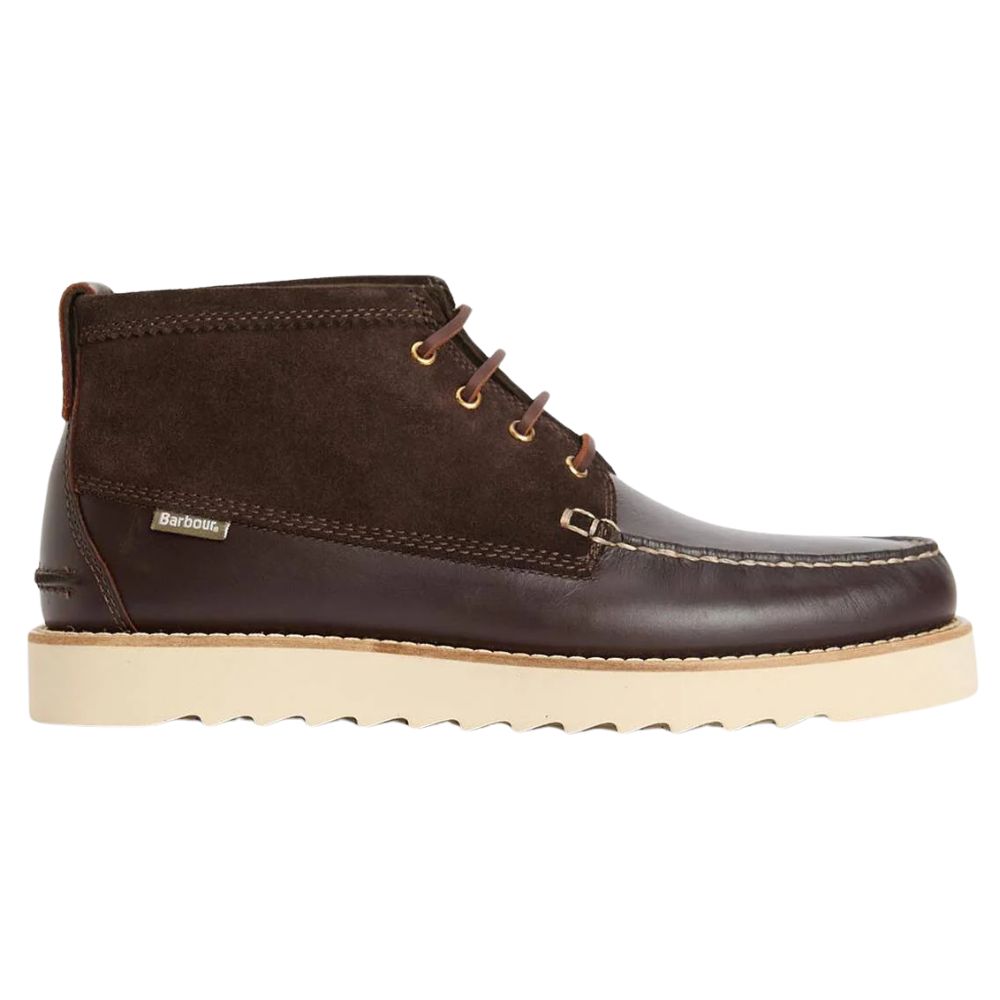
The widest range of options, and the occasion where most men either under- or over-shoot. A suede Derby, a dark leather loafer, a clean Chelsea boot – any of these works with chinos, tailored trousers, or a blazer-over-shirt combination.
Avoid overly formal shoes with casual clothing and overly casual shoes with smarter clothing. The shoe should sit within one register of the outfit as a whole.
Weddings and Occasions
For morning dress or a formal lounge suit: a burnished Oxford or a plain-toe Derby in dark tan or black. Polished properly. Ideally on a leather sole.
For a less formal wedding or summer occasion: a suede loafer or a tan Derby can work beautifully, particularly in warmer months. The test is whether the shoe matches the formality of the invitation.
Weekend and Casual
Chelsea boots with jeans, loafers with chinos, trainers with casual trousers. The weekend shoe should be comfortable, well-made, and chosen with the same care as everything else. Comfort and quality are not in tension.
Black Tie
Black patent Oxfords are the traditional choice and remain correct. If you do not own patent leather Oxfords, a highly polished plain-toe black Oxford is a perfectly acceptable and arguably more versatile alternative. No suede, no brown, no Chelsea boots. Black tie is the one occasion where the rules are clear and deviation is noticed.
Style Guide by Shoe Type
How to Wear Oxford Shoes
The Oxford’s formality means it works best paired upward rather than down – with suits, with formal trousers and a blazer, with occasion dressing. A dark Oxford with dark jeans can work if the jeans are clean, slim, and well-fitted, but the shoe looks most at home in tailored territory.
Colour logic: black for the most formal contexts; dark brown and burgundy for greater versatility across the week. Tan and cognac Oxfords bring warmth to navy and grey suiting and photograph particularly well.
How to Wear Chelsea Boots
The Chelsea boot’s clean silhouette makes it one of the easiest shoes to style. It sits naturally under slim and tapered trousers – the absence of lacing means the ankle line is clean and uninterrupted. With wider or more relaxed trousers, a Chelsea boot can disappear; keep the trouser leg closer to the boot.
Black leather Chelseas lean formal. Brown leather Chelseas are more relaxed. Suede Chelsea boots sit firmly at the smart casual end of the range.
For a complete breakdown: What Are Chelsea Boots? A Guide to the Timeless Men’s Staple
How to Wear Loafers
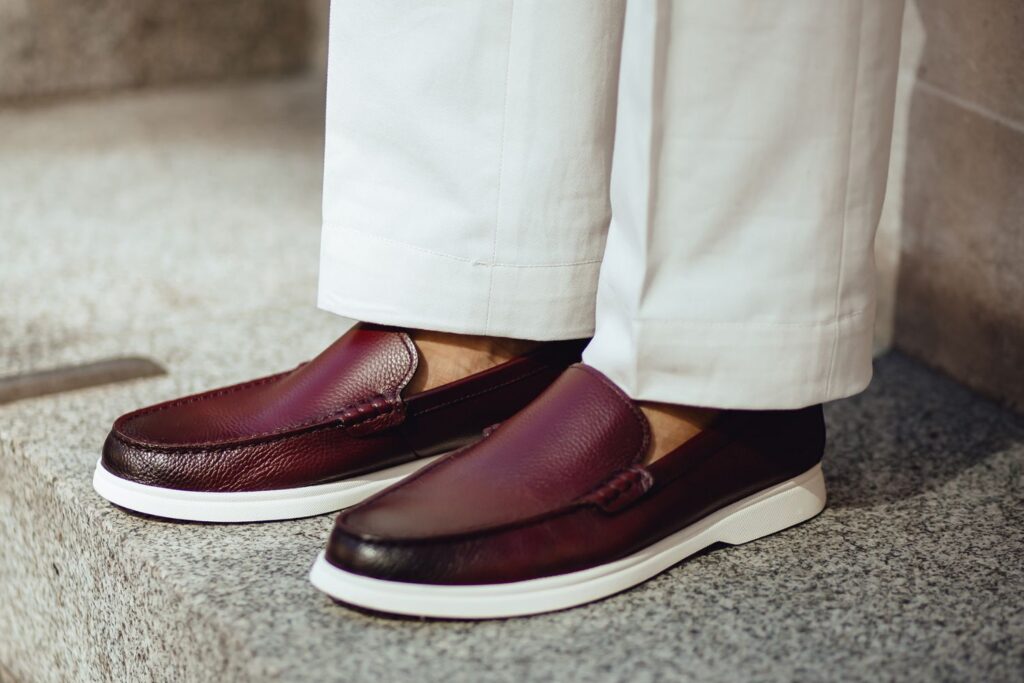
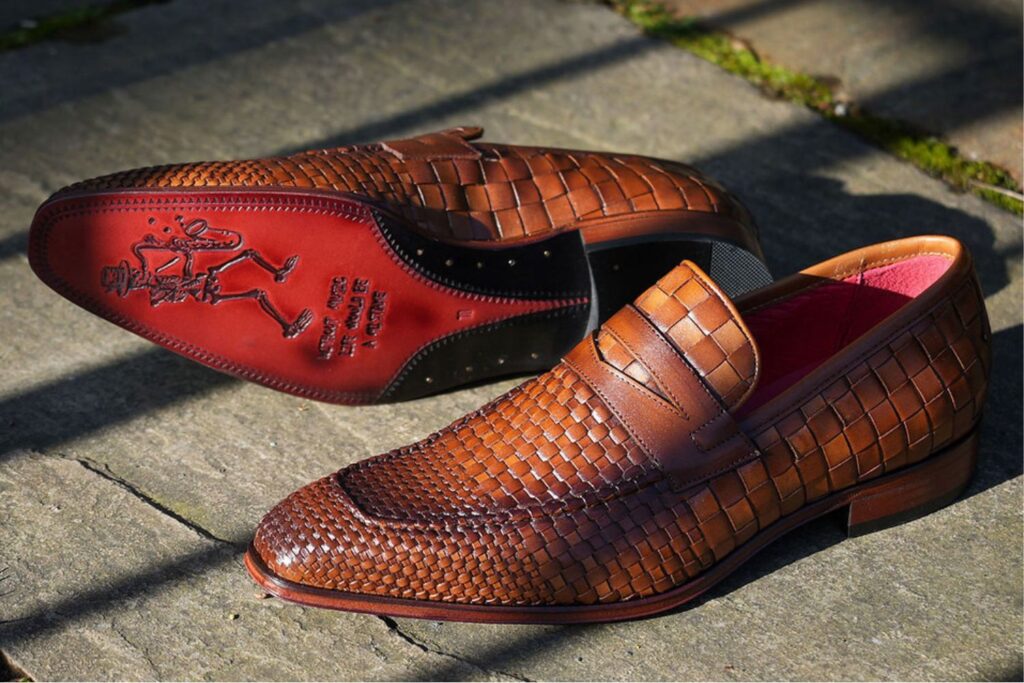
The loafer carries its own confidence, and the way to wear it is to own that quality rather than apologise for it. With a suit, tuck the trouser just above the shoe so the loafer is visible – it should be seen, not hidden. With chinos or tailored trousers, a turned-up hem or a clean break just above the shoe both work.
Sockless wearing – or with no-show socks in warmer months – is a strong look with the right trouser and setting. It belongs at a summer lunch, a relaxed occasion, a weekend in the country. It does not belong in a boardroom.
Both of our guides cover this in depth: How to Style Loafers for Men and The Men’s Guide to Wearing Loafers.
How to Wear Trainers
The clean trainer works when the rest of the outfit is doing something with it. A trainer with a good-cut chino and an open-collar shirt reads as deliberately casual – there is intention in it. The same trainer with ill-fitting jeans and a shapeless top simply looks underdressed.
Colour matters considerably more in trainers than in formal shoes. Our Men’s Trainers Colour Guide covers the full logic of what works with what.
The Brand Guide
John White
Made in Northampton, where serious British shoes have been made for centuries. John White represents exactly what this end of the market should deliver: last-quality construction, full-grain leathers, and a range that covers the wardrobe from Oxfords to Chelsea boots with quiet authority.
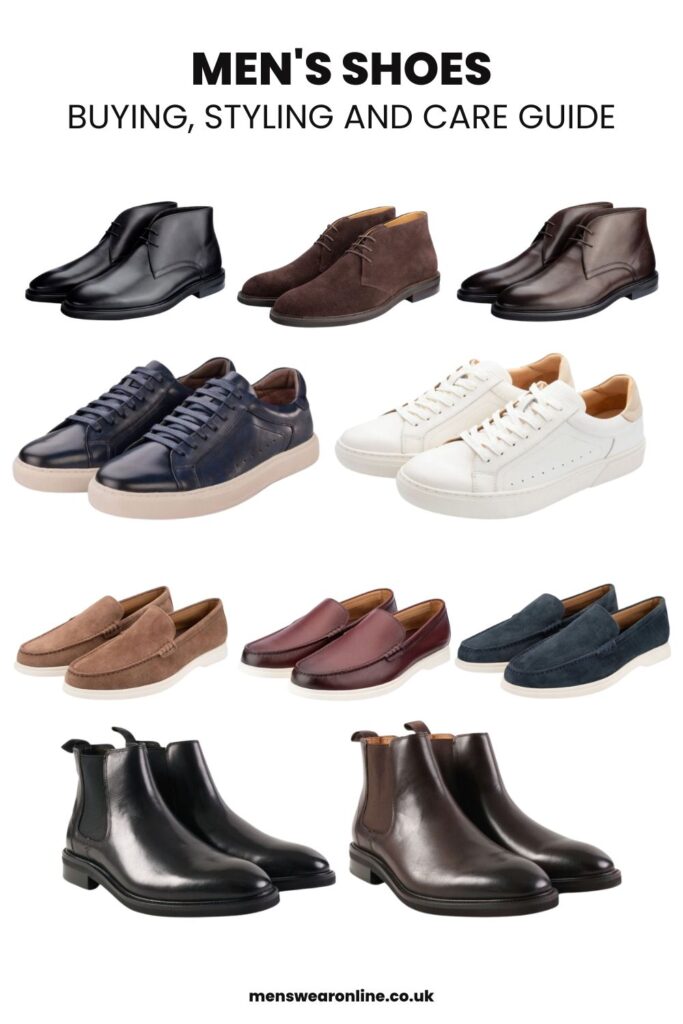
These are shoes built to last and improve with age. They represent the most direct argument available for buying quality once rather than cheap twice.
Barker
Another Northamptonshire house, with a heritage running back to 1880. Barker’s craftsmanship – Goodyear-welted construction, hand-finishing, premium leathers – produces shoes that the trade respects and the wearer appreciates over years of wear.
Their Goodyear-welted sole means the shoe can be resoled when the time comes, extending its working life indefinitely with proper care. This is the definition of a long-term investment.
For the full story: Mens Barker Shoes: A British Legacy of Craftsmanship & Care
Cheaney
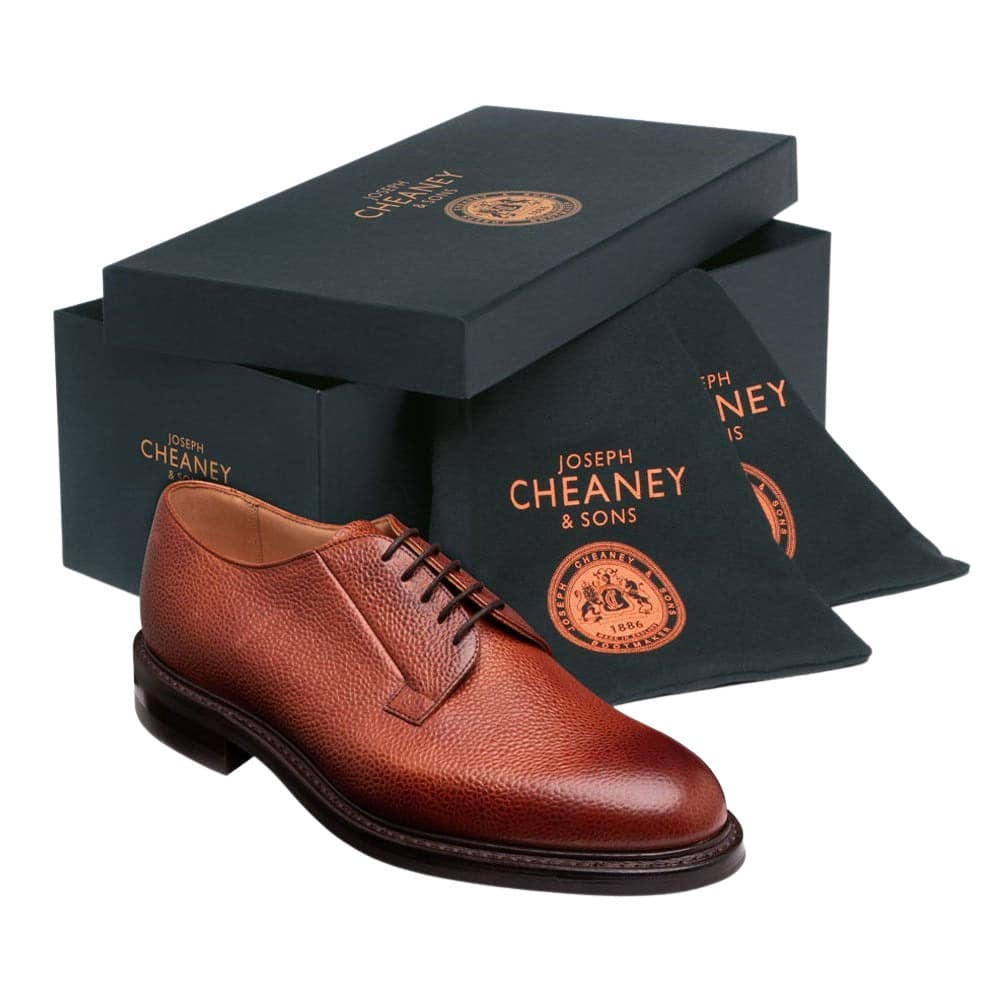
Founded in 1886, also in Northampton. Cheaney produces shoes that balance traditional British construction with a quietly contemporary aesthetic – shapes that sit well in a modern wardrobe without chasing fashion. Their range of Derbies and loafers in particular represents exceptional quality at the premium price point.
Jeffery West
For the man who wants something with more personality. Jeffery West’s shoes carry a strong aesthetic – theatrical in the best sense, with references to art, music, and subculture woven into the design. They are not for every wardrobe, but for the right wardrobe they are exceptional.
Swims
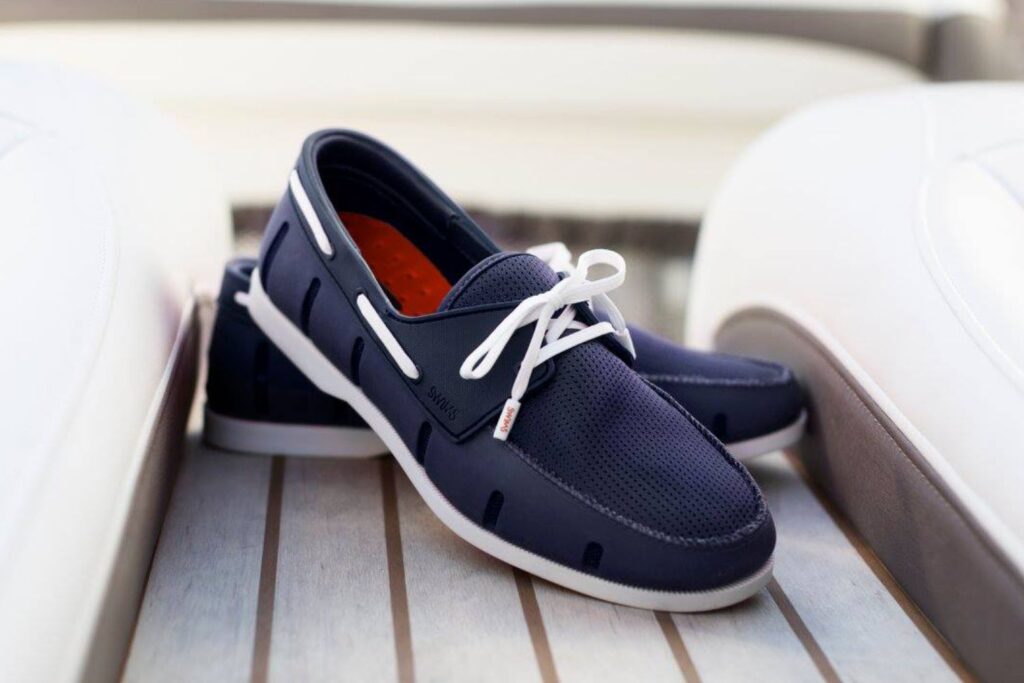
The practical answer to the British climate. Swims produces galoshes and overshoes that fit over your leather shoes, protecting a significant investment from rain and puddles without requiring you to compromise on what you wear to the office. No serious shoe wardrobe in the UK is complete without a solution for wet weather.
The brand guide - British shoes worth knowing
| Brand | Heritage | What makes them worth it | Best for | Key tags |
|---|---|---|---|---|
| John White Northampton | Centuries-old Northampton tradition. The benchmark for what this end of the market should deliver. | Last-quality construction, full-grain leathers, a range that covers the wardrobe from Oxfords to Chelsea boots with quiet authority. | The buyer who wants to purchase quality once and never revisit the decision. |
Full-grain leather
Oxfords to Chelsea boots
Buy once
|
| Barker Est. 1880 - Northampton | A Northamptonshire house since 1880. Respected by the trade and appreciated by the wearer over years of use. | Goodyear-welted construction allows resoling - extending the shoe's working life indefinitely. Hand-finishing and premium leathers throughout. | The long-term investor. A shoe that improves with care and can be maintained for decades. |
Goodyear-welted
Resoleable
Hand-finished
|
| Cheaney Est. 1886 - Northampton | Founded 1886. Traditional British construction balanced with a quietly contemporary aesthetic. | Shapes that sit well in a modern wardrobe without chasing fashion. Derbies and loafers represent exceptional quality at the premium price point. | The modern dresser who wants traditional craft without a heritage-heavy look. |
Contemporary aesthetic
Derbies and loafers
Premium quality
|
| Jeffery West Northampton | The personality-first option. Theatrical in the best sense - references to art, music, and subculture woven into the design. | Not for every wardrobe - but for the right one, exceptional. Strong aesthetic identity that makes a deliberate statement. | The man who wants his shoes to say something. Suits a wardrobe with character and confidence. |
Bold aesthetic
Art and subculture
Personality-first
|
| Swims Weather protection | The practical answer to the British climate. Not a dress shoe brand - a protection solution for dress shoes. | Galoshes and overshoes that fit over leather shoes, protecting a significant investment from rain without compromising what you wear to the office. | Any serious shoe wardrobe in the UK. Wet weather is not optional - neither is this. |
Wet weather
Overshoes
Leather protection
|
Care and Maintenance: How to Make Good Shoes Last a Lifetime
This section is not a footnote. It is, in many ways, the most important part of this guide.
The difference between a pair of shoes that lasts three years and a pair that lasts thirty is almost entirely in the care they receive. The shoes are often the same shoes. The habits are not.
The Shoe Tree: Non-Negotiable
Insert cedar shoe trees immediately after every wear. They absorb moisture, maintain the shape of the last, and prevent the creasing that eventually becomes cracking. A pair of quality cedar shoe trees costs a fraction of the shoes they protect and pays back that investment many times over.
Never store leather shoes without them.
The Rotation
Leather needs time to dry out between wears. Wearing the same pair of leather shoes every day accelerates deterioration significantly – the leather never fully recovers from the moisture absorbed during a full day’s wear.
A minimum rotation of two pairs is strongly recommended. Three is better. Rotate them, and each pair will last measurably longer.
Polish and Conditioning
Brush off dirt and dust before and after each wear using a horsehair brush. Apply a thin coat of good-quality shoe cream or wax polish – matching the colour of the leather – every two to three wears, or whenever the leather begins to look dry.
Polish in circular motions with a cloth or polishing brush, allow to dry, then buff to a finish with a clean horsehair brush. The shine that results from a properly applied and buffed cream polish is warmer and more attractive than any mirror shine.
Suede Care
Suede requires a different approach. Use a suede brush – brass or nylon bristles – to raise the nap and remove surface dirt. A suede eraser handles stubborn marks. Apply a suede protector spray before first wear and reapply periodically through the season.
Keep suede away from rain where possible. If suede does get wet, allow it to dry naturally and brush the nap back once dry. Never apply wax or cream polish to suede.
The Cobbler Relationship
A good cobbler is a valuable ally. Rubber toe and heel taps fitted before first wear protect the leather sole from the wear that occurs at the point of strike. Resoling extends the life of a Goodyear-welted shoe indefinitely. Reconditioning and professional polishing can restore a pair of neglected shoes to something approaching their original condition.
Find one. Use them.
For the full shoe care guide: Extend the Life of Your Shoes: The Essential Shoe Care Guide.
Care and maintenance - how to make good shoes last a lifetime
| Habit | Action | How to do it | What happens if you skip it |
|---|---|---|---|
| Shoe trees - non-negotiable | |||
| After every wear | Insert cedar shoe trees immediately | Push trees in right after removing shoes. They absorb moisture and hold the shape of the last. | Leather creases deeply, creasing becomes cracking. Shape is lost permanently over time. |
| Never | Store leather shoes without trees | Cedar trees cost a fraction of the shoes they protect - there is no justified reason to skip them. | Moisture stays trapped. Leather collapses inward. Shape gone within months of regular wear. |
| Rotation - let leather breathe | |||
| Minimum 2 pairs | Never wear the same pair on consecutive days | Rotate at least two pairs. Three is better. Each pair needs 24+ hours to fully dry between wears. | Leather never recovers from daily moisture. Deterioration accelerates significantly. |
| Polish and conditioning - smooth leather | |||
| Every wear | Brush off dirt and dust | Use a horsehair brush before and after each wear. Removes grit that cuts into the leather surface. | Surface dirt grinds into the leather, dulling and eventually damaging the finish. |
| Every 2-3 wears | Apply shoe cream or wax polish | Match polish colour to the leather. Apply thinly in circular motions with a cloth. Allow to dry, then buff with a clean horsehair brush. | Leather dries out, loses suppleness, and begins to crack. Colour fades unevenly. |
| Suede care - different rules apply | |||
| Regular | Brush with a suede brush to raise the nap | Use brass or nylon bristles. Brush in one direction to lift the nap and remove surface dirt. Use a suede eraser on stubborn marks. | Nap flattens permanently. Surface dirt becomes ingrained. Suede looks worn and matted. |
| Before first wear | Apply suede protector spray | Spray evenly before first wear. Reapply periodically through the season. If suede gets wet, dry naturally then re-brush. | Unprotected suede stains instantly in wet weather. Stains are very difficult to reverse. |
| Never | Apply wax or cream polish to suede | Suede is not smooth leather. Polish clogs the nap and ruins the texture permanently. | Nap is destroyed. The suede finish cannot be recovered once polish has been applied. |
| The cobbler - your long-term ally | |||
| Before first wear | Fit rubber toe and heel taps | A cobbler fits small rubber taps to the strike points of the sole. A cheap first visit that protects the leather sole from the outset. | Leather soles wear through at the toe and heel first - the most expensive area to repair. |
| When needed | Resole Goodyear-welted shoes | A cobbler removes the old sole and stitches a new one to the welt. The upper remains untouched. | A worn-through sole that isn't resoled allows water in and damages the insole and upper irreversibly. |
| Periodically | Professional reconditioning | A cobbler can restore neglected shoes through deep cleaning, conditioning, and professional polishing. | Neglected shoes deteriorate past the point of restoration. A cobbler cannot fix what time and dryness have destroyed. |
The Investment Argument
A pair of John White or Barker shoes, bought at the premium end of the market and cared for properly, will cost more to buy than a high-street equivalent. They will also outlast three or four high-street pairs, look better throughout, improve with age in a way that cheaper leather cannot, and can be resoled rather than replaced when the sole wears through.
The economics are clear. The aesthetics are clearer still.
A well-maintained pair of Goodyear-welted Oxfords in dark tan leather develops a patina over years of wear that cannot be replicated and cannot be bought. It can only be earned. That quality – the look of a shoe that has been lived in and cared for – is the kind of detail that distinguishes a man who dresses from a man with taste.
Buy once. Care for them. Keep them for life.
FAQS: men’s shoes
Start with five styles: an Oxford, a Derby, a Chelsea boot, a loafer, and a clean trainer. One excellent pair in each style will cover every occasion. Within that five, the most versatile single purchase is a dark brown or tan Derby – it works across more outfits and more occasions than almost any other shoe.
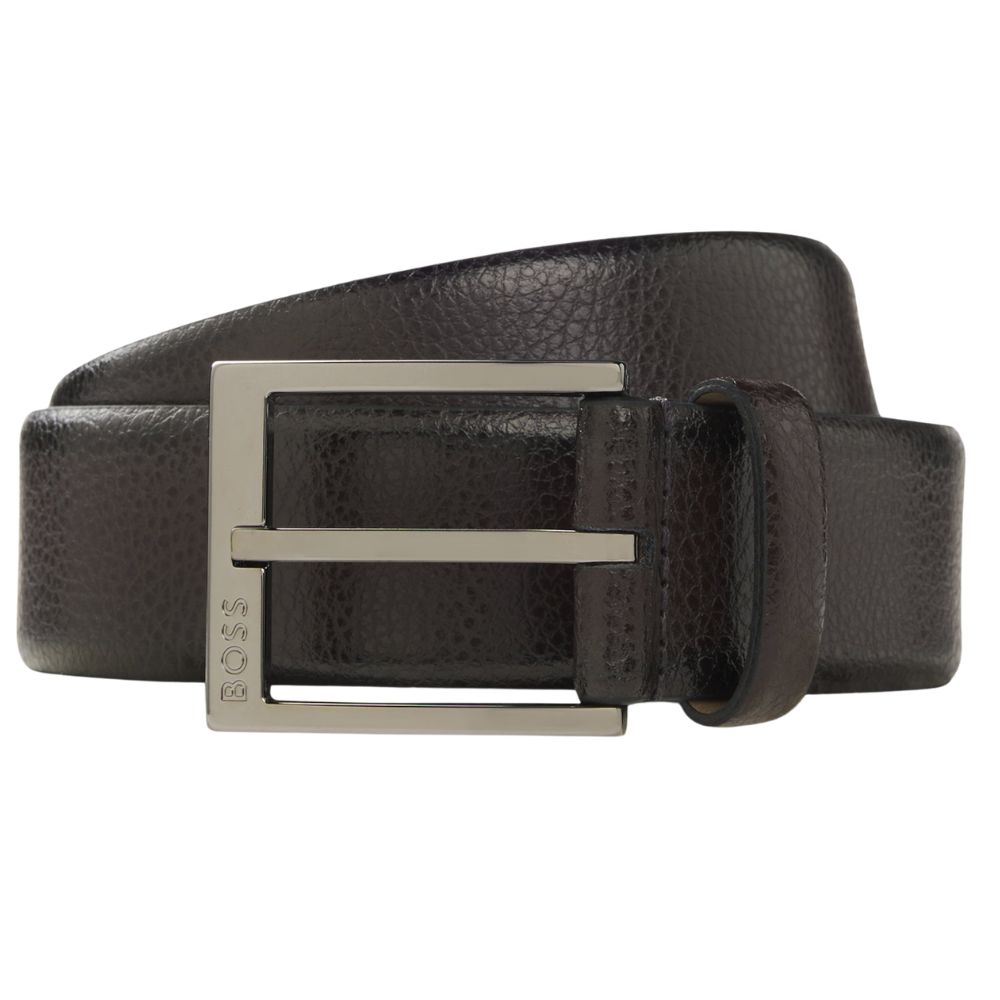
Yes. Belt and shoes should match in both tone and finish. Brown shoes with a brown or tan belt; black shoes with a black belt. The width of the belt should also suit the formality of the shoe – a slim dress belt with Oxford shoes, a slightly heavier belt with Derby or Chelsea boots in a smart casual context.
The lacing. An Oxford has a closed lacing system – the quarters are stitched under the vamp – giving it a cleaner, more formal line. A Derby has an open lacing system, making it slightly less formal and generally a better fit for wider feet. Both are appropriate for business and occasion dressing; the Oxford edges toward the formal end of the range.
Use cedar shoe trees after every wear. Brush off surface dirt with a horsehair brush. Apply shoe cream or wax polish every two to three wears and buff to a finish. Rotate between at least two pairs to allow the leather to dry fully between wears. Visit a cobbler for resoling and any specialist work. The full routine is covered in our shoe care guide.
Yes – and in the right circumstances it is an excellent combination. A leather loafer in dark tan or burgundy with a navy or mid-grey suit reads as confident and considered rather than underdressed. Avoid loafers with very formal suits or in formal business environments where Oxfords are the clear expectation. In smart casual territory, the loafer is often the best choice.
At the smart casual end, yes – with the right trainer. A clean, minimal leather or suede trainer in white, off-white, or a single muted tone works with chinos, tailored trousers, and casual blazers. Technical or running trainers do not. The distinction is in the silhouette and the restraint of the design, not the brand name on the side.
With proper care, a quality pair of Goodyear-welted shoes should not need replacing – they need resoling. A well-made shoe from John White, Barker, or Cheaney, maintained correctly, will last twenty years or more. The question should not be when to replace them, but how to care for them well enough that replacement never becomes necessary.
For quality, heritage, and long-term value: John White, Barker, and Cheaney are the three names to know. All three are made in Northampton, all three use Goodyear-welted construction, and all three produce shoes that improve with age. Jeffery West offers a stronger aesthetic identity for a more distinctive wardrobe. Swims solves the practical problem of the British climate without compromising your leather shoes.
a few final words
Shoes are the foundation of the outfit in the most literal sense. They are what connects a man to the ground, and they are what grounds his dressing in the eyes of anyone paying attention.
The men who dress best are, almost without exception, the men who have thought about their shoes – who buy quality, rotate properly, and care for what they own. It is not an expensive habit. It is a considered one.
Start with five styles. Buy the best you can in each. Maintain them properly. And recognise that a pair of well-cared-for Barker Oxfords or John White Chelseas, worn with confidence and kept in condition, will do more for how you look and how you feel than a wardrobe full of replaceable alternatives.
The shoe wardrobe, done properly, is one of the best investments in dressing a man can make.
explore more articles
Currently studying Marketing. I love spending time reading books, savouring coffee, and exploring new places.


No Comments