
Dressing for Success: What Should Men Wear for a Job Interview by Industry

Your interview outfit is the first thing your interviewer will notice – formed silently, before you’ve said a single word. The way you dress signals your professionalism, your understanding of the industry, and your respect for the opportunity. Get it right and it removes one variable from a high-stakes situation. Get it wrong and you’re already working to recover ground.

This guide covers what to wear to a job interview across every major industry and dress code – with specific outfit breakdowns, product recommendations from BOSSEtonCanali and more, and links to every relevant product category.

Quick answer — what to wear to a job interview by industry

Industry / role type What to wear
Finance, law, banking Dark suit, plain dress shirt, tie, Oxford shoes
Business professional (consulting, PR, teaching) Suit, subtle pattern shirt, optional tie, brogues
Creative (design, media, advertising) Smart separates — blazer + chinos, quality shirt, loafers
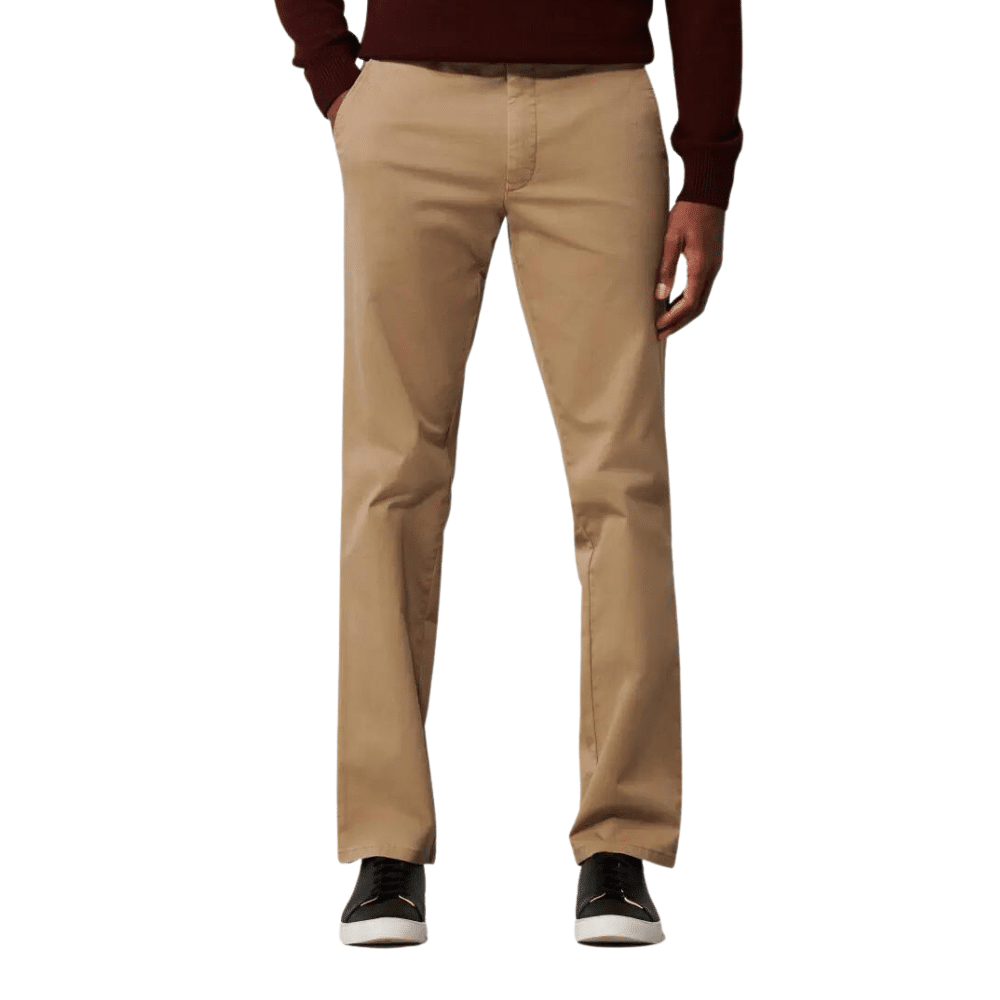
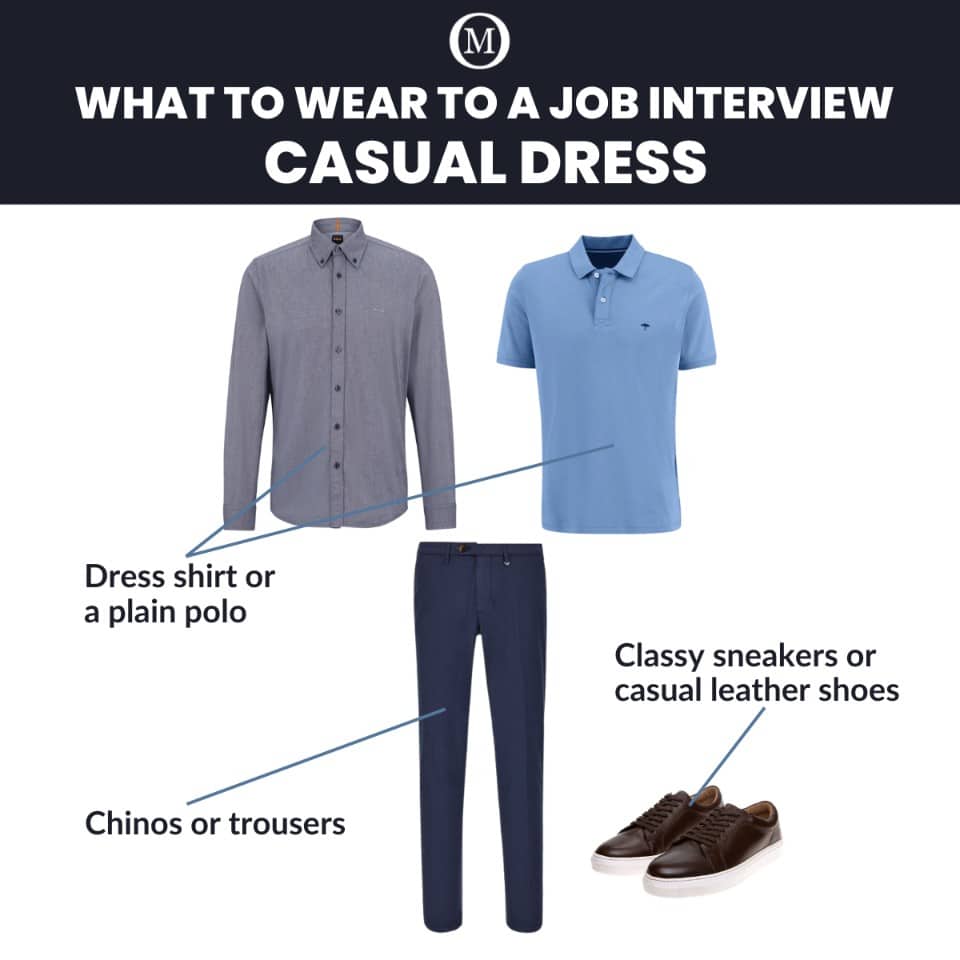
Casual office / tech / startup Smart chinos + shirt or smart knitwear, no tie required
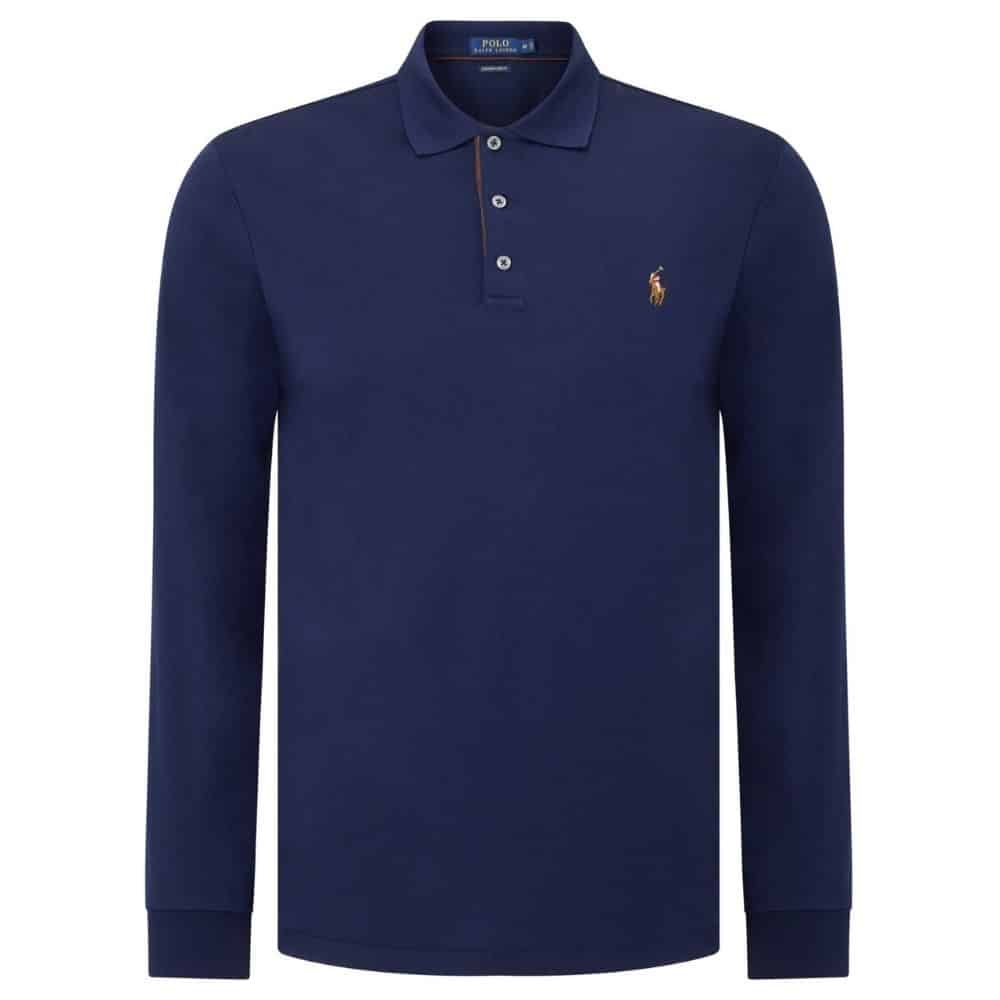
Skills / trade interview Clean, smart-casual — chinos, polo or smart shirt, neat footwear

The golden rule

When choosing your interview outfit, always dress

One step above

the company's usual dress code. If they're business casual day-to-day, wear business professional. If they're casual, wear smart casual. Overdressing slightly signals commitment and seriousness. You can always dress down later — you can't undo a poor first impression.

How to research the dress code before your interview

Before choosing your outfit, take 15 minutes to research the company. Check their website, LinkedIn page, Instagram or any team photos you can find – look at what the employees are wearing in their office environment. If you know someone who works there or has interviewed there recently, ask them directly.

A well-researched outfit choice signals that you’ve taken the role seriously enough to prepare. It’s a small thing that communicates a great deal.

what to wear to a job interview male casual

Interview outfit guide by industry
The categories discussed below are:

– Strict business dress

– Business professional

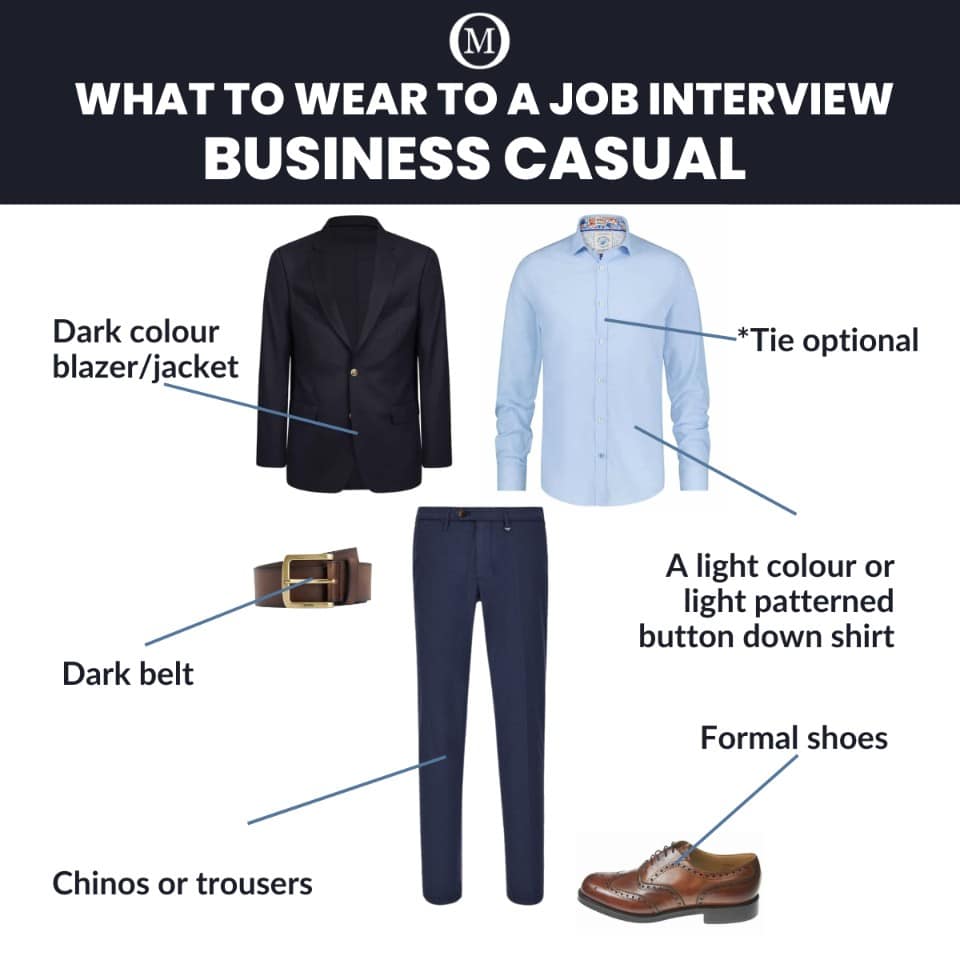
– Business casual

– Casual

– Clothes for a skills interview

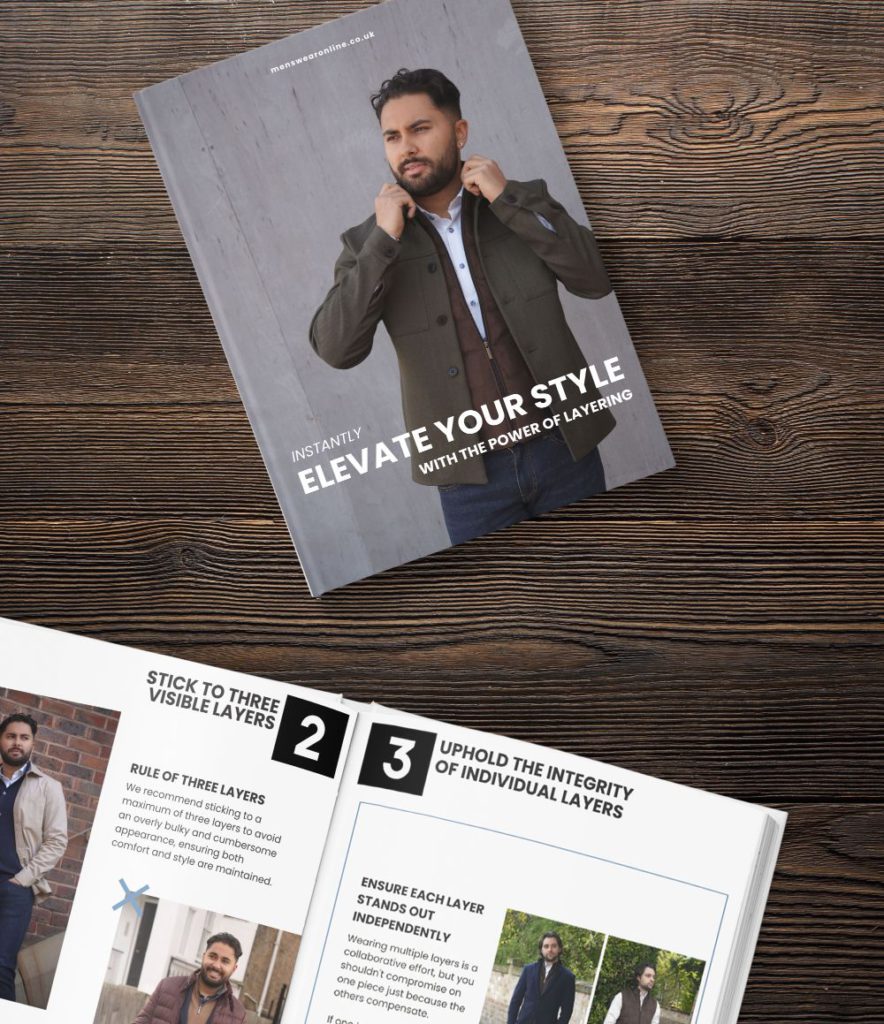
instantly
elevate your style

with the power of layering

Have you ever looked at someone and thought:
“Wow! Their outfit just WORKS!” That’s the power of layering for you.

In this FREE E-book we’ll teach you the skill of layering with a few simple rules and give you lots of examples for inspiration. 

*by signing up you agree to our terms & privacy policy

elevate your style effortlessly with the power of layering

City, finance and law — strict business dress

Industries: Investment banking, law firms, accountancy, executive roles, high-level political positions.

This is the most formal end of the spectrum, and there is very little room for interpretation. Interviewers in these industries are assessing your attention to detail and your ability to represent the firm – your clothing is part of that assessment from the moment you walk in. Conservative, immaculate, and well-tailored is the only brief.

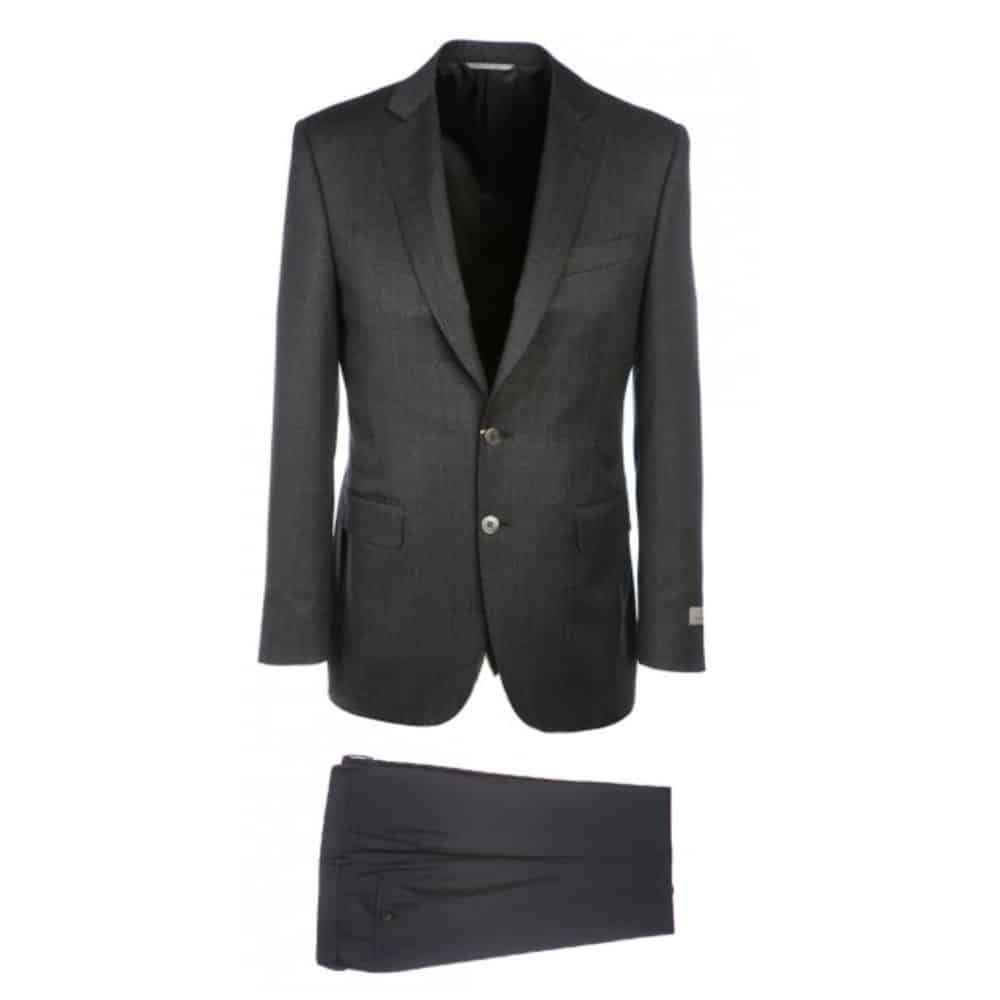
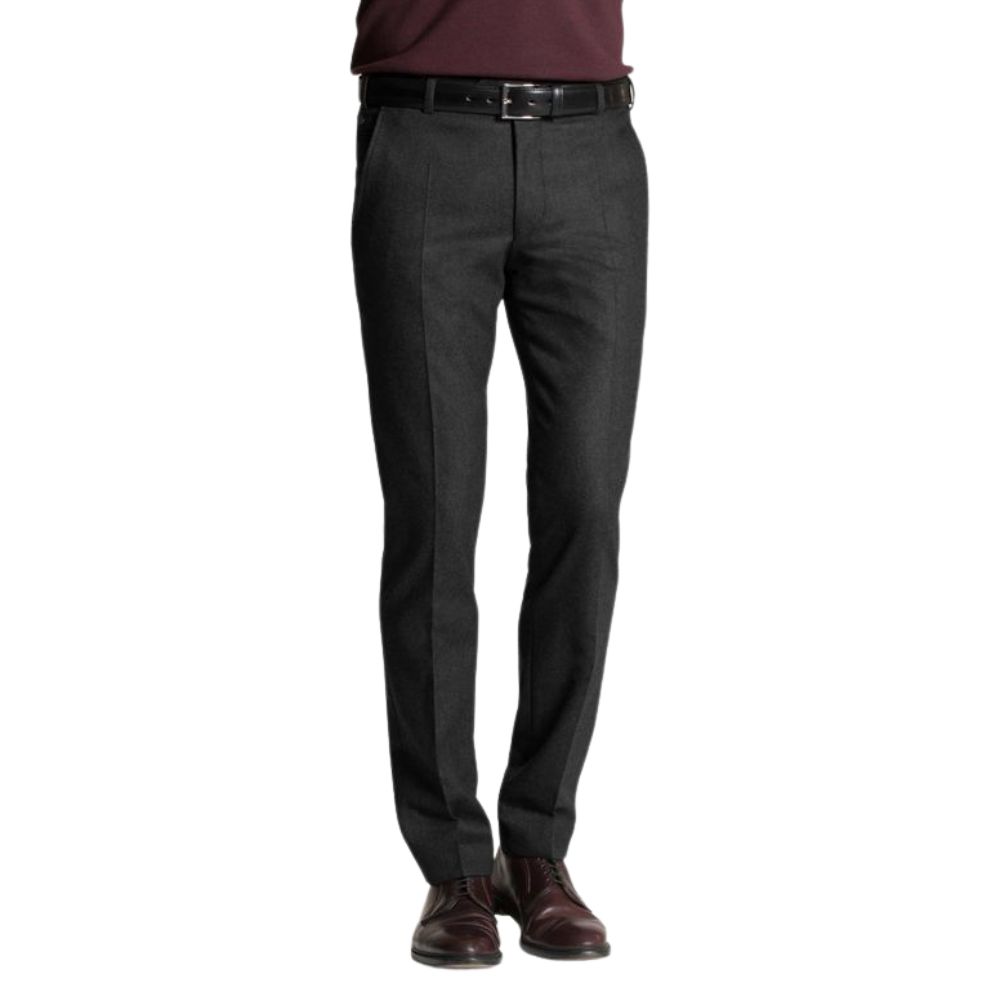
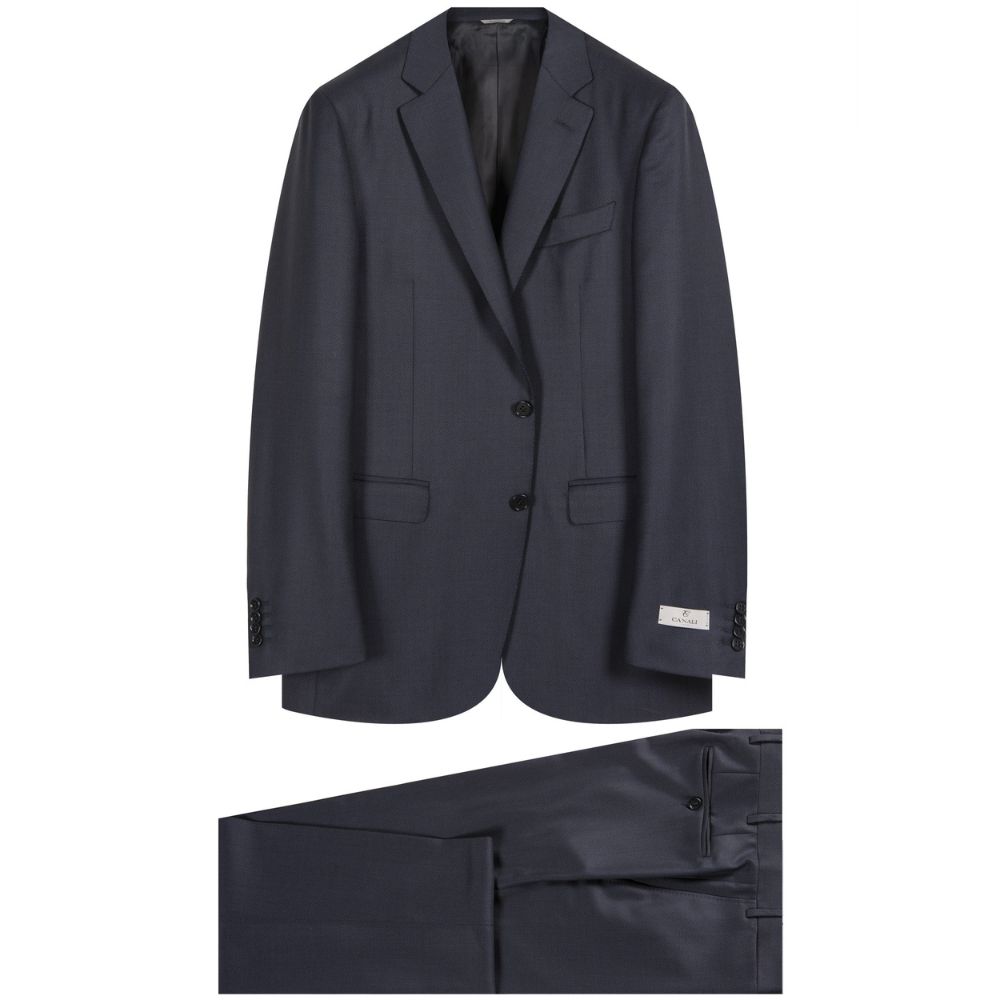
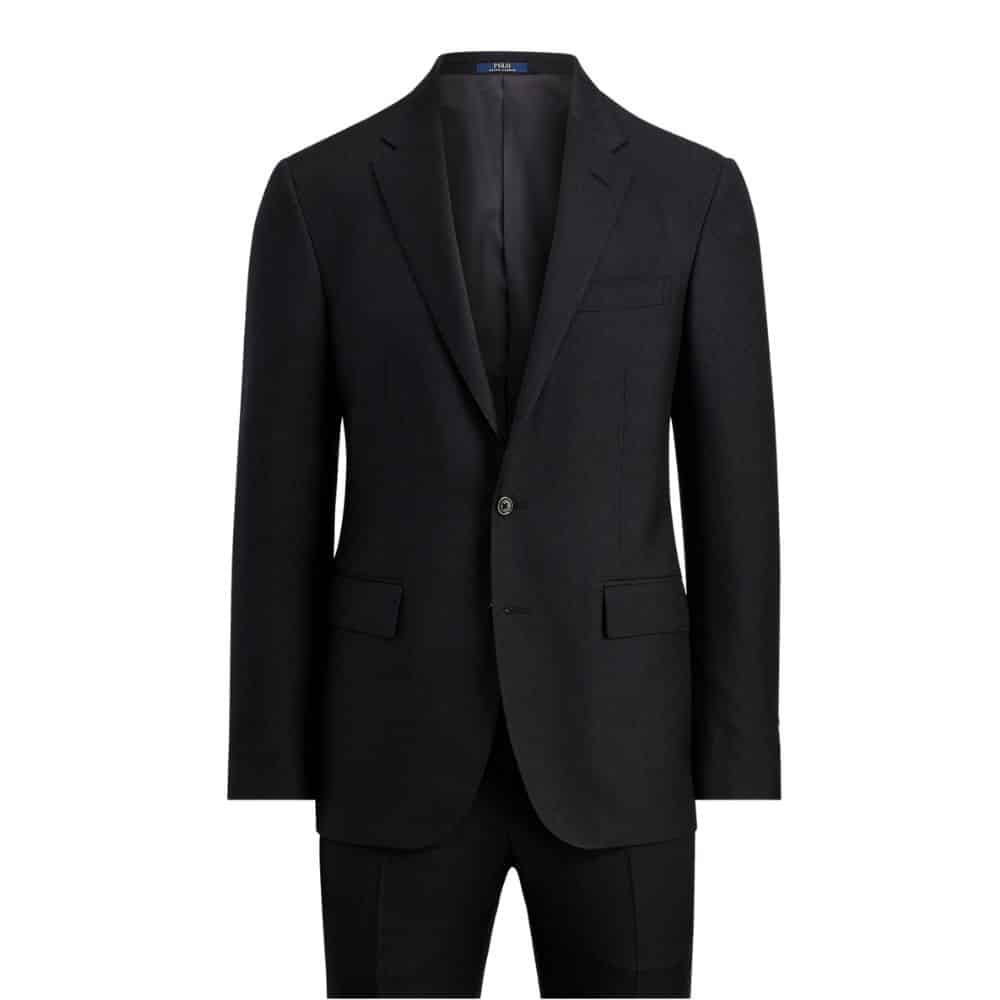
Wear a dark suit – navy or charcoal grey, single-breasted, ideally in a plain wool or wool-blend fabric. Have it properly tailored if at all possible; an off-the-rack suit that fits well beats a bespoke suit that doesn’t. A plain white or pale blue dress shirt with a point or spread collar, no patterns. A silk tie in a conservative colour – dark navy, burgundy or a restrained stripe. Oxford or Derby shoes in black or dark brown, polished. Dark socks that match the trousers. No pocket square unless it’s a plain white linen one, folded flat.

  • Dark navy or charcoal suit – no patterns
  • Plain white or pale blue shirt – point or spread collar
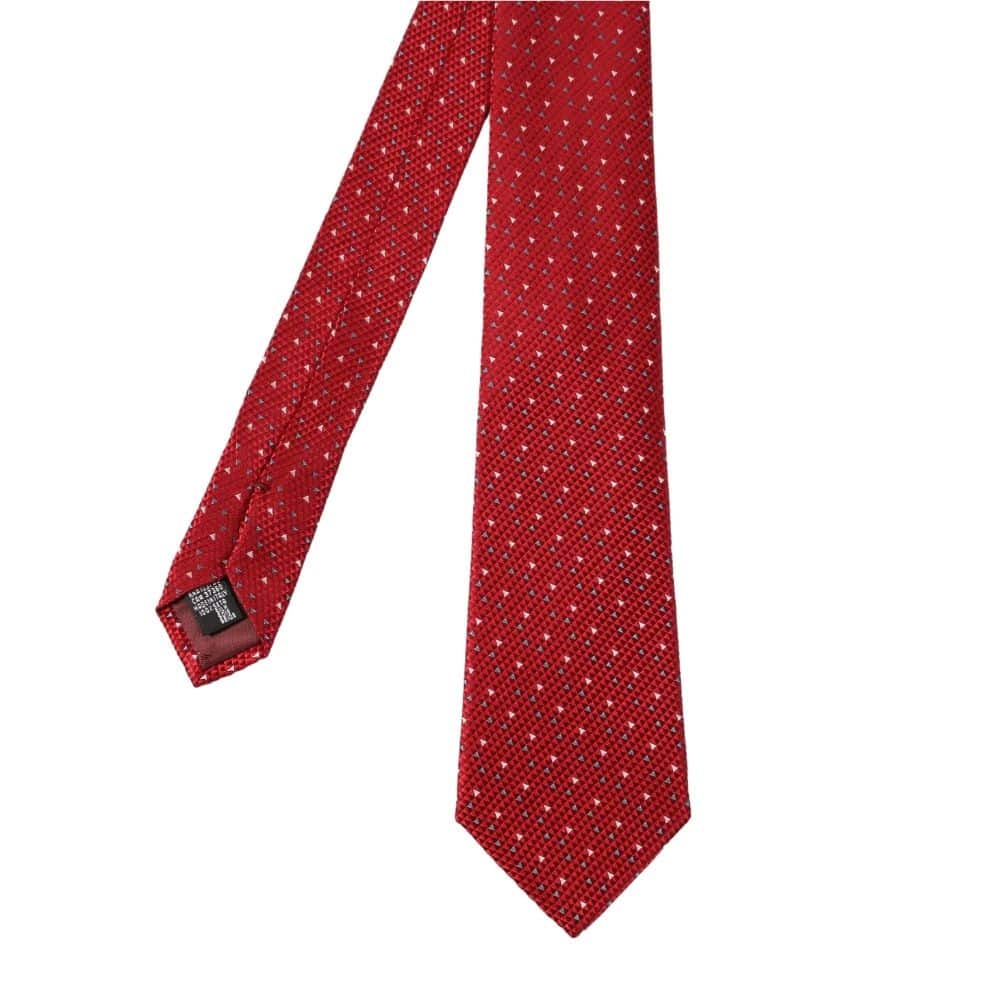
  • Conservative silk tie – navy, burgundy or subtle stripe
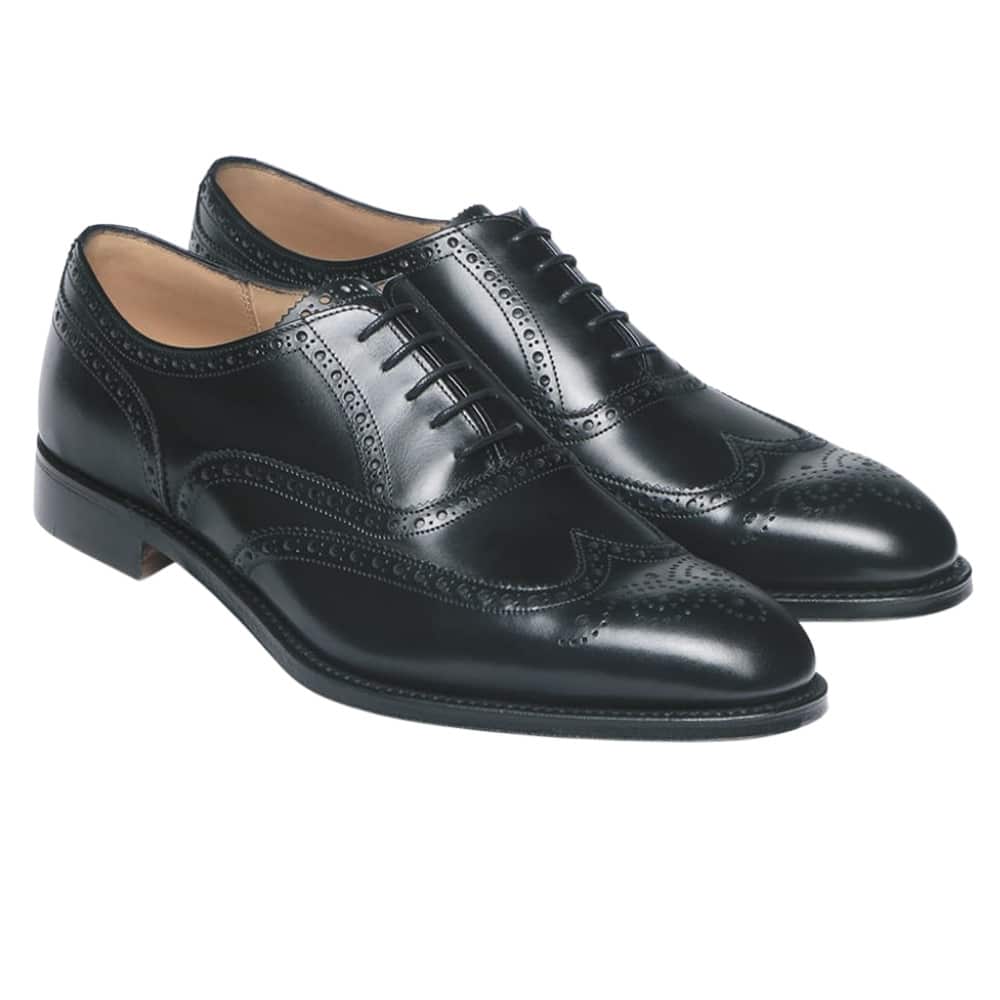
  • Black Oxford shoes, polished
  • Dark socks matching the trouser leg
  • Plain white pocket square (optional)
autumn/winter

Overcoats work seamlessly for this scenario.

Spring/Summer

Switch to a lightweight wool or linen-blend suit.

Business professional — consulting, PR, teaching, managerial roles

Industries: Business consulting, PR and advertising, teaching and academia, white-collar office roles, less formal banking and law.

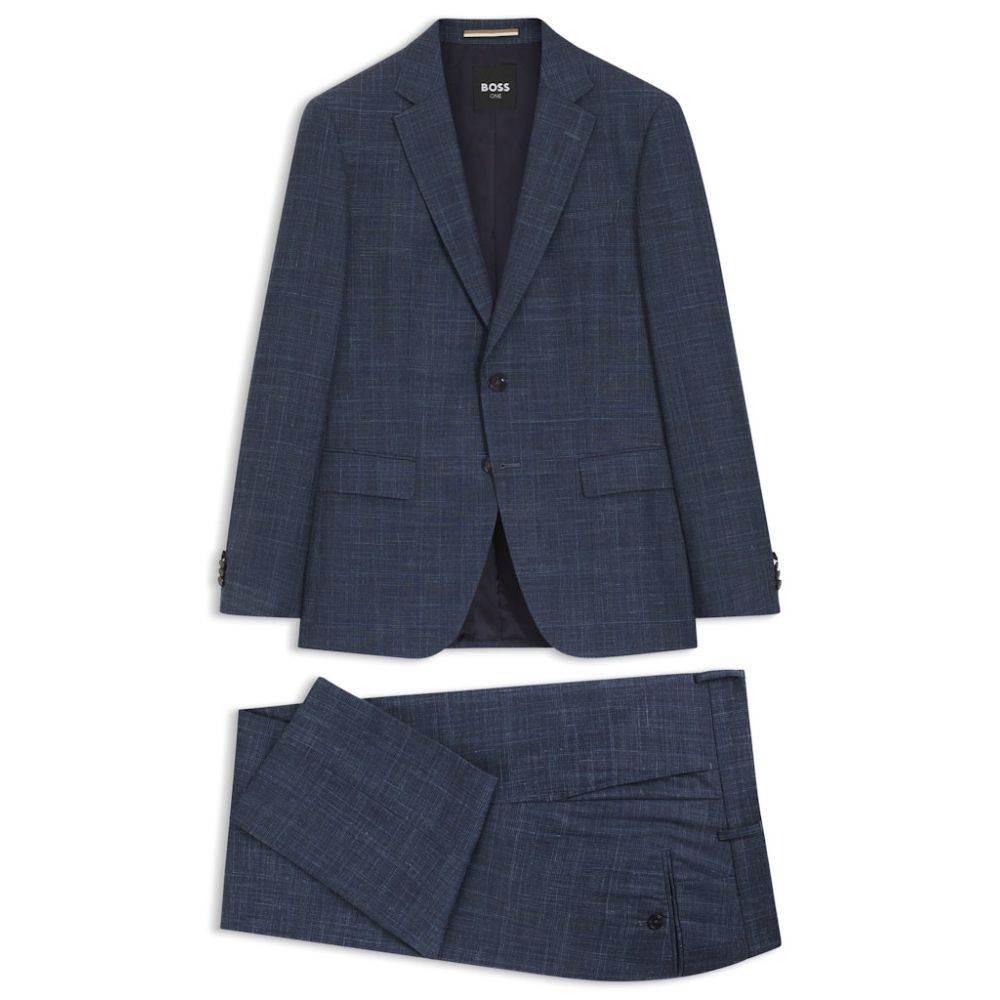
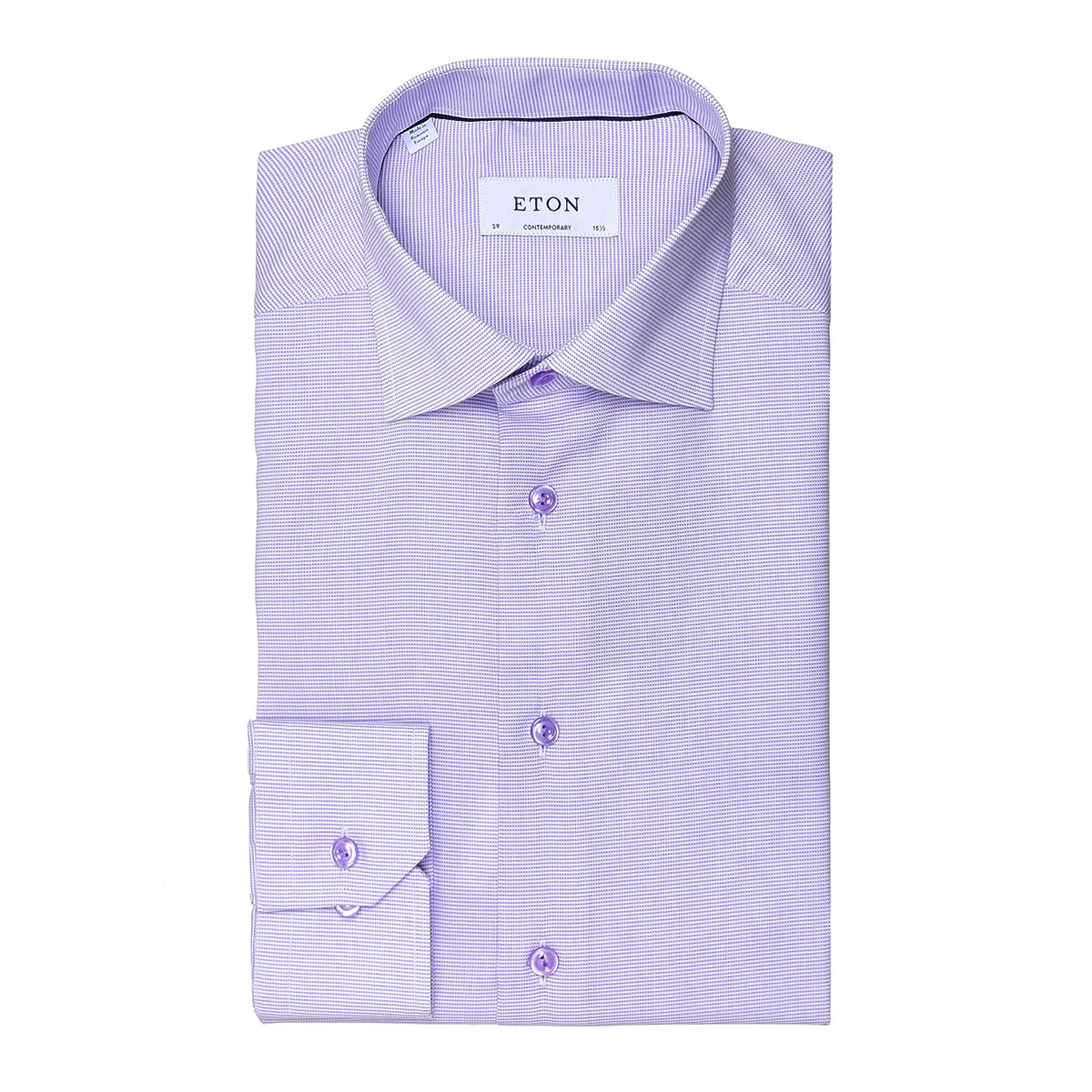
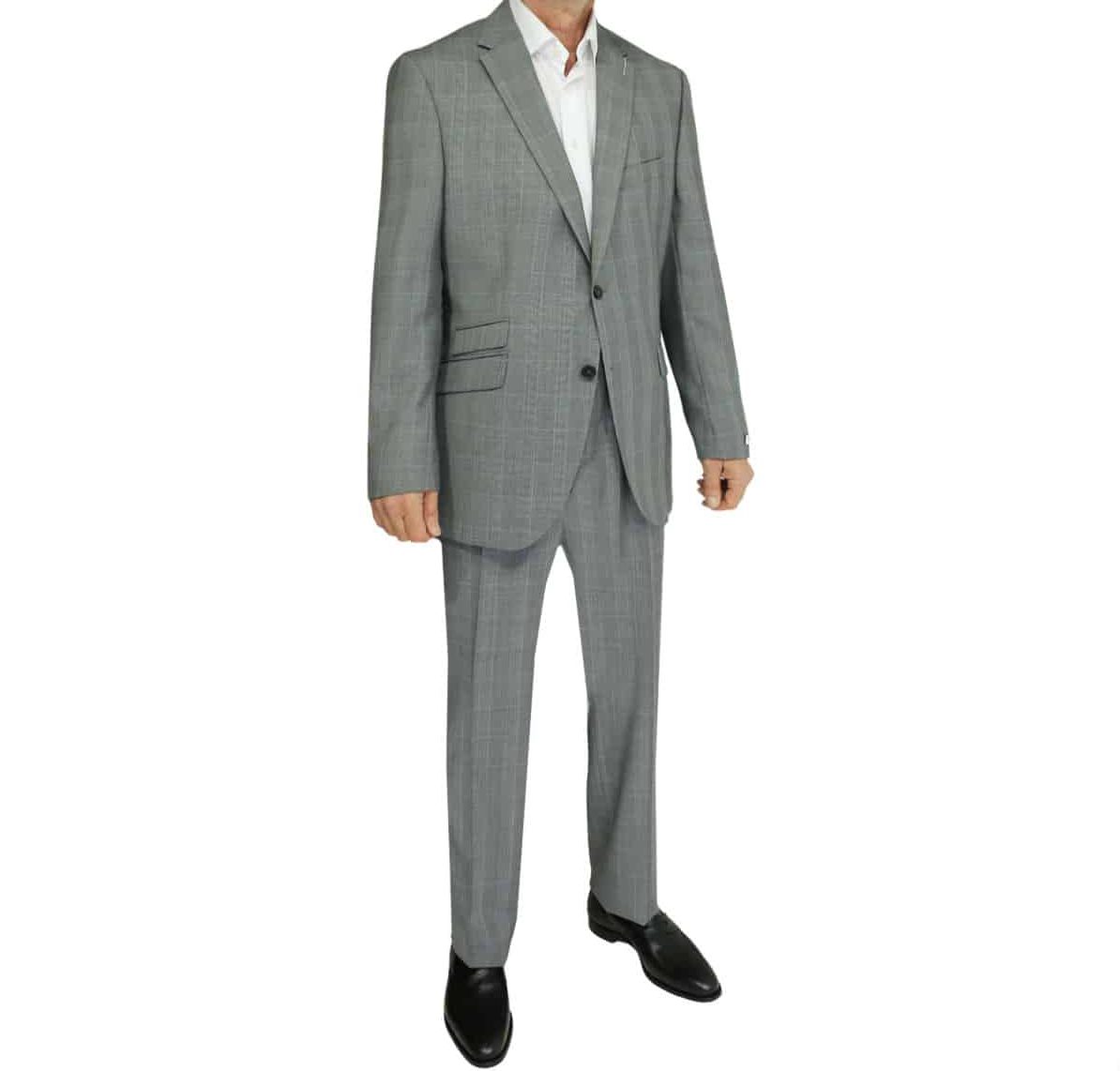
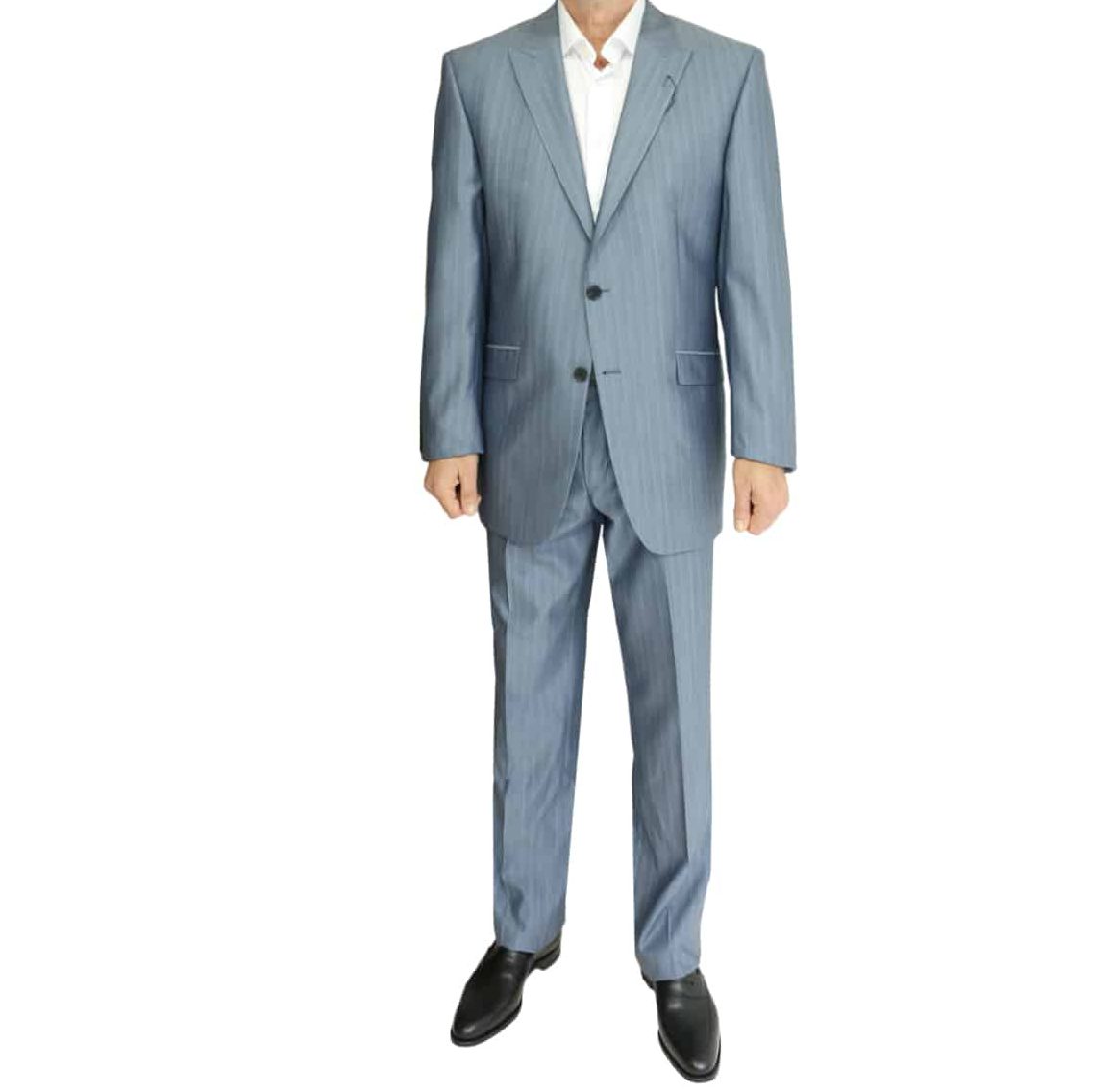
Business professional retains the structure and formality of a suit but allows for slightly more personal expression. A suit is still the right choice here – navy or charcoal grey – but a subtle texture or fine pattern (windowpane, herringbone, fine pinstripe) adds character without crossing into casual. The shirt can carry a quiet pattern: a fine stripe or small check in a pale colour works well alongside a plain suit.

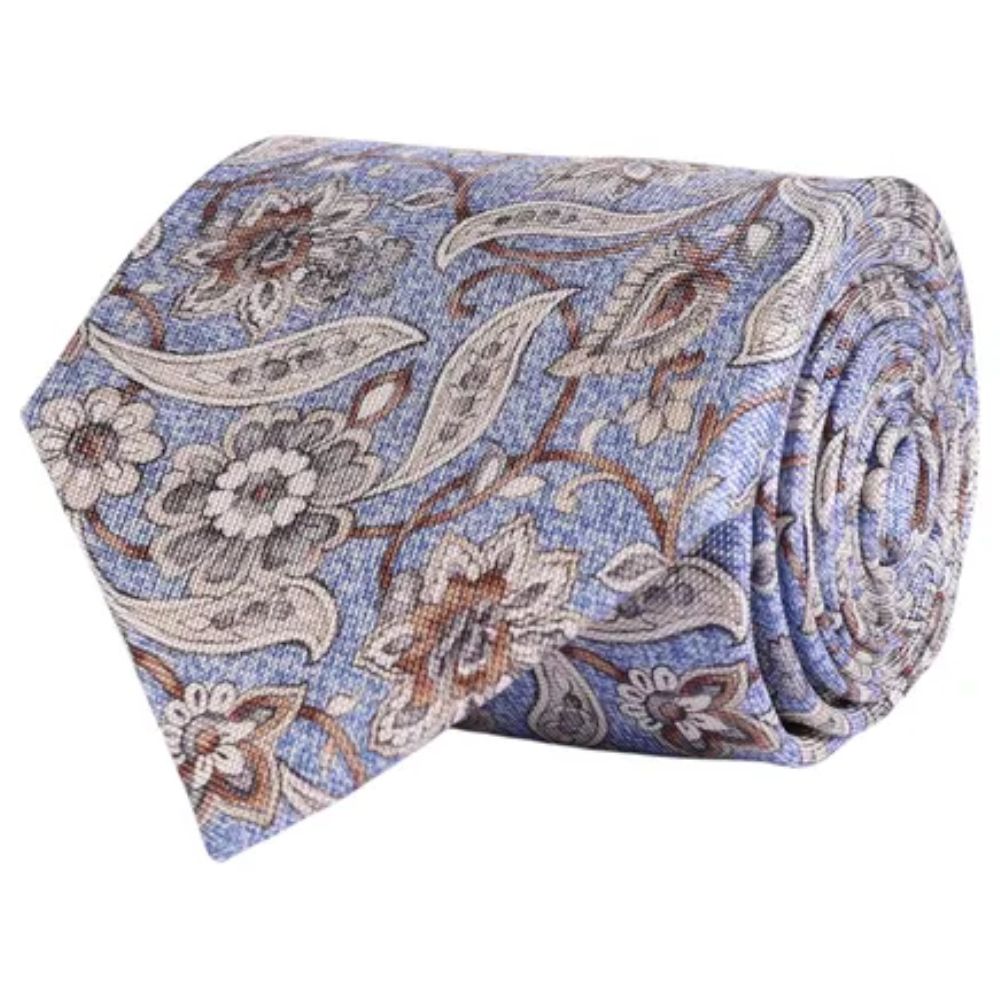
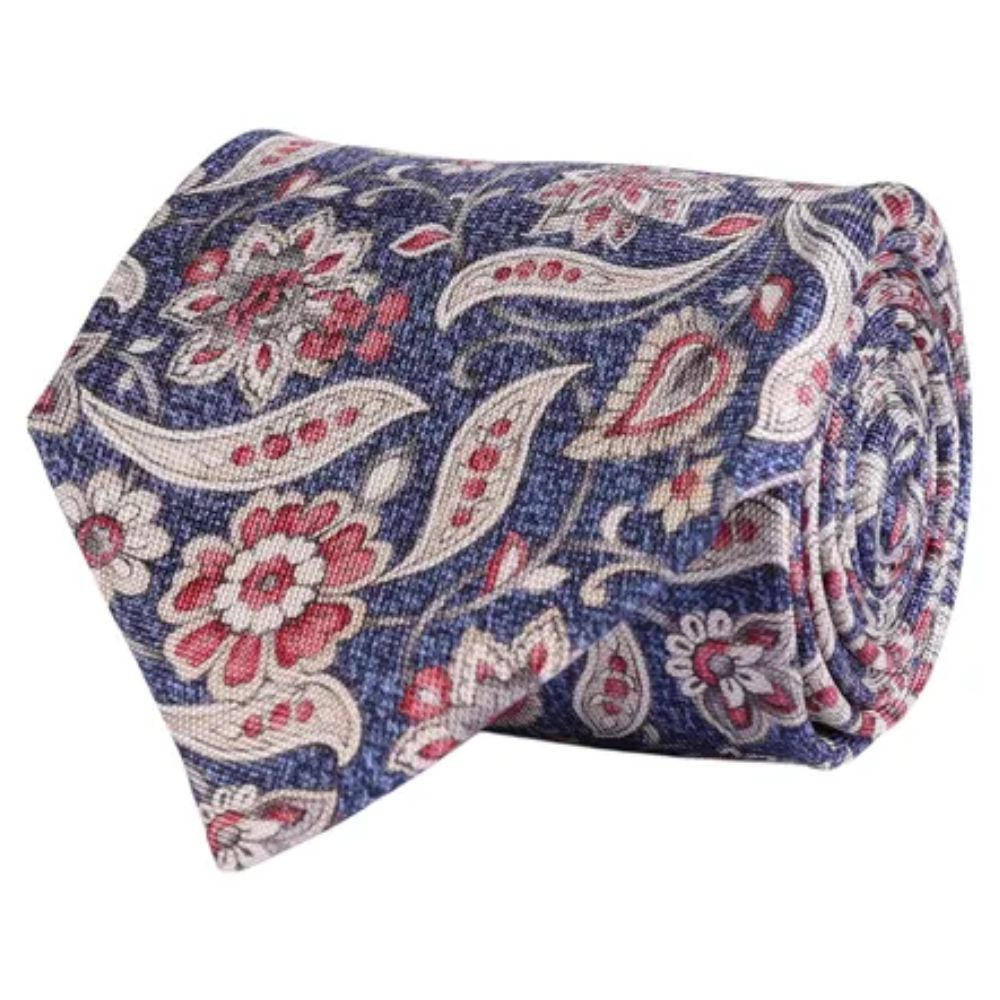
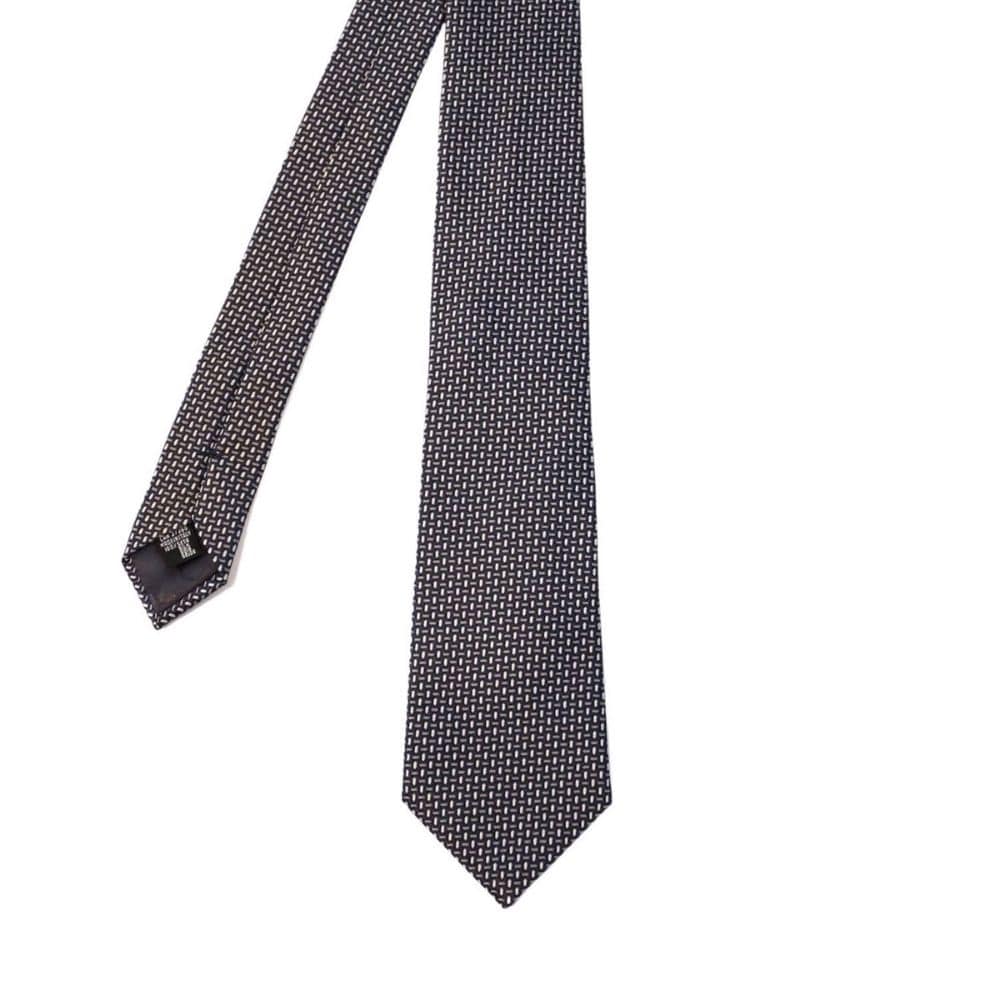
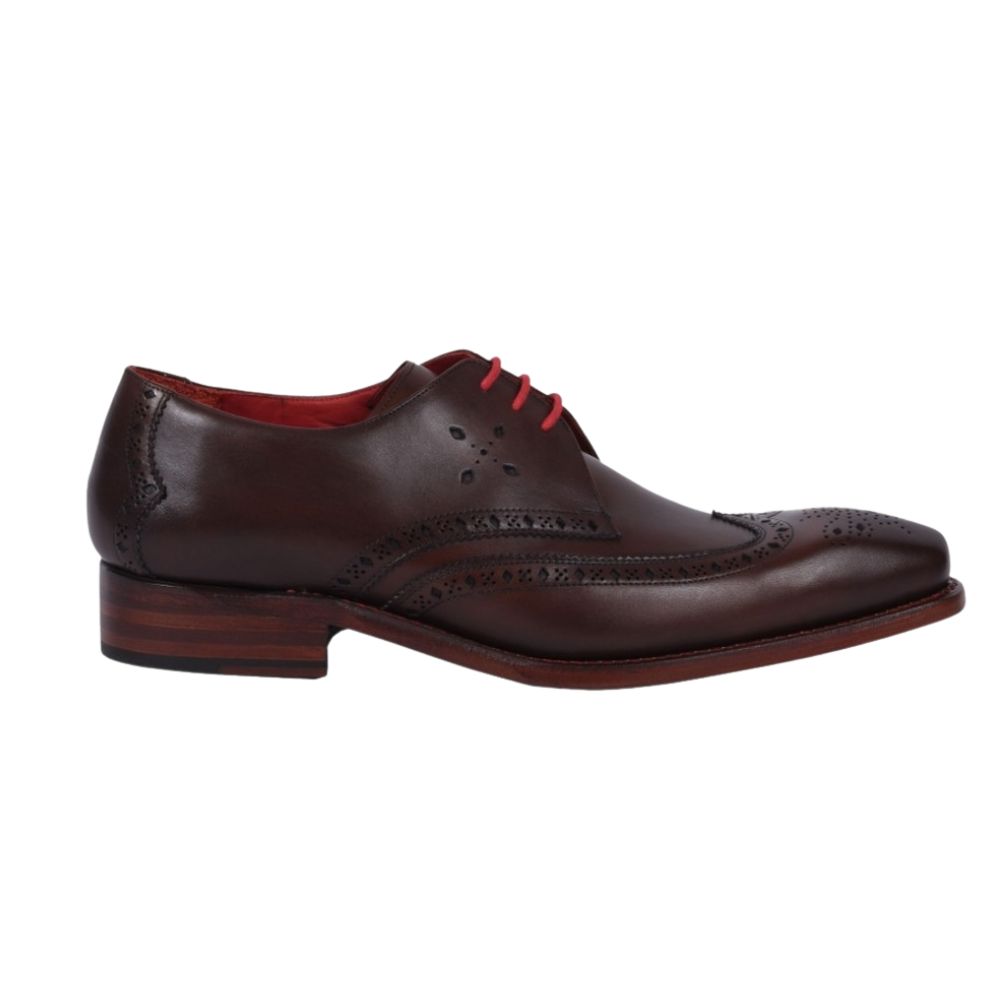
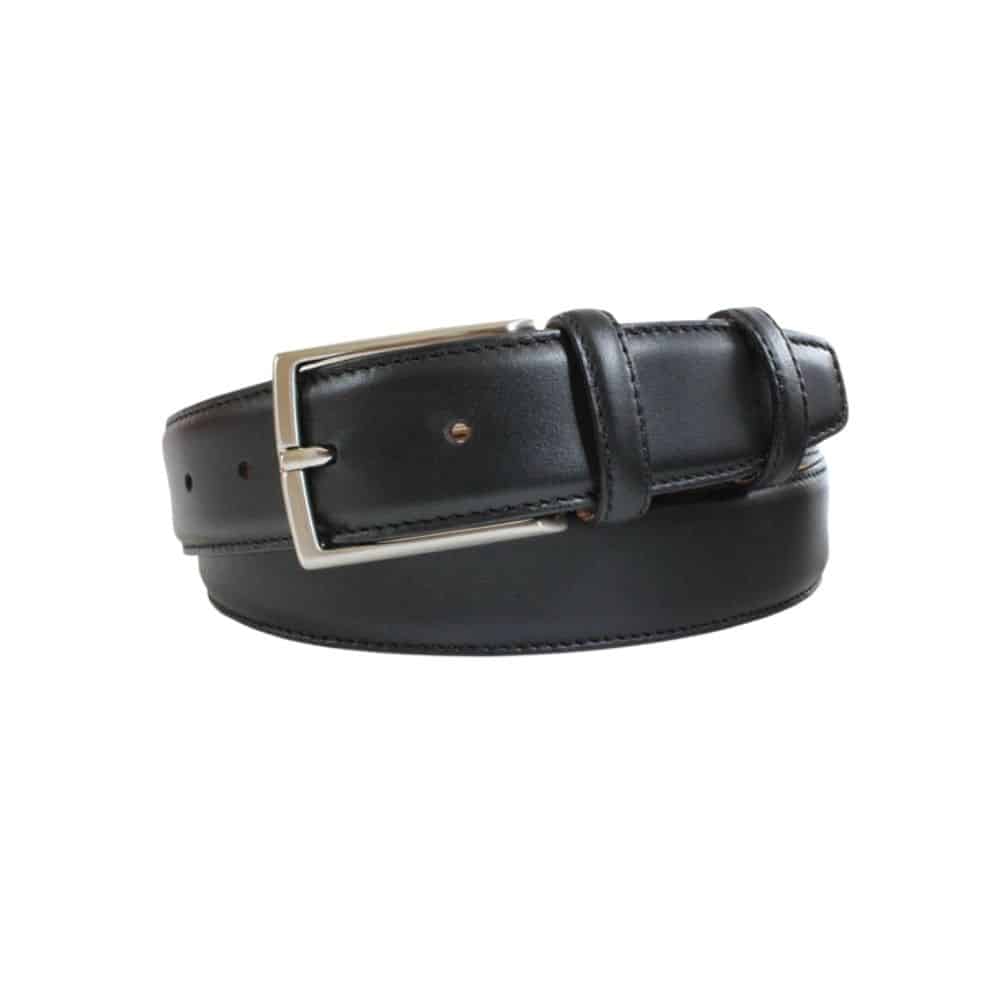
patterned tie is acceptable – avoid anything too bold. A dark leather belt that matches your shoe colour completes a polished look. A pocket square adds a finishing touch. Brogues are appropriate here – they add personality without sacrificing formality.

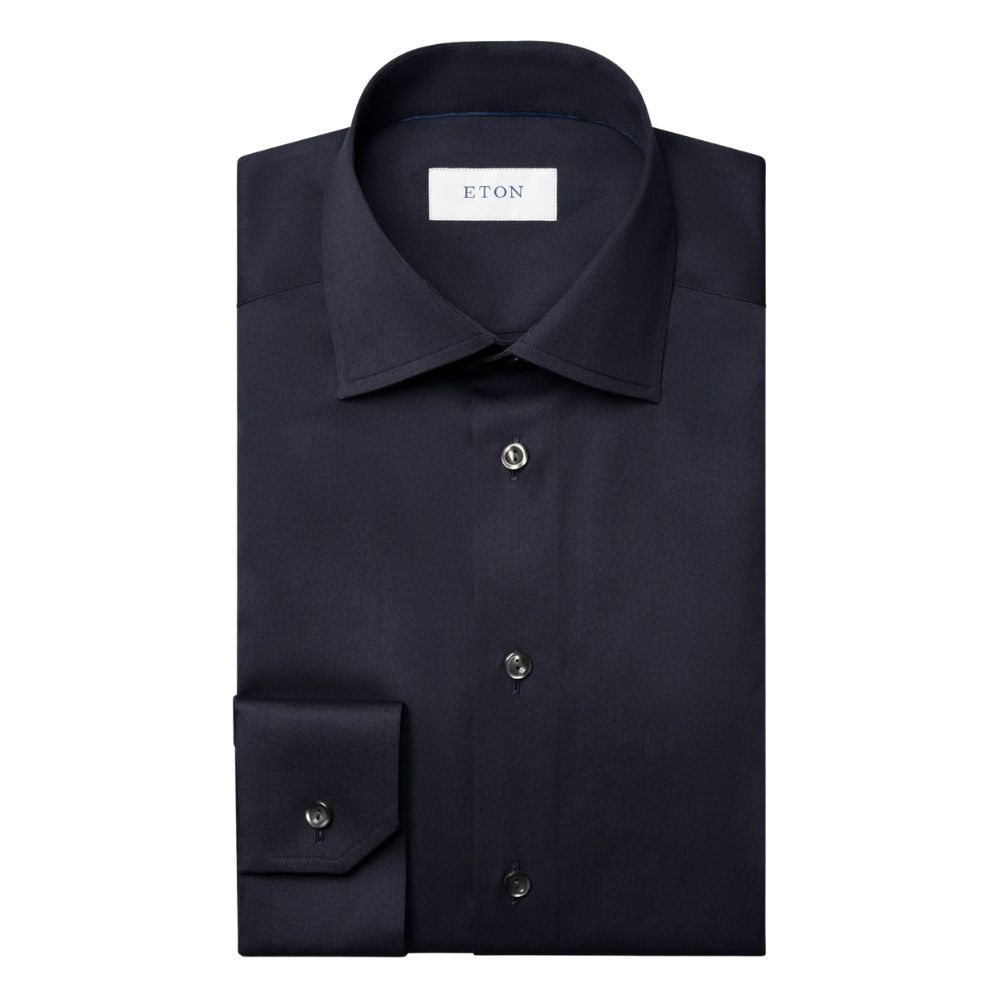
Brand picks: the BOSS slim-fit wool suit in navy is one of the most reliable interview suits available. Eton shirts in contemporary fit offer the quality and finish that reward close inspection in an interview setting. Canali suits represent the benchmark of Italian tailoring at this level.

  • Navy or charcoal suit – subtle texture or fine pattern permitted
  • Plain or subtly striped dress shirt in white or pale blue
  • Patterned tie – not too bold
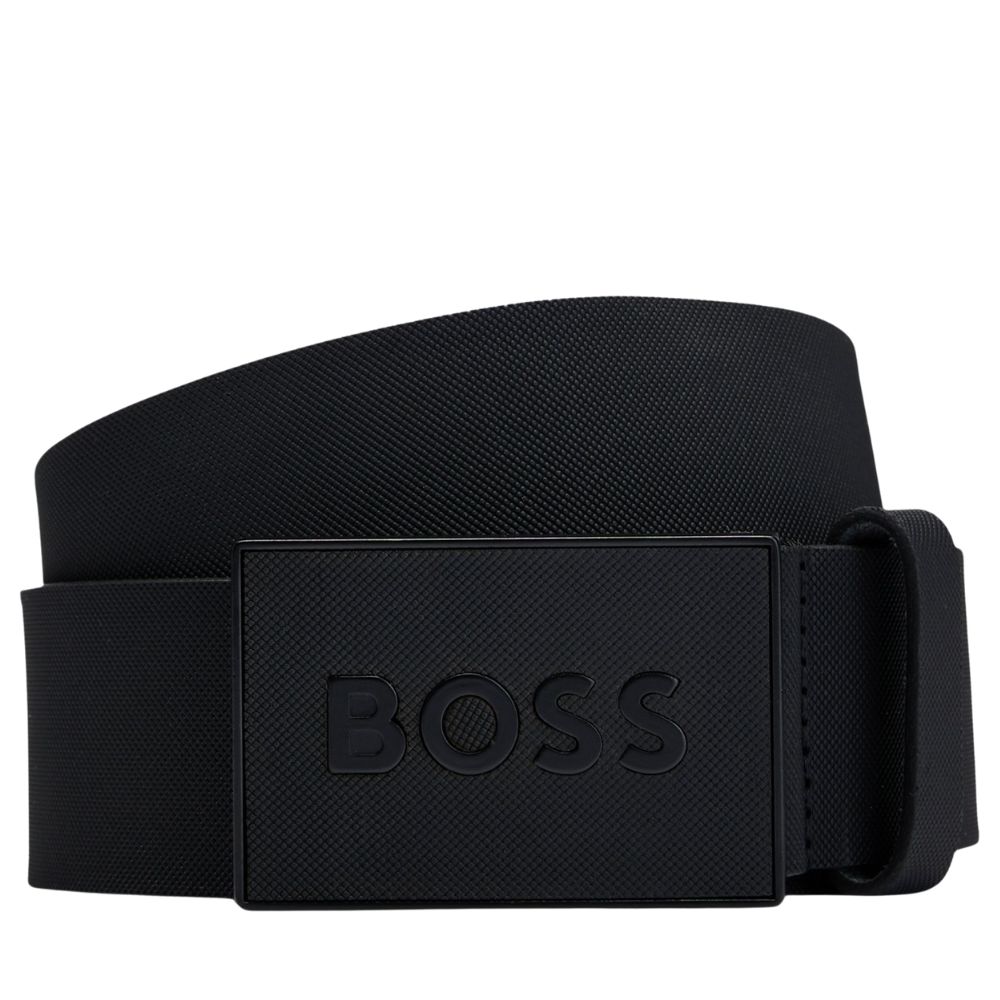
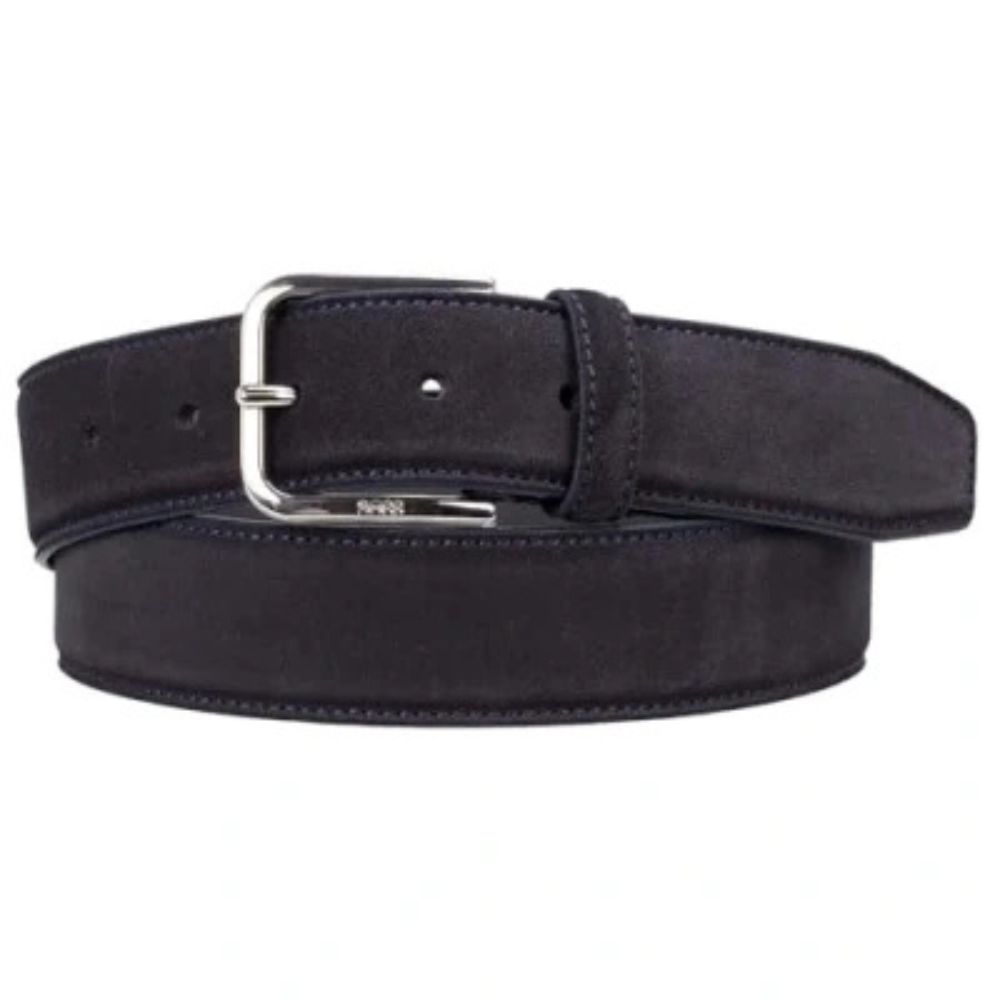
  • Dark leather belt matching shoes
  • Brogues or Oxford/Derby shoes in dark brown or black
  • Pocket square – optional but recommended
autumn/winter

Overcoats work seamlessly for this scenario.

Spring/Summer

Similar to strict business attire, the jacket should stay on even in warmer seasons. However, choosing more breathable fabrics like silk or linen is a good idea.

what to wear to a job interview male casual

business casual — design, media, advertising, fashion, tech

Industries: Design agencies, media companies, advertising, fashion, marketing, creative tech roles.

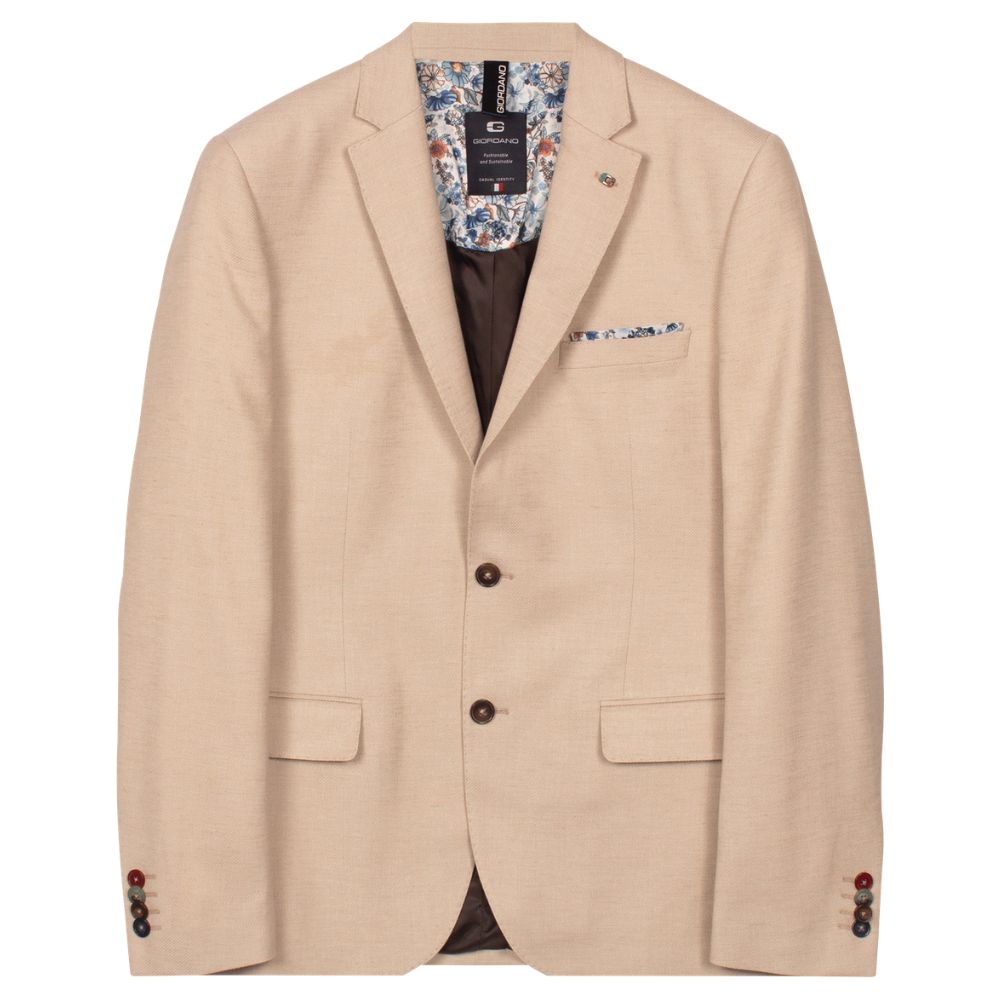
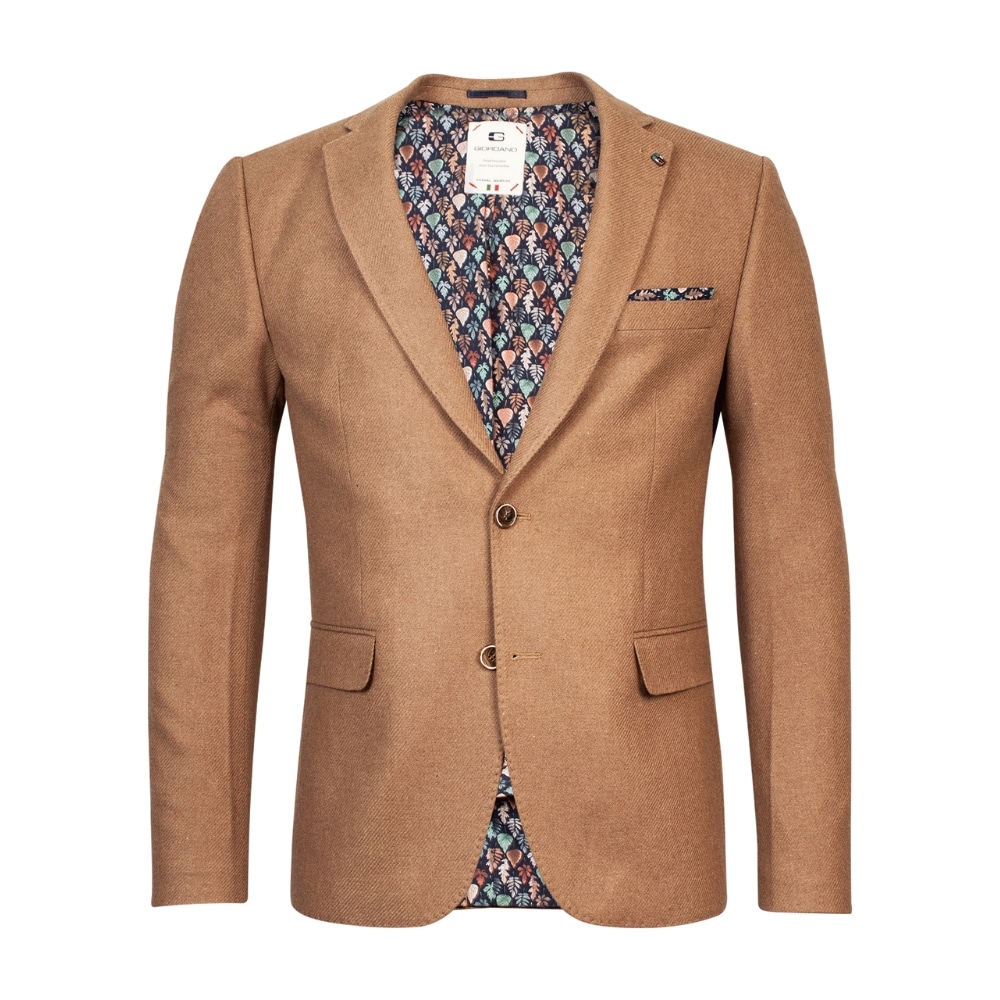
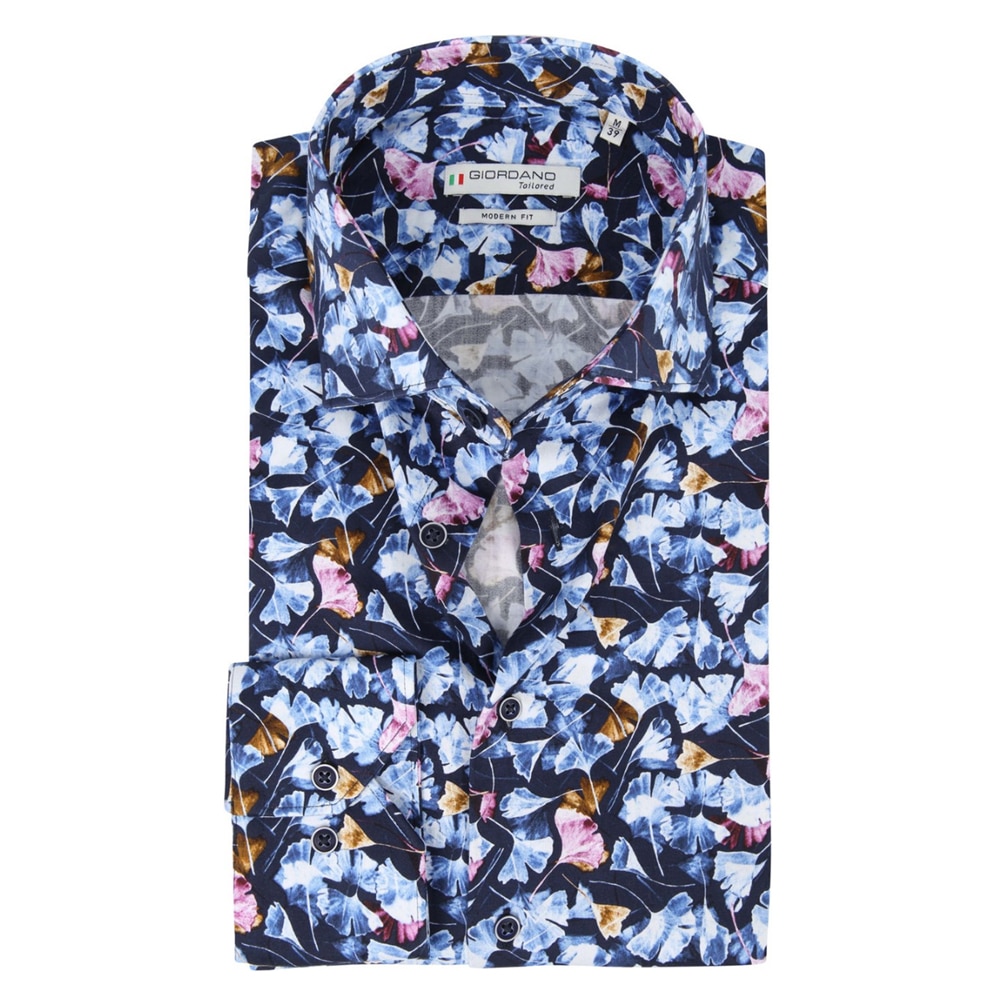
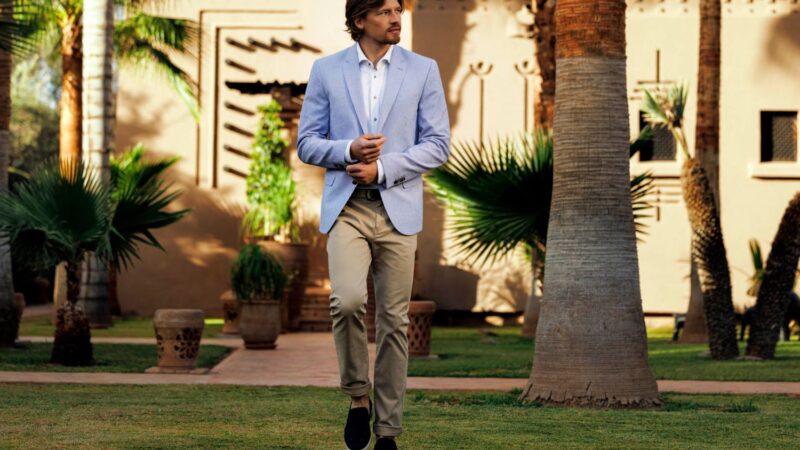
A full suit in a creative interview can work against you – it can read as out of touch with the studio or agency culture. Smart separates are the more considered choice: a well-fitted blazer in navy, grey or camel paired with tailored chinos or dark trousers and a quality shirt. You have more room to show personality here – a print shirt, an interesting texture, or a smart rollneck in place of a shirt can all work – but the overall look still needs to be polished and intentional. Careless is not the same as creative.

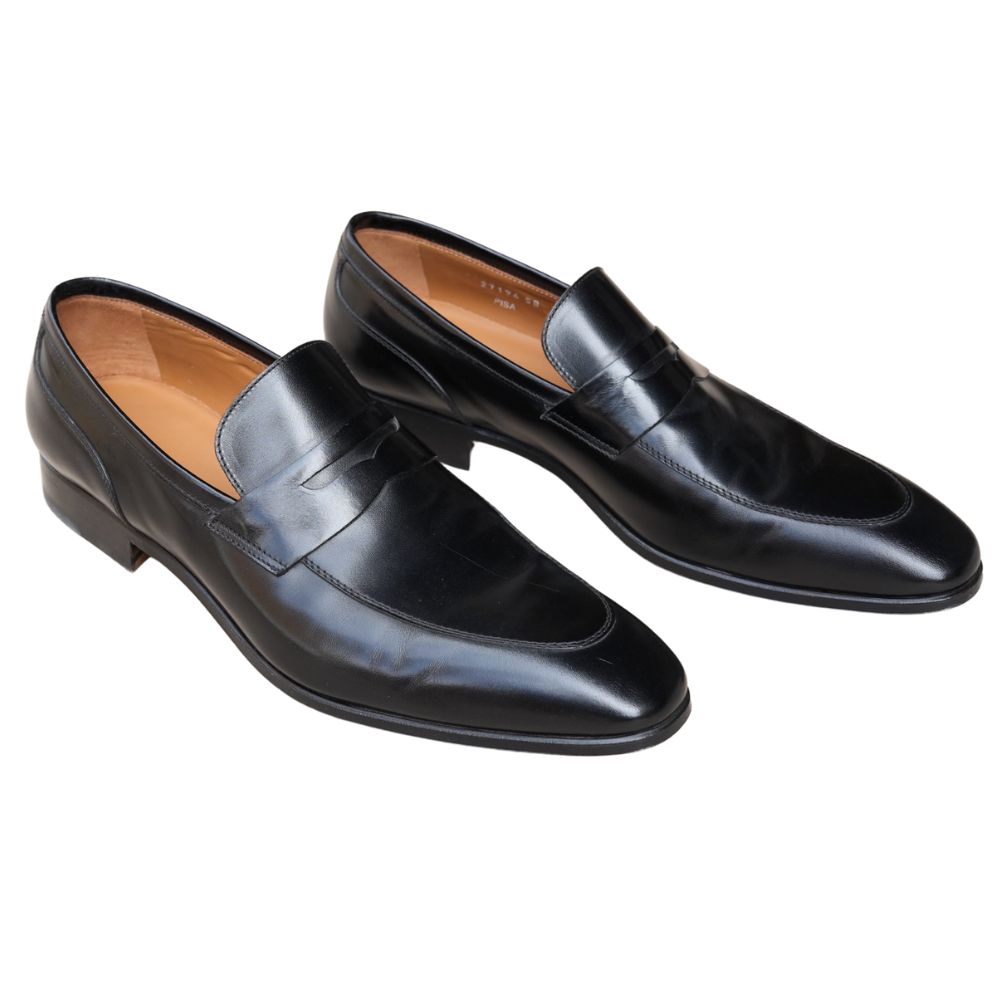
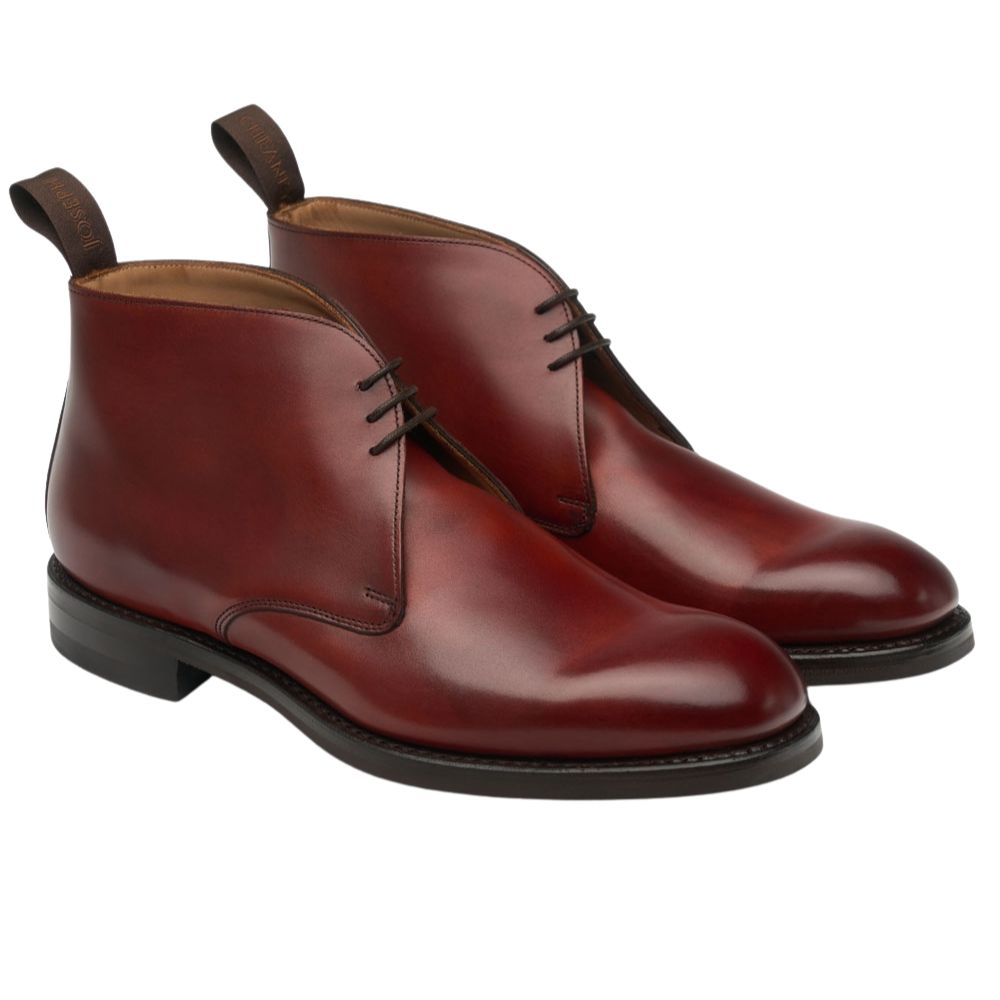
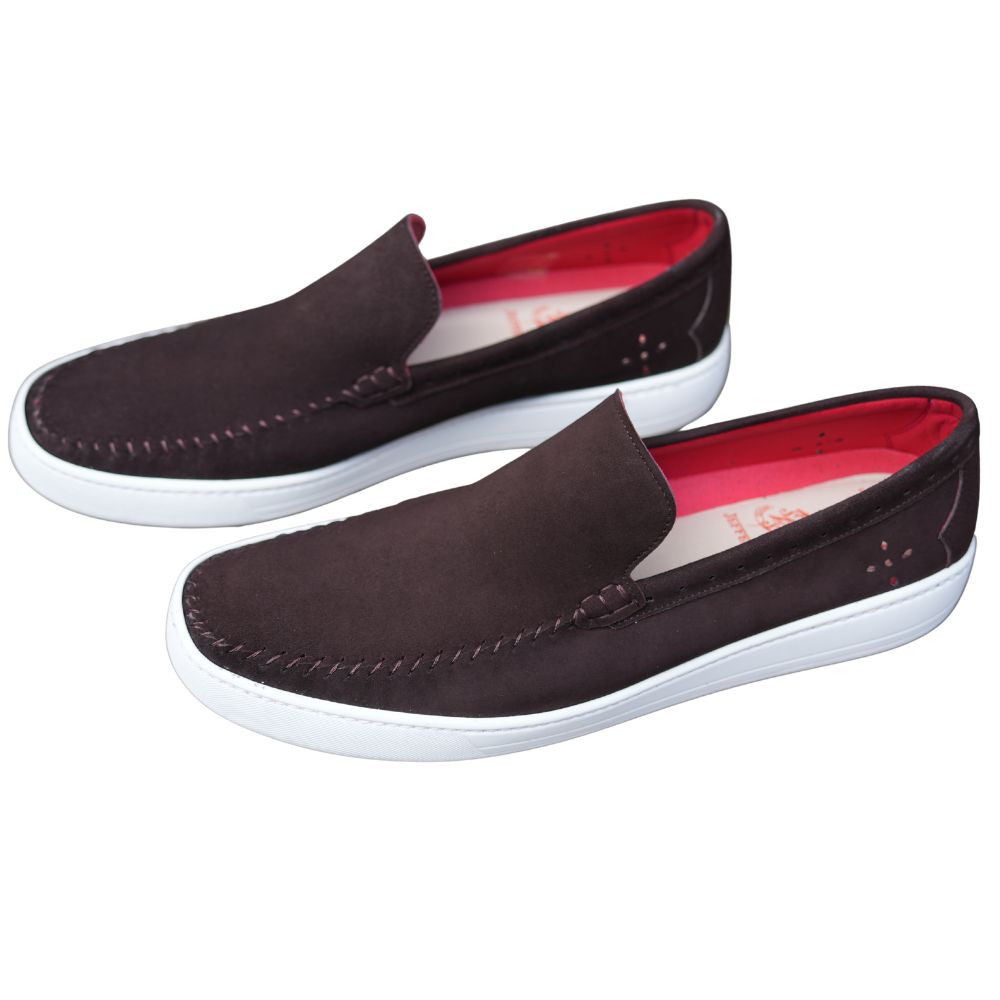
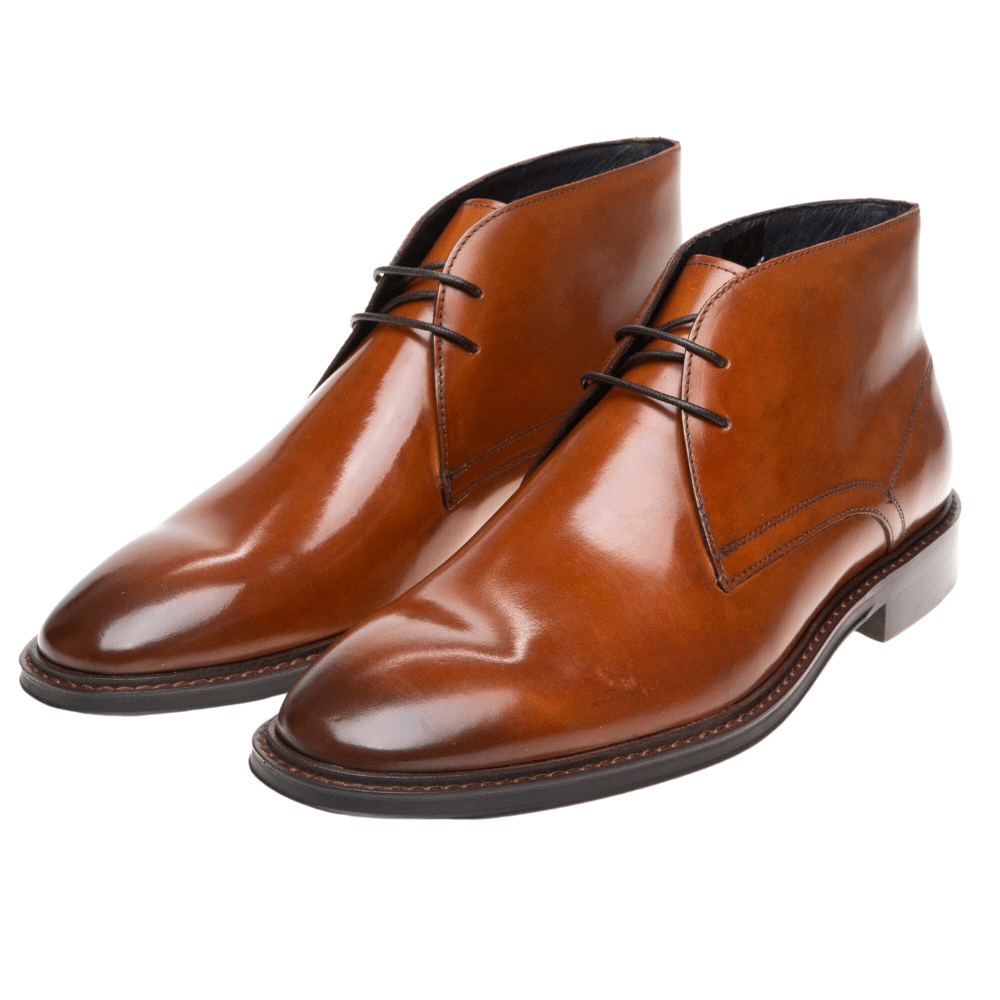
Footwear: clean loafersChelsea boots or well-maintained brogues. Avoid trainers unless the company culture is exceptionally casual and you’re very confident in reading the room.

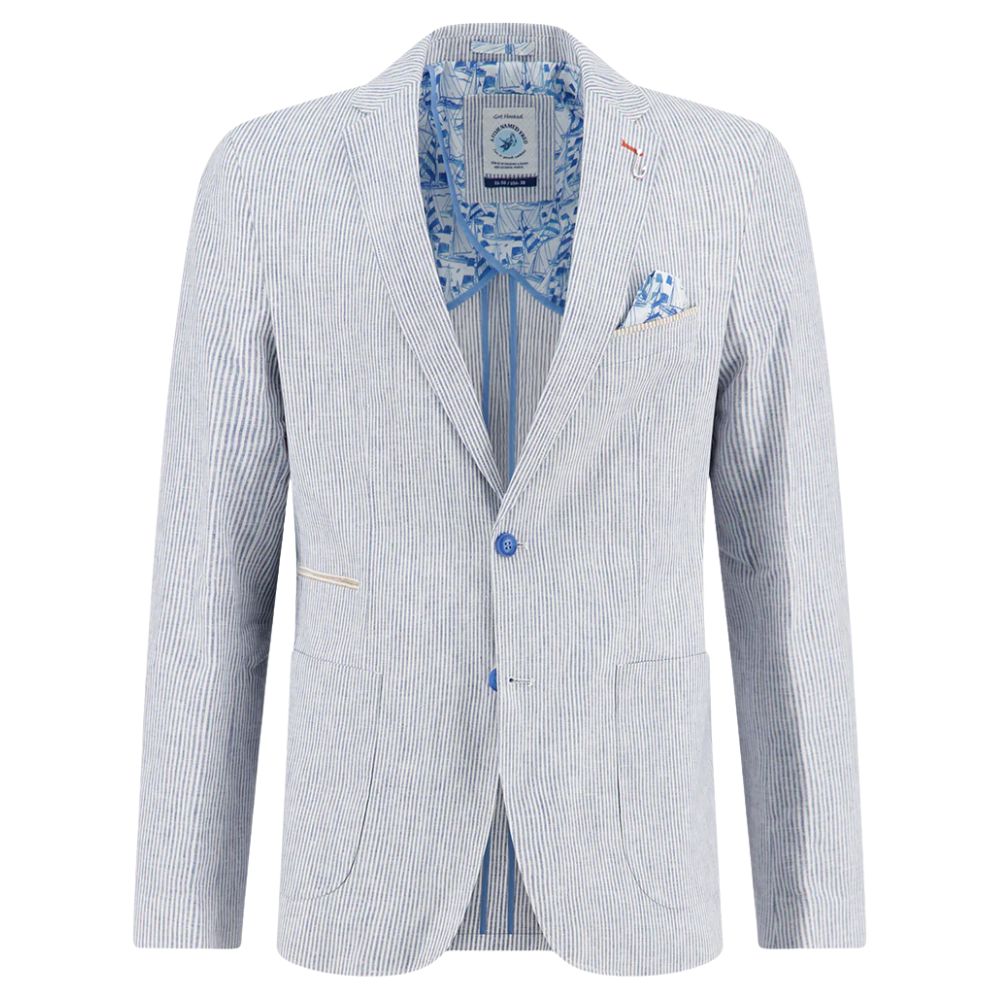
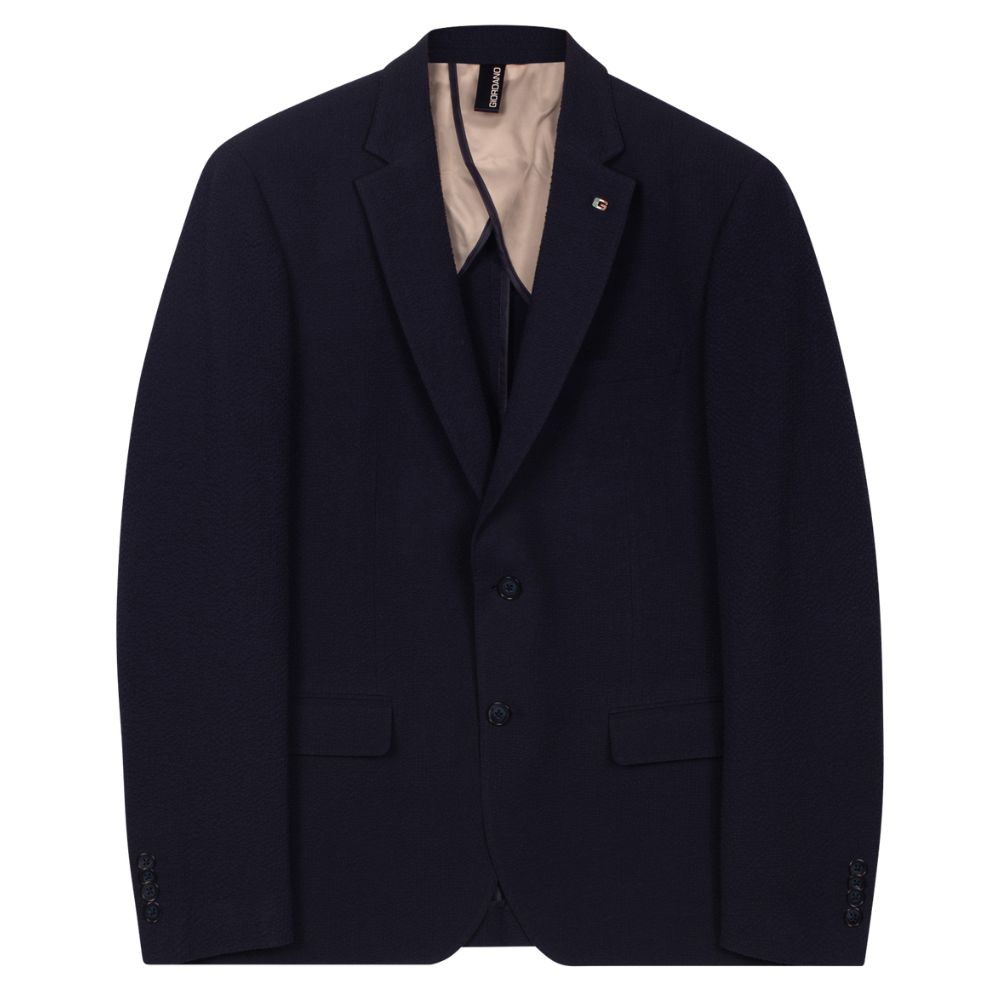
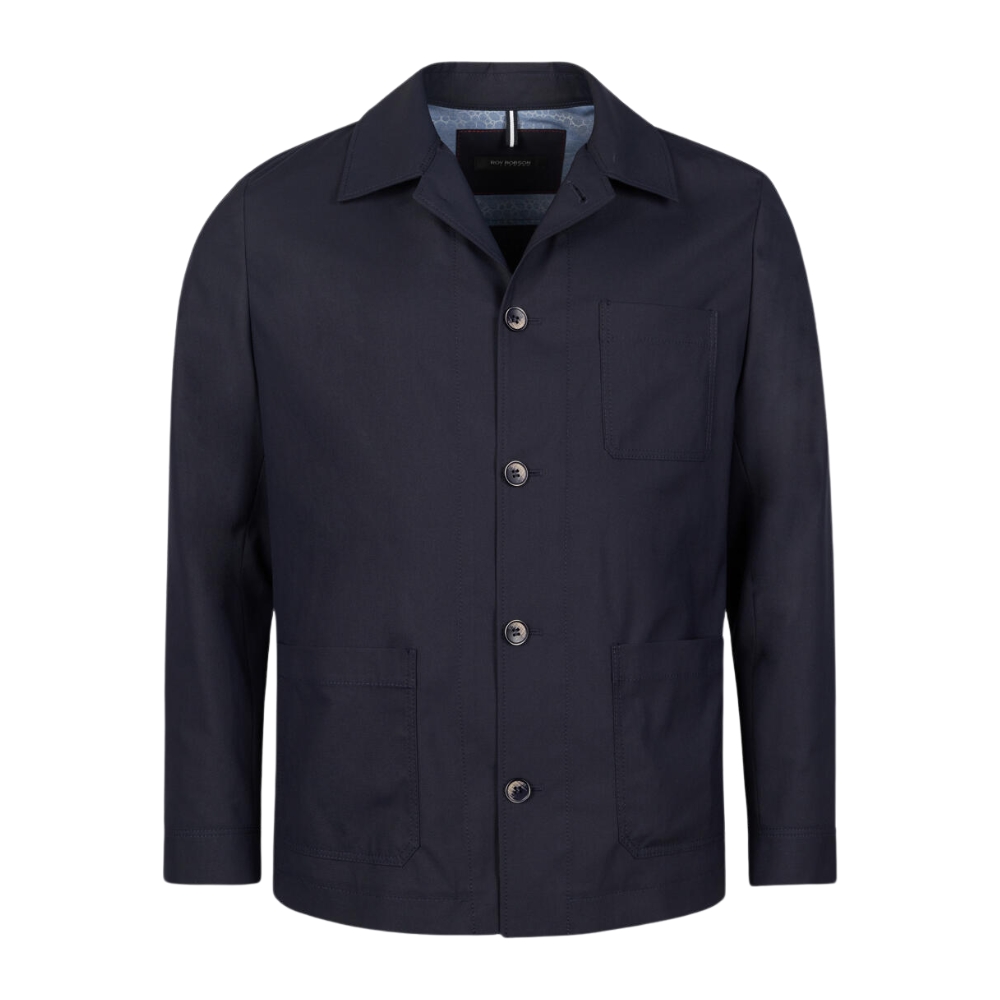
Brand picks: Paul Smith for character-driven shirting and blazers. Giordano for well-cut, unstructured formal jackets that bridge smart and creative. A Fish Named Fred for distinctive, studio-appropriate shirting.

  • Smart blazer – unstructured, navy, grey or camel
  • Tailored chinos or dark trousers
  • Quality shirt – plain or subtle pattern, or smart rollneck
  • No tie needed
  • Loafers, Chelsea boots or clean brogues
Autumn/Winter

The winter version can incorporate khakis, a sport coat or blazer, and minimalistic yet warm boots.

Summer/Spring

Choose light-coloured trousers and breathable fabrics to keep cool and stylish in warmer seasons.

what to wear to a job interview male casual

Casual office, tech and startups

Industries: Tech startups, SaaS companies, casual office environments, retail head offices.

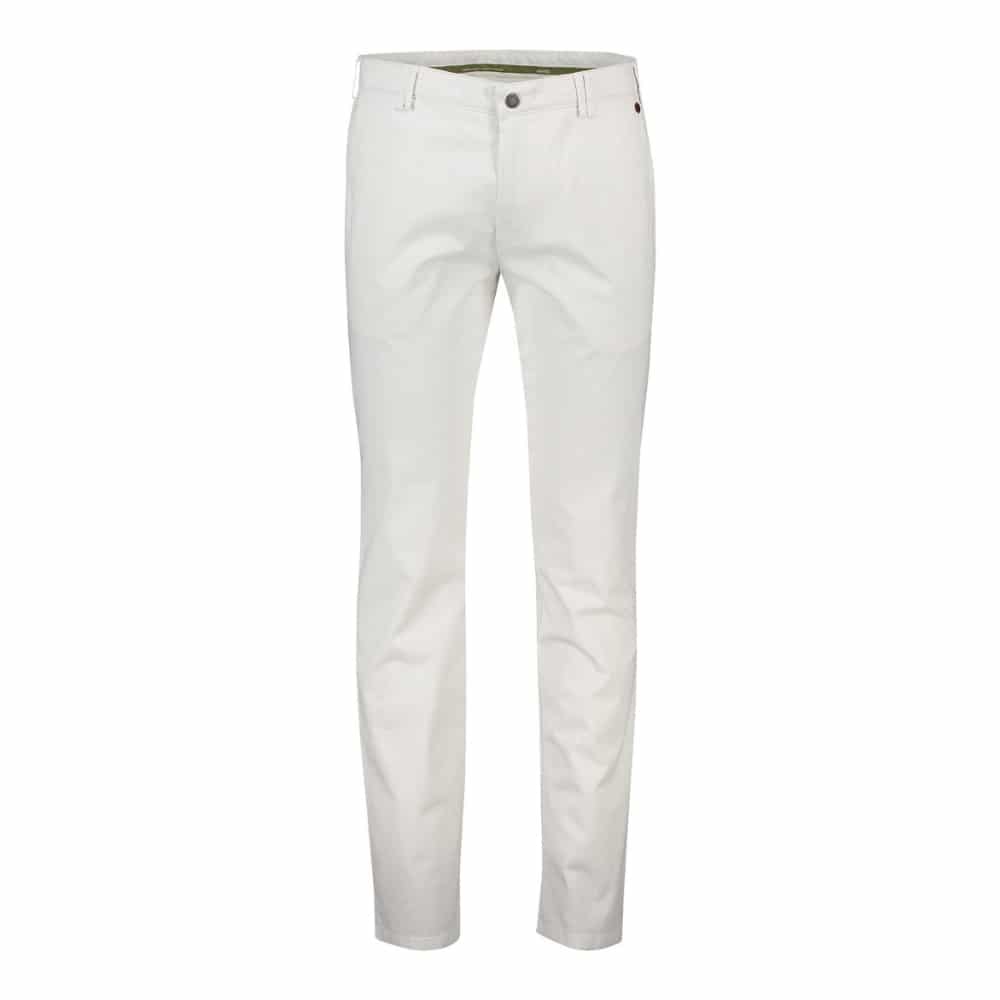
In a genuinely casual workplace, turning up in a full suit can make you appear unaware of the culture – the very thing an interviewer at a casual company is often quietly assessing. Smart-casual is the right register: tailored chinos in navy, stone or grey, with a well-pressed shirt or quality knitwear. Adding a blazer lifts the look and gives you the option to remove it if the room feels very relaxed.

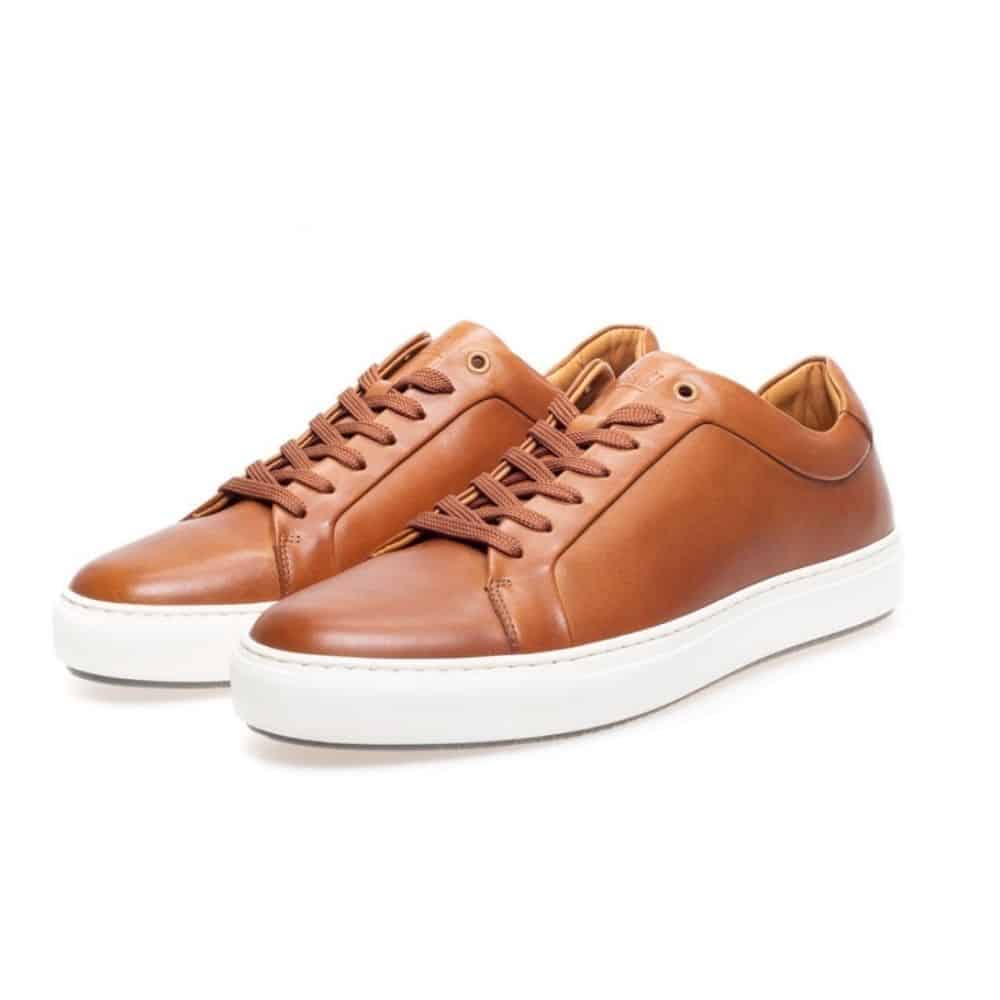
No tie required. Clean footwear – loafersChelsea boots or smarter trainers if the company is very casual. The key is that everything looks deliberate – laundered, pressed, fitting well.

Brand picks: BOSS smart chinos and knitwear set a clean, modern standard. Ralph Lauren smart-casual separates carry an effortless, considered quality. Fynch-Hatton knitwear is well-constructed and looks excellent in a casual interview setting.

  • Smart chinos – navy, stone or grey
  • Quality shirt or fine-knit jumper
  • Blazer optional but recommended
  • No tie needed
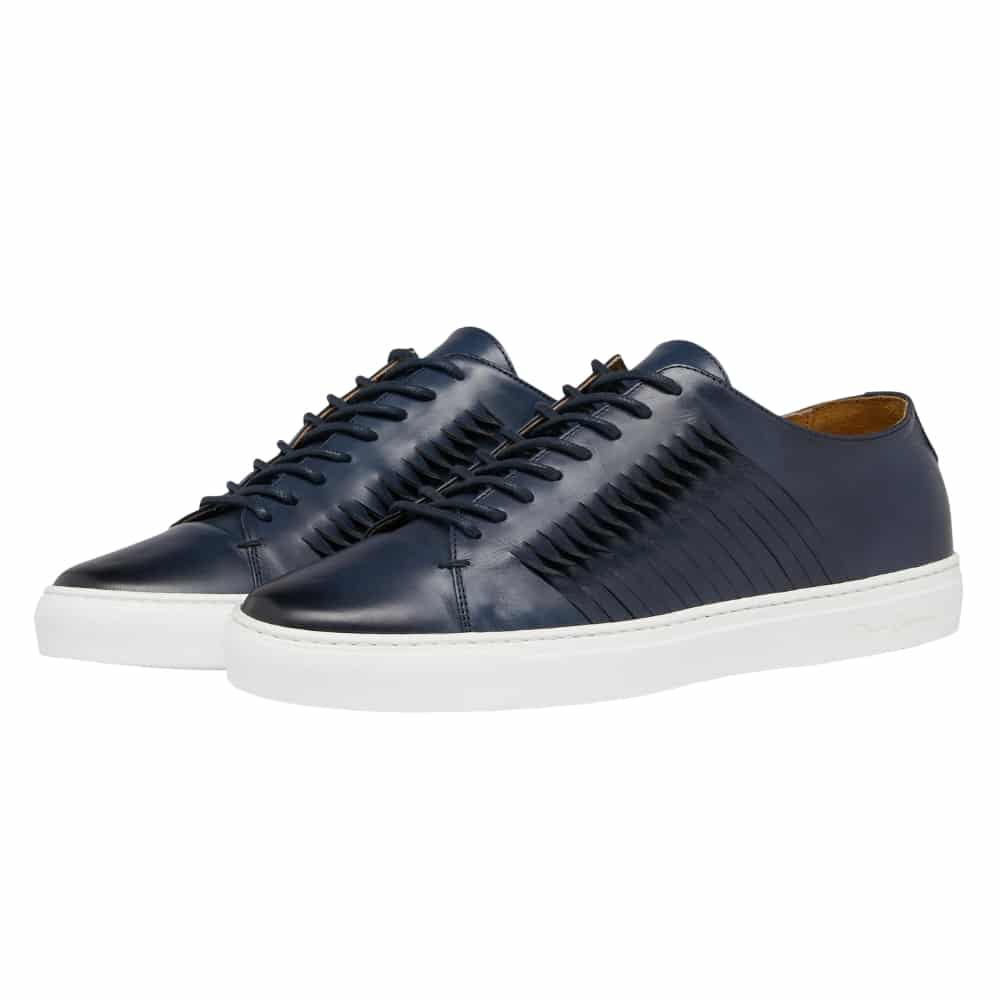
  • Loafers, Chelsea boots or clean smart trainers


If you want to find out more about dressing for interview across every season, check out our Men’s Interview Style Guide: Outfit Ideas for Every Season.

autumn/winter

In colder seasons, layer with an overcoat or sport jacket for added style.

spring/summer

In warmer weather, opt for breathable shirts and trousers to stay comfortable while looking polished.

what to wear to a job interview male casual

Skills and trade interviews

Industries: Skilled trades, practical assessments, engineering, hands-on roles.

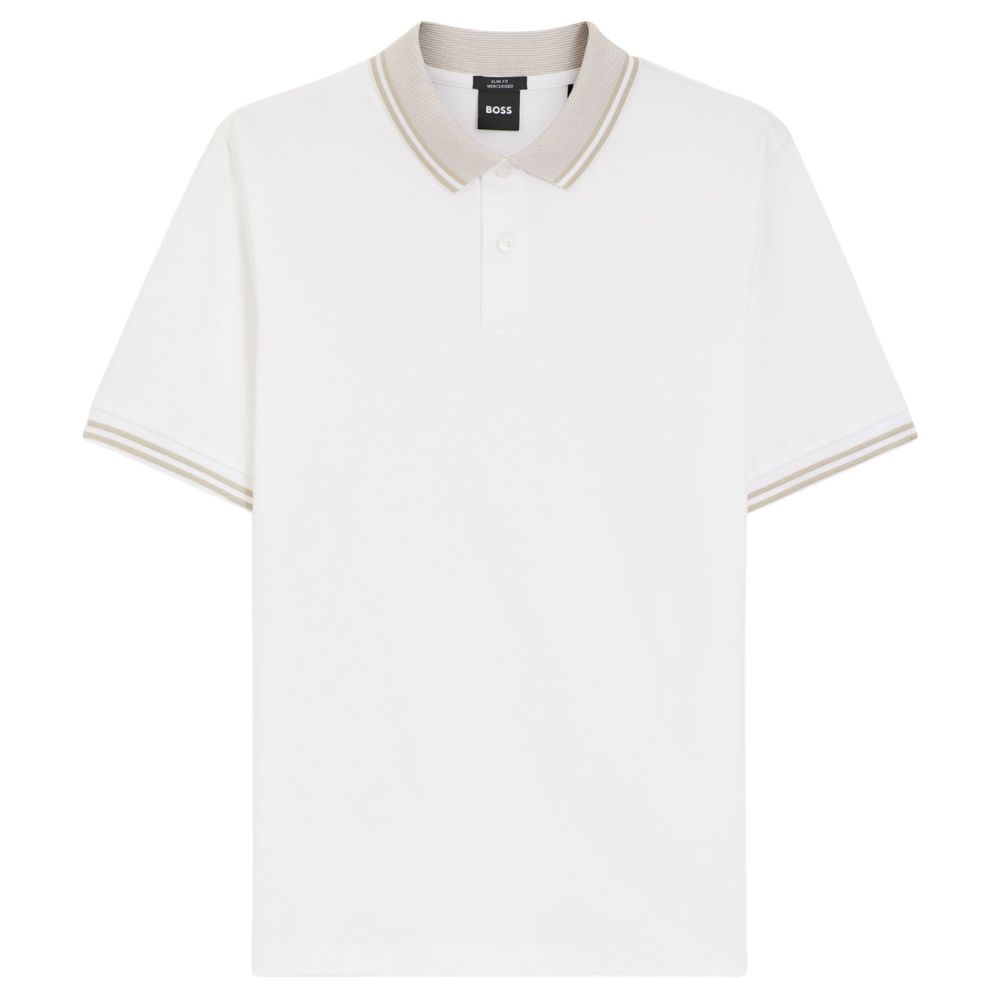
If your interview involves a practical skills element – a workshop test, site visit, or working environment – comfort and practicality matter more than formality. But this doesn’t mean turning up in your everyday work gear. Clean, smart-casual clothing signals professionalism: dark chinos or smart trousers, a polo shirt or plain shirt in a good fabric, and neat, appropriate footwear. You’re not expected to be in a suit, but you are expected to look like you’ve taken the day seriously.

  • Dark chinos or smart trousers
  • Polo shirt or plain shirt – no logos or prints
  • Clean, appropriate footwear for the environment
  • Neat and well-groomed overall

If you want to find out about how gesture and body language can give you the edge in your interview, check out our guide on Mastering Body Language & Confidence.

essentials:

Opt for khaki, navy, or brown work trousers. Avoid wearing light blue jeans for an interview. 

A classic light blue chambray or oxford work shirt exudes professionalism.

Complete the look with leather shoes or boots.

autumn/winter

An overshirt or sports jacket will elevate your look in colder seasons. You can also adjust your boots, remembering to keep them neat.

spring/summer:

Even in warmer seasons, t-shirts are not advisable to wear for an interview. Opt for breathable fabrics for your shirt. Tip: light patterns will ensure no sweat marks are visible.

What colour suit is best for a job interview?

Navy and charcoal grey are the two most reliable suit colours for any interview. Both read as authoritative and professional without being severe. Dark navy is particularly versatile – it pairs cleanly with white, pale blue and light grey shirts. Charcoal grey has a slightly more formal weight to it and works particularly well in finance and law settings.

Avoid black suits unless the role is in a very formal industry – black reads as funeral or black-tie in most office contexts. Lighter suits (mid-grey, beige, tan) are too casual for almost any interview. Patterned suits (windowpane, herringbone) can work at the business professional level but should be avoided in strictly formal interviews.
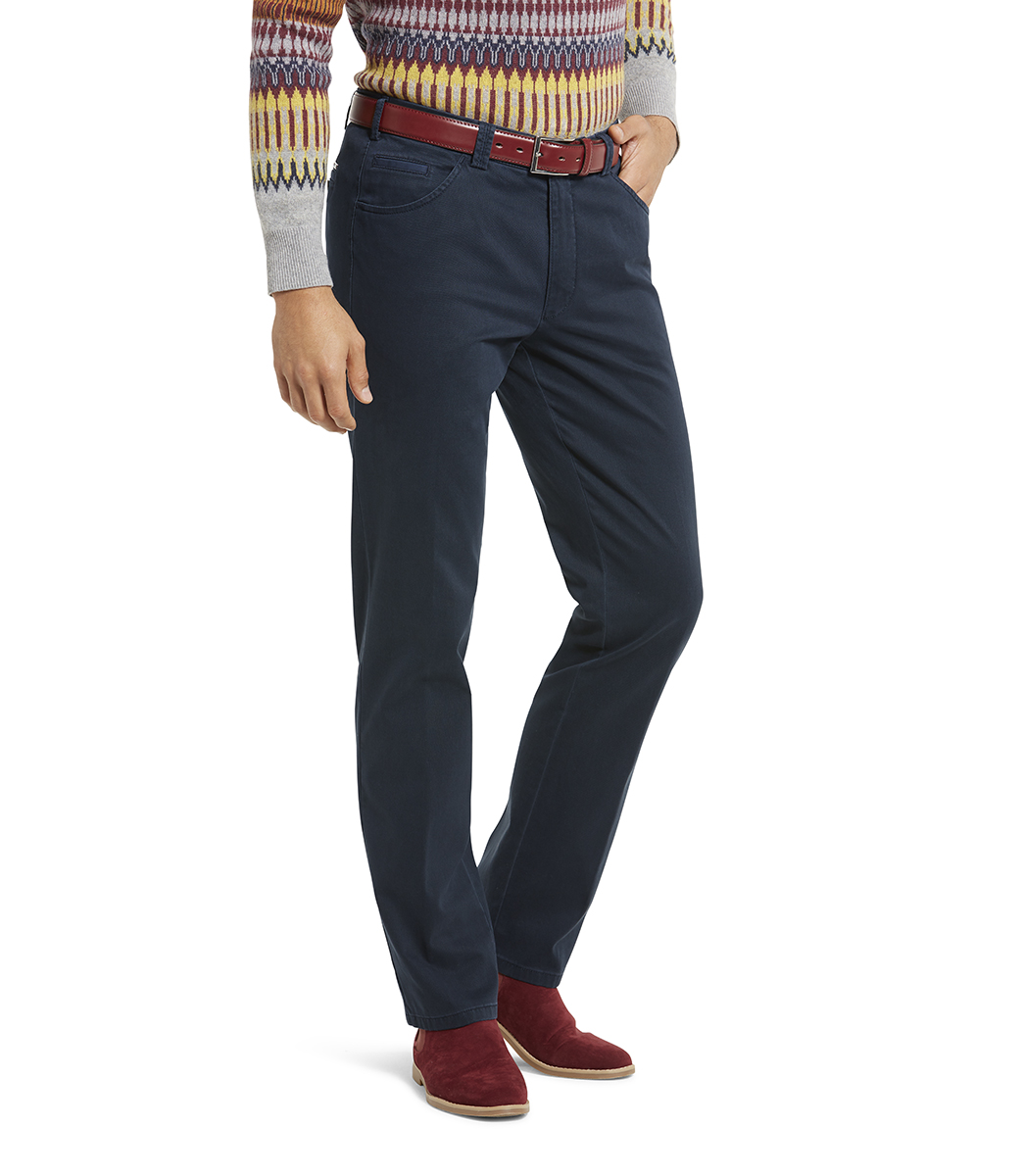
Browse our full range of interview suits, including tailored options from BOSSCanali, and Giordano.

Original price was: £495.00.Current price is: £250.00.

What shirt to wear to a job interview

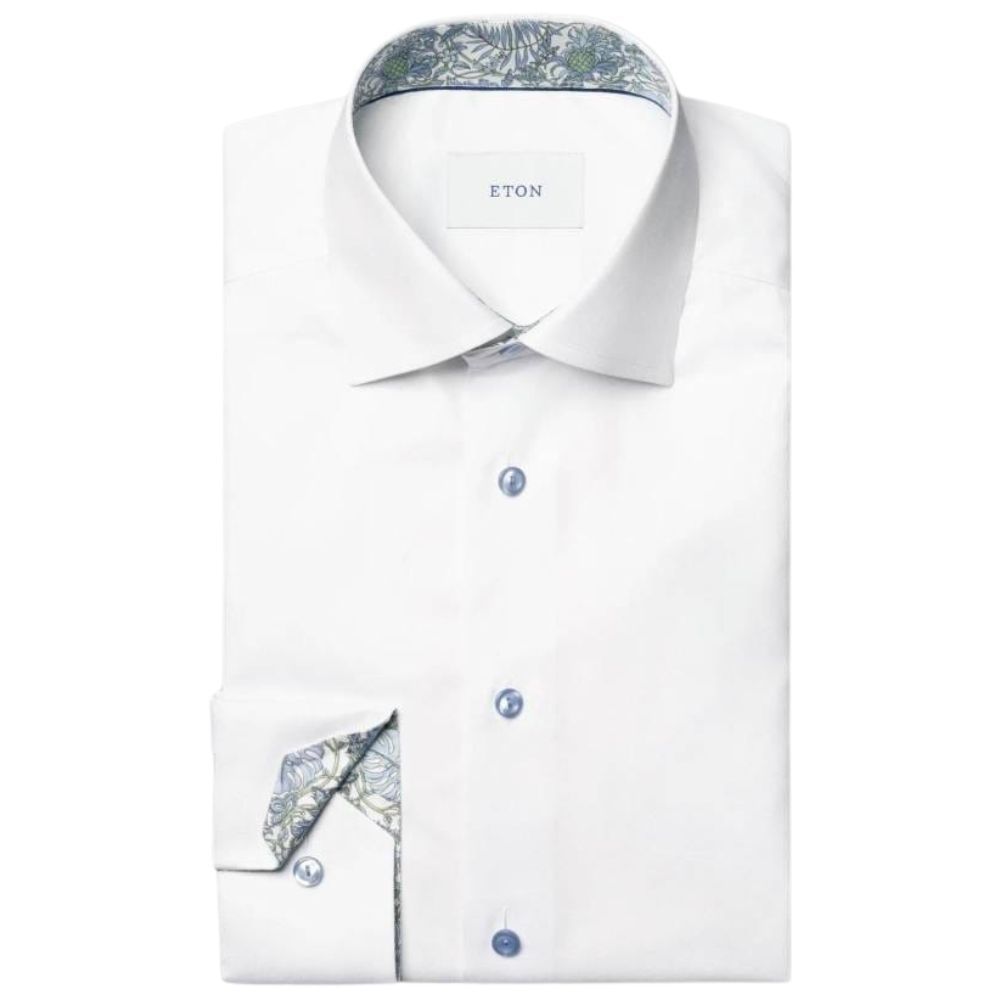
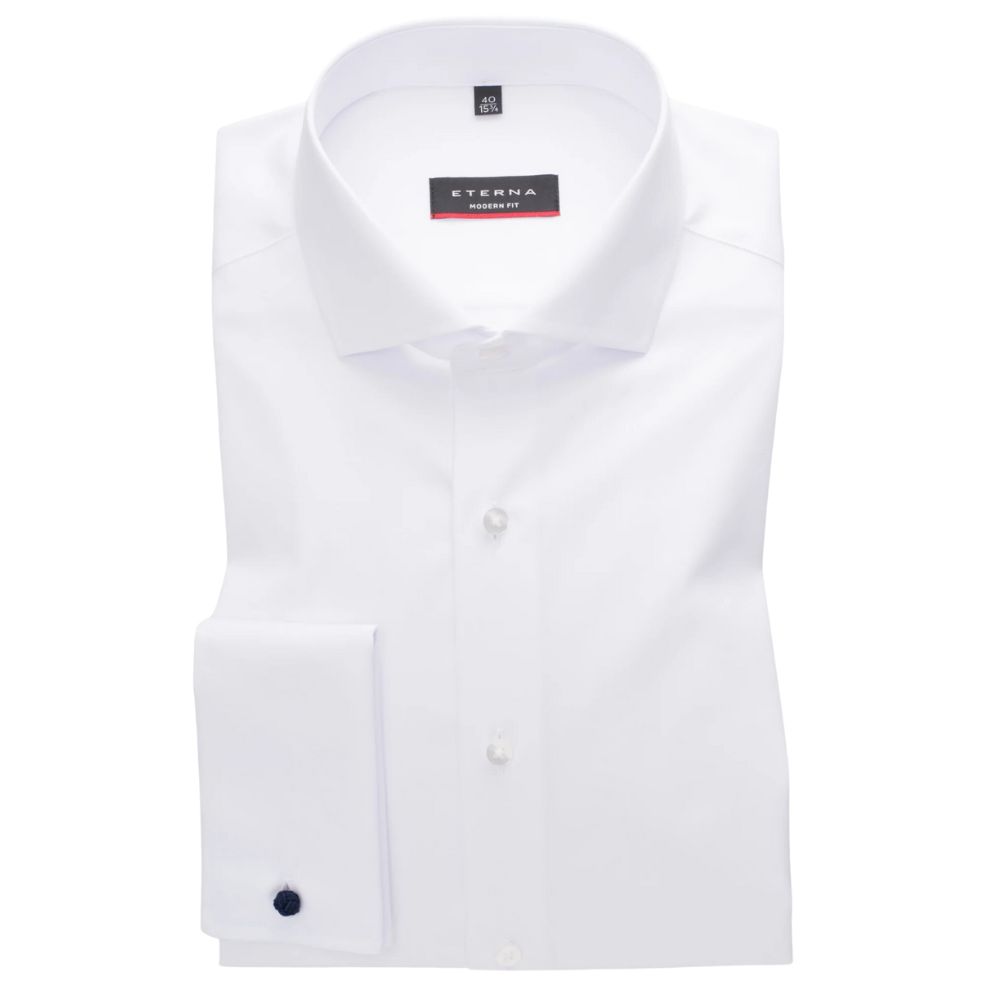
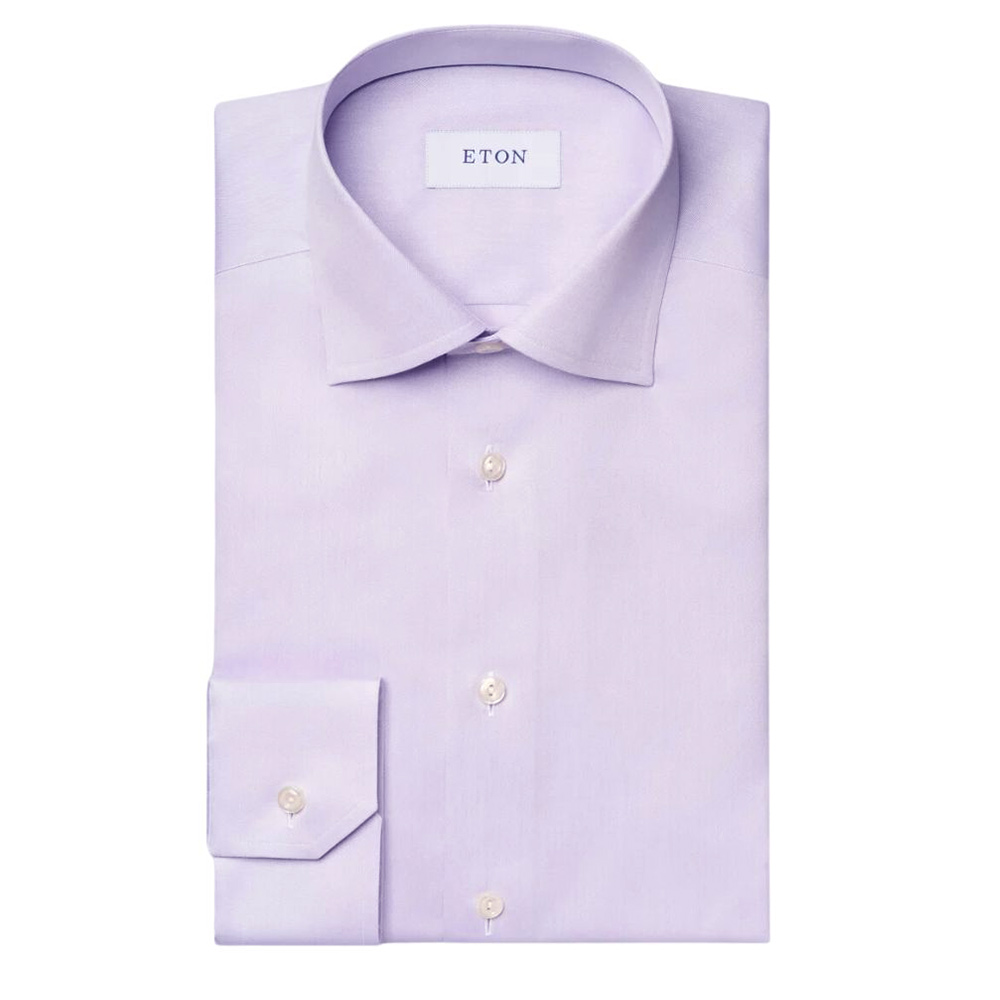
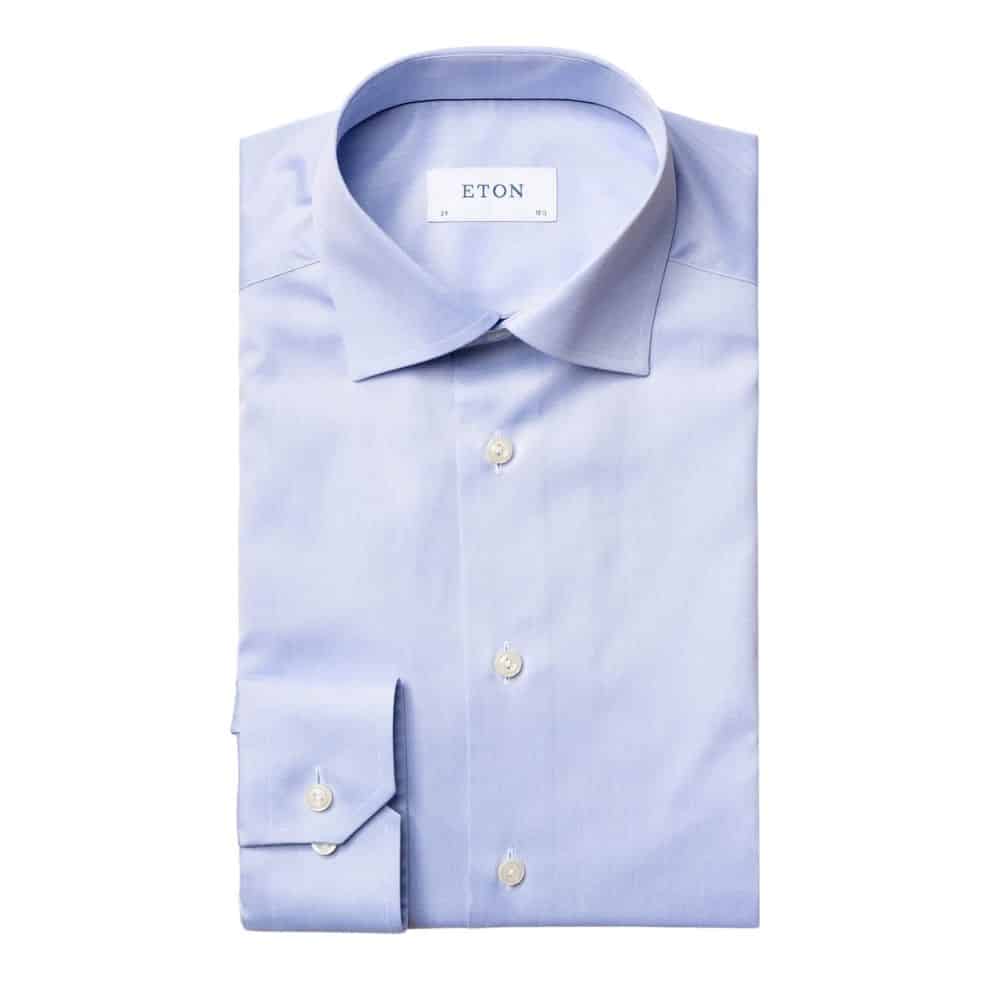
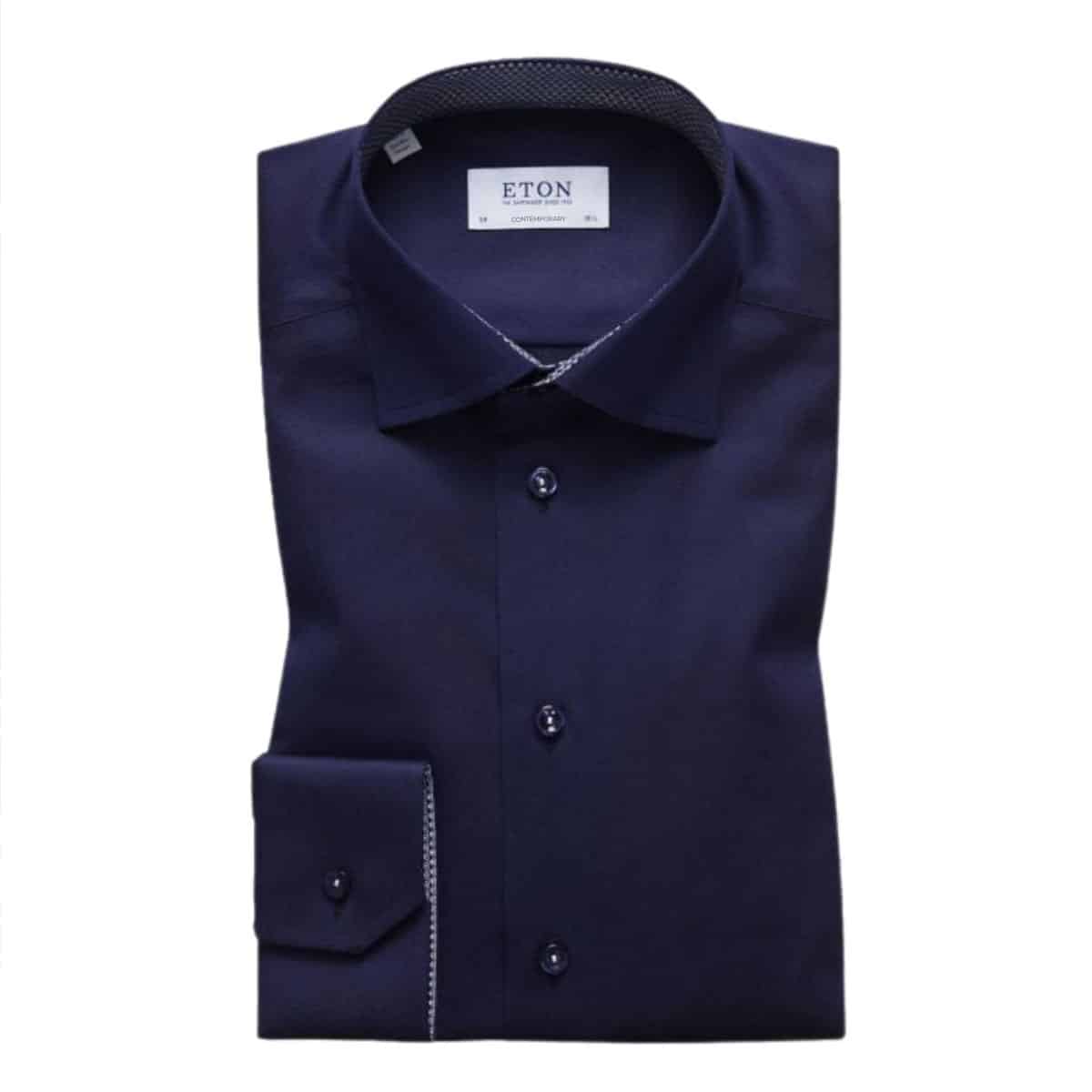
For formal interviews, a plain white or pale blue dress shirt with a point or spread collar is the safest choice. The fit matters enormously – a well-pressed shirt that fits at the shoulder and doesn’t pull across the chest signals attention to detail. Cotton poplin or twill are the most appropriate fabrics, and your shirt should be freshly laundered and ironed.

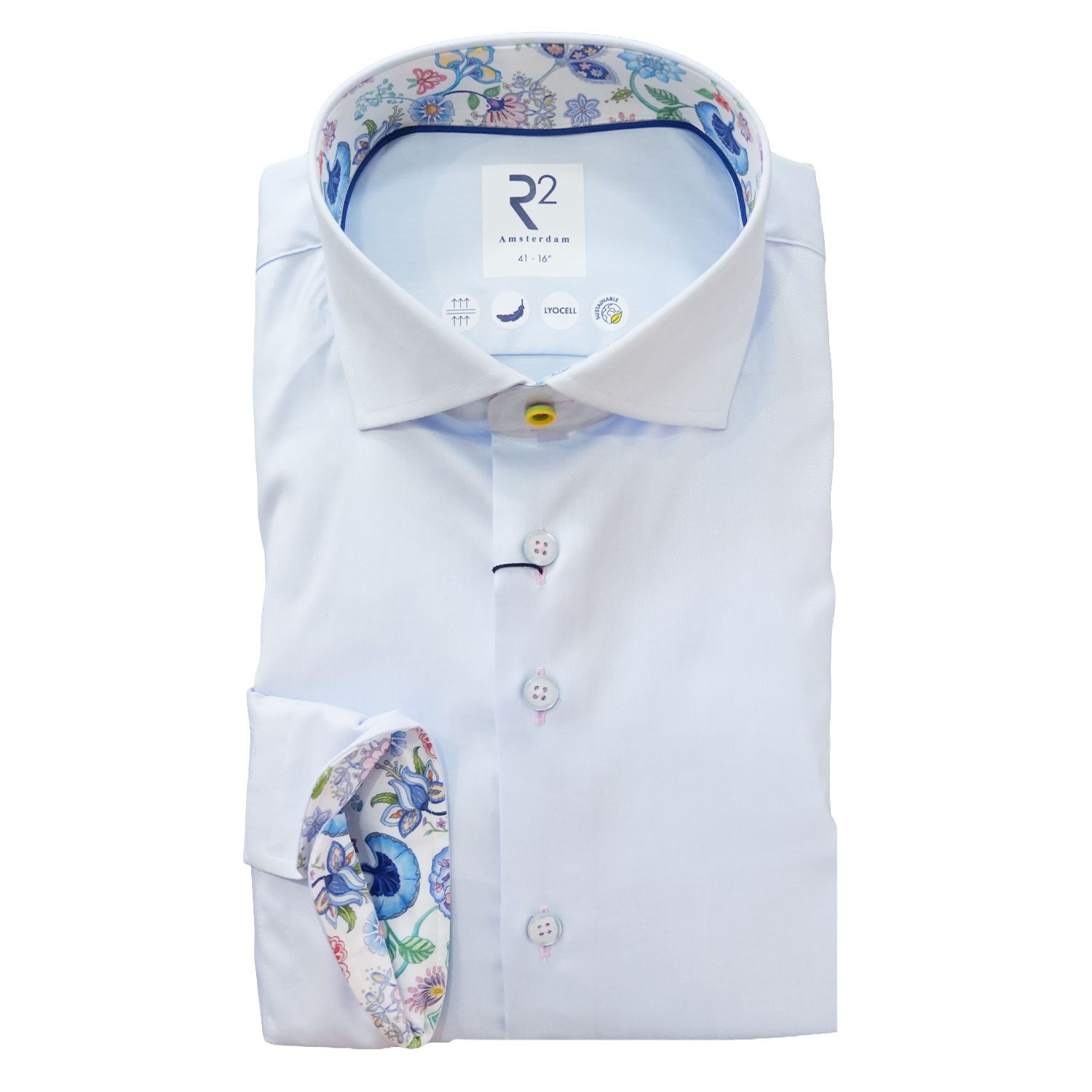
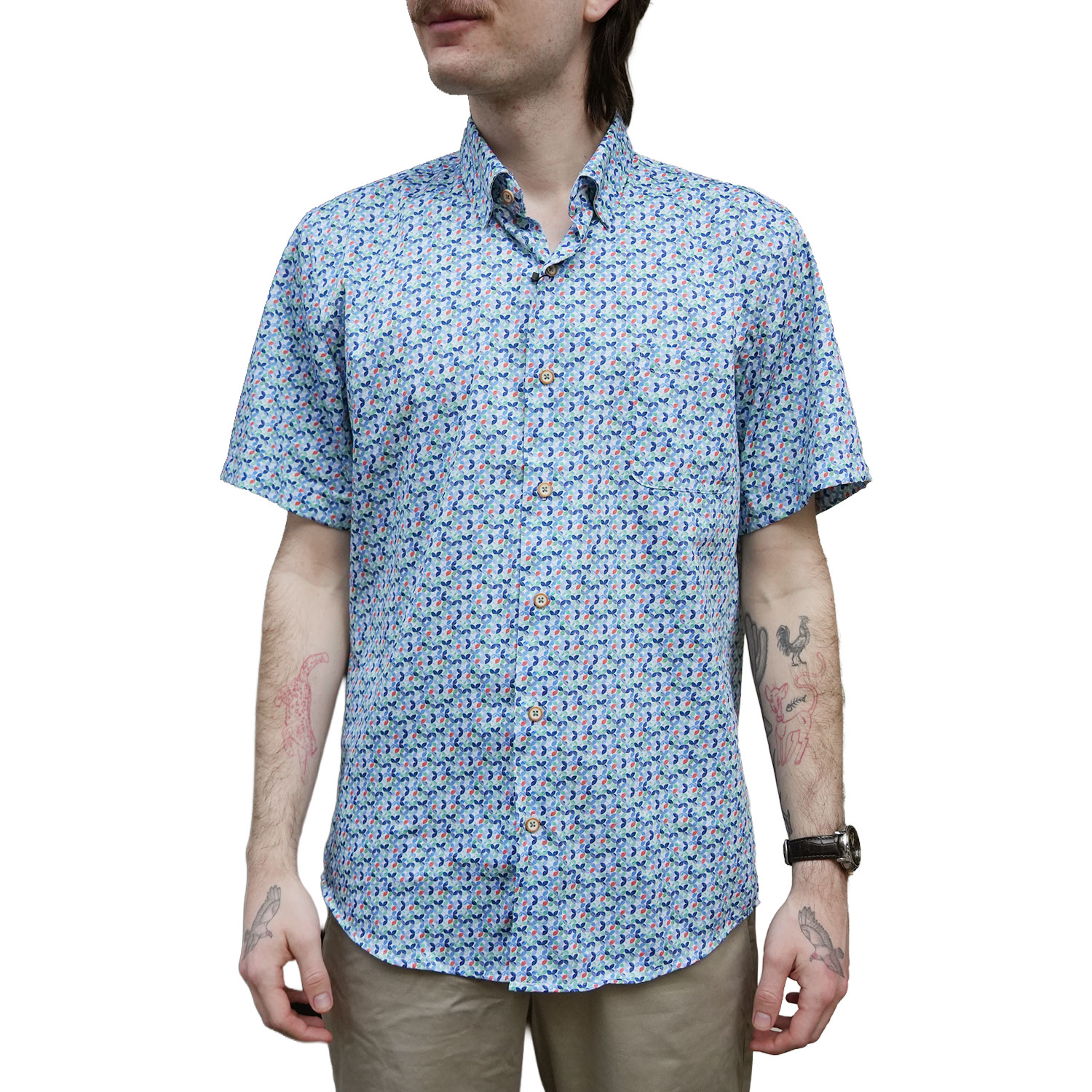
At the business professional level, a fine stripe or quiet check in a pale colour adds character without distraction. For creative roles, a more expressive shirt – a contrasting collar, a subtle print – is appropriate but should always be considered alongside what else you’re wearing.

Eton sets the standard for quality interview shirts in the UK – their contemporary and slim fits are consistently excellent. Eterna offers a broader range of formal shirts at a more accessible price point without sacrificing quality.

What shoes to wear to a job interview

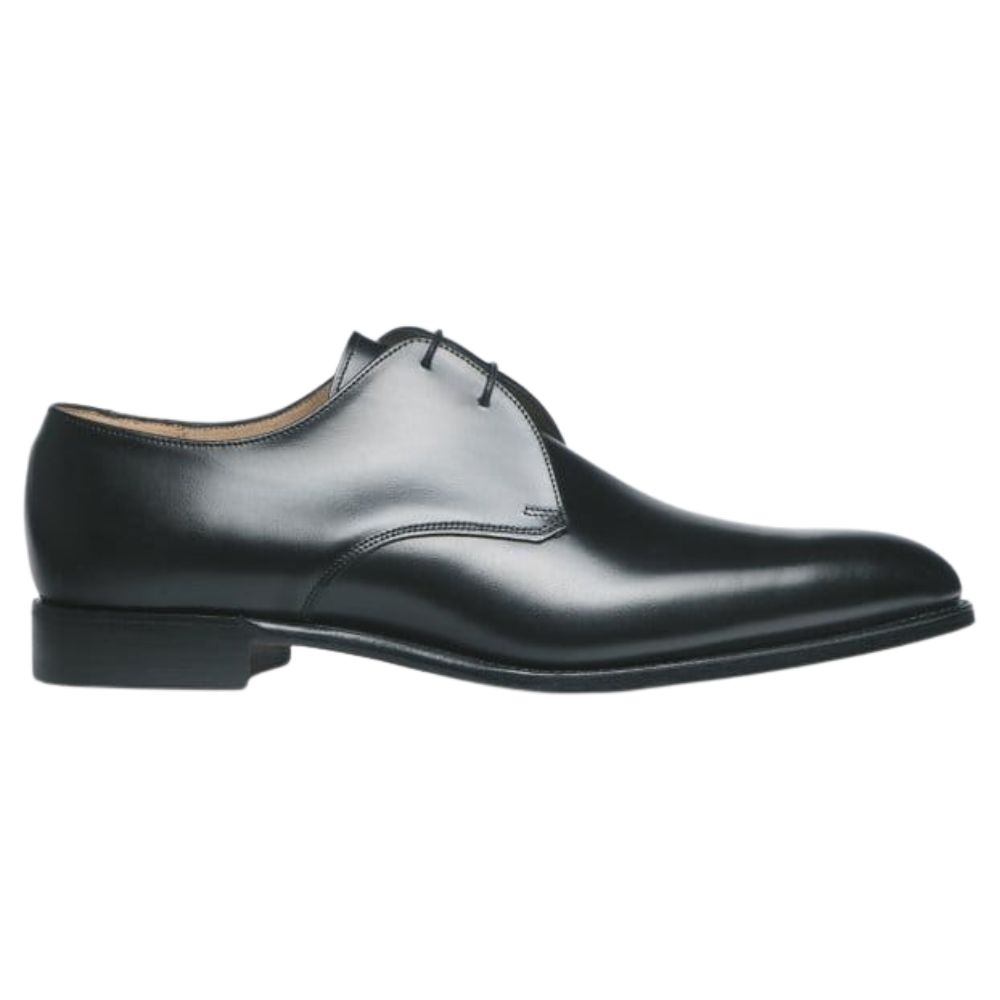
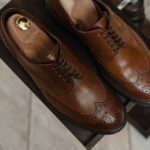
Shoes are noticed – especially in formal interviews where everything else is conventional and the details are what interviewers remember. For strict business dress, black Oxford shoes are the canonical choice. Derby shoes in black or dark brown are a close second and slightly more versatile. Brogues work well at the business professional level and add a distinctly British character.

For creative and casual interviews, clean loafers or Chelsea boots in dark leather are smart without being rigid. Whatever you choose – make sure they are clean, polished, and in good condition. Scuffed shoes undermine an otherwise sharp outfit more visibly than almost any other mistake.

The finishing touches that interviewers notice

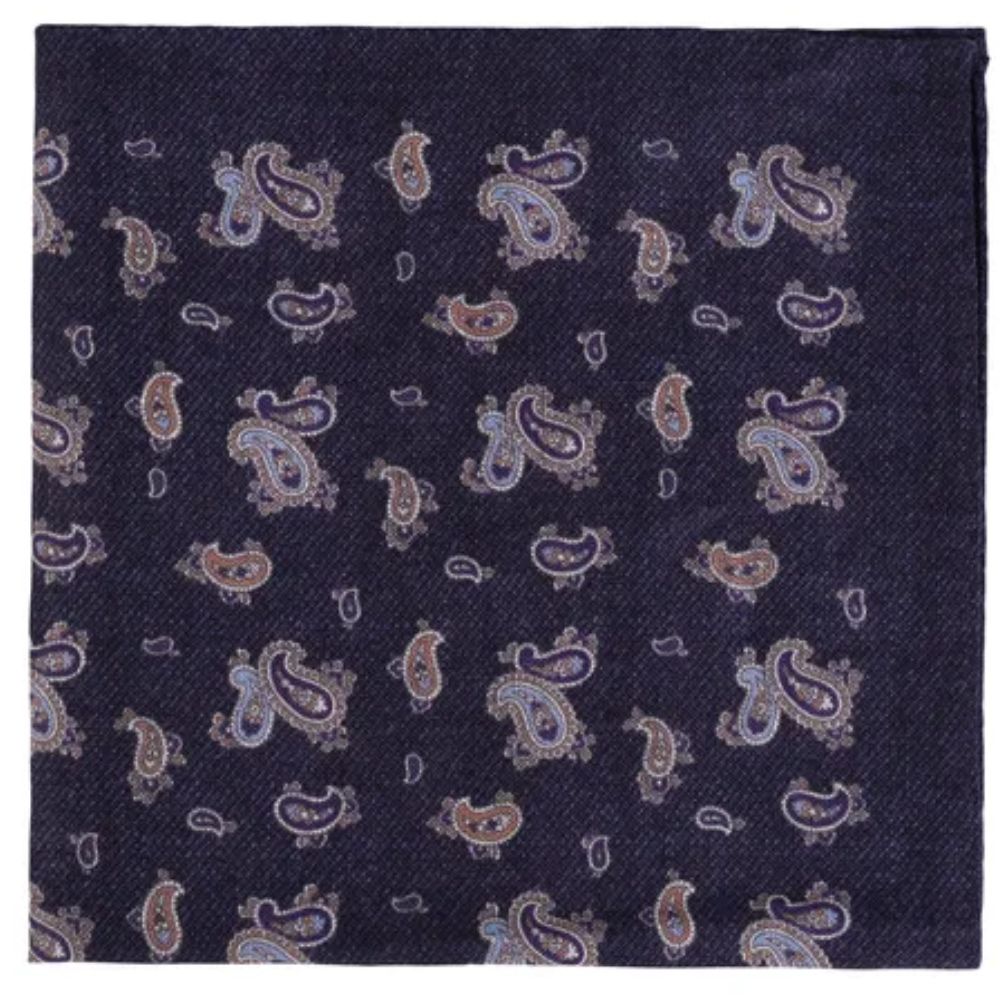
Once your core outfit is sorted, it’s the details that separate a good interview look from a great one. Make sure your clothes are clean and pressed – creases in a suit jacket or a limp collar signal a lack of care. Your belt should match your shoe colour. If you’re wearing a tie, make sure the knot is centred and the length correct (tip reaching the top of the waistband). Your pocket square, if you’re wearing one, should be a plain white linen square folded flat for formal interviews – save the coloured or patterned pocket squares for business professional contexts.

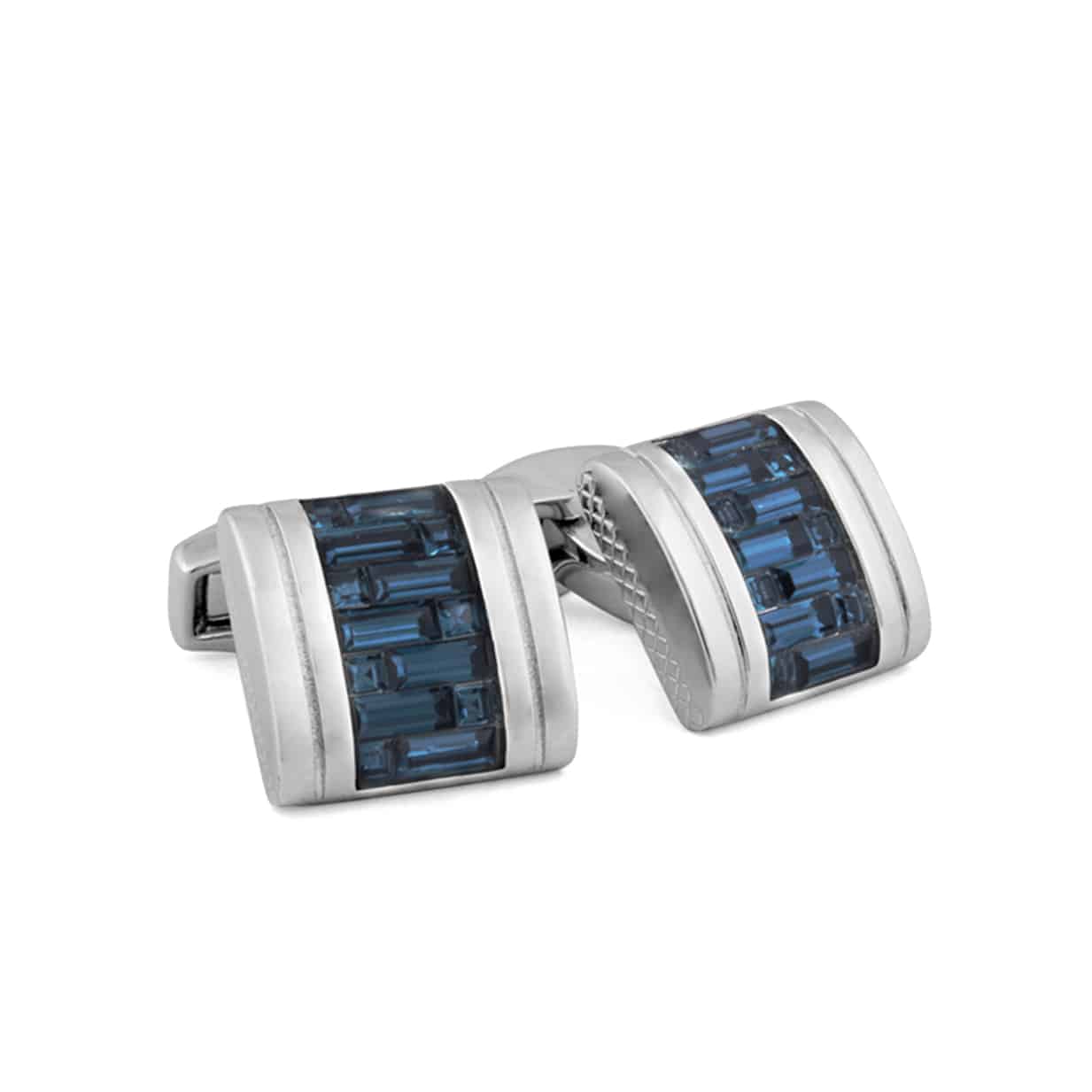
Keep accessories minimal: a watch, a simple cufflink if the shirt has double cuffs, a quality belt. Nothing that jangles, nothing that distracts.

FAQS: what should men wear for a job interview by industry
Opt for smart-casual attire: tailored chinos or trousers, a crisp shirt, and clean shoes. A blazer can elevate the look, but avoid overly formal suits unless required. Aim for polished, approachable, and professional.

Clean, well-maintained shoes are essential. Leather or suede loafers, brogues, or smart trainers in neutral colours work best. Avoid worn-out or overly casual footwear like flip-flops or trainers.

Wearing clothes that are too casual, wrinkled, or ill-fitting is the most common error. Overly loud colours, logos, or distracting accessories can also hurt your impression. Keep it clean, simple, and polished.

Yes, in traditional industries such as finance, law, or consulting, suits remain the standard. For more casual industries, a smart-casual look is acceptable, but leaning slightly more formal is safer than being too relaxed.

Neutral tones like navy, grey, or beige convey professionalism and confidence. Darker colours project authority, while subtle patterns add personality without being distracting. Avoid overly bright or flashy colours that can take attention away from your skills.

Absolutely. Hair should be neat, facial hair tidy, and personal hygiene impeccable. Attention to grooming signals respect for the role and professionalism.

Choose attire that reflects the industry. For corporate roles, a tailored suit with a crisp shirt and polished shoes works best. In creative or tech sectors, smart-casual outfits like chinos, a button-down shirt, and a blazer are appropriate. Always ensure your clothes are clean, well-fitted, and professional.

Understanding interview attire based on industry is a skill that can set you apart from the competition. Following the “one step higher” rule and paying attention to the level of formality in your field will ensure you make a positive and lasting impression. 
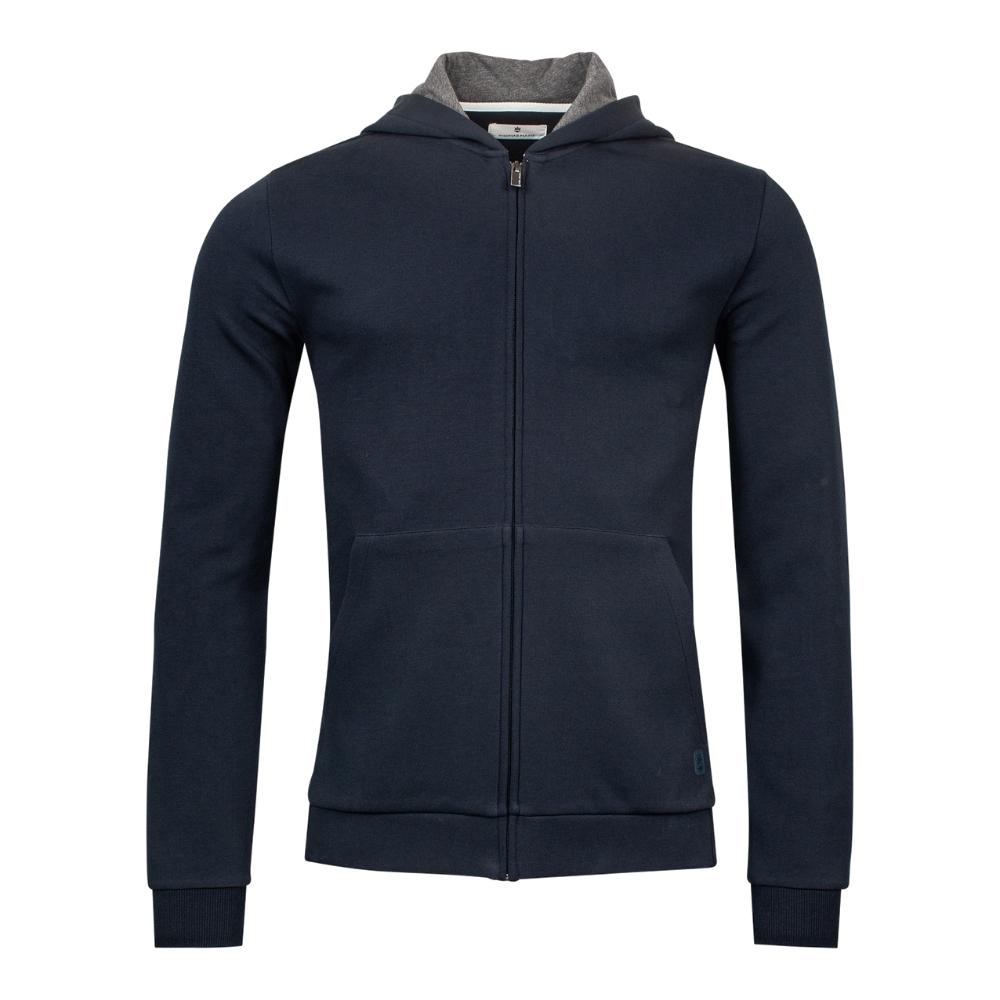
Whether you’re opting for strict business dress or a more relaxed business casual outfit, demonstrating your professionalism through a well put-together attire can give you the confidence to excel in any interview scenario.

what to wear to a job interview male casual
Agnieszka

Driven by a wide range of interests, from the world of art, marketing and to the realm of global affairs. I combine my innate appreciation for elegance and an international outlook in my work.

No Comments

Post A Comment