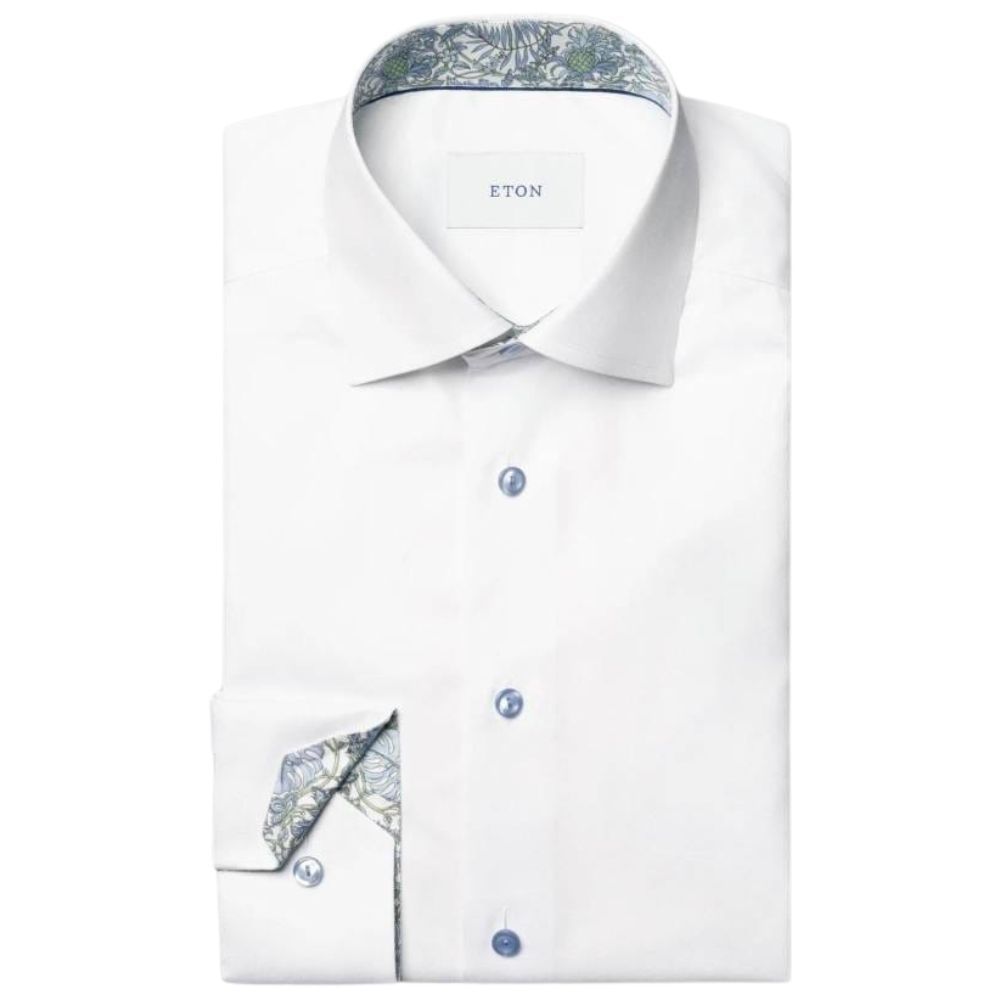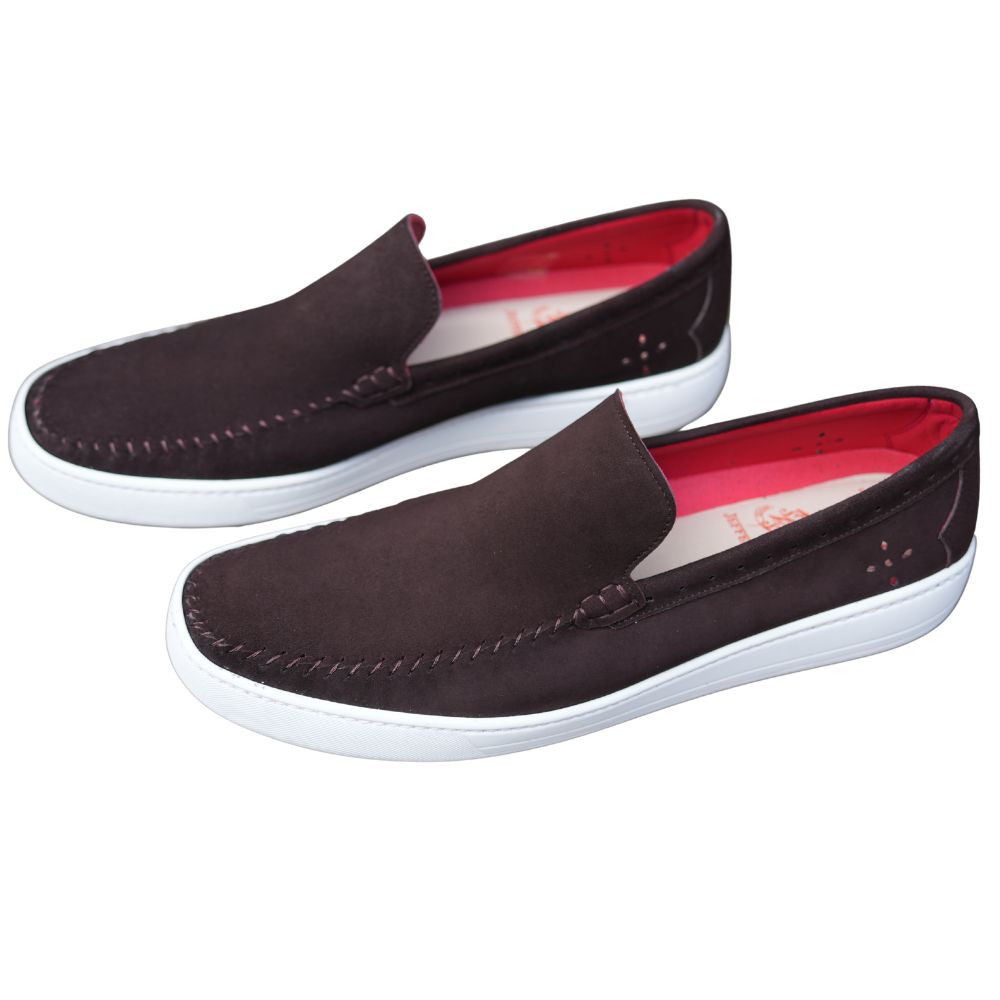
Men’s Accessories: The Finishing Touches That Make the Outfit
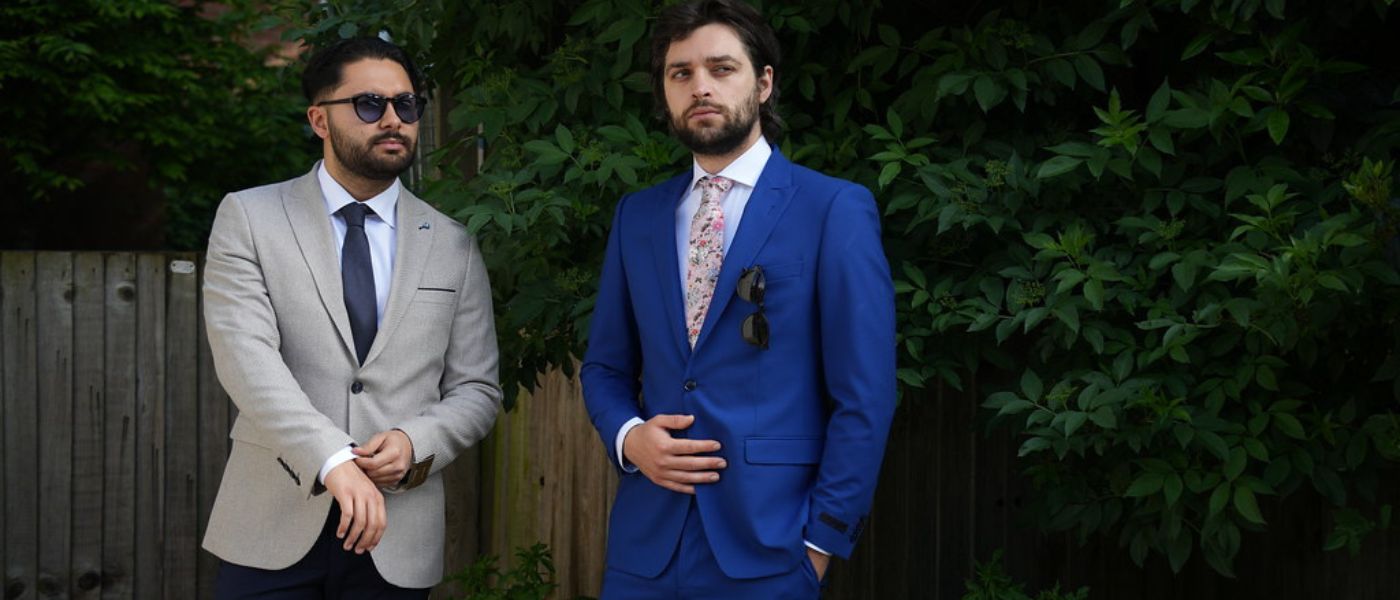
A suit is architecture. A shirt is the foundation. But it is the accessories – the tie, the pocket square, the belt, the bag – that tell anyone paying attention exactly who you are.

Most men get the big things right and let themselves down in the details. A beautifully cut BOSS suit worn with a polyester tie and a forgotten belt is a story with a weak ending. The difference between dressing well and dressing with genuine distinction is almost always found in the finishing touches.

This is the definitive guide to men’s accessories: what to own, how to wear it, how to combine it, and how to make it work for every occasion in your life. Whether you’re building from scratch or refining what you already have, this is where good dressing becomes great dressing.

Men's Accessories: The Finishing Touches That Make the Outfit
Why Accessories Matter More Than Most Men Think

There is a persistent misconception in men’s dressing that accessories are supplementary – the last thing you add, the first thing you sacrifice when the budget runs short. This is exactly the wrong way to think about it.


Accessories have an outsized effect on how an outfit reads. They are what the eye catches first at close range. They signal care, taste, and intention in a way that even the finest suit cannot do alone. A man in an off-the-peg suit with an excellent silk tie and a considered pocket square looks like a man who knows what he’s doing. A man in a bespoke suit with a cheap nylon tie looks like he ran out of ideas at the finish line.


There is also the question of longevity. A quality leather belt, properly cared for, will outlast five suits. A silk tie from a serious maker will still be in rotation in fifteen years. Accessories are the investments that compound quietly in the background, growing better with age and rewarding the man who chose wisely.


Stock them well. Wear them with intention. The return on investment is considerable.

The Essential SIx: What Every Man Should Own

These are not aspirational. They are the foundation. Own one excellent version of each, and you can dress appropriately for virtually any occasion life places in front of you.

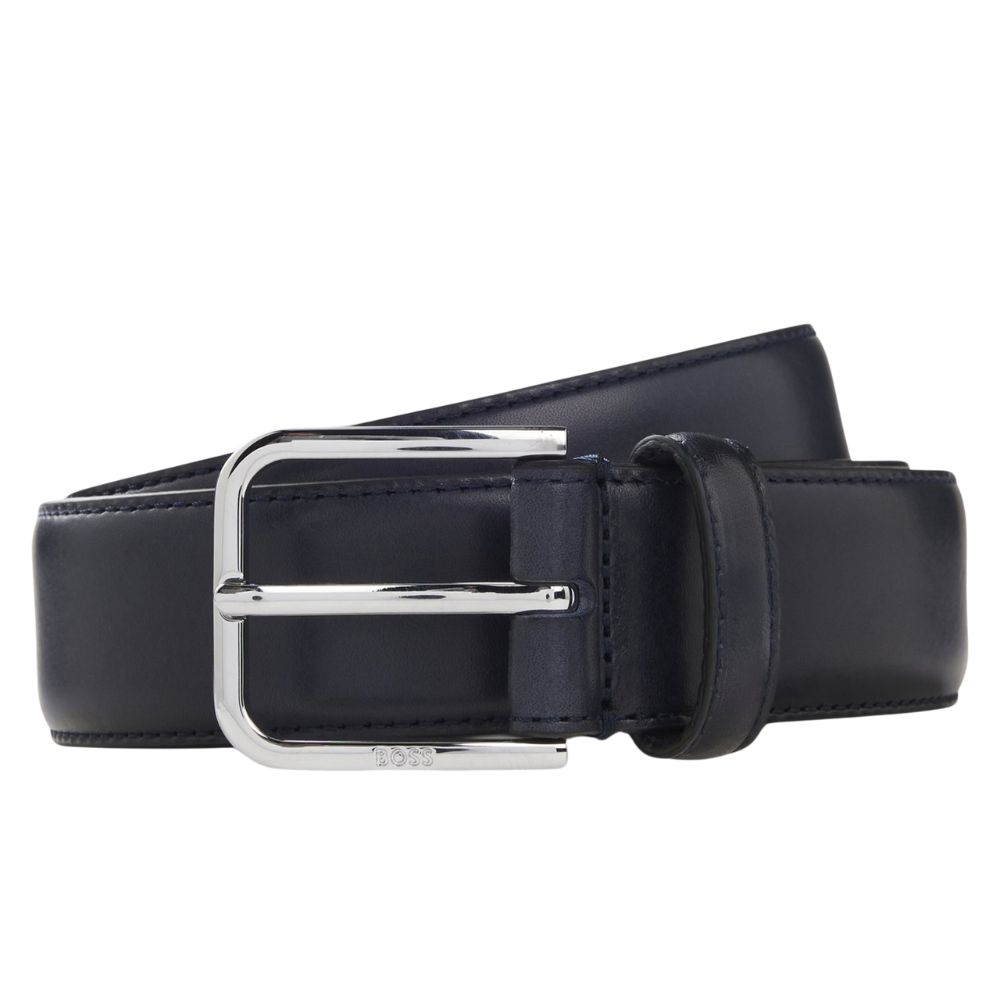
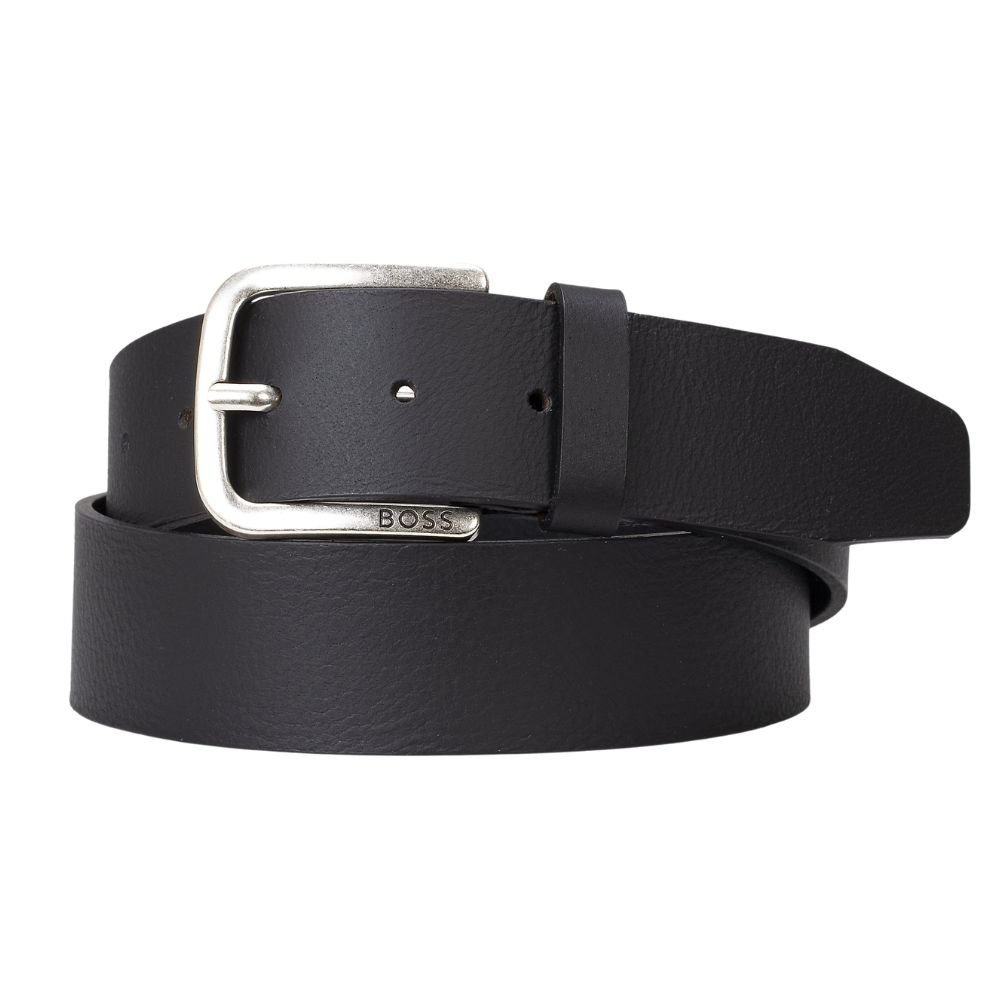
1. The Leather Belt

Start here, because it is the most overlooked and the most telling. A poor belt undermines everything above it.

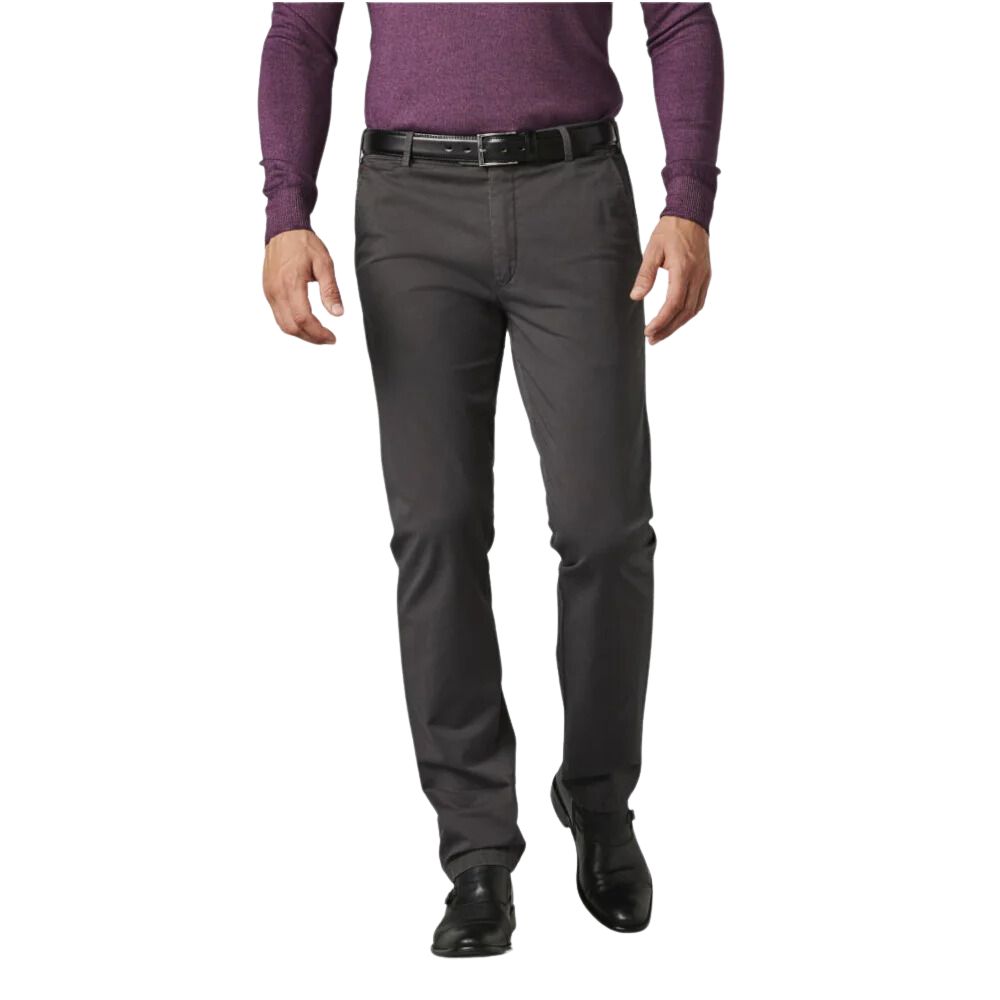
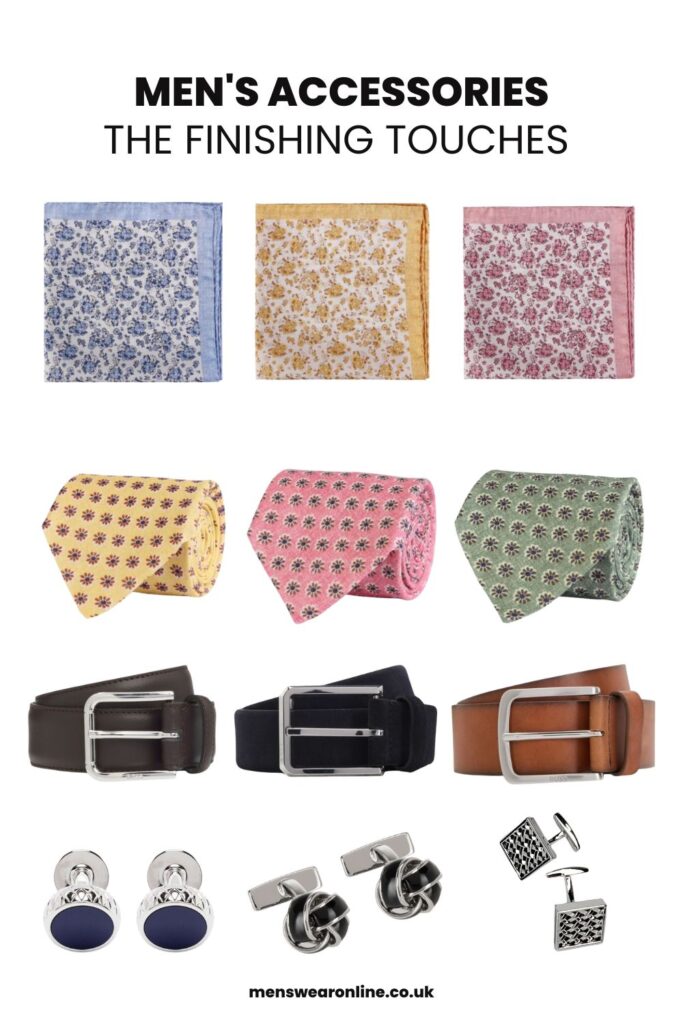
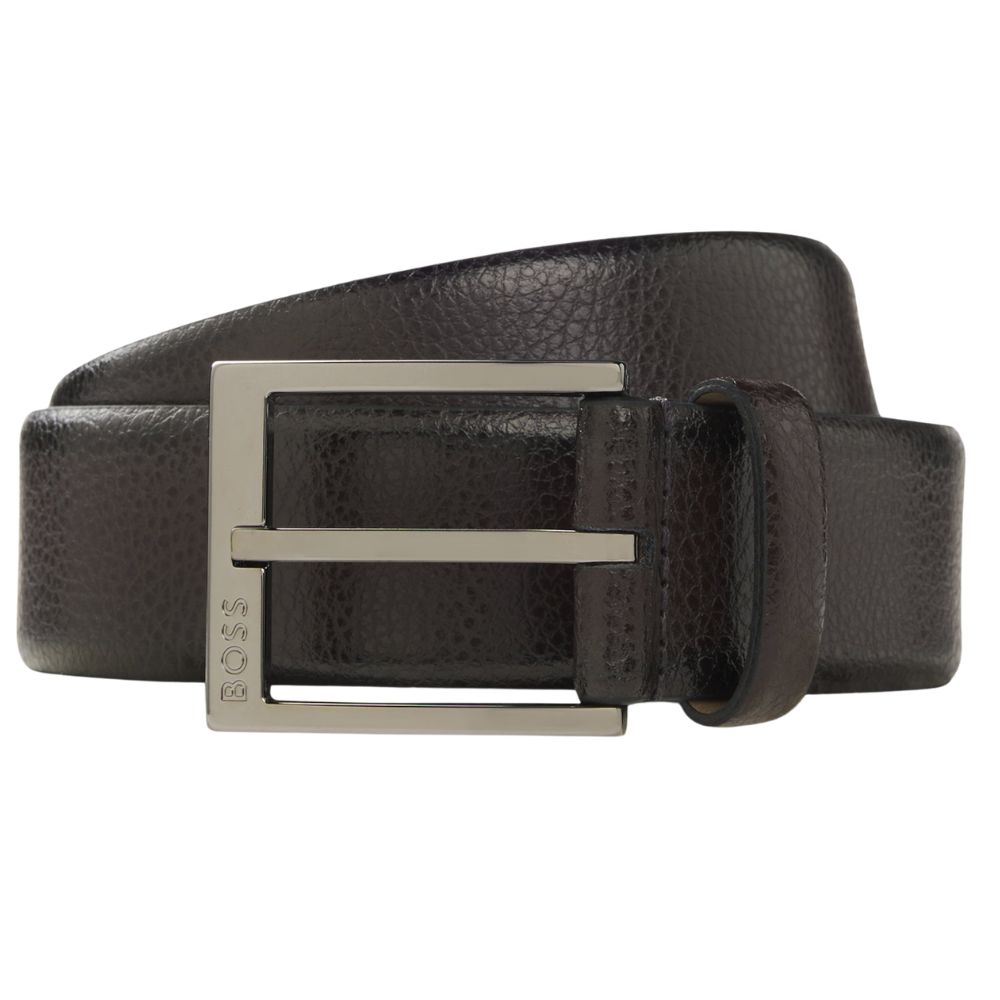
You need two: one in black, one in tan or mid-brown. Full-grain leather, plain or simple buckle, 35mm width for formal and smart casual wear. The rule is simple – your belt matches your shoes in tone and finish. Brown shoes, brown belt. Black shoes, black belt. Never mix.

A wide, casual belt has no business with a suit. A thin dress belt looks lost on weekend chinos. Width and weight must match the occasion.

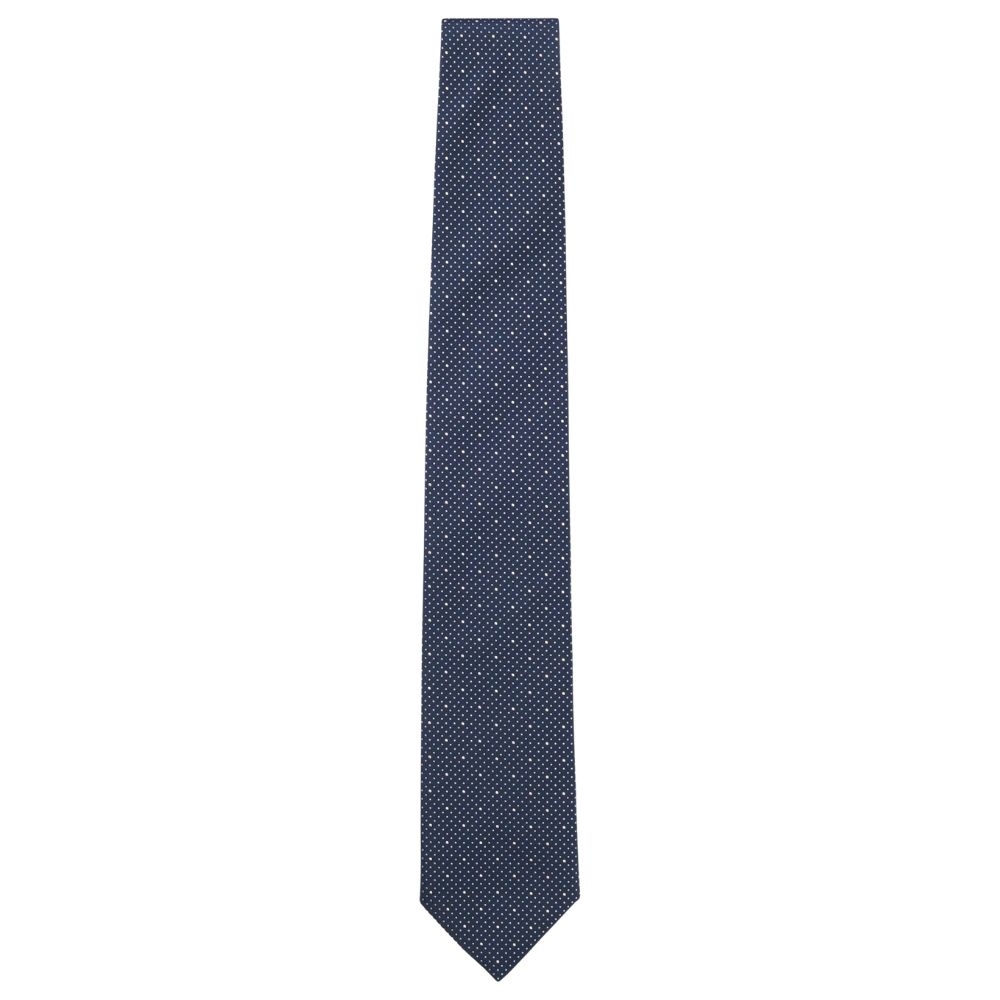
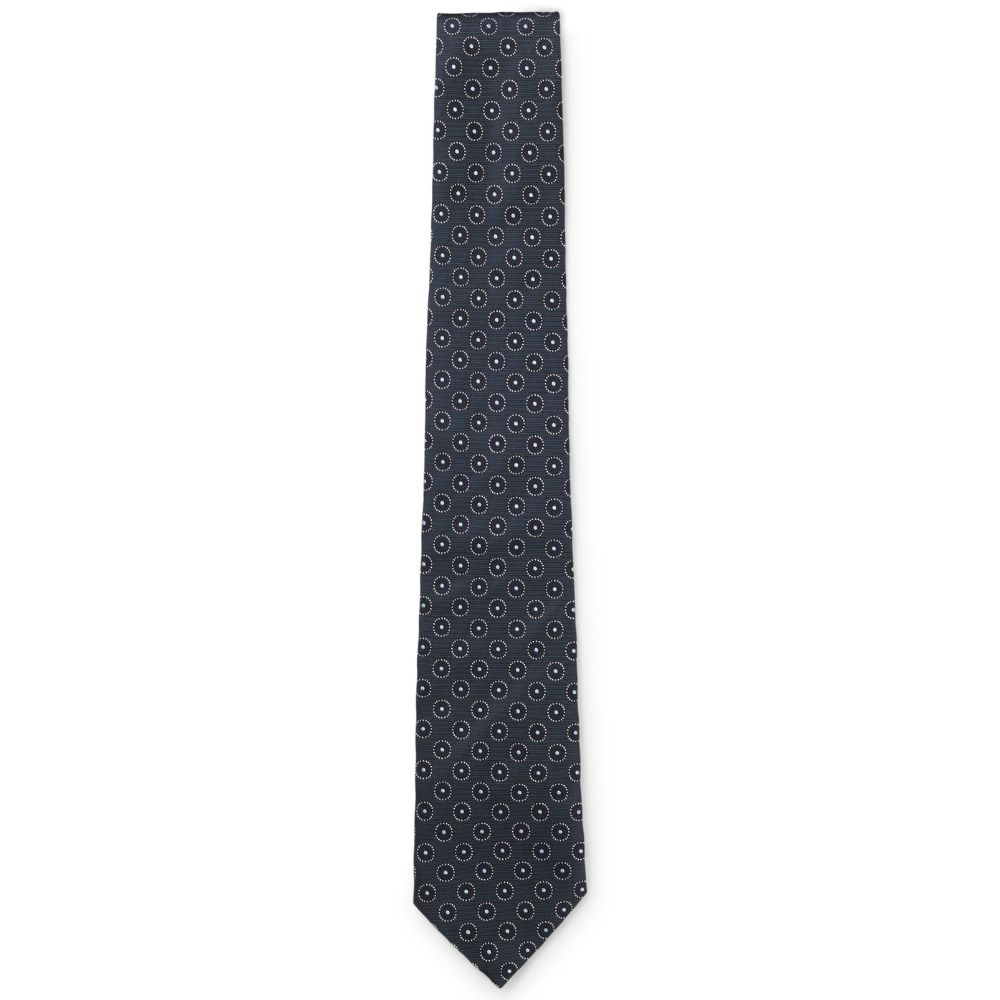
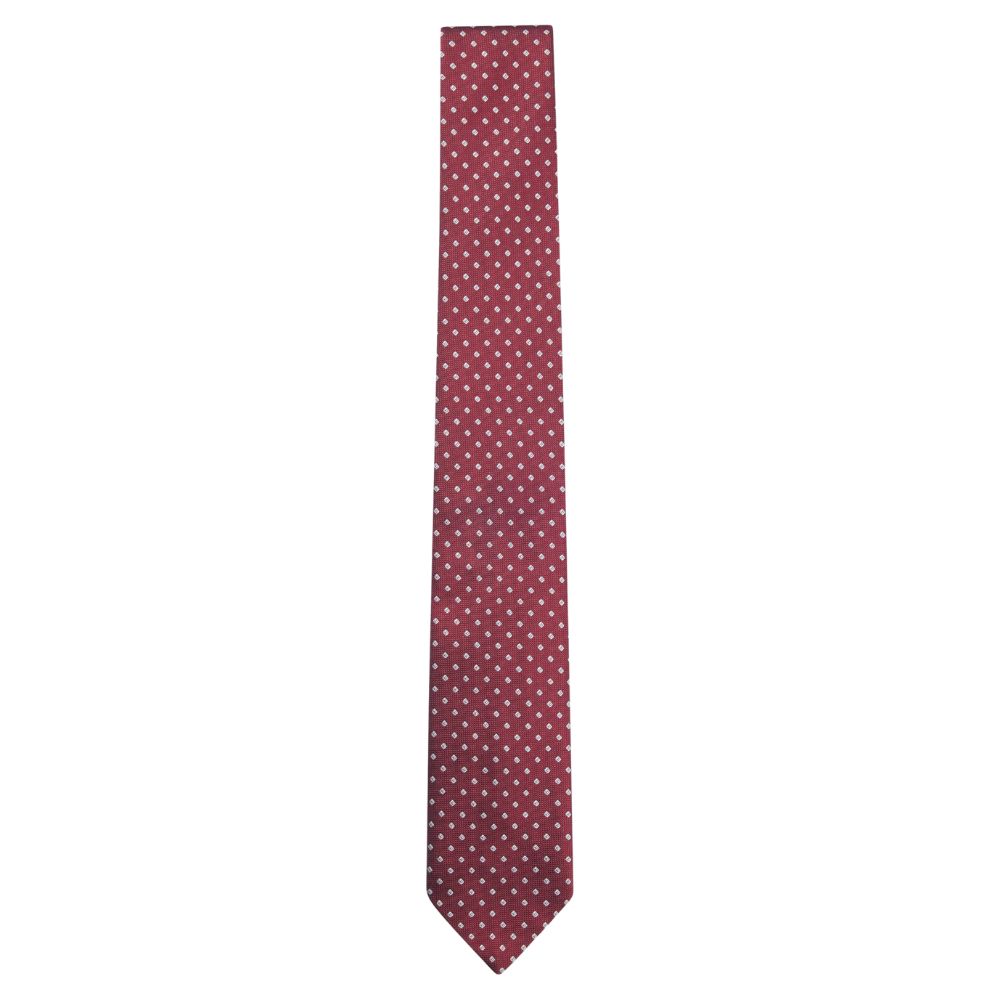
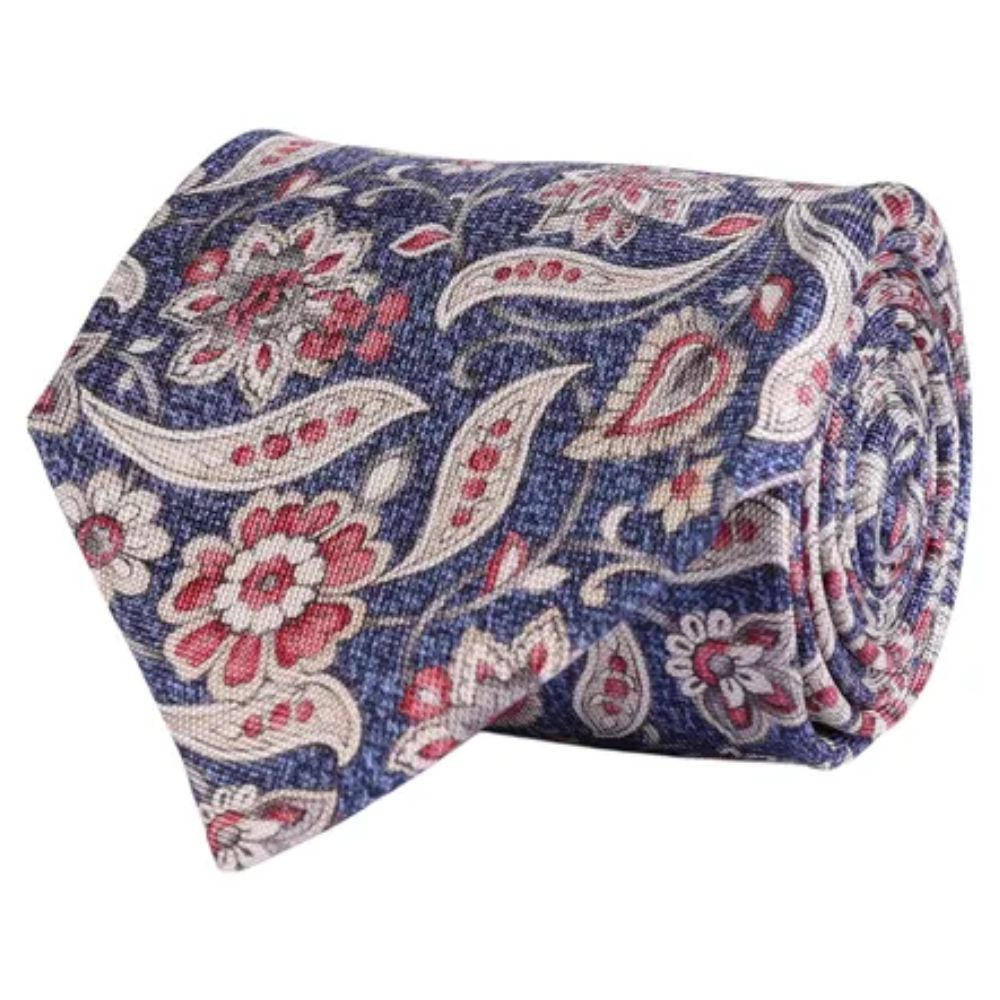
2. The Silk Tie

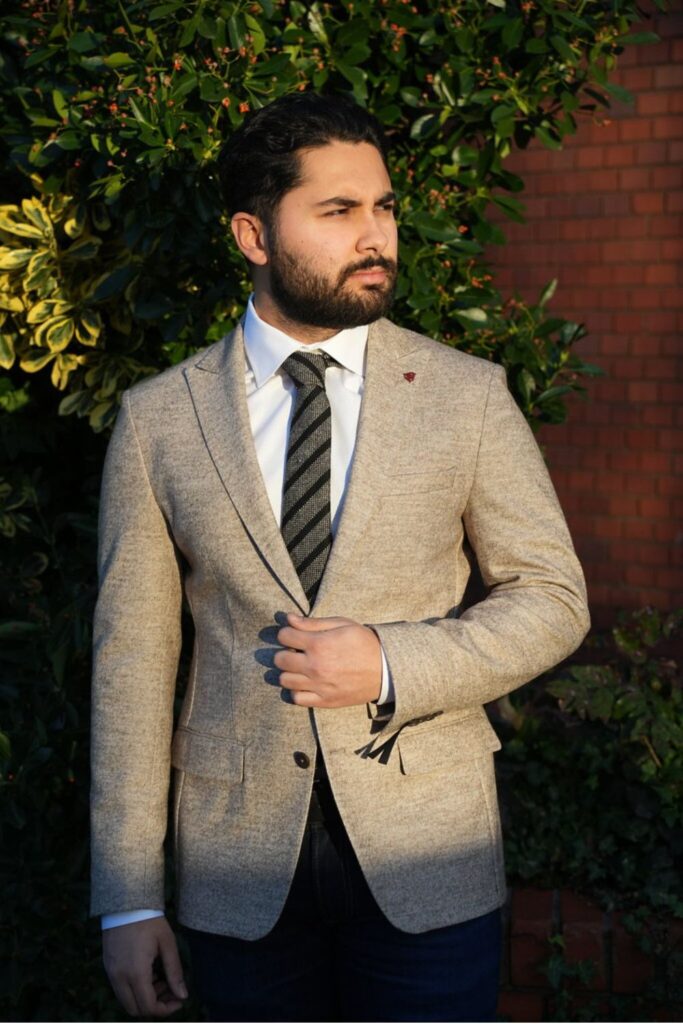
The single piece that does most of the editorial work in a formal or business outfit. Get this right and almost everything else falls into place.

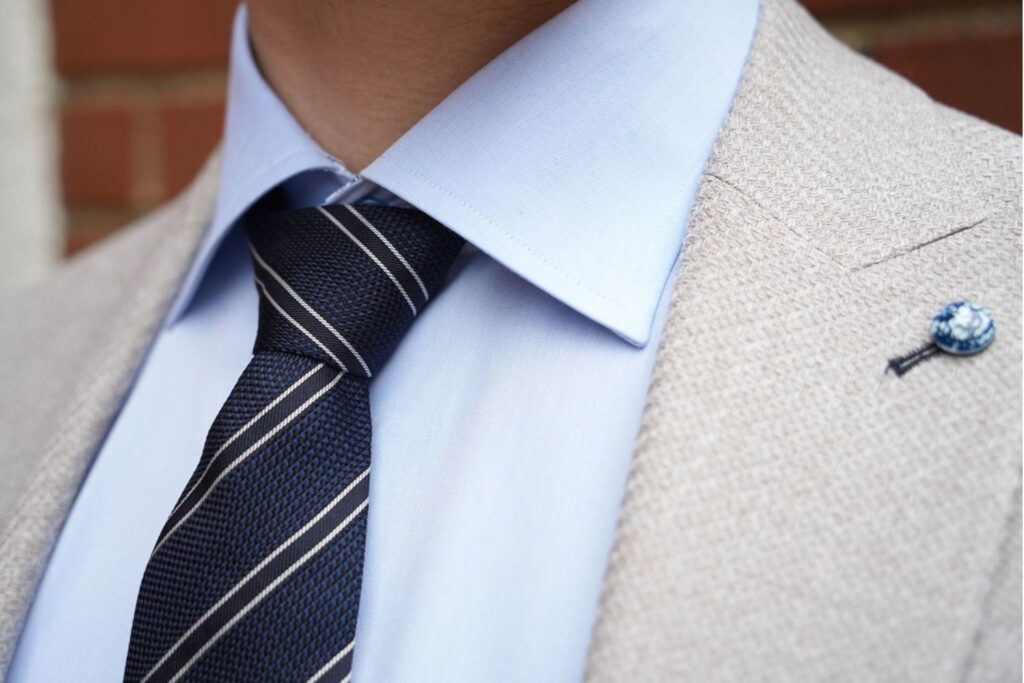
Begin with a grenadine tie in navy or dark burgundy. Grenadine is a woven silk with a subtle texture that photographs well, holds a knot beautifully, and reads as simultaneously classic and considered. From there: a plain silk in a second colour, then a stripe or a small pattern. Build slowly and deliberately.

Width follows your lapel: 7–8cm is the correct range for most modern suits and jacket lapels. Avoid anything narrower than 6cm unless you are dressing for a very specific aesthetic. Avoid anything wider than 9cm unless your suit genuinely calls for it.

Polyester is never acceptable at this level. If you can feel the difference between the tie and a silk shirt, it is not silk.

recreate the look

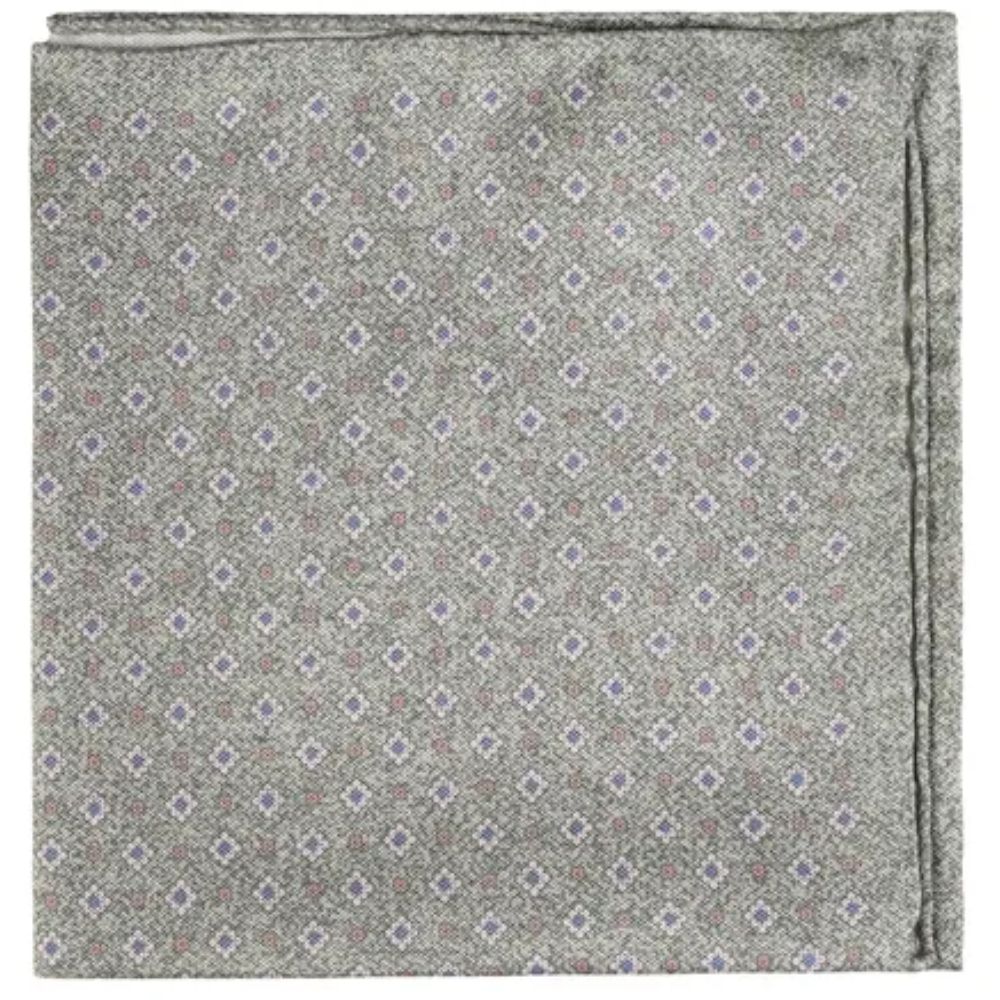
3. The Pocket Square

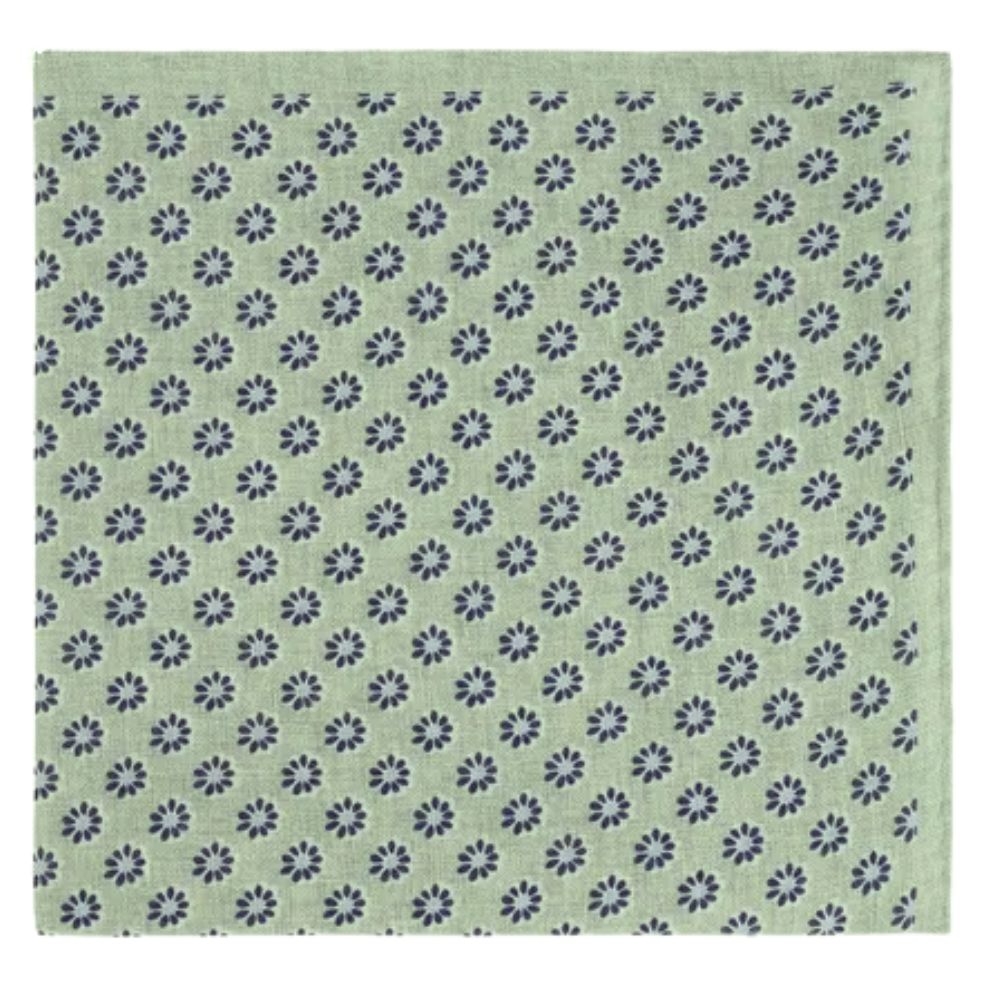
The pocket square is the single fastest way to elevate an outfit, and the single fastest way to look as though you are trying too hard if you get it wrong.

The entry point is white linen, flat fold or TV fold. It is always correct. It works with every suit, every shirt, every occasion. Master this before you move on.

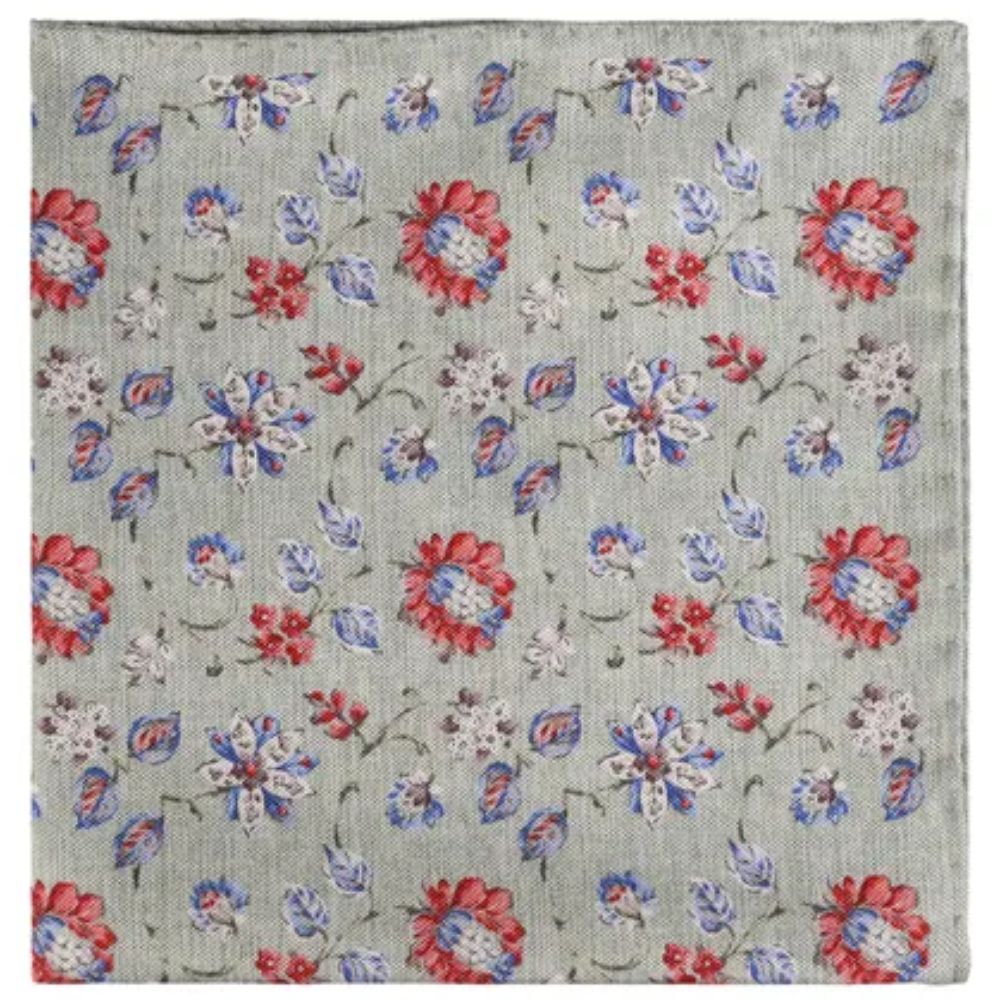
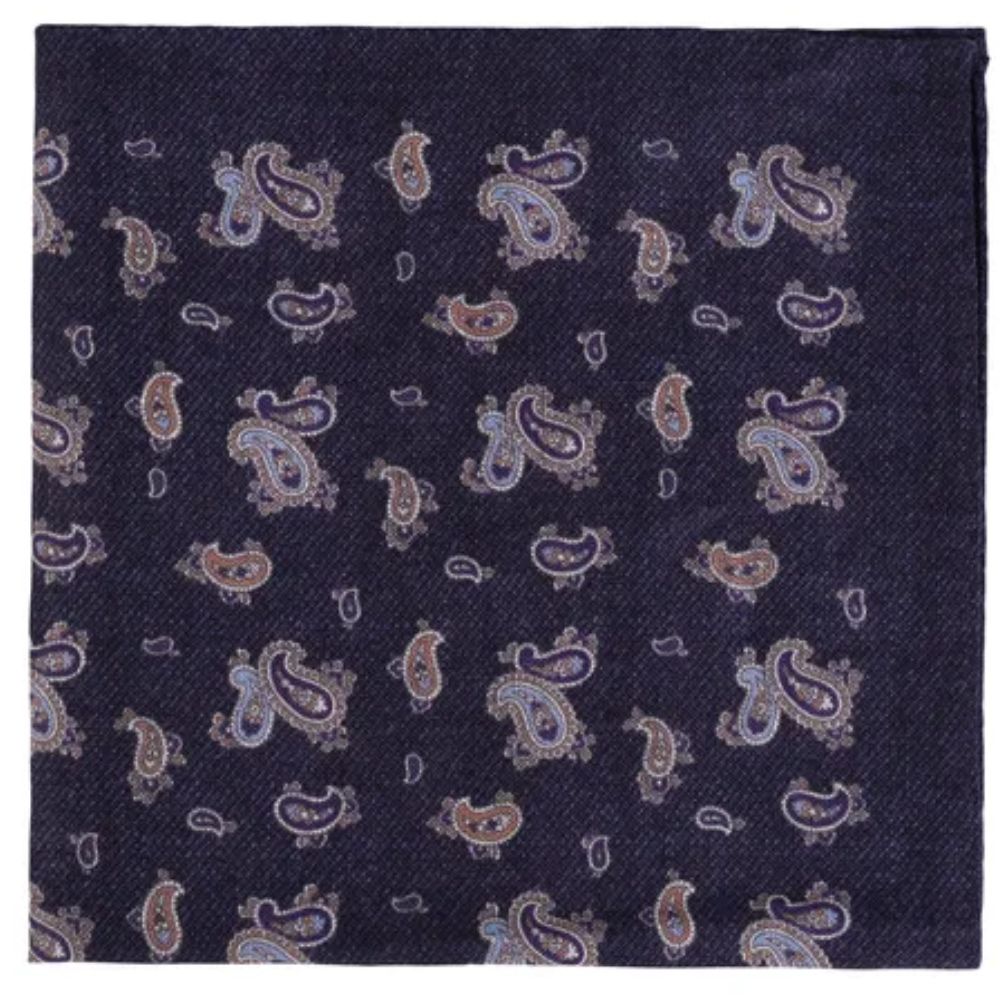
From there: linen in cream or ivory, silk in a pattern that echoes – but does not match – your tie. The pocket square should have a conversation with the tie, not finish its sentences. A matching tie and pocket square set speaks of effort rather than taste.

For the fold: a clean, low-profile fold for business. A more expressive silk fold for occasion dressing. Never overdo the height – the square should just clear the breast pocket, not dominate it.

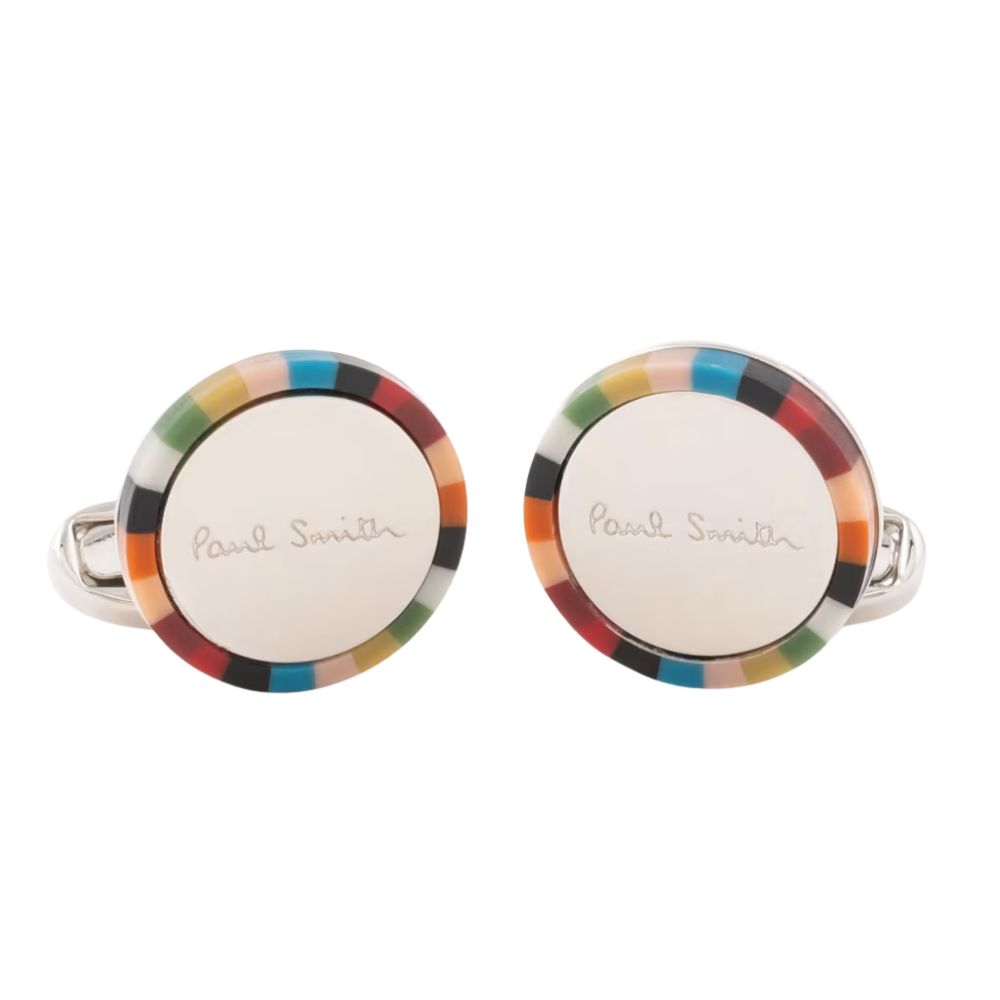
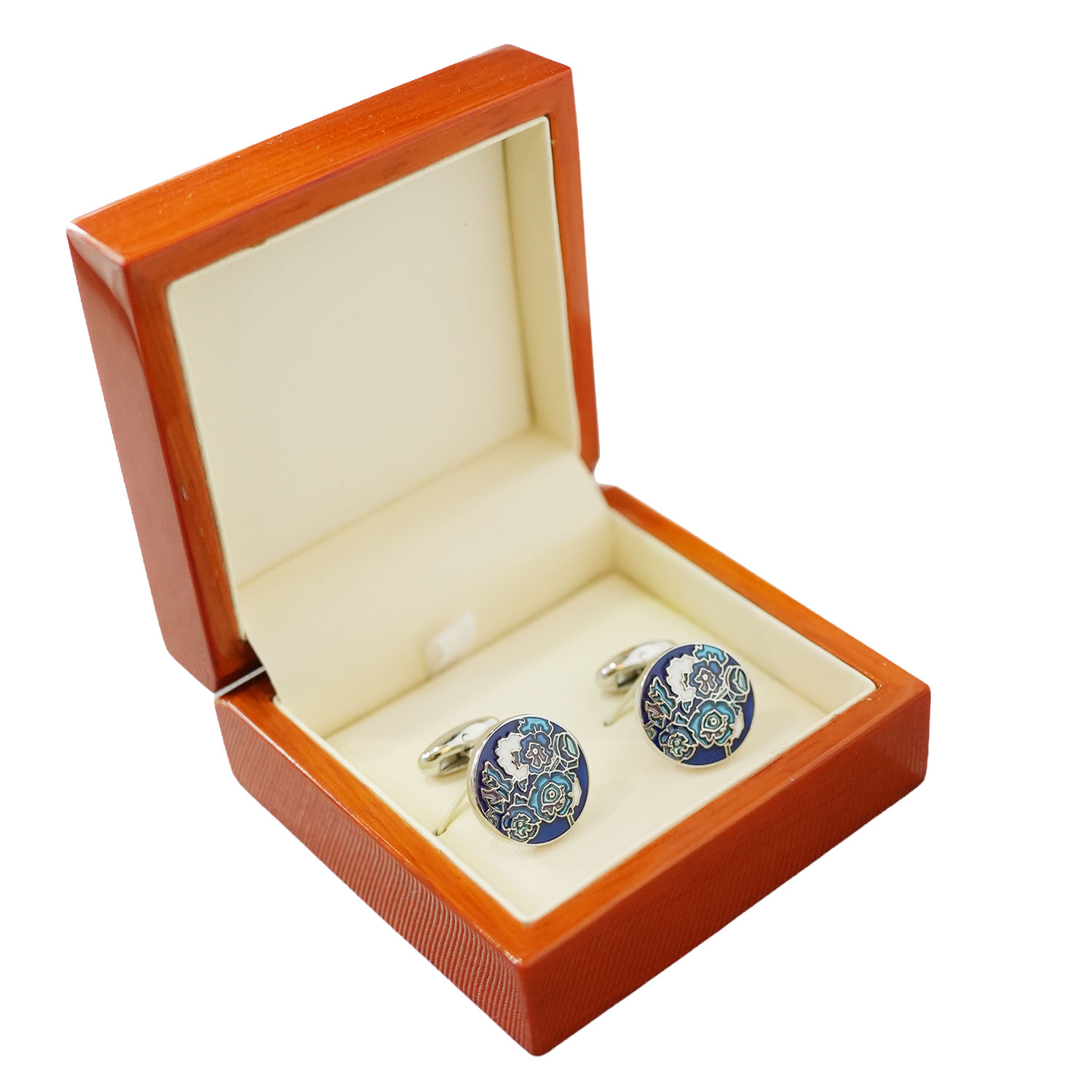
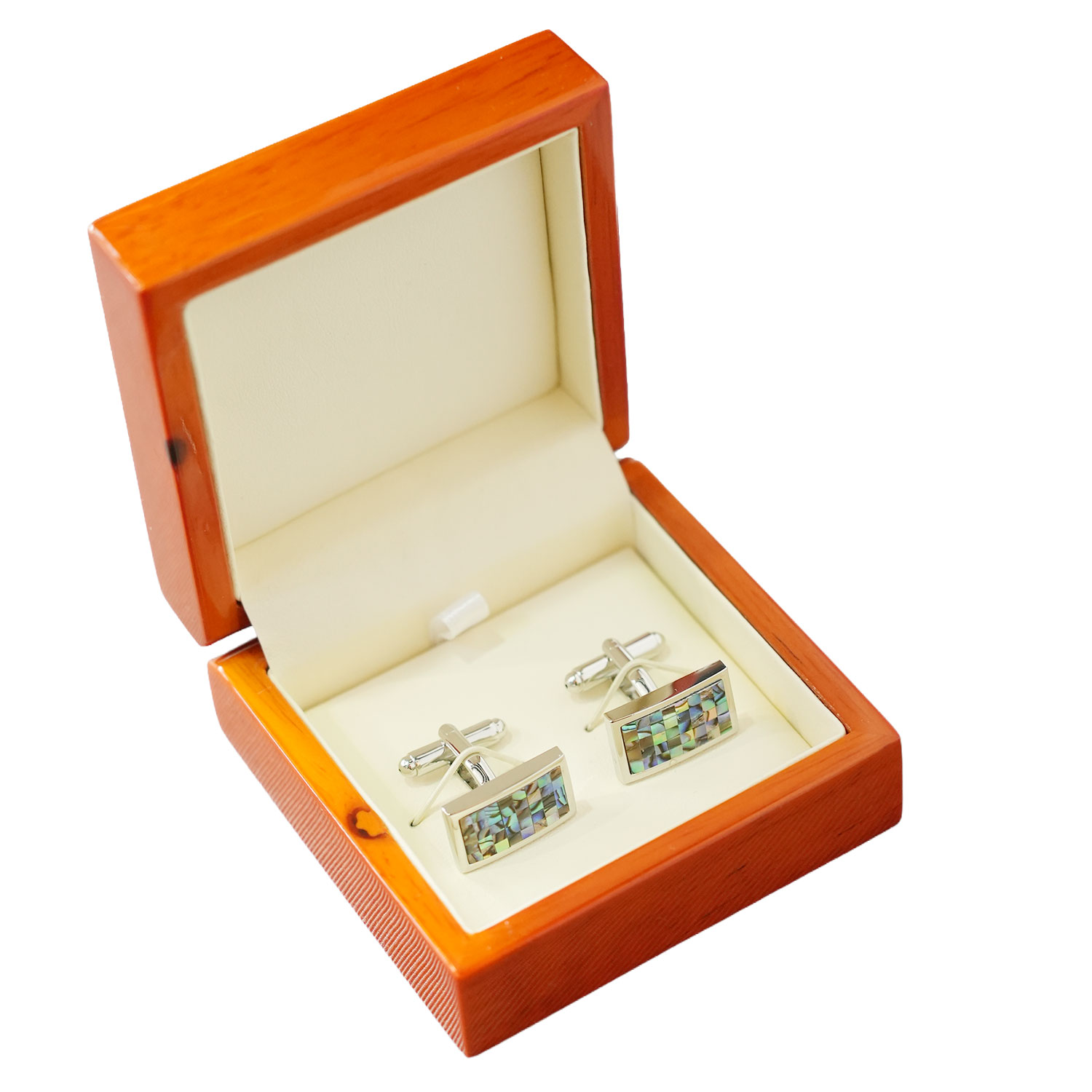
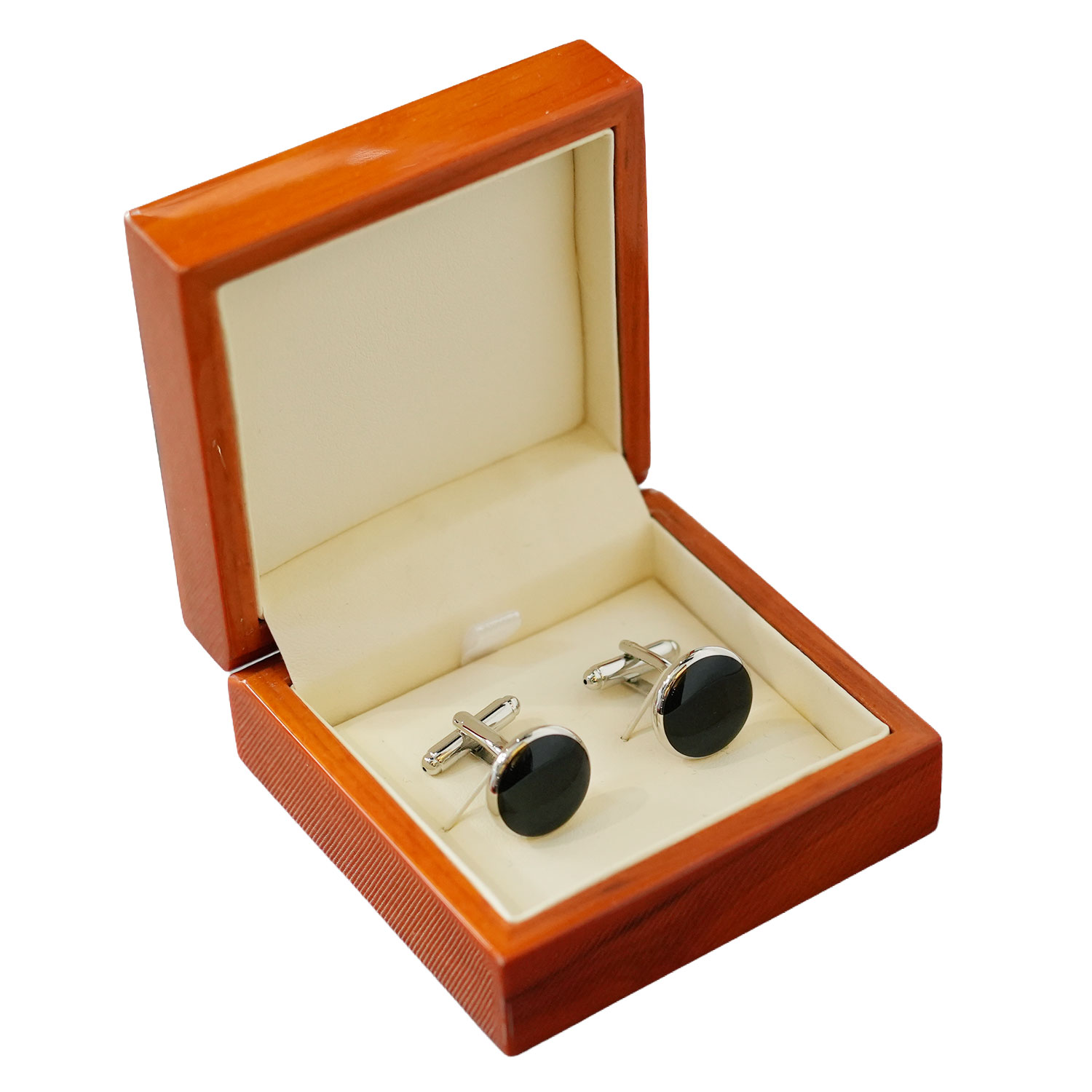
4. Cufflinks

Required for any double-cuff shirt, which every man in this bracket should own at least two of. Optional – but often excellent – for button cuffs with a suitable bar or link.

Start simple: a pair of plain knot cufflinks in silver, or a clean enamel set in navy. These will work with everything. Build from there to something with a bit more personality – an interesting stone, an unusual shape, a reference that means something to you.

Novelty cufflinks are not inherently wrong. They are conversation starters, and the right audience will appreciate them. Know when you are in front of the right audience.

Match your metals. Silver cufflinks with a silver-toned watch. Gold with gold. It is a small detail that costs nothing to observe and everything to neglect.

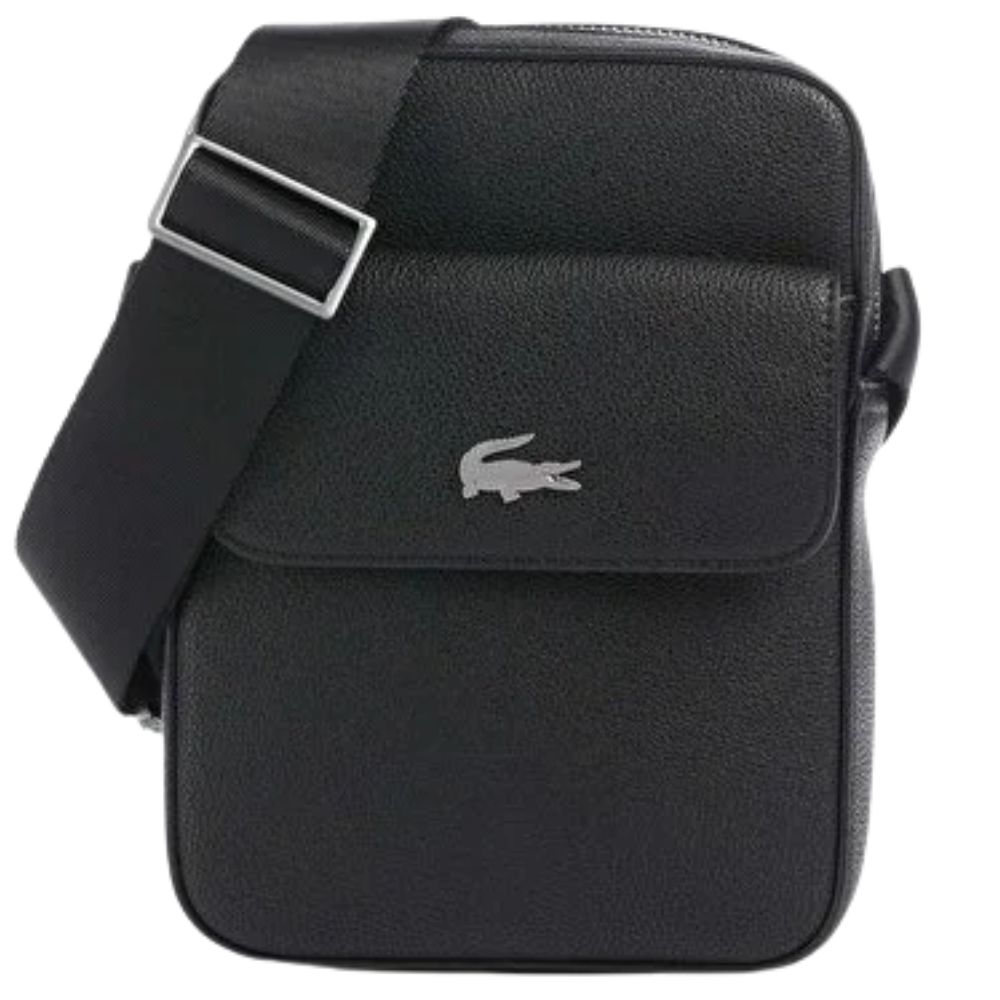
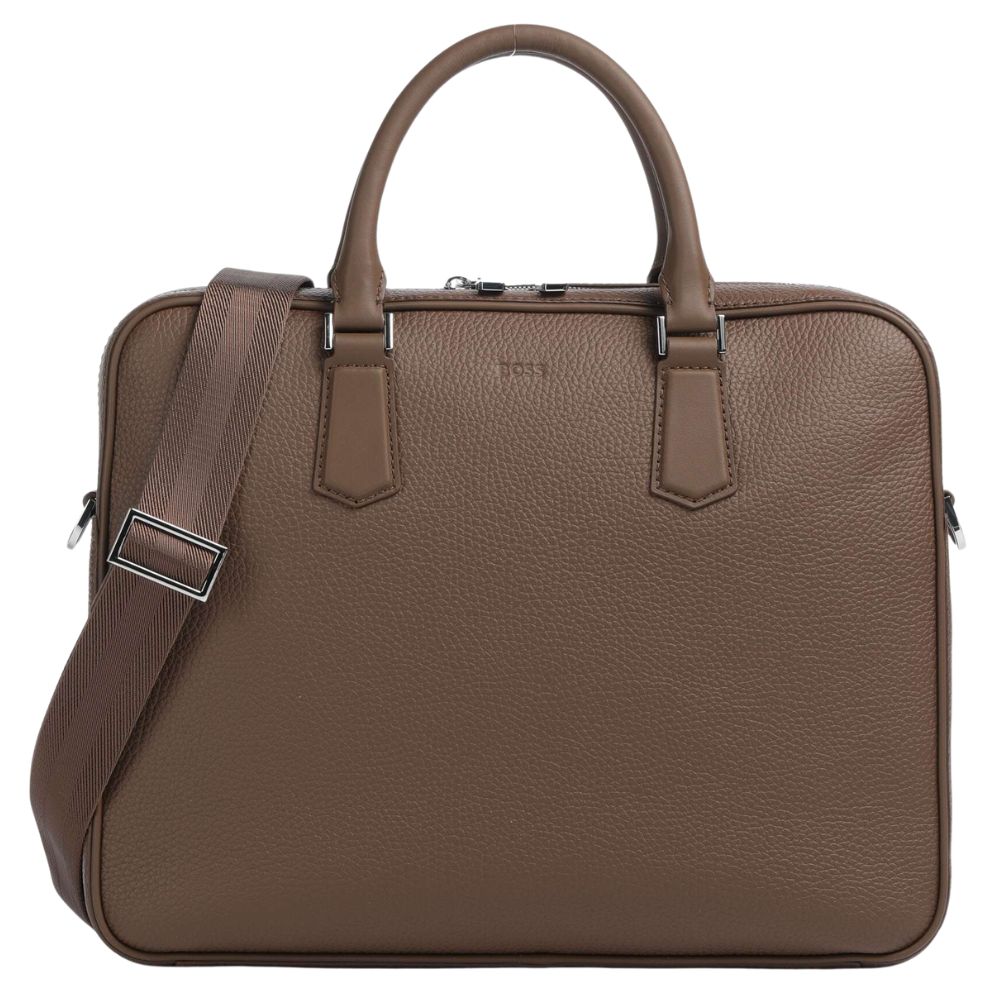
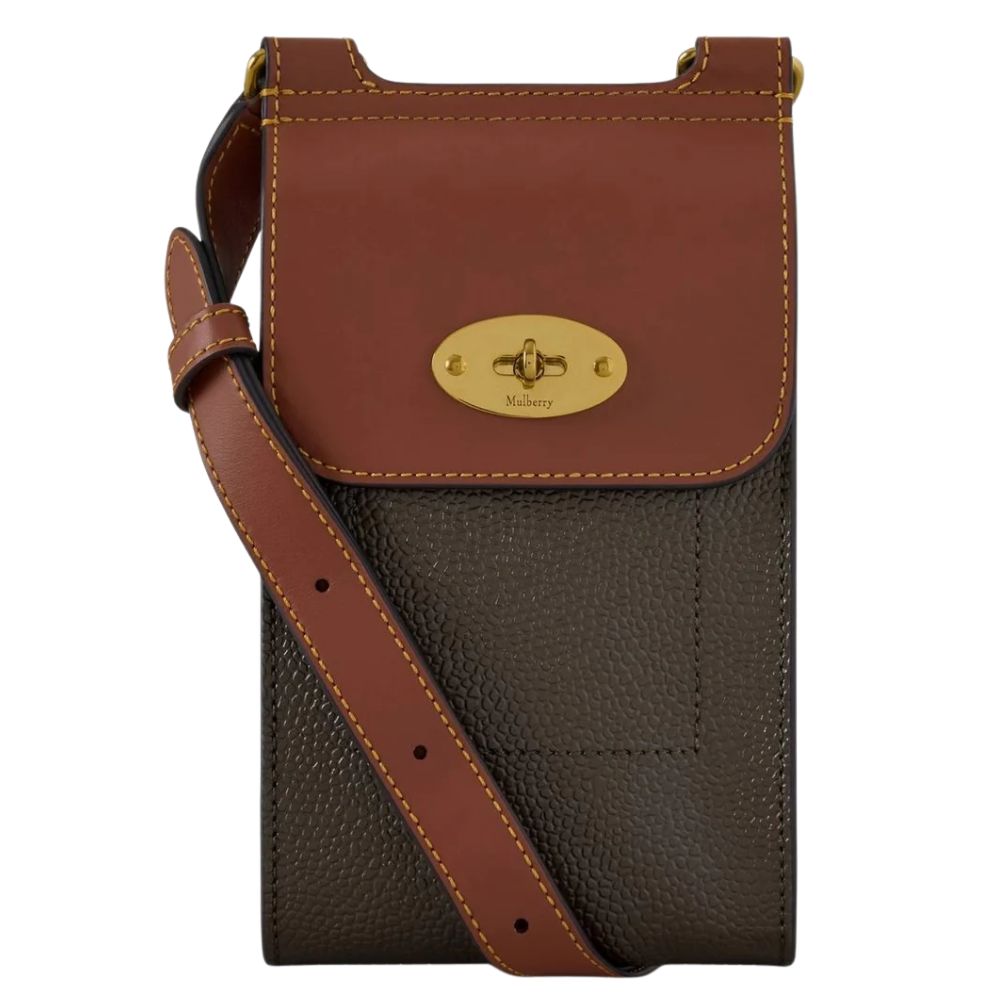
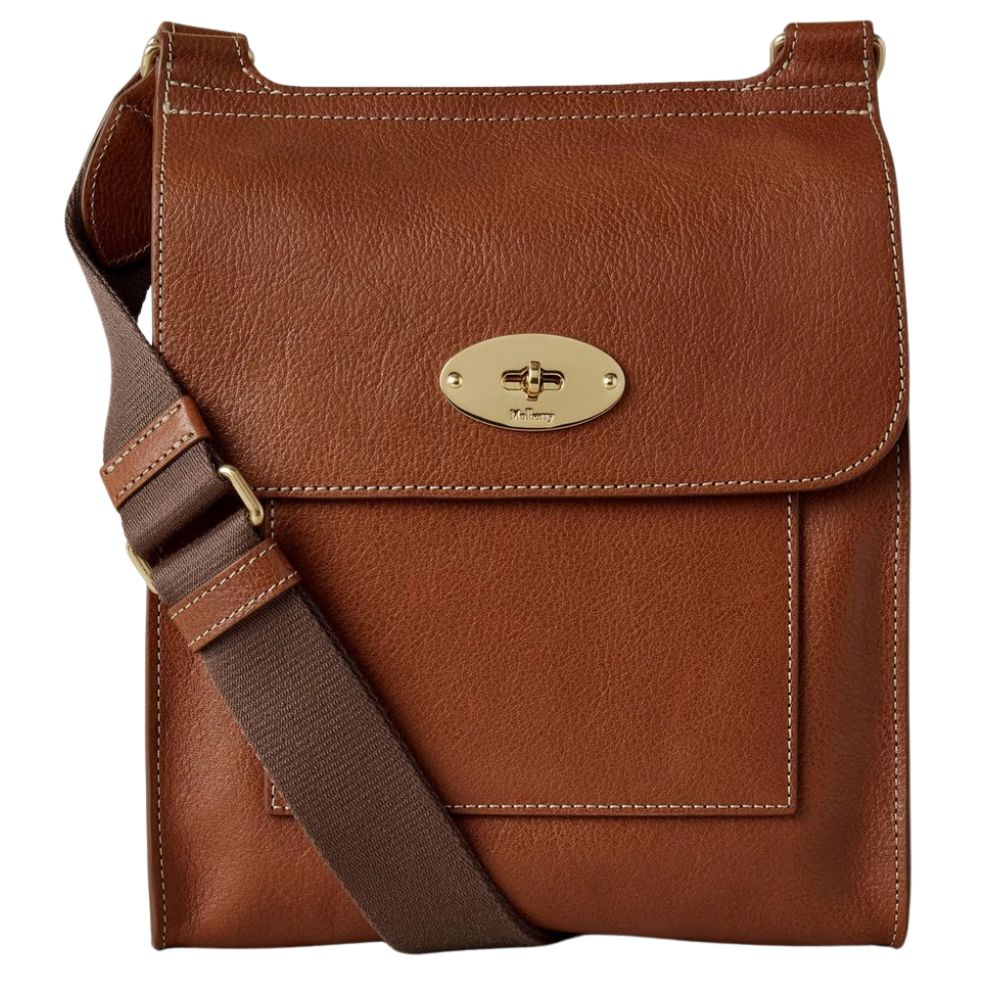
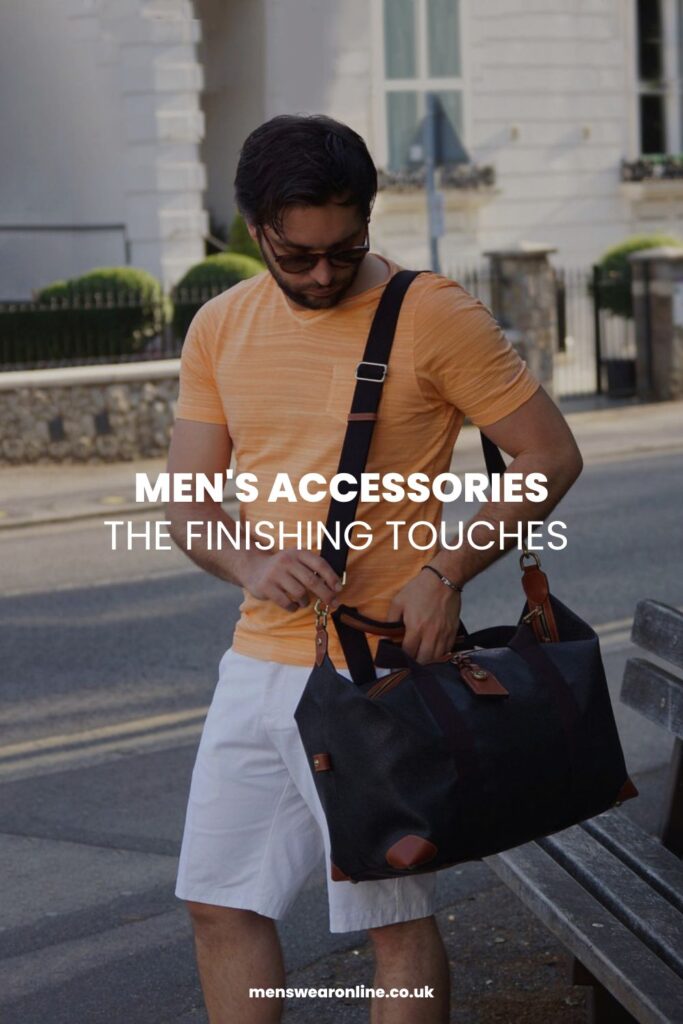
5. The Work Bag

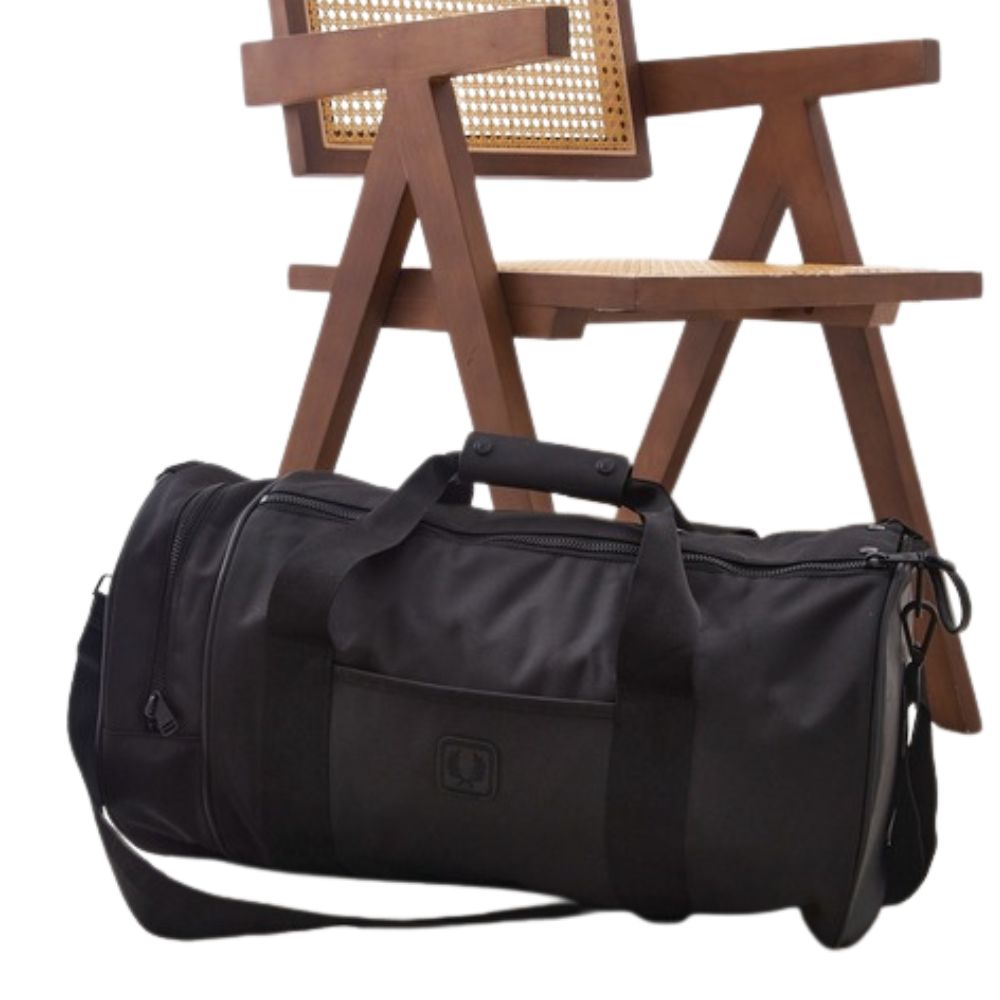
The bag you carry to a meeting, to the office, or onto a flight is not a neutral object. It is seen. It is noticed. It either adds to the picture you are creating or it quietly detracts from it.

A structured briefcase or leather tote in dark brown or black bridle leather is the investment choice. Bridle leather – tightly rolled and wax-finished – ages extraordinarily well, developing a patina that cheaper materials cannot replicate. It signals permanence. It signals that you buy things to keep.

The bag should be proportionate to you. A small man with an enormous holdall, a tall man with a slim envelope clutch – both look slightly wrong. Find the size that carries what you need without looking overstuffed or underprepared.

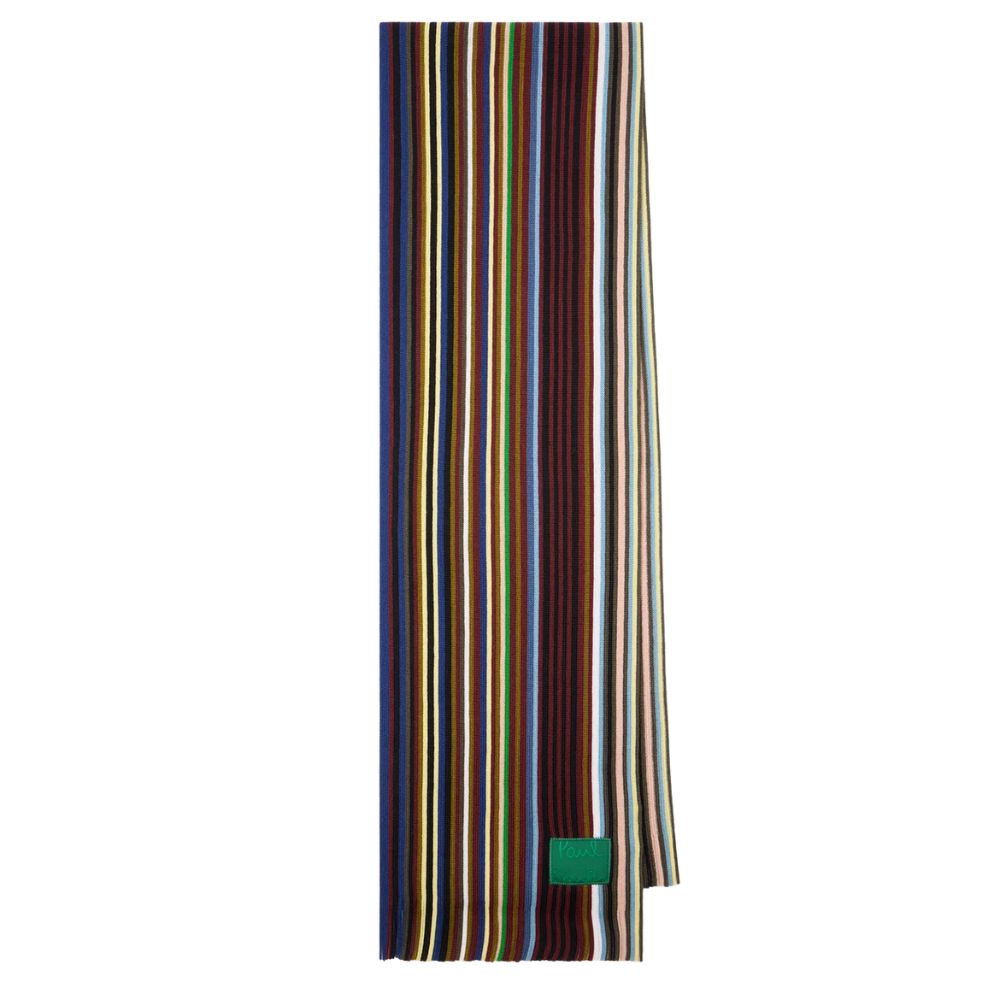
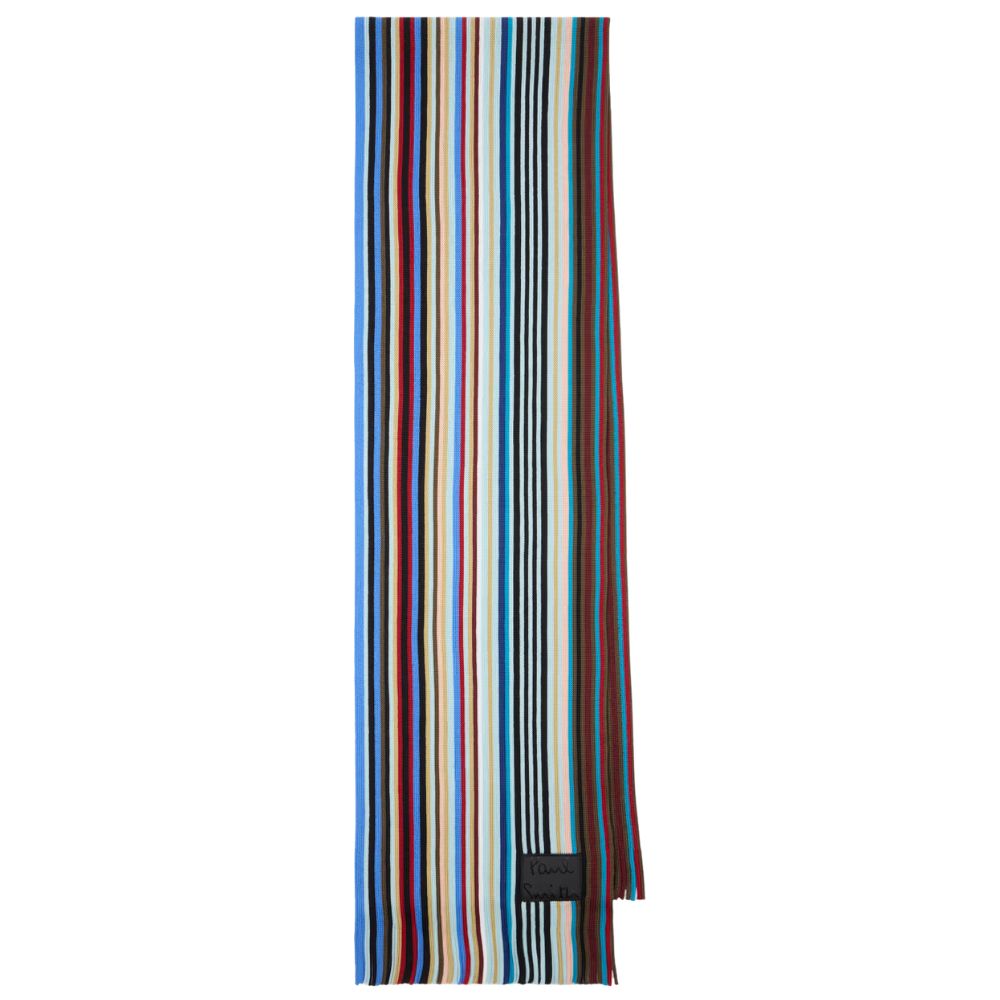
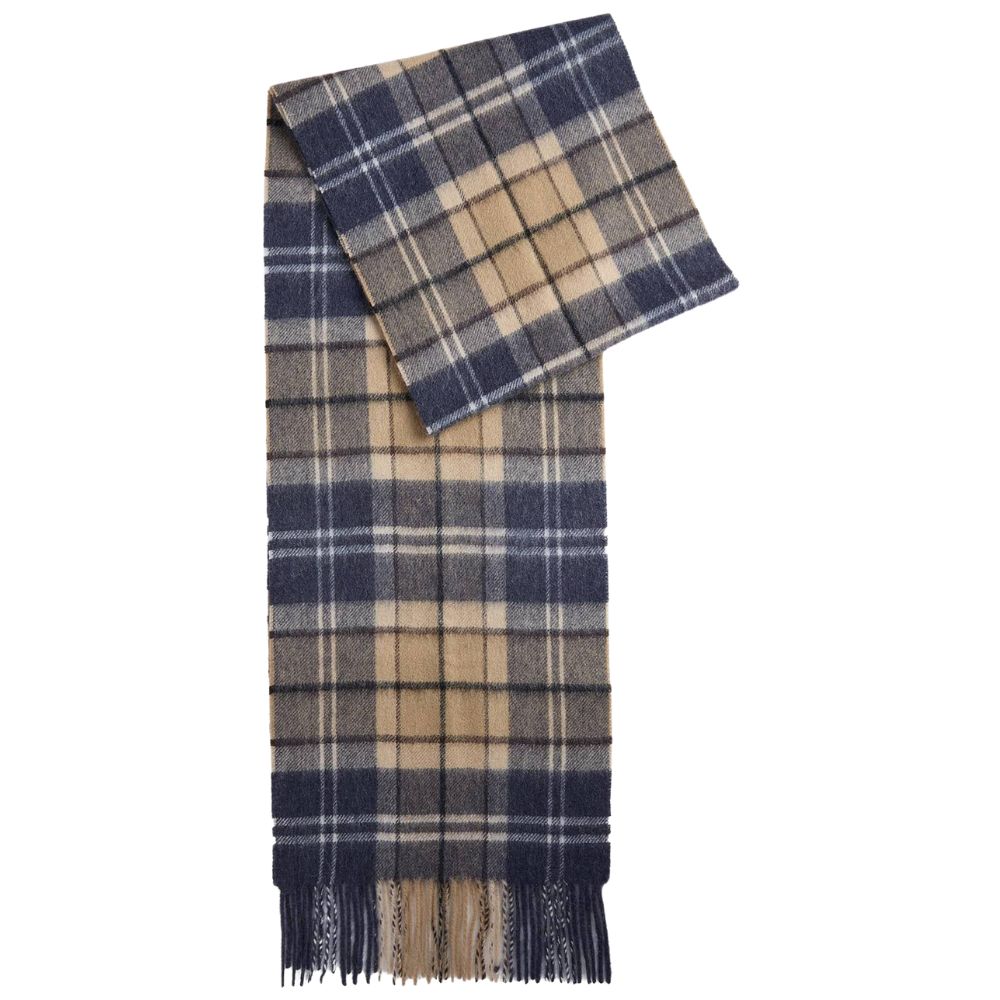
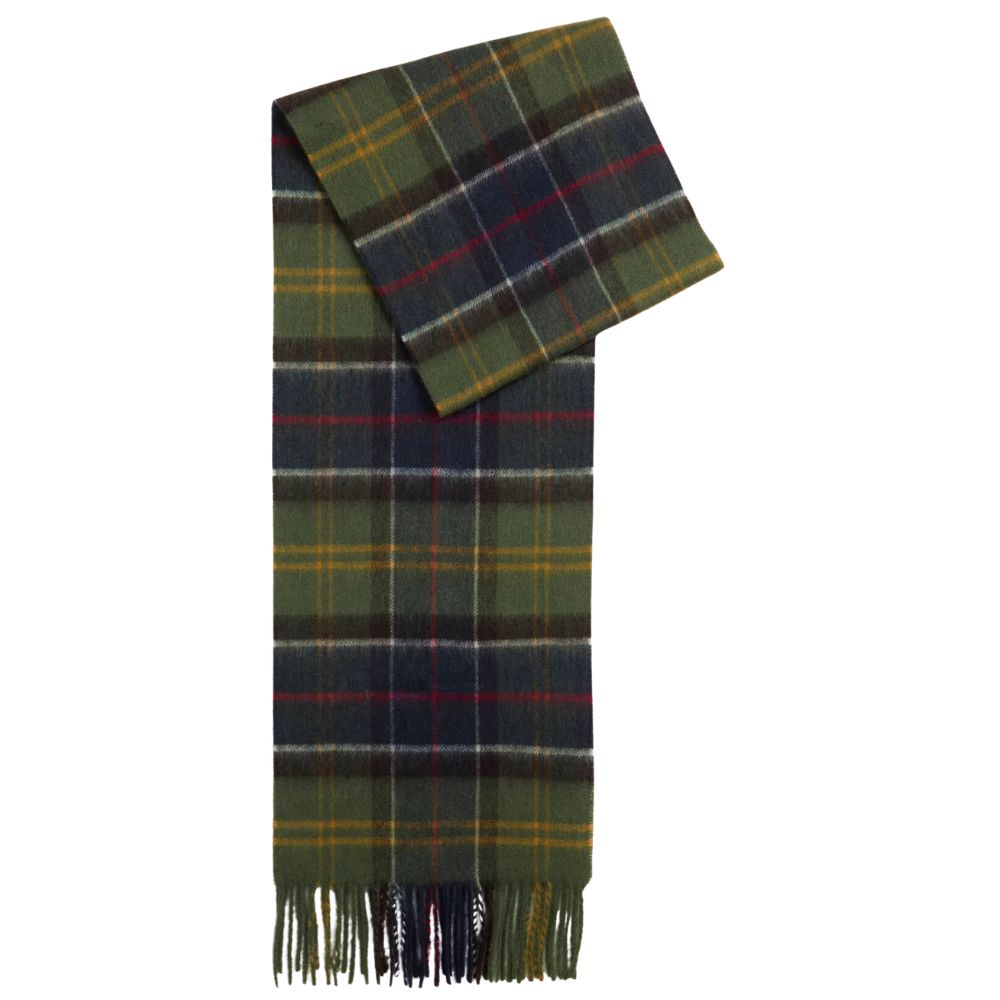
6. The Scarf

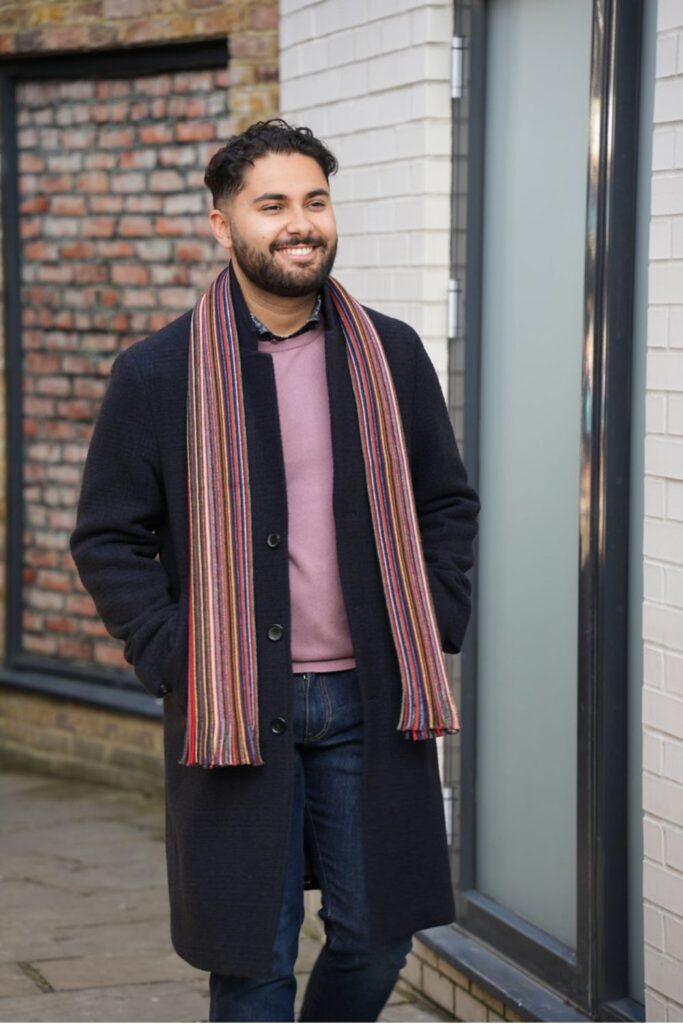
Cashmere or fine wool. Large enough to wear in multiple ways. A single, versatile colour – charcoal, navy, or camel – will integrate with every coat you own without requiring a decision.

The scarf is perhaps the most underrated item in this list. A simple overcoat with a well-chosen cashmere scarf becomes something entirely more considered. It is also the accessory that ages most gracefully: a quality cashmere scarf worn carefully will still be in your wardrobe in twenty years, looking better for the time.

recreate the look

How to Match and Combine Accessories

The goal is coherence, not uniformity. A matched set – identical colours throughout, perfectly co-ordinated from tie to belt – reads as effort rather than ease. The aim is for your accessories to feel as though they belong together without having been planned in a hurry.

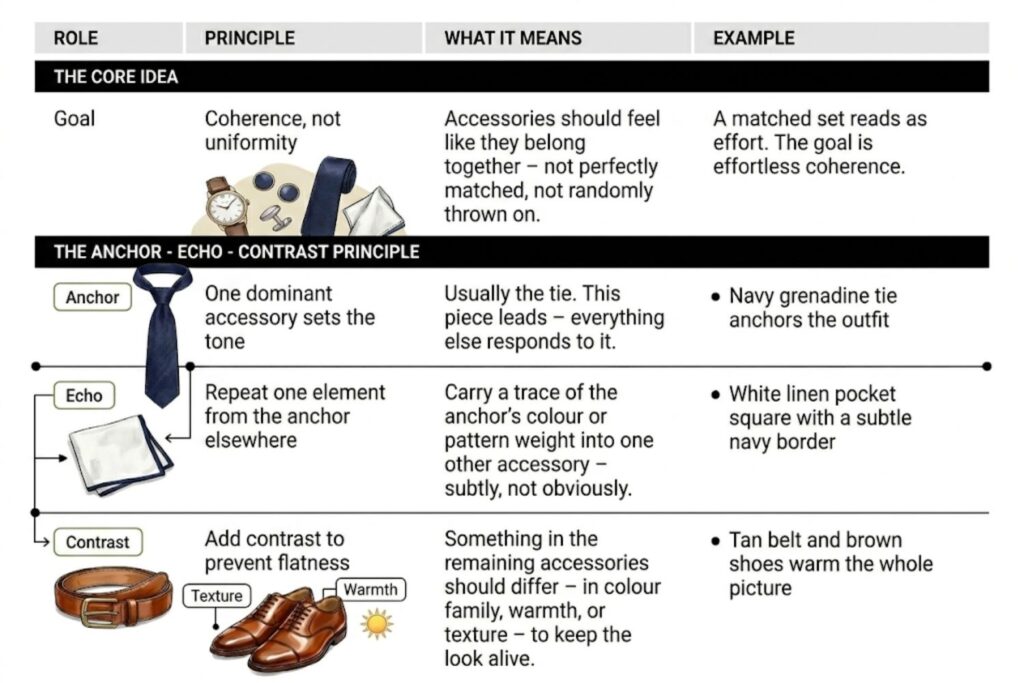
The Anchor, Echo, Contrast Principle

Choose one dominant accessory – usually the tie – and let it set the tone. Then echo one element from it elsewhere: a trace of the same colour in the pocket square’s border, a complementary pattern weight. Finally, contrast something in the remaining accessories to prevent the look from becoming flat.

A navy grenadine tie anchors the outfit. A white linen square with a subtle navy border echoes it. A tan belt and brown shoes contrast, warming the whole picture.

How to match and combine accessories

Role Principle What it means Example
The core idea
Goal Coherence, not uniformity Accessories should feel like they belong together - not perfectly matched, not randomly thrown on. A matched set reads as effort. The goal is effortless coherence.
The anchor - echo - contrast principle
Anchor One dominant accessory sets the tone Usually the tie. This piece leads - everything else responds to it.
Navy grenadine tie anchors the outfit
Echo Repeat one element from the anchor elsewhere Carry a trace of the anchor's colour or pattern weight into one other accessory - subtly, not obviously.
White linen pocket square with a subtle navy border
Contrast Add contrast to prevent flatness Something in the remaining accessories should differ - in colour family, warmth, or texture - to keep the look alive.
Tan belt and brown shoes warm the whole picture
Men's Accessories: The Finishing Touches That Make the Outfit
Ties and Pocket Squares

The most common question, and the one with the most room for error. The full guide is here – How to Mix and Match Tie and Pocket Square – but the working principles are these:

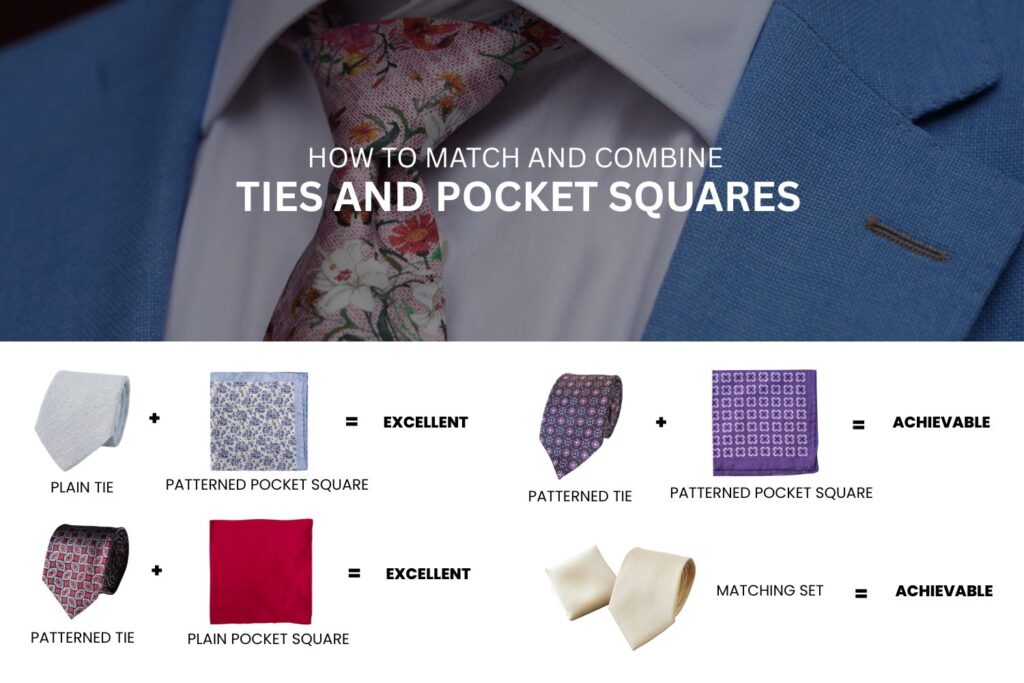
  • Plain tie, patterned square: excellent. The square can take more colour and personality when the tie is restrained.
  • Patterned tie, plain square: equally excellent. White linen is always the safe companion to a bolder tie.
  • Patterned tie, patterned square: achievable, but requires the patterns to be in different scales and the colours to be carefully related, not matching.
  • Never: an identical tie and pocket square set from the same fabric. It reads as a gift with the tags still on.


Metals and Leathers

Match your metals across cufflinks, watch case, and any visible hardware. Match your leathers across belt and shoes – tone and finish both. These are the rules that the right people notice when observed, and notice more keenly when broken.

For more on knots and how they affect the entire tie picture, see Mastering the Art of Tie Knots.

Ties, pocket squares, metals and leathers

Category Combination Verdict Why it works (or doesn't)
Ties and pocket squares
Plain tie Patterned square Excellent The square can take more colour and personality when the tie is restrained.
Patterned tie Plain square Excellent White linen is always the safe companion to a bolder tie.
Patterned tie Patterned square Achievable Requires patterns in different scales and colours that are carefully related - not matching.
Matching set Identical tie and square, same fabric With care Only works when something else in the outfit creates visual interest - a strong lapel, a textured jacket, a contrast collar. Let the rest of the look do the work.
Metals and leathers
Metals Cufflinks, watch case, visible hardware Match across All metal finishes should agree. Noticed when right, noticed more keenly when broken.
Leathers Belt and shoes Match across Match both tone and finish. These are the rules the right people notice.
Men's Accessories: The Finishing Touches That Make the Outfit
Accessories by Occasion

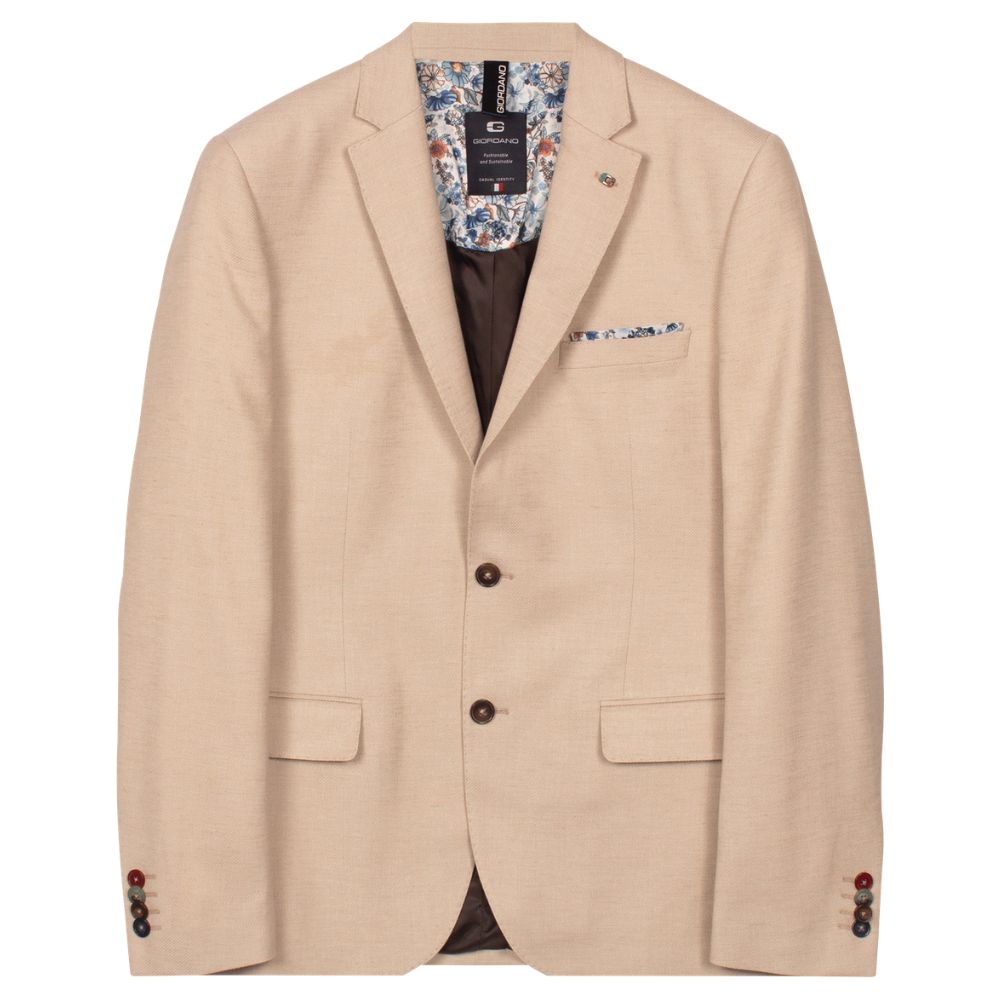
The same suit can attend a board meeting, a country wedding, a black-tie dinner, and a smart-casual supper – with nothing more than a change of accessories. This is the leverage point that most men underuse.

Business and the Office

This is where understatement is a virtue. The accessories should support the suit, not compete with it.

  • Tie: silk, plain or conservative stripe, 7–8cm. Navy, mid-grey, or deep burgundy.
  • Pocket square: white linen, flat fold or TV fold.
  • Belt: plain leather, matching your shoes precisely.
  • Cufflinks: simple, in silver or gold to match your watch.
  • Bag: structured, dark leather. No visible logos, no casual styling.
  • Scarf: fine wool or cashmere in a neutral tone for travel between meetings.


Smart Casual

The occasion where most men struggle, because the rules are less fixed. The accessories give you the structure that the absence of a tie can take away.

  • Tie: optional. A knitted silk or wool tie reads as relaxed and considered simultaneously.
  • Pocket square: more latitude here. A coloured or patterned square in a jacket breast pocket does real work when there is no tie to anchor the outfit.
  • Belt: a softer leather or suede belt is appropriate; still match it to your shoes.
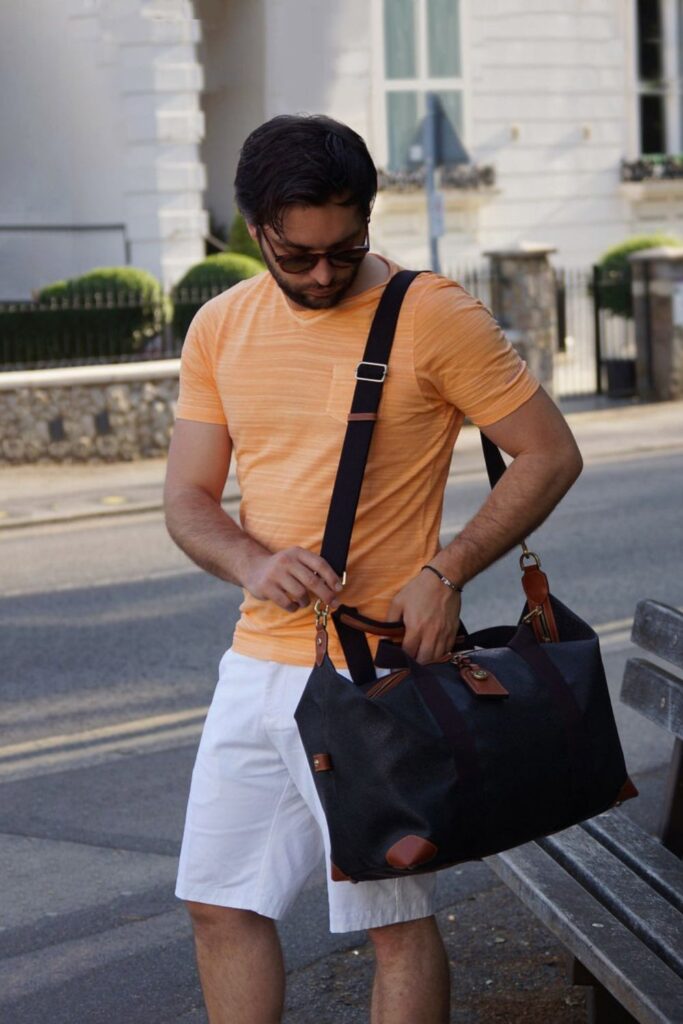
  • Bag: a structured tote, weekend bag, or quality leather backpack.
  • Scarf: worn loosely and naturally in autumn and winter.

For a full framework on smart casual dressing, see our Smart Casual Guide.


Weddings and Occasion Dressing

The moment most men get wrong in one of two directions: overdressed to the point of looking like the groom, or underdressed to the point of appearing indifferent.

  • Tie: silk, in a richer colour or a more expressive pattern than you would wear to the office. This is not the occasion for restraint.
  • Pocket square: silk, with a more elaborate fold. Let it have some presence.
  • Cufflinks: this is exactly the right occasion for something with personality.
  • Belt: your best leather, polished, matching your shoes perfectly.
  • Bag: leave the work bag at home. If you need to carry anything, make it a slim leather wallet and nothing more.


Black Tie

The most misunderstood dress code in British life, and the one with the least room for personal interpretation.

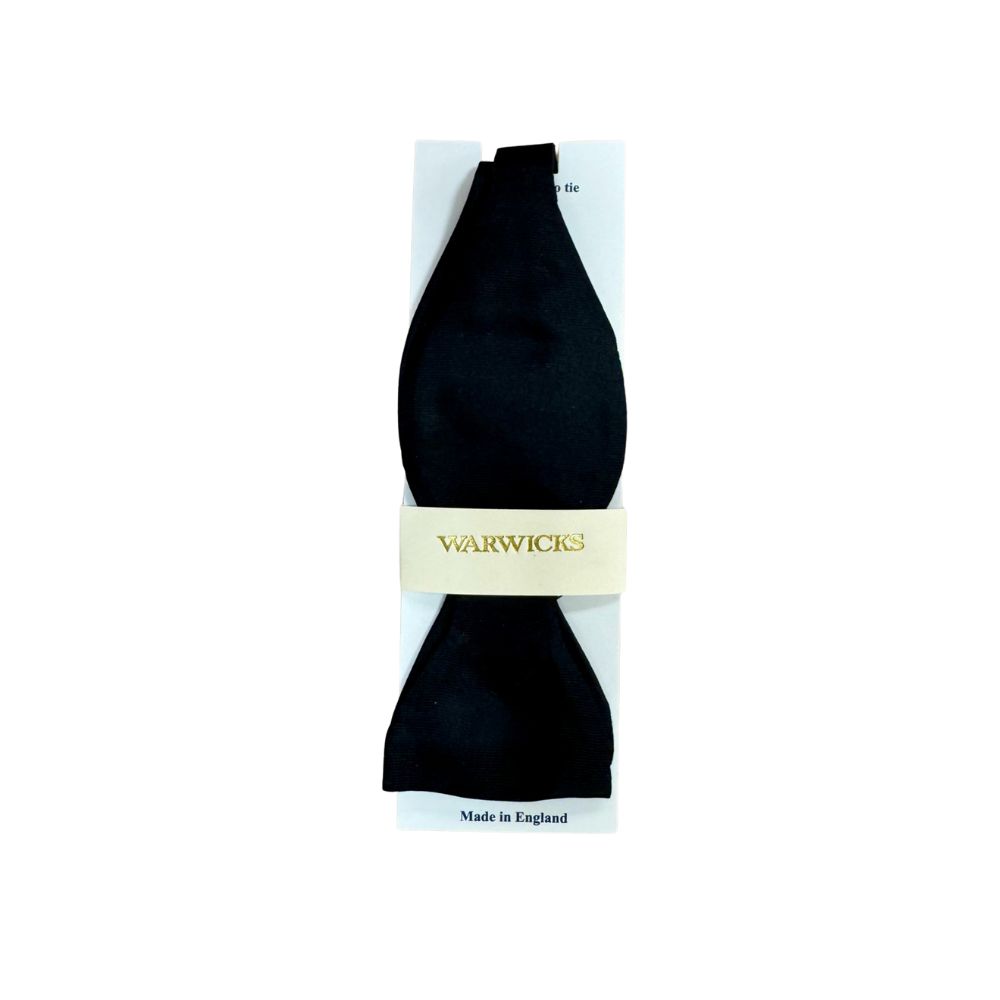
  • Bow tie: black silk, self-tied. A pre-tied bow tie is not an option at this level. Learn the knot – it takes twenty minutes and it lasts a lifetime.
  • Pocket square: white silk or white linen, minimal fold, or none at all. The dinner jacket does the work here.
  • Dress studs and cufflinks: matching set, in mother-of-pearl or plain black onyx.
  • Watch: slim-cased, leather strap, or no watch at all.
  • Bag: none.

For a full framework on black tie dressing, see our Black Tie Guide.

The Investment Argument: Why Quality Always Wins

The mathematics of accessory buying always favour the better piece.

A £40 polyester tie looks like a £40 polyester tie in a photograph, in a meeting, and in the mirror. A £150 silk grenadine tie looks like a considered choice. It holds its knot. It drapes correctly. It does not pill or crease. And in five years, it will still be in rotation – while the cheaper option has long since left for a charity shop.

The same argument applies across every category. A quality leather belt bought once, conditioned twice a year, will outlast a decade of replacements. A cashmere scarf bought at forty may well still be worn at sixty. The accessories that seem expensive in the short term are almost always cheaper over any meaningful time horizon.

Buy less. Buy better. Keep it longer. This is not a counsel of austerity – it is the straightforward logic of the wardrobe that works.

Conversation Starters: The Accessories That Go Beyond Dressing

There is a category of accessory that does something slightly different – not just completing an outfit, but providing a point of genuine connection. An unusual cufflink, a tie with a story, a bag made by a craftsman whose name you know.

The principle is straightforward. A distinctive accessory invites a question. A question becomes a conversation. A conversation becomes a connection. Dressing well is, at its best, a form of social intelligence. Read our full guide about The Ultimate Guide to Men’s Work Bags: Backpacks, Briefcases, Messenger Bags & More

Conversation starters - accessories that go beyond dressing

Stage What happens The idea behind it Examples
The principle - a four-step chain
Step 1 A distinctive accessory Something unusual, personal, or crafted - it signals taste and individuality without announcing it. An unusual cufflink, a tie with a story, a bag made by a craftsman whose name you know.
Step 2 Invites a question Distinctive pieces prompt curiosity. People ask because they genuinely want to know. "Where did you get those cufflinks?" - "That's a beautiful tie - what's the pattern?"
Step 3 A question becomes a conversation The accessory provides an easy, natural opening - no forced small talk required. The story behind the piece, the craftsman, the place it came from.
Step 4 A conversation becomes a connection Dressing well is, at its best, a form of social intelligence. The accessory is the bridge. A shared interest, a memory, a recommendation - real connection from a single object.
What makes an accessory a conversation starter
Unusual Not easily categorised or commonly seen Breaks the visual pattern of a room - people notice without knowing why at first. A cufflink in an unexpected shape or material.
Has a story Provenance, craft, or personal meaning Gives you something to say when asked. The story is part of the piece. A tie from a particular maker, a bag from a named craftsman.
Genuine Chosen for personal reasons, not trend Authenticity reads immediately. Pieces worn for effect rarely spark real connection. Something inherited, sought out, or meaningful to you specifically.

A Note on Bag Care

A leather bag or belt is not a disposable item. It requires the same basic care as leather shoes: occasional cleaning, regular conditioning, proper storage away from direct light and heat.

We have put together a full guide to keeping leather goods in excellent condition: Men’s Bag Care Tips. The five minutes it requires twice a year is the difference between a bag that lasts a decade and one that ages badly after three.

FAQS: men’s ACCESSORIES

The goal is conversation, not coordination. A plain tie works well with a patterned square; a patterned tie works well with a plain or lightly textured square. The one rule to avoid: a matching tie and pocket square in the same fabric. It reads as an off-the-shelf set rather than a considered choice. For the full breakdown, see our guide to mixing and matching ties and pocket squares.

Yes – always. Match in both tone and finish. Brown leather shoes require a brown or tan belt; black shoes require a black belt. Suede shoes can be paired with a suede or softer leather belt. The width of the belt should also suit the occasion: a slim dress belt for a suit, a slightly wider leather belt for smart casual.

7-8cm is the right range for the overwhelming majority of modern suits and jacket lapels. The tie width should broadly follow the lapel width – if your lapel is narrower, lean toward 7cm; if it is fuller, 8cm or slightly above sits correctly. Anything below 6cm or above 9.5cm requires a specific suit to carry it.

The same way you tie shoelaces, adjusted for the neck. There are clear step-by-step instructions in our tie knots guide. The first five attempts will be imperfect. By the tenth, it will be second nature. A slightly asymmetric self-tied bow tie always looks better than a perfect pre-tied one – the imperfection is the point.

For business: the flat fold (TV fold) – clean, low-profile, always appropriate. For smart casual or occasion dressing: a puff fold or a more casual silk fold. For black tie: a simple white fold, just clearing the pocket, or no square at all. The rule of thumb is that the fold should complement the formality of the occasion, not compete with the tie for attention.

Condition leather belts and bags two to three times a year with a suitable leather conditioner. Store them away from direct sunlight and heat, which dry out the leather and cause cracking. For bags, use a dust bag or pillowcase when not in use. Avoid prolonged exposure to rain – if a leather bag gets wet, allow it to dry naturally away from heat sources. Full guidance is in our men’s bag care guide.

In the right context, absolutely. A set of cufflinks with a personal reference – a sport, a place, a shared joke – is an excellent conversation piece at a dinner, a wedding, or a relaxed social occasion. In a formal business meeting or a conservative professional setting, plain silver or gold knot cufflinks are the safer and usually smarter choice. Know your audience, then decide.

Silk, without qualification, for formal and business wear. Within silk, grenadine (a woven silk with a subtle open weave) is the most versatile choice – it knots beautifully, photographs well, and works across a wide range of shirt and suit combinations. Wool and knitted ties are excellent for smart casual occasions. Avoid polyester at any price point.

There is no fixed number, but there is a principle: every accessory should earn its place. A tie, a pocket square, a watch, and cufflinks on a suited man is perfectly balanced. Adding a tie pin, a lapel pin, a coloured handkerchief, and a bracelet on top begins to look effortful rather than effortless. When in doubt, remove one thing before you leave the house.

a few final words


Dressing well is not a complicated proposition. It is a series of considered decisions, made once, that compound quietly over time.

The man who owns seven excellent accessories and wears them with intention will always look better than the man who owns seventy indifferent ones. He will also spend less, worry less, and get dressed faster. There is nothing in the wardrobe with a better return on thought invested than a quality belt, a well-chosen tie, and a pocket square that shows he paid attention.

The suits matter. The shirts matter. But the finishing touches are where the outfit becomes the man.

Start with one thing done properly. A silk grenadine tie in navy. A white linen pocket square. A full-grain leather belt that matches your shoes. Then build from there, slowly and deliberately, always choosing quality over quantity.

The wardrobe that lasts – the one that still looks right in fifteen years – is built exactly this way.

Men's Accessories: The Finishing Touches That Make the Outfit
Mens Accessories The Finishing Touches That Make the Outfit 1
Yelyzaveta

Currently studying Marketing. I love spending time reading books, savouring coffee, and exploring new places.

No Comments

Post A Comment