How to Break In Oxford Shoes Without Pain (Fast & Effectively)
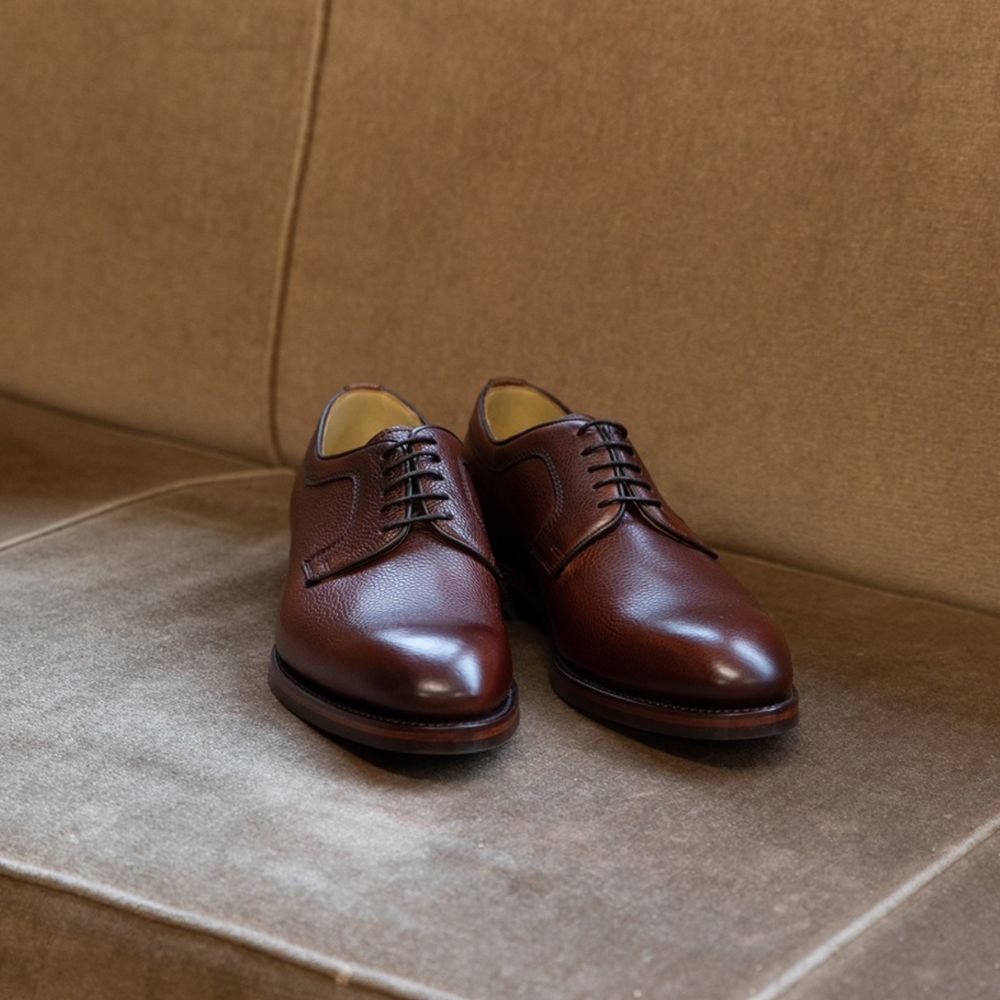
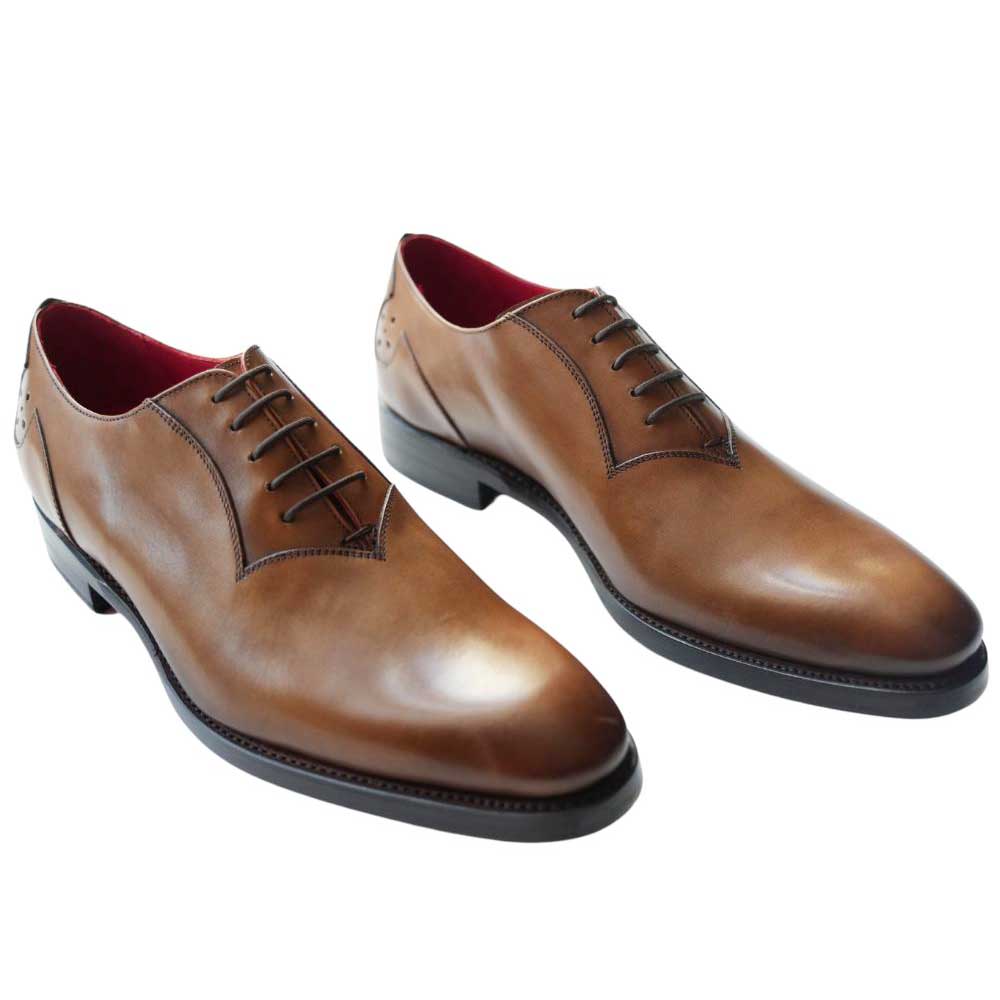
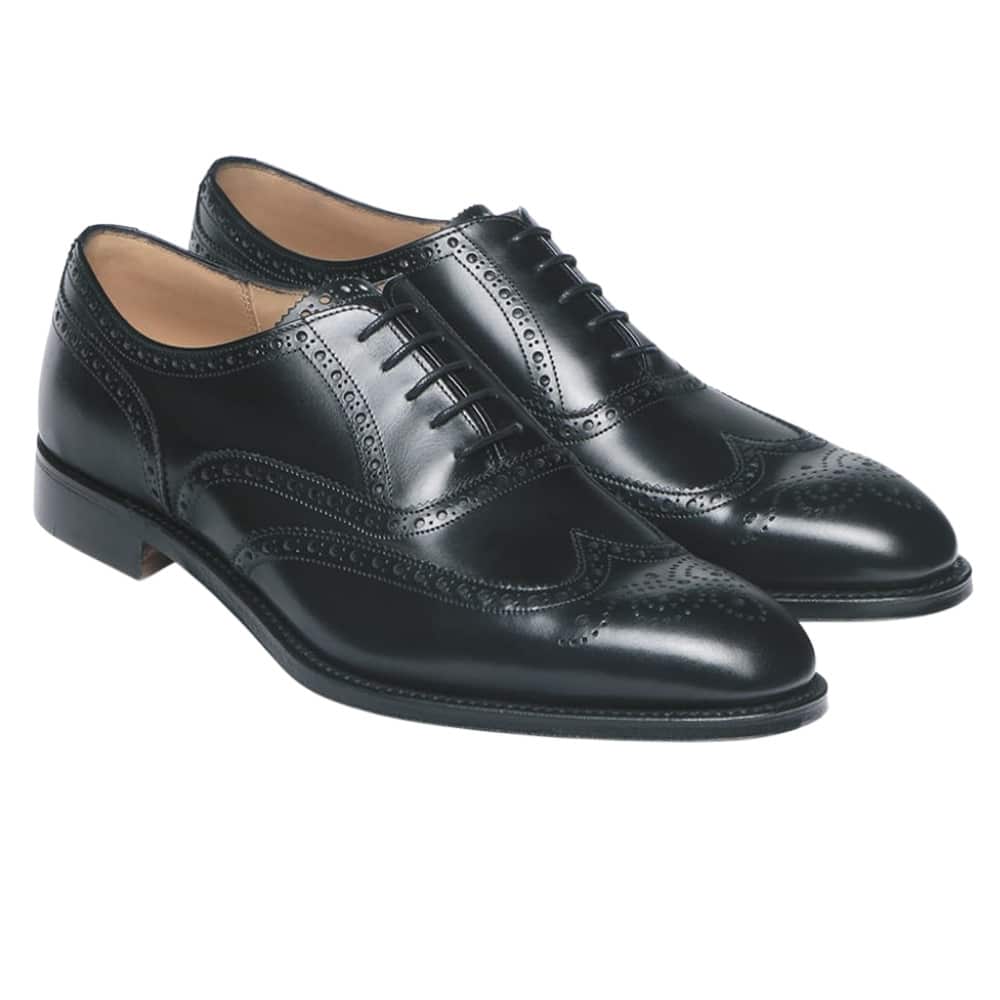
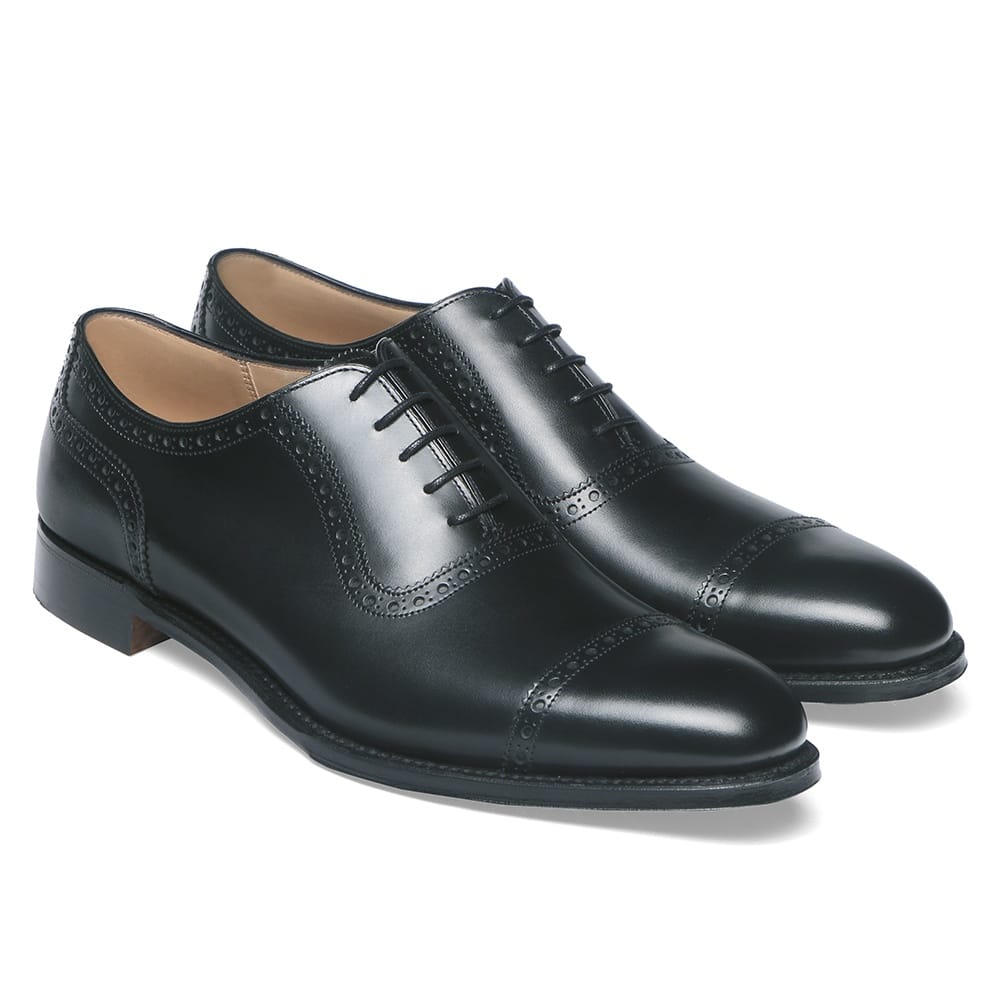
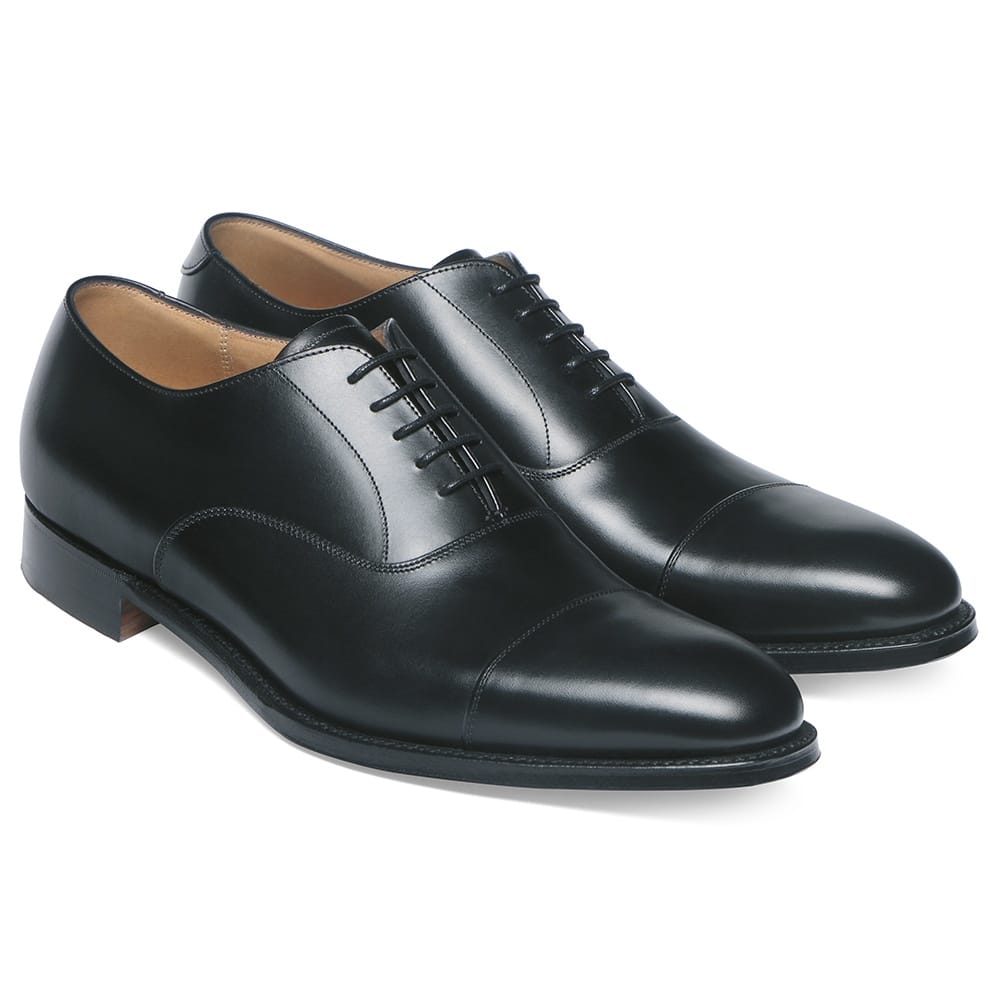
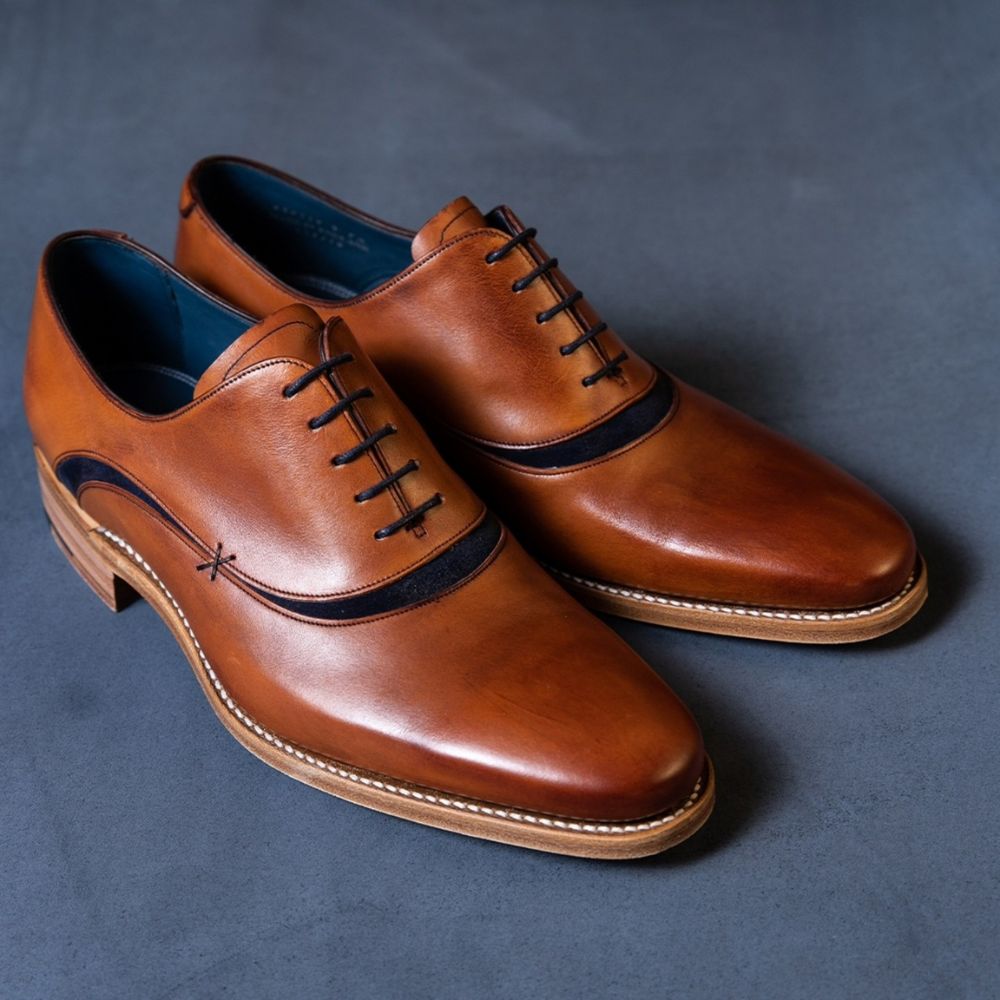
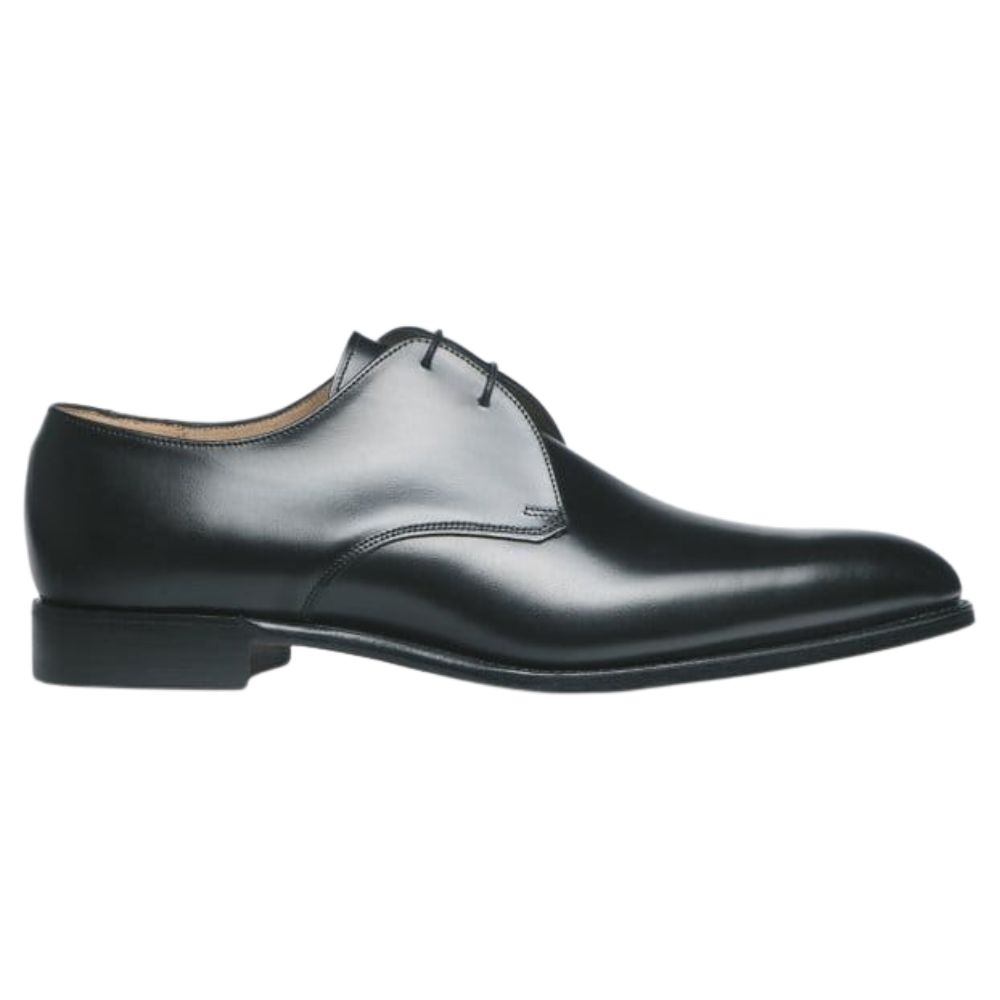
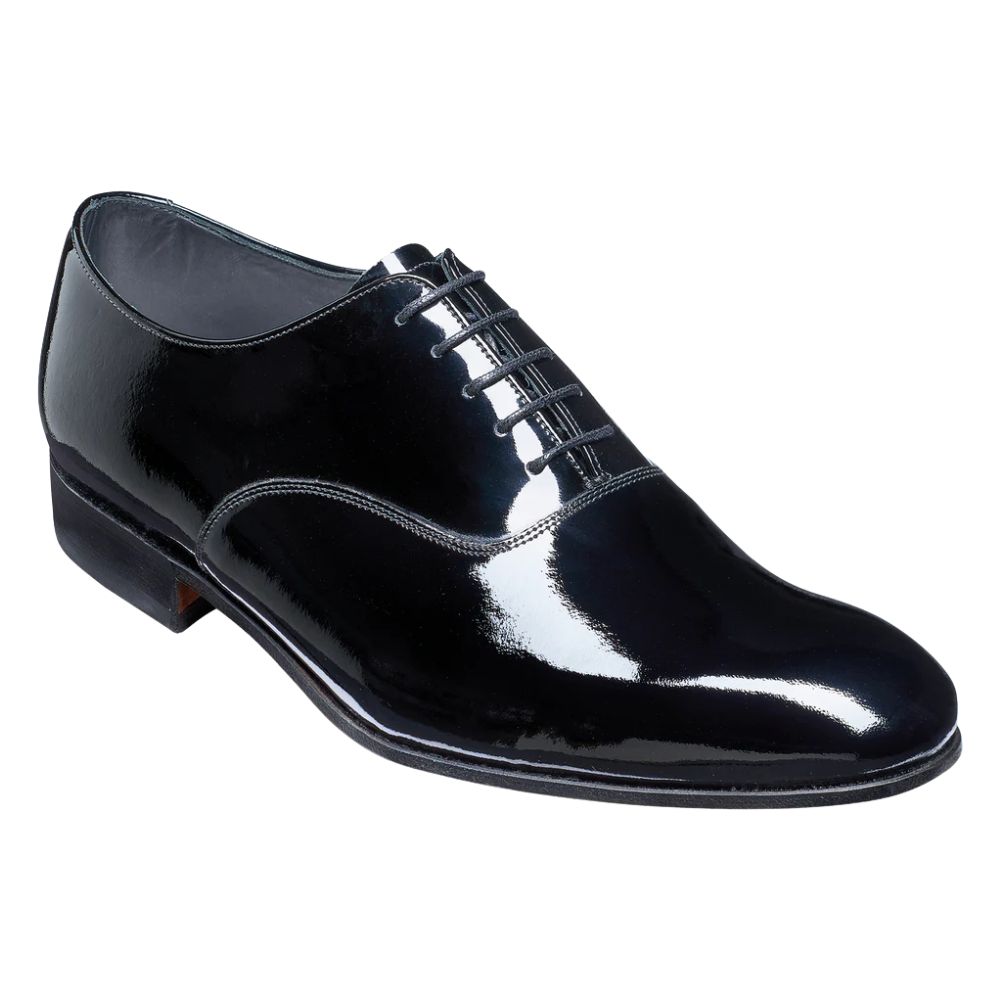
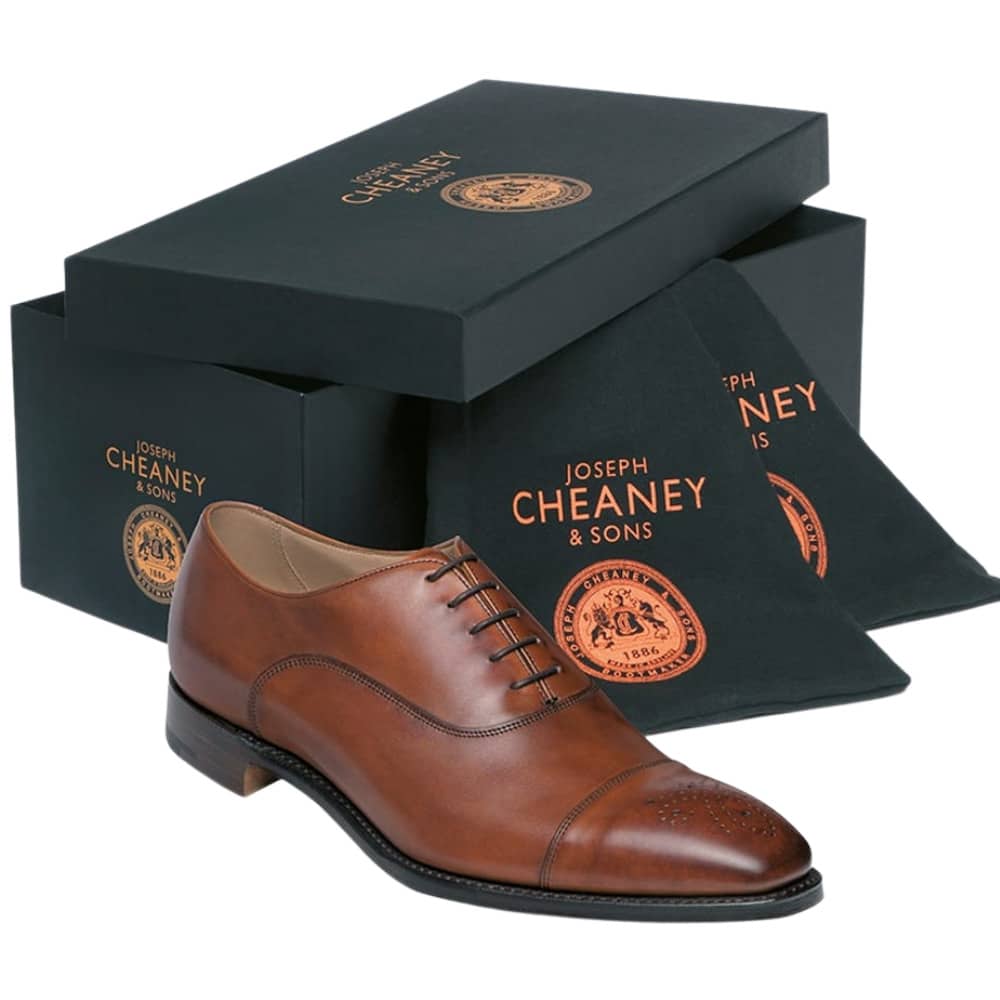
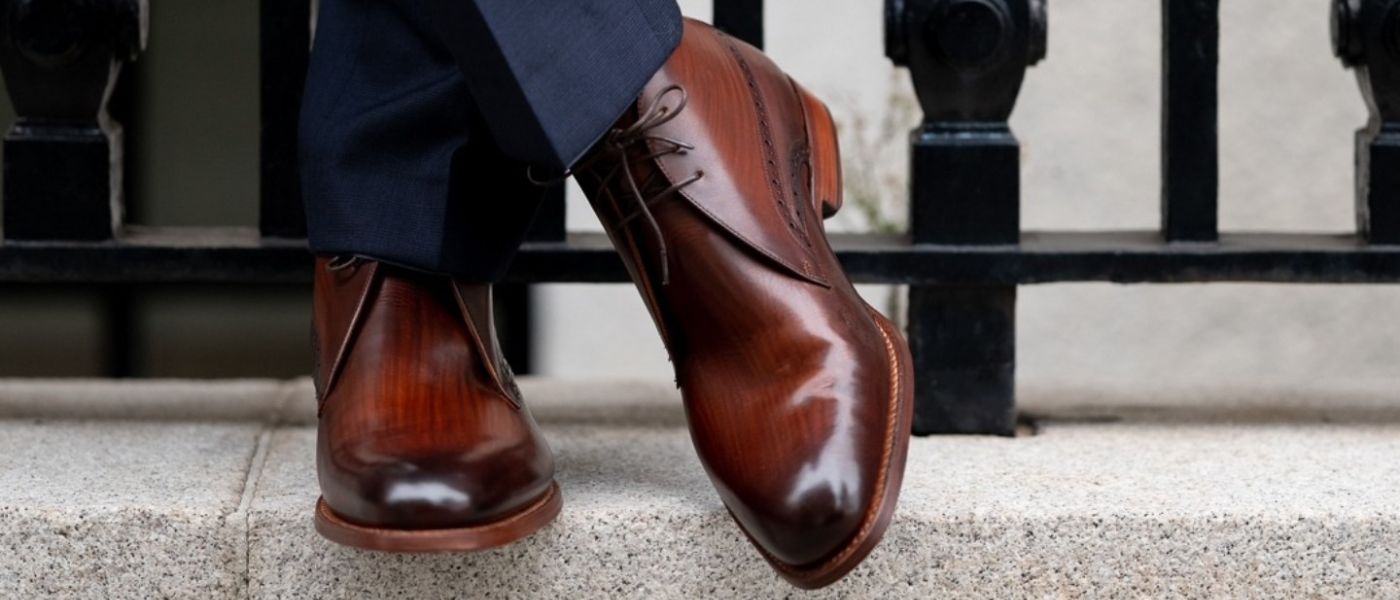
New Oxford shoes can look absolutely sharp, but let’s be honest – they sometimes come with a bit of pain, especially when you first start wearing them. So, do Oxford shoes hurt? It’s a common question, and the answer is: sometimes, yes. The stiff leather and snug fit can cause rubbing, which might even lead to blisters if you’re not careful. But don’t worry, it’s perfectly normal to get blisters while breaking in new shoes, and with the right tricks, you can stop shoes rubbing and break in your Oxfords fast and effectively – without the pain.

Here’s a friendly guide packed with sock tricks, leather softeners, Vaseline hacks, and stretching tips to get your shoes comfy in no time.

Oxford Shoes
Oxford Shoes Blog Post 2

Why Do Oxford Shoes Hurt Initially?

Oxford shoes are crafted to look smart and hold their shape, which means they start off a bit stiff. That firm leather and tight fit can rub against your feet, especially in spots like the heel or sides, causing discomfort or even painful blisters. Some discomfort during the break-in phase is normal, but sharp pain or constant rubbing means you need to try some breaking-in tricks or get the fit checked. Properly breaking in your Oxfords will save you from ongoing soreness and keep your feet happy.

Sock Tricks to Ease the Breaking-In Process

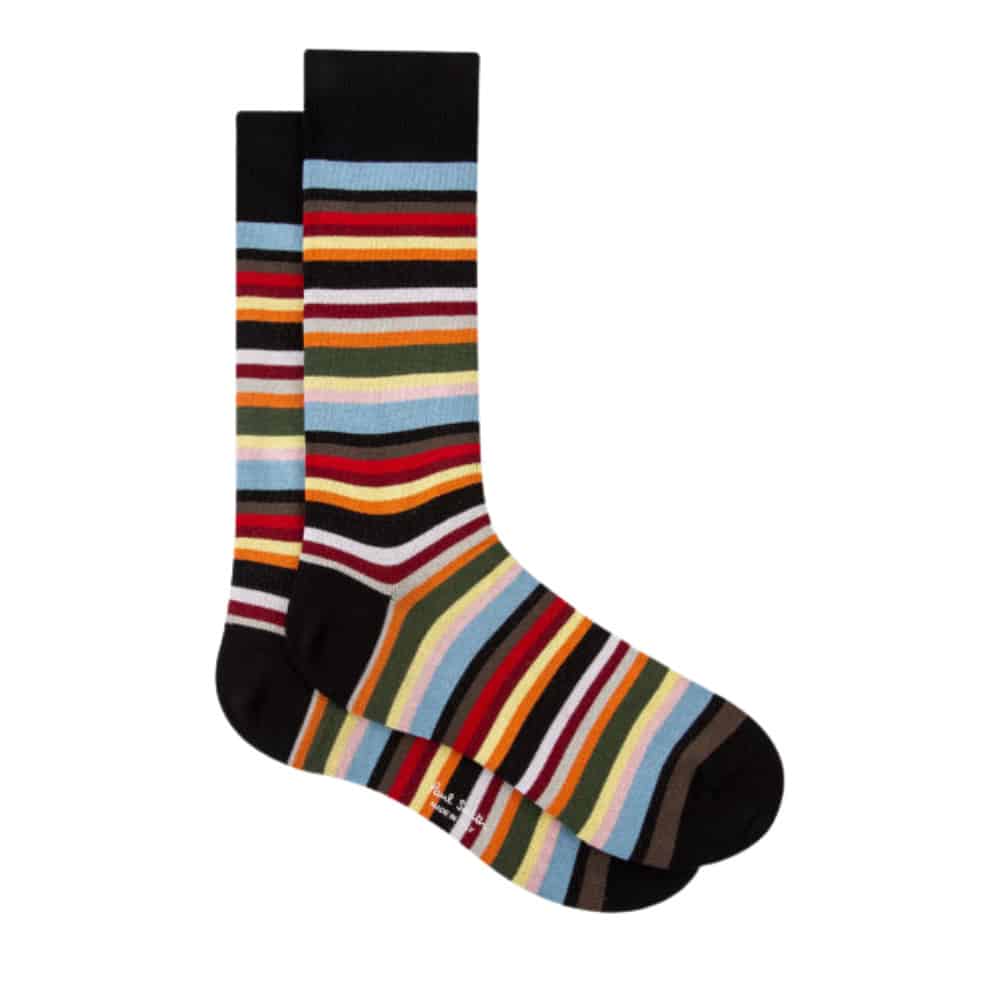
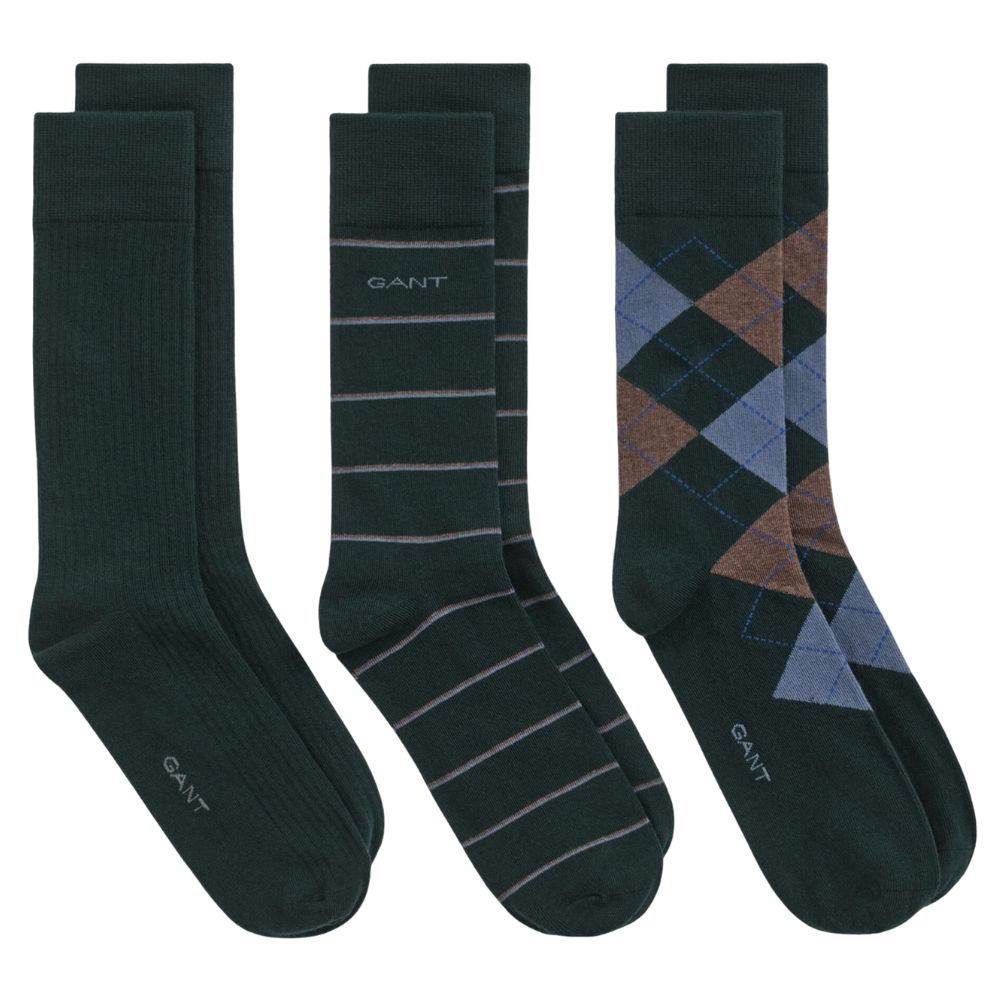
One of the easiest ways to make your new Oxfords more comfortable is right under your nose – or rather, on your feet! Wearing thicker or even double socks cushions your feet and reduces friction. Another clever tip is wearing damp socks overnight. That might sound odd, but the slight moisture helps gently stretch the leather as it dries, softening the shoe. Just be careful not to soak your socks too much! Start with short periods of wearing thicker socks, and gradually increase until your shoes feel much less tight.

Using Leather Softeners and Conditioners

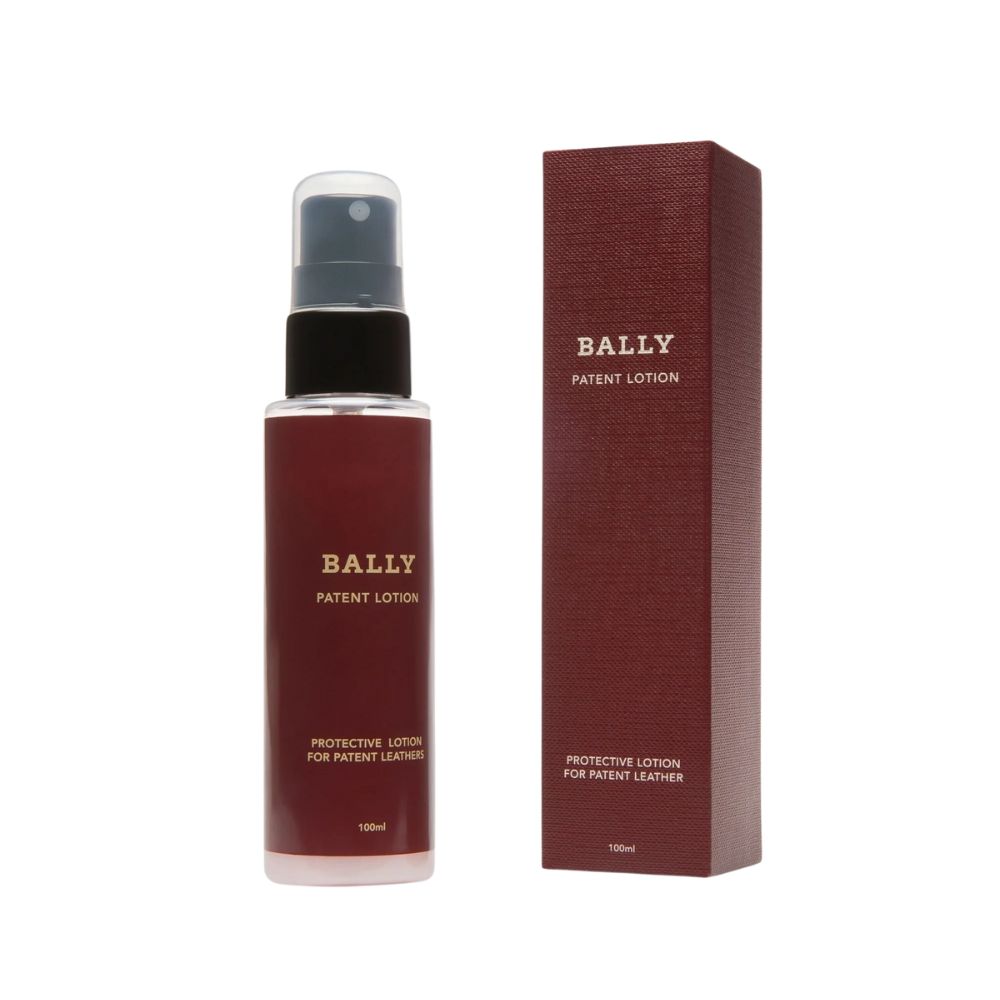
Leather softeners are a game-changer when it comes to stopping shoes rubbing. These products work by making the leather more flexible and less likely to pinch your feet. Applying a good leather conditioner is simple: just rub a small amount into your Oxfords with a soft cloth, focusing on the tightest areas. Do this before you start wearing them, and repeat every few weeks if needed. Remember, a well-conditioned leather shoe not only feels better but lasts longer – so it’s worth the effort.

instantly
elevate your style

with the power of layering

Have you ever looked at someone and thought:
“Wow! Their outfit just WORKS!” That’s the power of layering for you.

In this FREE E-book we’ll teach you the skill of layering with a few simple rules and give you lots of examples for inspiration. 

*by signing up you agree to our terms & privacy policy

elevate your style effortlessly with the power of layering

Vaseline Hacks to Stop Shoes Rubbing

Here’s a neat hack: apply a bit of Vaseline to the inside of your shoes where they usually rub, such as the heel or sides. The Vaseline creates a slippery barrier, so your skin doesn’t get irritated as easily. It’s a quick fix if you’re out and about and feeling some pinching. Just be careful not to get Vaseline on the outside of your shoes, or it might stain the leather. Also, avoid using too much to keep your feet from sliding around inside the shoe.

Effective Stretching Techniques

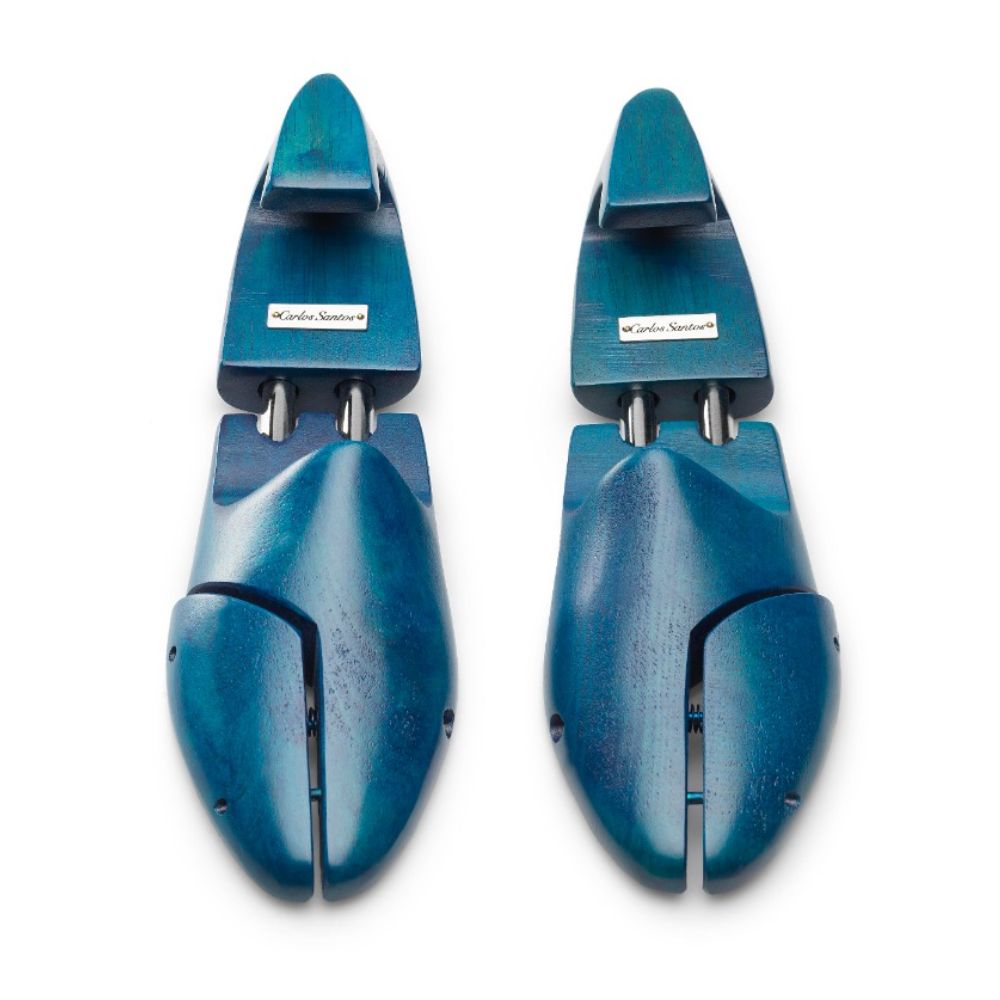
If your Oxfords are still feeling tight, stretching them out can help a lot. You can invest in a shoe stretcher – a handy tool that gently widens your shoes overnight. If you’re after a DIY option, stuffing the toe box with crumpled newspaper or placing a sealed water bag inside and freezing it can also work. The water expands as it freezes, stretching the leather carefully. Always stretch gradually to avoid damaging the shoes. Focus on tight spots like the toe or heel, and don’t rush the process.

Overnight Breaking-In: Does It Work?

You might have heard about how to break in shoes overnight, and it does work to some extent if done safely. Combining methods like wearing thick socks and applying leather softener, then popping your shoes on for short periods overnight, can speed things up. However, don’t expect miracles – overnight breaking-in is best used alongside daily wear and care. Patience is key; rushing can cause blisters or damage the shoes.

When to Know You Need Professional Help

If you’ve tried everything and your Oxfords still hurt, it might be time to see a cobbler. Sometimes the shoes just need a bit of professional stretching or adjustments that only experts can provide. Also, if the fit feels way off, it might be that the size or shape isn’t right for your feet. Remember, comfort is essential – no shoe is worth ongoing pain or injury.

Oxford Shoes
Oxford Shoes Blog Post 3

Final Tips for Pain-Free Oxford Shoes

To recap, breaking in your Oxford shoes without pain comes down to a few handy tricks: wear thicker or damp socks, regularly condition the leather, use a bit of Vaseline on rub points, and stretch carefully. Take your time and don’t push your feet too hard in the early days. Well-broken-in Oxfords are a joy to wear and will only get better with age.

Breaking in new Oxford shoes doesn’t have to be a painful experience. With these simple tips, you can make the process faster and much more comfortable. Have you got any favourite tricks for stopping shoes rubbing or breaking in leather? Share your experiences below – we’d love to hear from you!

Oxford Shoes Blog Post 5
Oxford Shoes
Yelyzaveta

Currently studying Marketing. I love spending time reading books, savouring coffee, and exploring new places.

No Comments

Post A Comment