
20 May Men’s Shirts: The Complete Guide
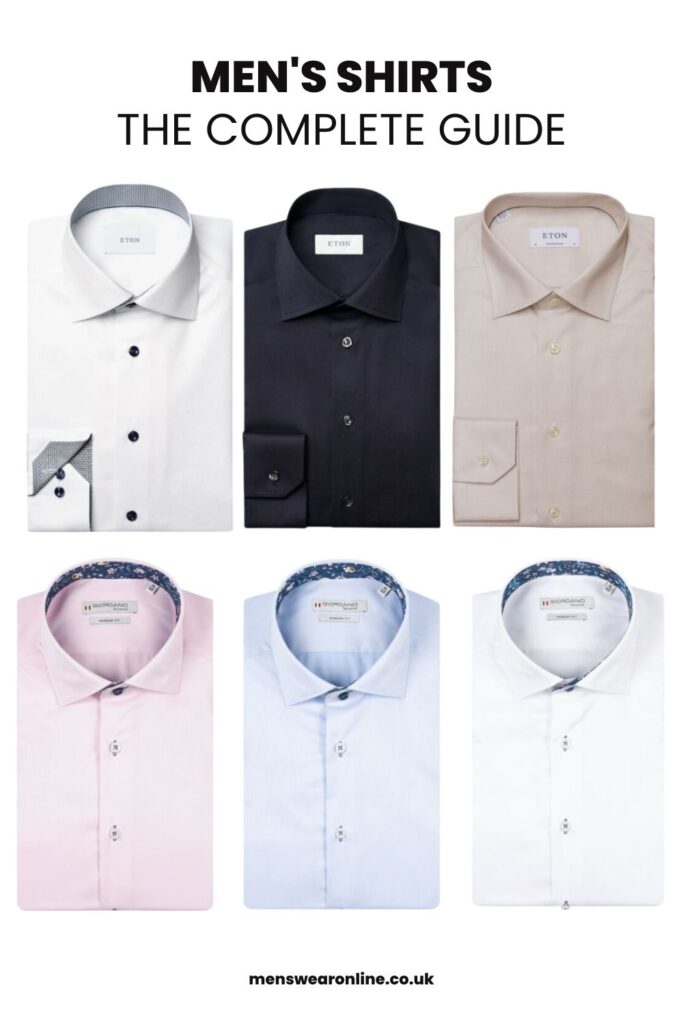
If you could only invest in one part of your wardrobe, it should be shirts. A well-chosen shirt – the right fabric, the right fit, the right collar – carries more weight than almost any other garment. It transitions from boardroom to bar, from black tie to Sunday morning. It is the one thing you put on every day.
At Warwicks, shirts have been our heartland for five generations. We’ve stocked the finest shirtmakers in the world – Eton, Stenströms, Paul Smith, Gant, Barbour, Fynch-Hatton, R2 – and we’ve built our own label to sit proudly alongside them. This guide draws on everything we know.
Read it once and you’ll never buy a shirt that doesn’t work again.
1. Shirt Anatomy: What the Parts Are Called
Understanding the vocabulary of a shirt lets you shop with confidence and know exactly what you’re looking at.
The Collar – The most expressive part of a shirt. Spread, cutaway, button-down, tab, Mandarin – each signals a different mood and works differently under a jacket or open-necked. See our full collar guide below.
The Placket – The strip of fabric running down the front where the buttons sit. A covered placket (buttons hidden) is dressier; a standard placket is more versatile.
The Cuffs – Single (barrel) cuffs are everyday; double (French) cuffs are worn with cufflinks and signal formality. The cuff should sit roughly half an inch below your jacket sleeve.
The Yoke – The panel across the upper back and shoulders. A split yoke (two pieces) allows more movement and is a mark of quality construction.
The Placket Back – Some shirts have a box pleat or side pleats at the back, allowing movement. Others are plain. Neither is superior – it’s a matter of cut.
The Tail – Longer at the front and back than the sides to keep the shirt tucked in. A straight hem is designed to be worn untucked.
The Gusset – A small triangular piece of fabric at the side seam where the tail meets the body. A sign of quality; it prevents the side seam from tearing under stress.
Shirt anatomy
What the parts are called
| Collar | The most expressive part - signals formality, face shape compatibility, and tie choice |
| Placket | Reinforced front strip - covered plackets are dressier, standard plackets more versatile |
| Yoke | Upper back panel - a split yoke is the mark of superior construction |
| Cuffs | Single for everyday, double (French) with cufflinks for formal occasions |
| Gusset | Small triangle at the side seam - prevents tearing; its presence signals quality |
| Tail | Curved hem for tucking; straight hem designed to be worn untucked |
2. Fabric Guide: Cotton, Linen, Twill and Beyond
The fabric defines how a shirt feels, how it breathes, how it irons, and how it ages.
Cotton
The backbone of the shirt wardrobe. Look for long-staple Egyptian or Sea Island cotton – the longer the fibre, the smoother and more durable the weave.
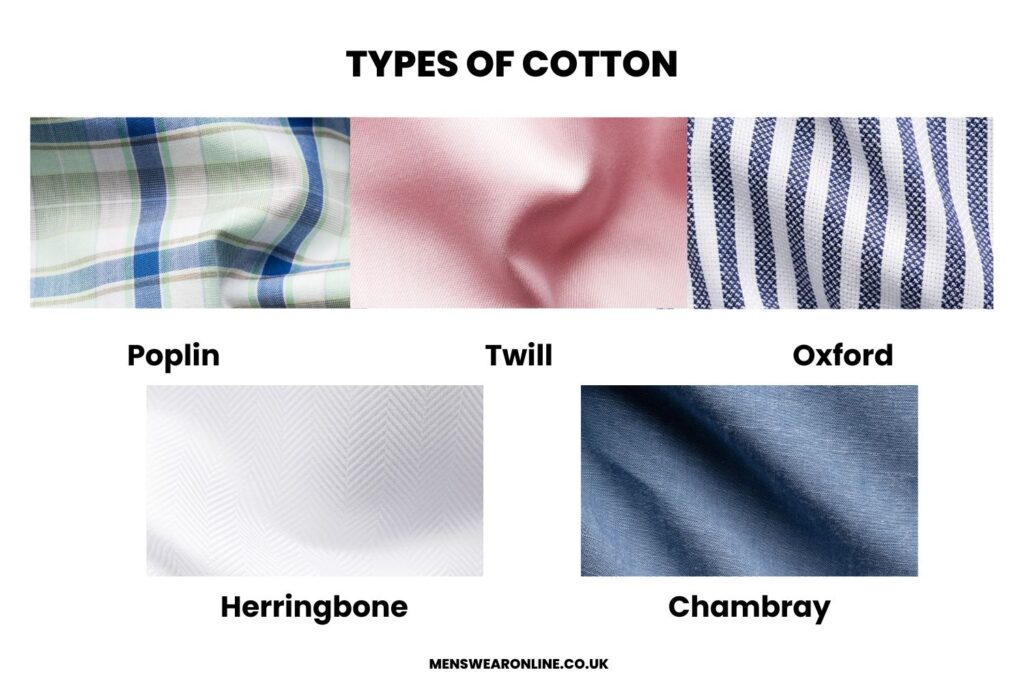
Poplin – Fine, tight, smooth weave. The classic business shirt. Holds its shape, irons beautifully, works for everything from the office to a wedding.
Twill – Diagonal weave that creates a subtle texture. Slightly heavier than poplin, more casual, but still entirely appropriate under a suit. Hides creases better.
Oxford – A basket weave that creates a visible texture. Classic for button-down collar shirts. Casualwear and smart-casual – not for black tie.
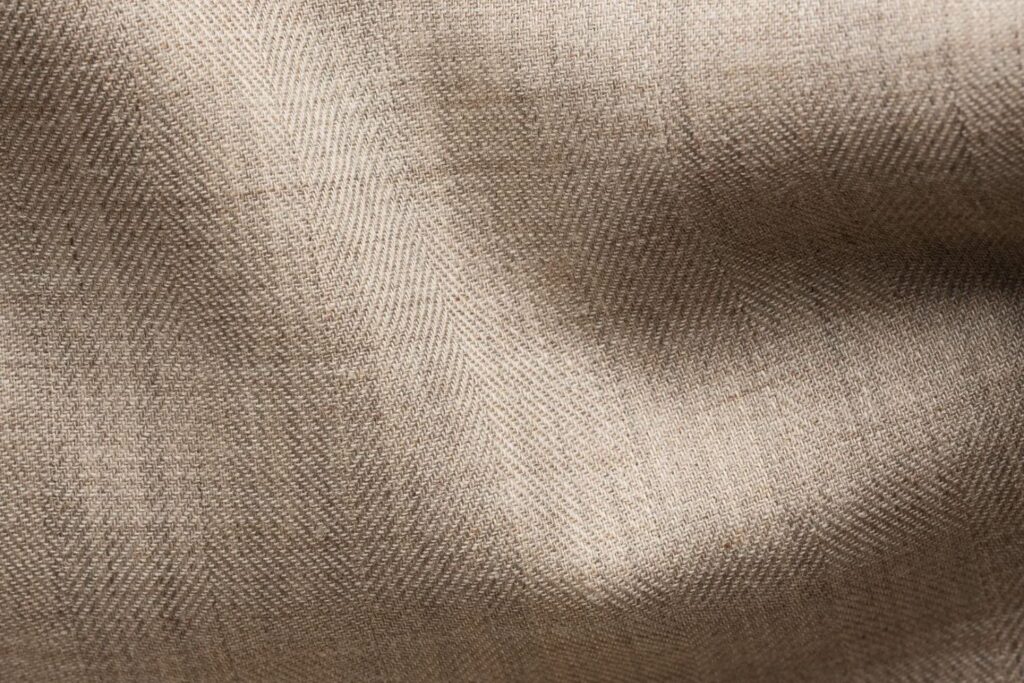
Herringbone – A variation of the twill weave with a V-shaped pattern. Dressier than standard twill, a little more interesting than poplin.
Chambray – A plain weave with coloured warp threads and white weft. Softer and more casual than poplin. The smart man’s alternative to a denim shirt.
Linen
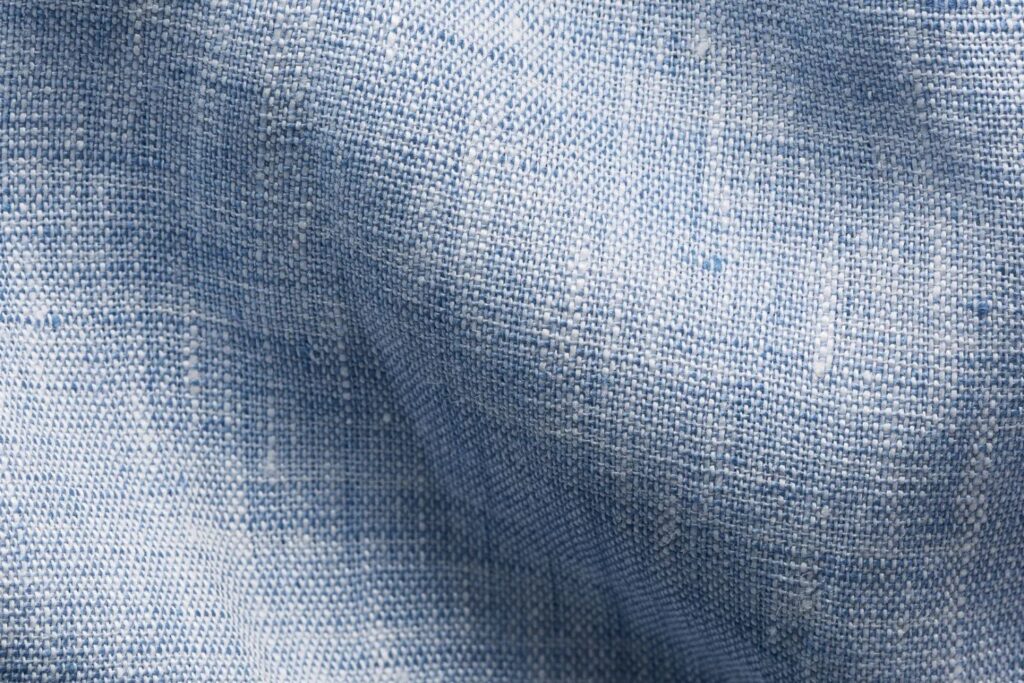
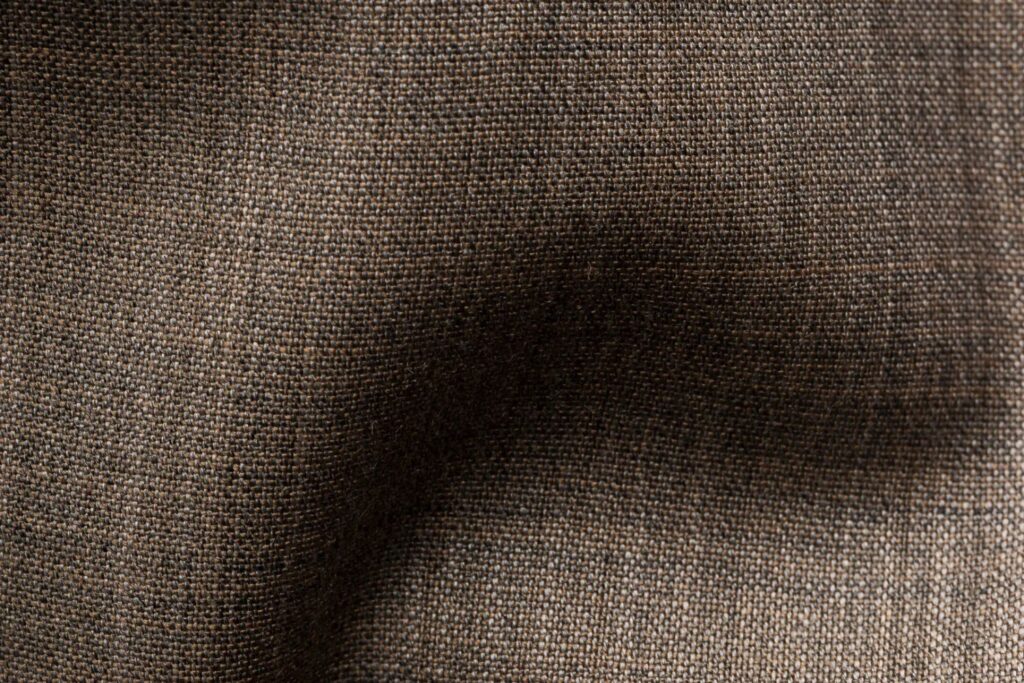
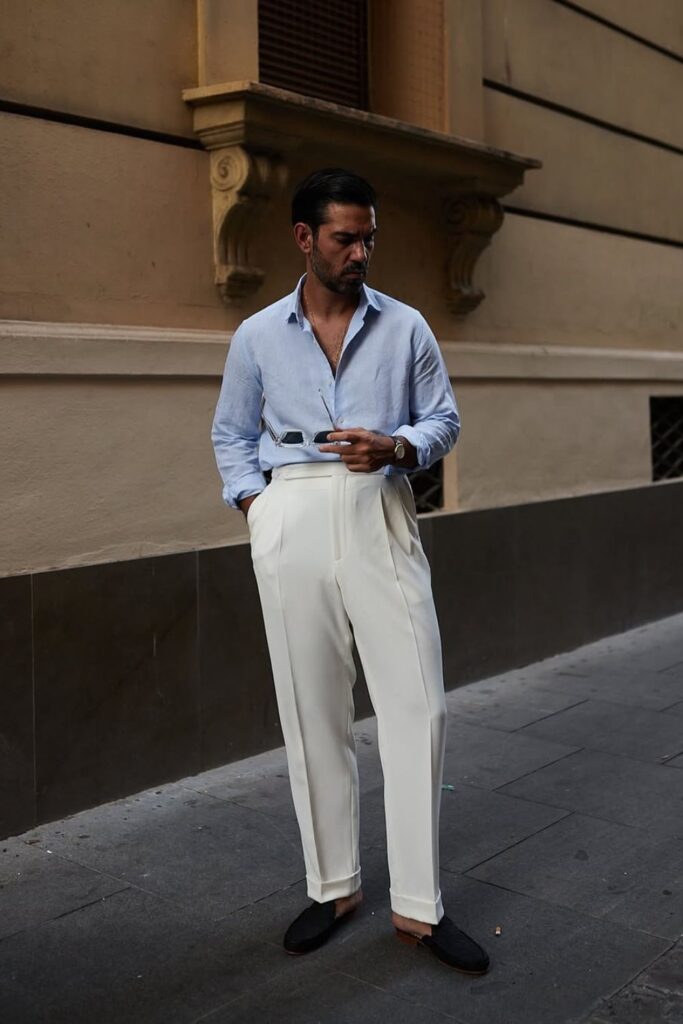
The summer fabric. Breathes exceptionally well, softens with wear, and develops a beautiful rumpled texture. Embrace the creases – fighting them is a losing battle. A quality linen shirt will last decades. See our full guide: Finding the Perfect Men’s Shirt for Summer: Stay Cool in Style
Flannel
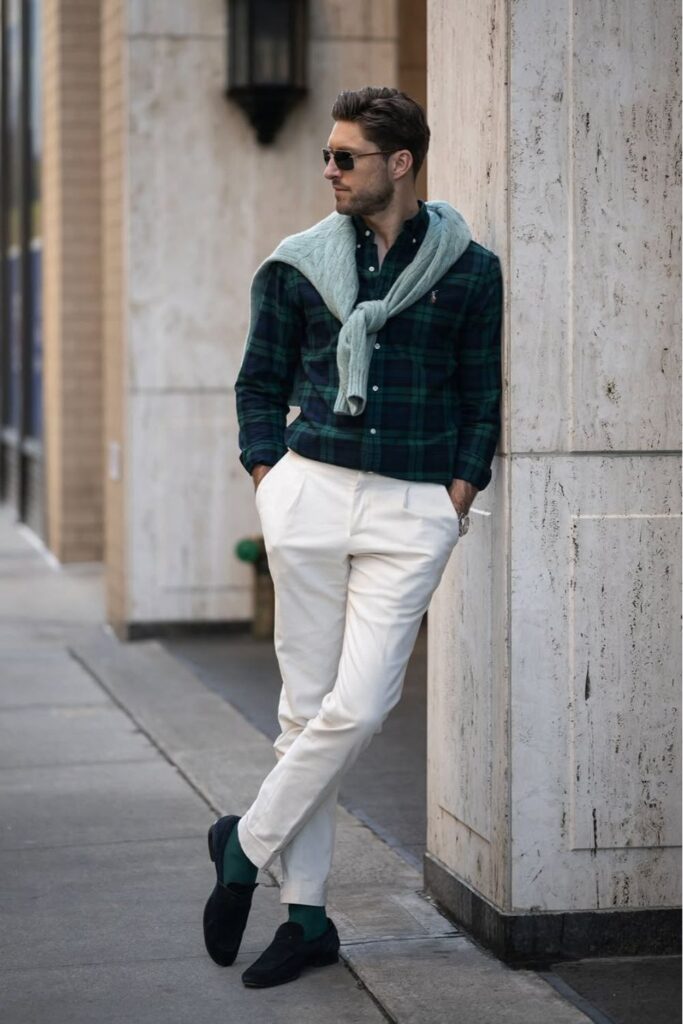
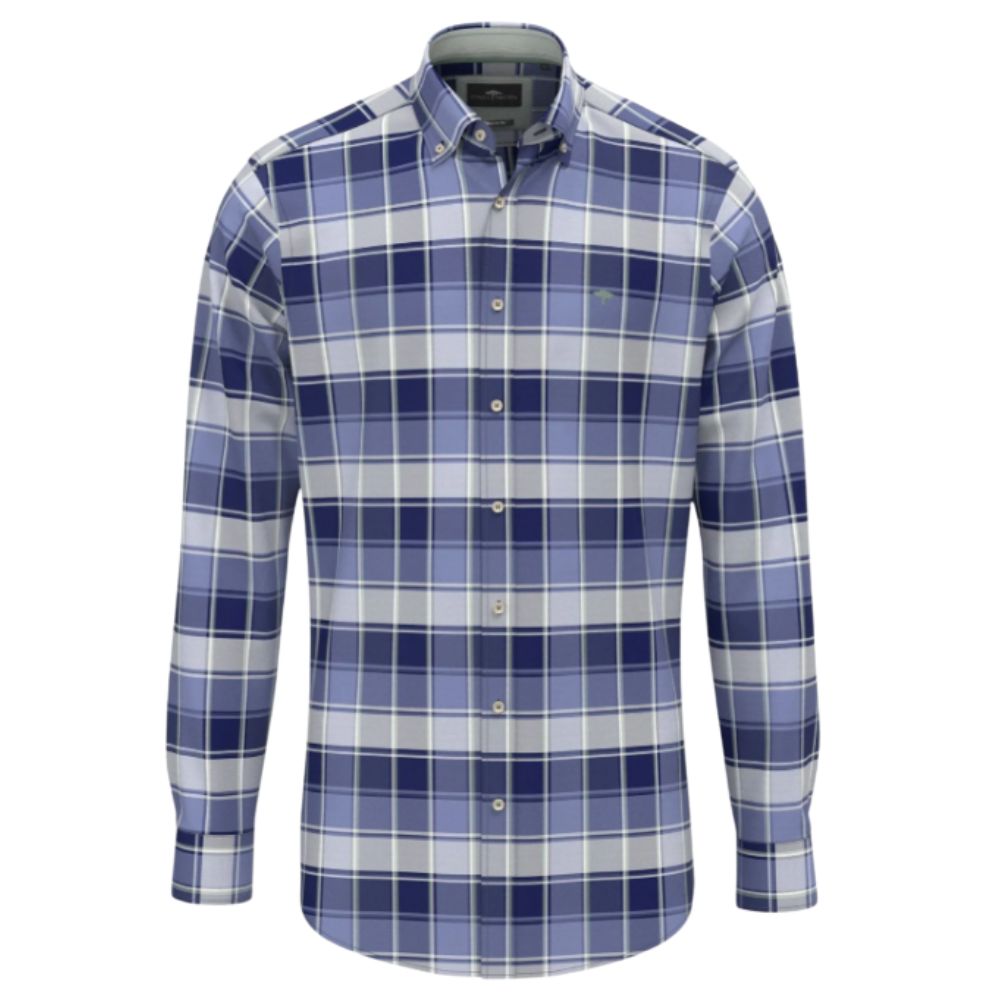
A soft, brushed cotton or wool fabric. Heavyweight, warm, casual. Built for autumn and winter. Works beautifully in checks and plaids.
Merino Wool Blend
An increasingly popular choice for travel and winter business wear. Naturally temperature-regulating, crease-resistant, and odour-resistant. If you travel frequently, a merino blend shirt is worth every penny.
Fabric guide
Cotton, linen, twill and beyond
| Poplin | Fine, smooth weave — the classic business shirt; irons beautifully, works for everything |
| Twill | Diagonal weave with subtle texture; slightly more casual, hides creases better than poplin |
| Oxford | Basket weave with visible texture; the fabric of the button-down collar shirt |
| Linen | The summer fabric — breathes exceptionally well; embrace the creases |
| Flannel | Brushed cotton or wool; heavyweight, warm, built for autumn and winter |
| Merino blend | Temperature-regulating, crease-resistant, odour-resistant — ideal for travel |
3. Collar Types: Choosing the Right One for Your Face and Occasion
The collar is the first thing people see. The wrong one – a tiny collar on a round face, a wide spread on a very narrow face – registers unconsciously. The right one just looks right.
Spread Collar
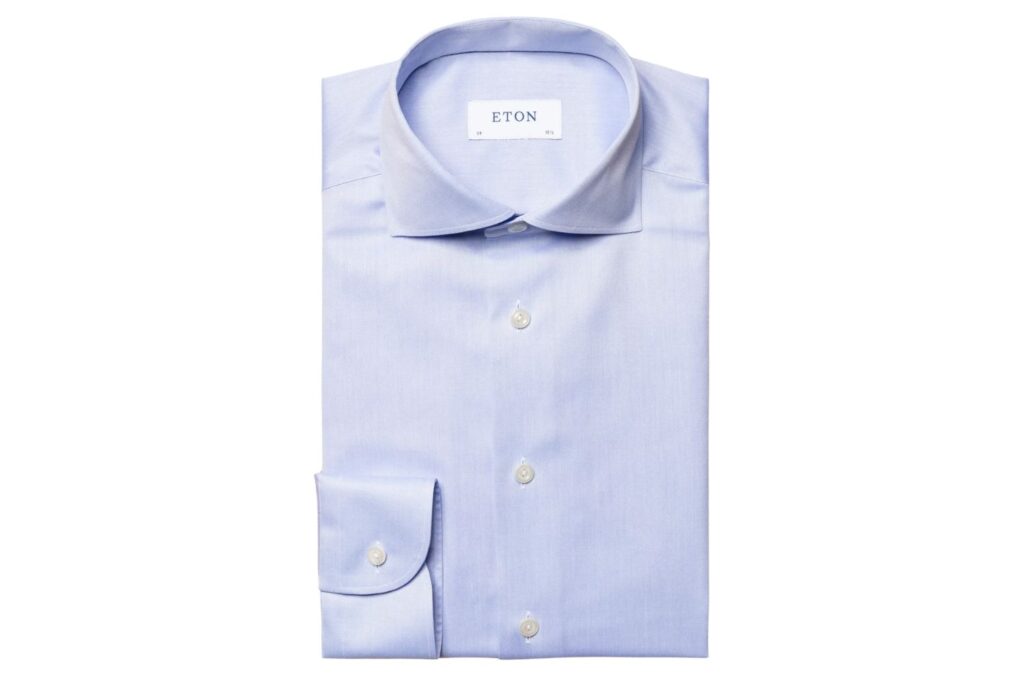
The most versatile collar in modern menswear. Points spread at roughly 90–120 degrees. Works open-necked or with a tie, accommodates a Windsor or half-Windsor knot perfectly. Our recommendation for most men, most of the time.
Cutaway Collar
Points spread at 180 degrees, almost horizontal. Emphatically modern. Designed for a large knot or to be worn open. Less formal than a spread collar despite its dramatic appearance.
Point (or Plain) Collar
The classic narrow-spread collar. Works best with a four-in-hand knot. Elongates the face – particularly good for rounder faces. More traditional; the collar of choice for classic city dressing.
Button-Down Collar
Born on the polo field, made famous in America. Informal by nature. Correct for smart-casual and casual wear, not for business formal or black tie. Excellent in Oxford cloth. See our full guide: The Ultimate Guide to Men’s Button Down Collar Shirts.
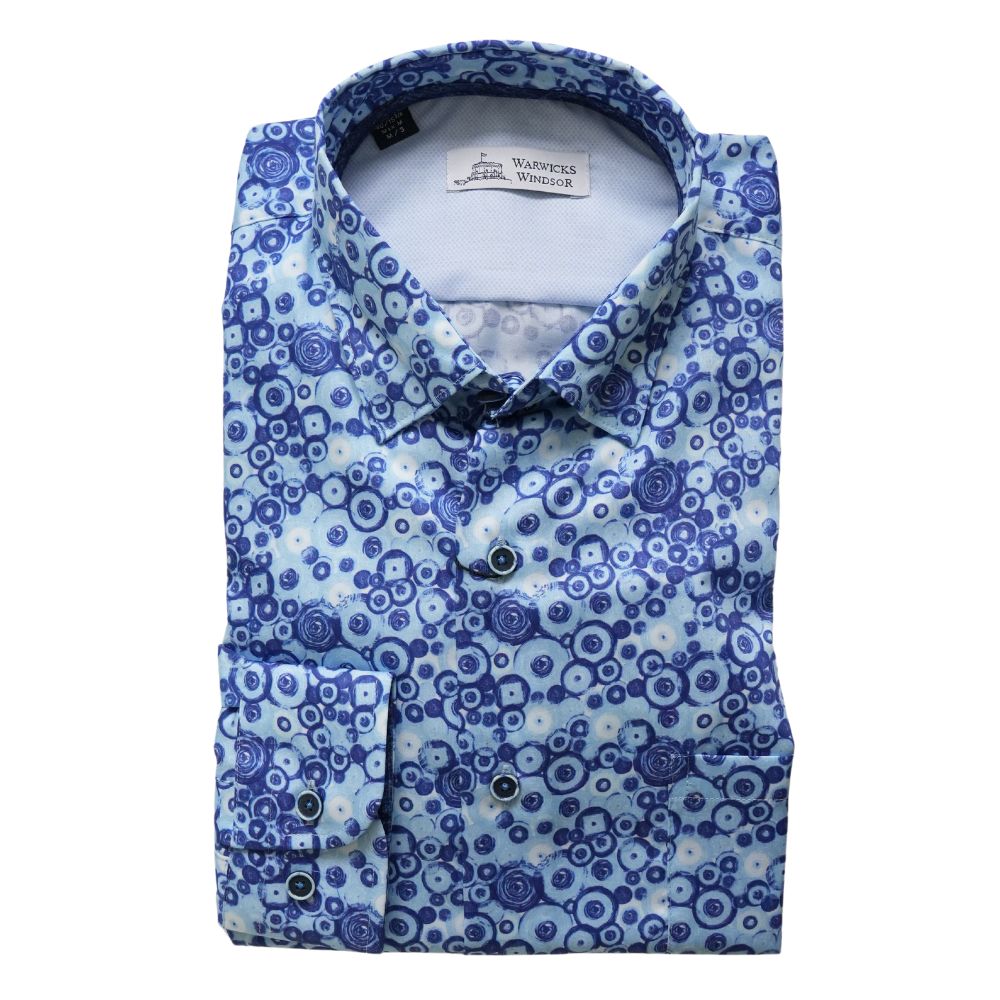
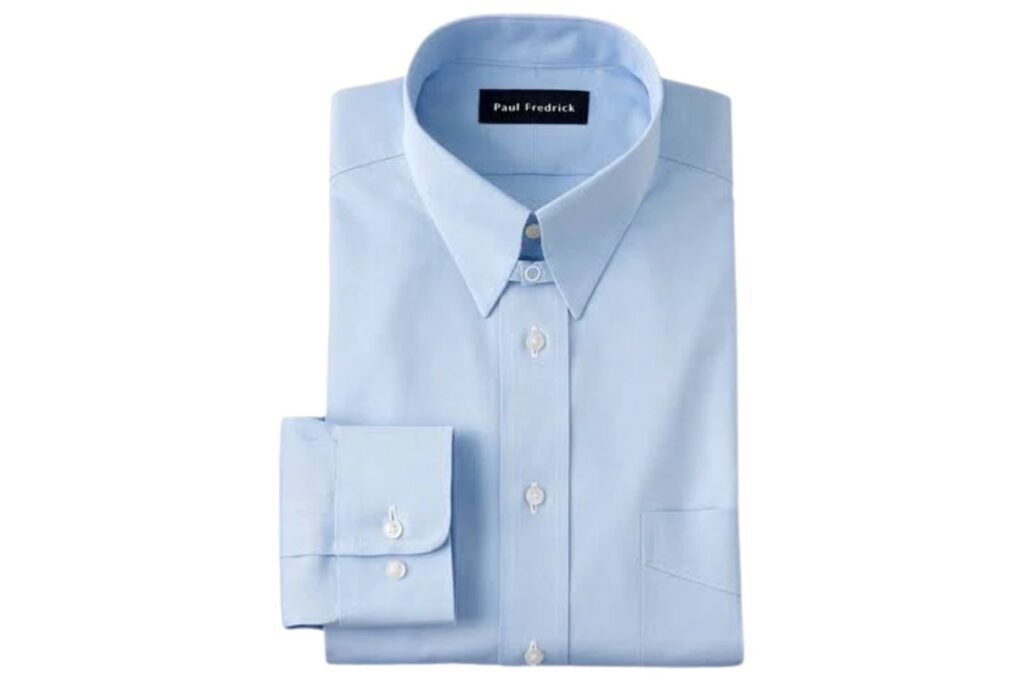
Tab Collar
A small tab fastens behind the tie knot, forcing it upward and creating a confident, structured look. Dressier than it looks. Less common, which is exactly why it’s worth wearing.
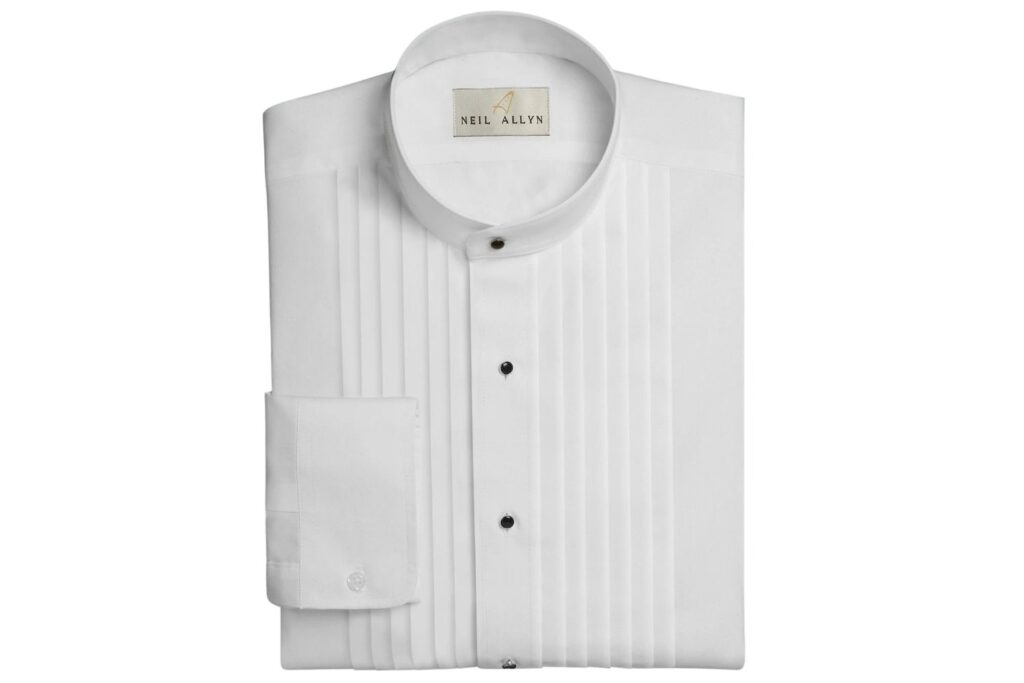
Mandarin (Band) Collar
No fold-over collar at all – just a small standing band. Worn open-necked only. Clean, minimal, slightly Eastern in influence. Works beautifully for smart-casual occasions when you want to skip the tie altogether.
Dinner Collar (Marcella/Bib Front)
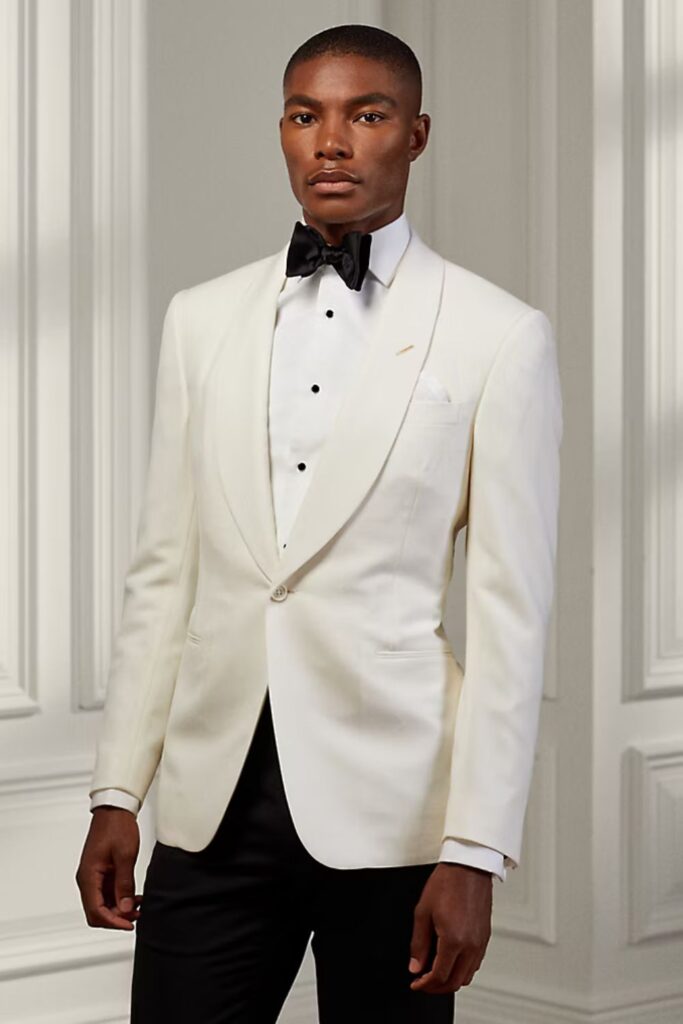
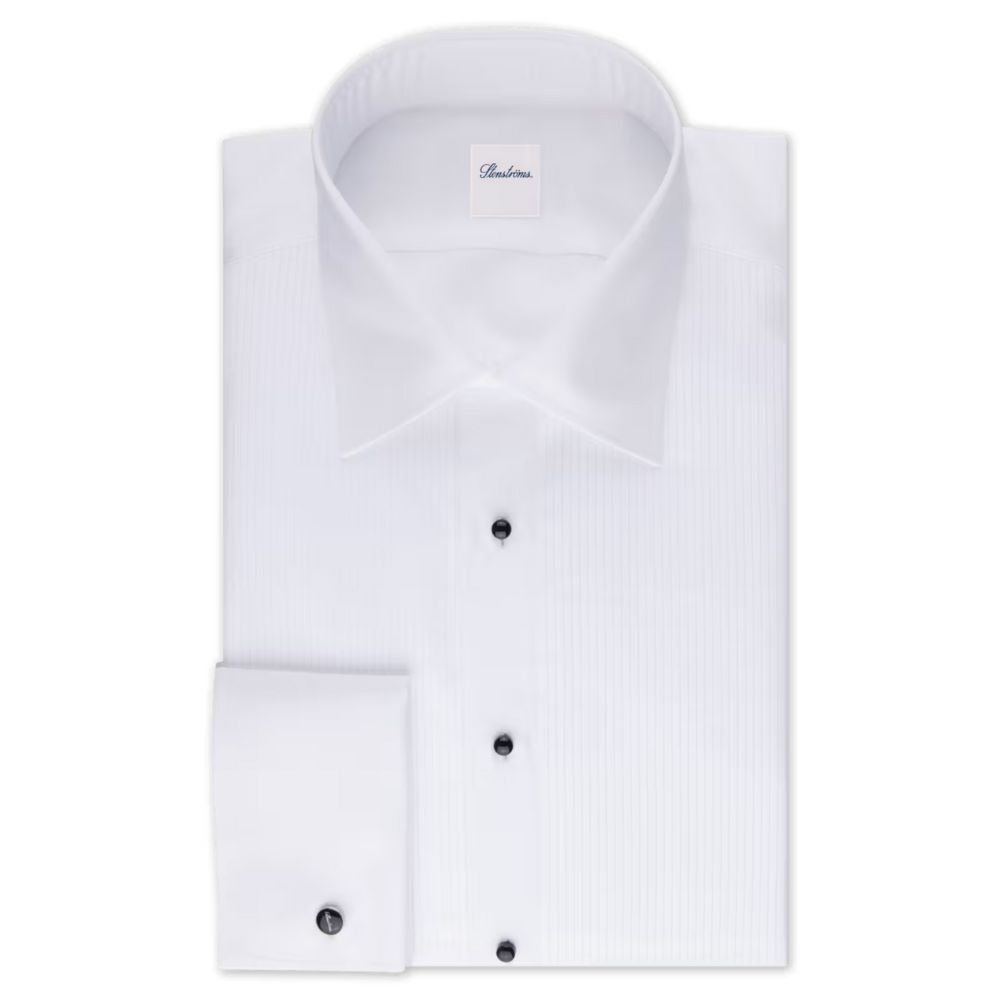
Reserved for black tie. A stiff front bib, usually with a wing collar or turndown collar. See our full guide: How to Choose the Perfect Dinner Shirt for Black Tie Events.
→ Read our complete collar guide: Decoding Shirt Collars: Choosing the Perfect Style
Recreate the looks
4. Fit Guide: What Slim, Classic and Relaxed Actually Mean
Every brand uses different language. Here’s what it actually means, and how to find the right fit for your body.
The Key Measurements
Collar Size – Always buy by neck size first (measured in inches in the UK). The collar should allow you to fit two fingers between the collar and your neck. Shirts are also described by sleeve length – typically Short, Regular, Long, or XL.
Chest – The shirt should lie flat across the chest without pulling at the buttons. You should be able to pinch an inch of fabric on each side of the torso.
Waist Suppression – Slim-fit shirts are cut closer to the torso through the middle. Classic-fit shirts have more room. Neither is better – it depends on your build.
Shoulder Seam – The shoulder seam should sit precisely at the edge of your shoulder. If it drops down your arm, the shirt is too large.
Sleeve Length – The cuff should sit at your wrist bone. Under a jacket, half an inch of cuff should show.
Body Types and Fits
Slim build: Slim or tailored fit. A relaxed fit will look baggy.
Athletic build (broad shoulders, narrower waist): Tailored or classic fit – you need the chest room but want some waist suppression. Avoid very slim-fit shirts.
Larger build: Classic or relaxed fit for comfort, but look for shirts with some structure – unstructured shirts can look shapeless. Our own label is cut generously through the chest but with enough tailoring to avoid the “sack” problem.
Shorter build: Avoid very long tails if you’re wearing untucked. Look for shirts with a shorter body length.
Recreate the looks
5. Colour and Pattern Guide: Building a Shirt Wardrobe That Works
The right colour palette means every shirt in your wardrobe works with everything else in it.
The Foundational Five
There are five shirt colours every man should own before he starts experimenting.
- White – the most versatile garment in existence. Works with every suit, every trouser, every occasion from board meetings to black tie. Buy the best white shirt you can afford. Read our guide: The White Long Sleeve Shirt: 5 Fresh Ways to Style a Wardrobe Classic
- Light Blue – arguably more versatile than white in everyday wear. Softens the face, works with navy, grey and brown suits equally well.
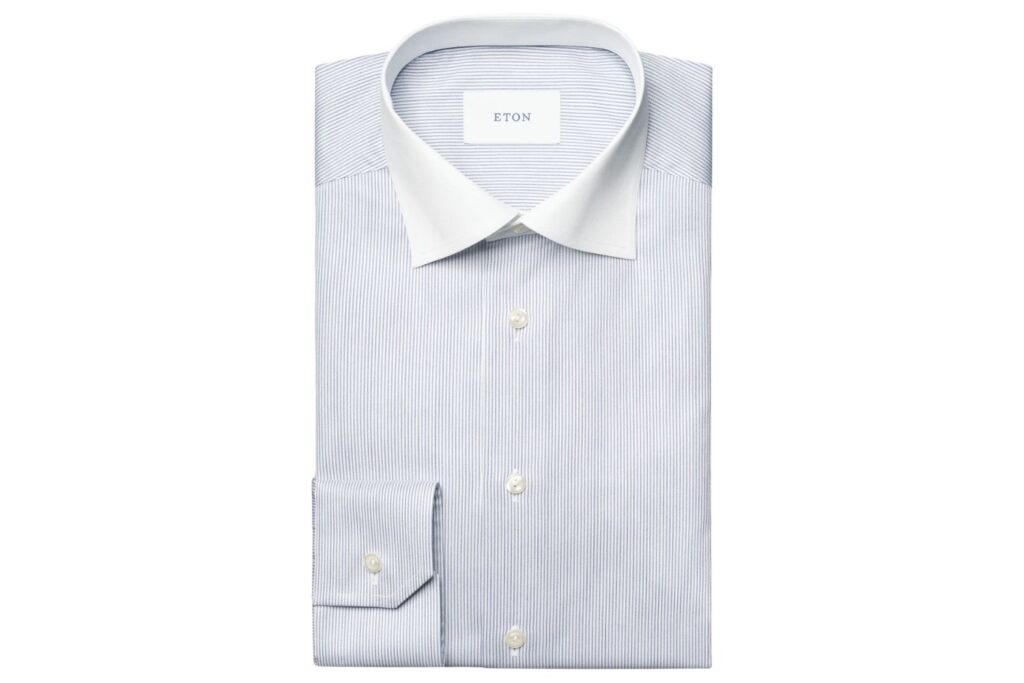
- Blue Check or Stripe – introduces pattern without risk. A classic Bengal stripe or fine check in blue and white is universally flattering and professionally appropriate.
- Mid Blue or Navy – deeper colour for more casual occasions. Pairs beautifully with grey, cream and tan trousers.
- Pink – the most underrated shirt colour for men. Flatters nearly every skin tone. Works in business and smart-casual contexts equally well.
→ Read our full colour guide: The 5 Shirt Colours Every Man Should Own
Statement Shirts
Once the foundation is in place, you can start experimenting. Madras checks, bold prints, rich plains – worn with confidence, these are the shirts that people remember.
→ Read our guide: From Madras to Pink: Statement Shirts That Actually Work
Pattern Mixing
The rule: vary the scale. If your trousers are a fine check, your shirt can be a bold stripe. If your jacket is plain, your shirt can carry the pattern. Never put two patterns of the same scale next to each other.
Recreate the looks
6. Occasion Guide
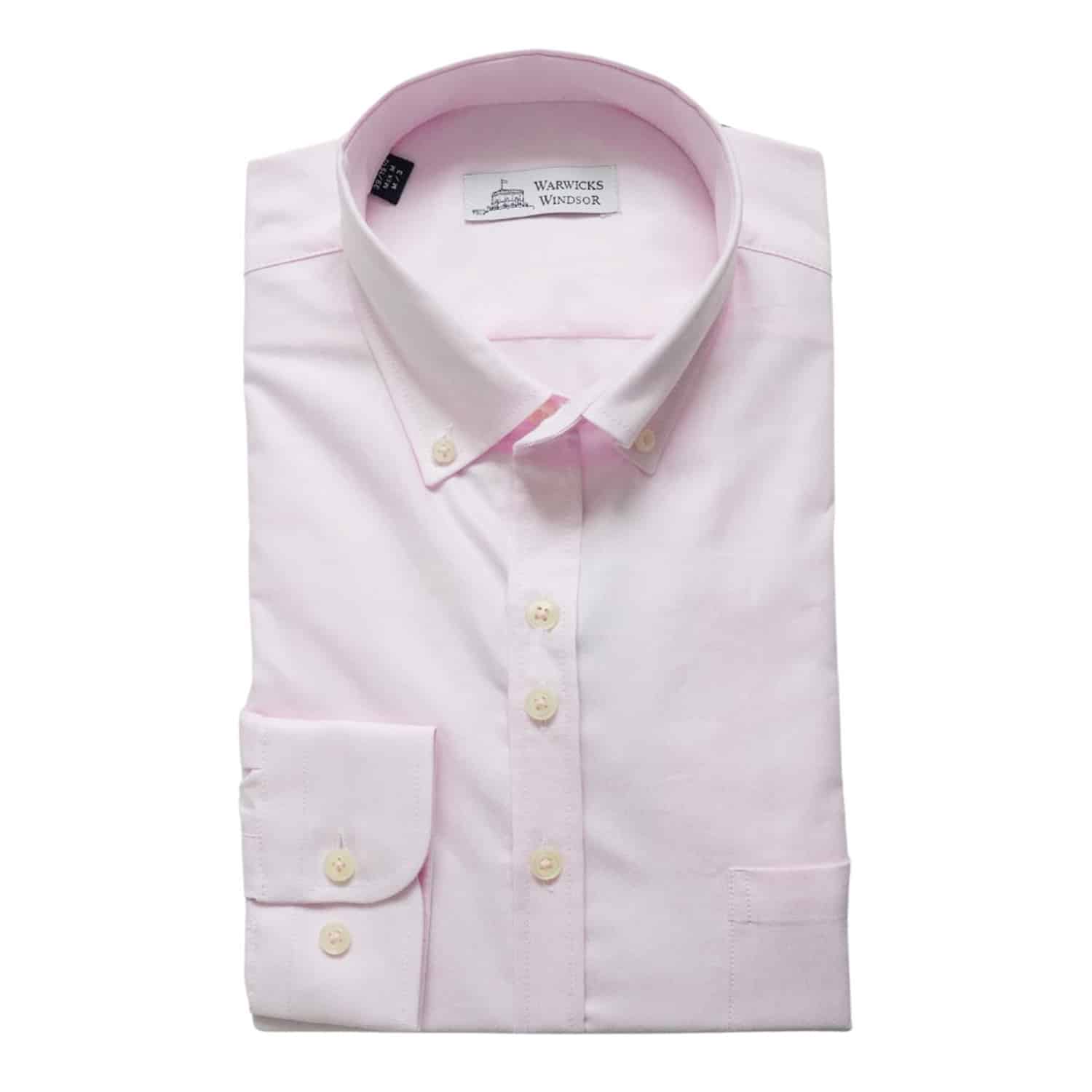
Casual
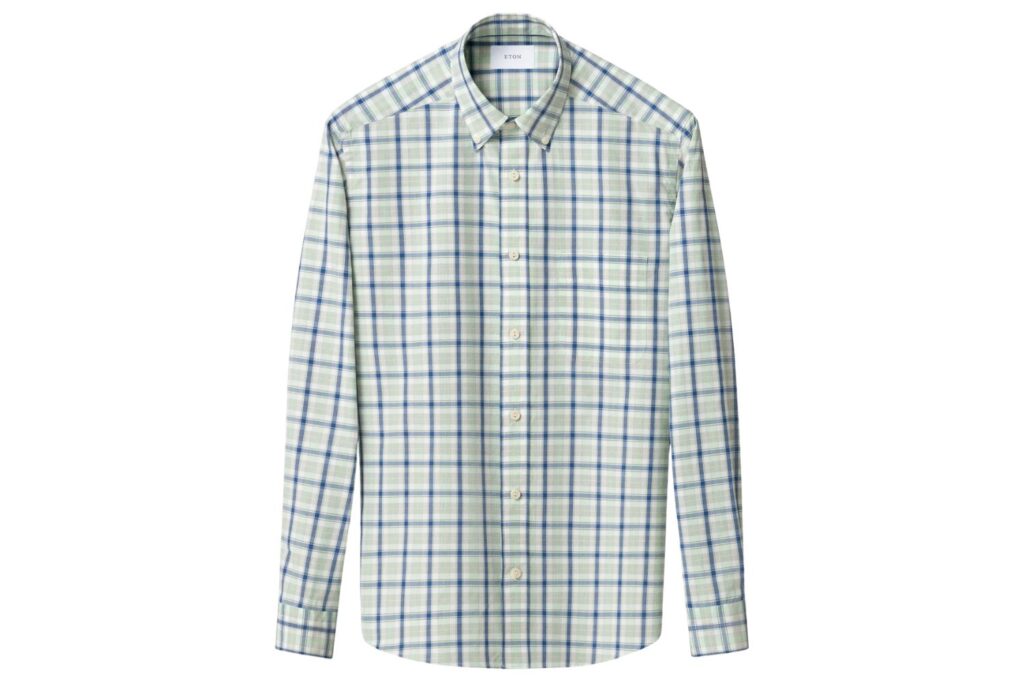
Relaxed fit. Oxford cloth. Button-down collar. Linen in summer, flannel or brushed cotton in winter. Chambray. Any colour that pleases you. Worn untucked with a straight hem, or loosely tucked. Jeans, chinos, cord trousers.
→ Read our complete guide: dinner party style for men
Smart-Casual
The hardest register to dress for. A fitted shirt in poplin or twill, tucked in, collar open. Spread or cutaway collar. Mid-blue, white, subtle stripe or check. Worn under an unstructured blazer or overshirt, or alone. Chinos, tailored trousers, dark jeans.
→ Read our complete guide: smart casual style for men
Business / Office
Poplin or herringbone. Spread or point collar. White, light blue, pale blue stripe, fine check. Properly fitted – not too loose, not too tight. Tucked in. With a well-knotted tie for formal offices; open-collar for more relaxed environments.
→ Read our complete guide: modern business dress code for men
Black Tie
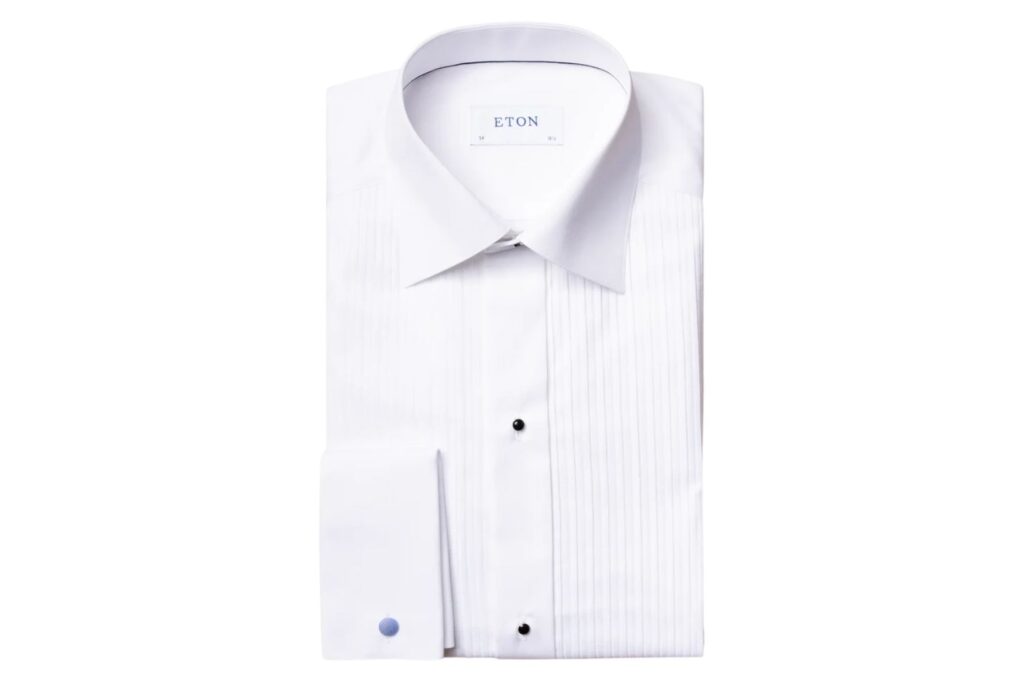
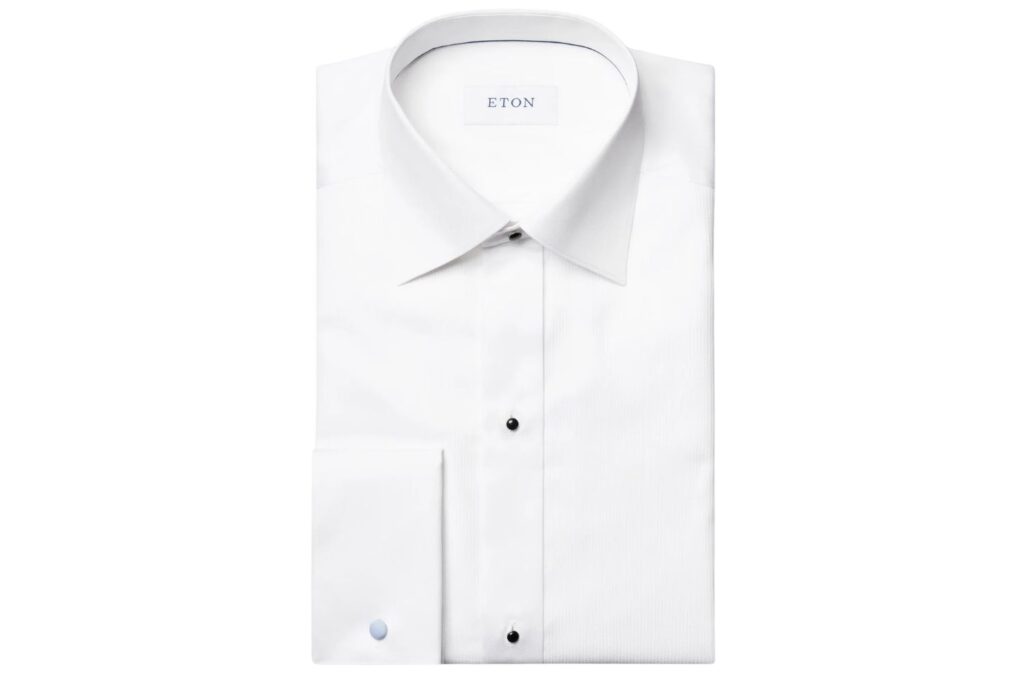
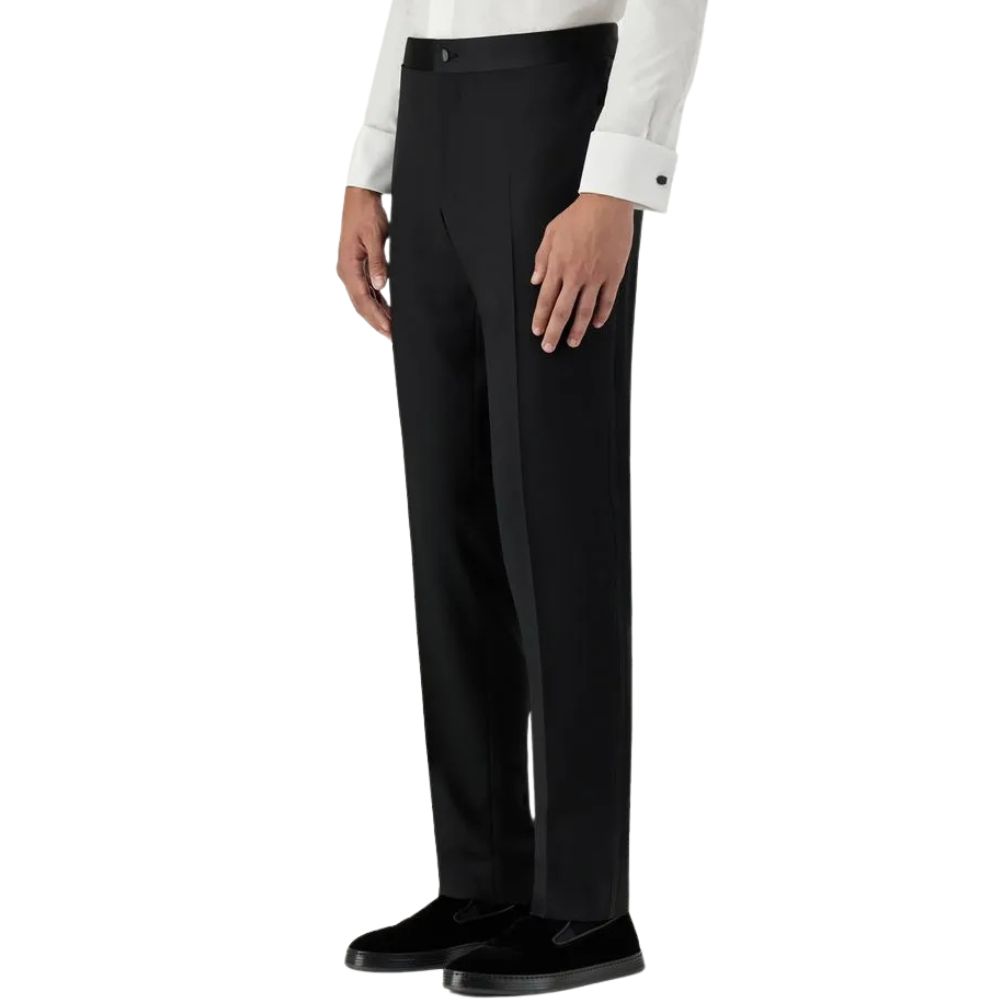
This is where it gets specific. A dress shirt for black tie should be white (never cream, never coloured). The front should be either a stiff marcella bib with a wing collar, or a pleated bib with a turndown collar. Double (French) cuffs only – worn with cufflinks that complement your studs.
→ Read our complete guide: How to Choose the Perfect Dinner Shirt for Black Tie Events
Recreate the looks
7. Own Label Shirts: What to Look For
When a retailer builds its own shirt label, it’s usually because they’ve spent long enough handling the best shirts in the world to know exactly what a great shirt should be – and what most shirts get wrong.
A well-made own-label shirt should use long-staple Egyptian cotton sourced from quality mills. The construction details that separate a shirt you wear for one season from one you wear for twenty years are: a split back yoke (two pieces, not one, for movement), hand-finished buttonholes, a seven-button placket, and mother-of-pearl buttons that don’t crack in the wash.
The Fit to Look For
The best own-label shirts are cut with a generous chest and shoulders but with meaningful waist suppression – what shirtmakers call the “classic English fit.” Not the aggressive narrowness of Italian fashion, not the shapeless ease of off-the-rack high street. A shirt that looks like it was made for you.
The Core Range
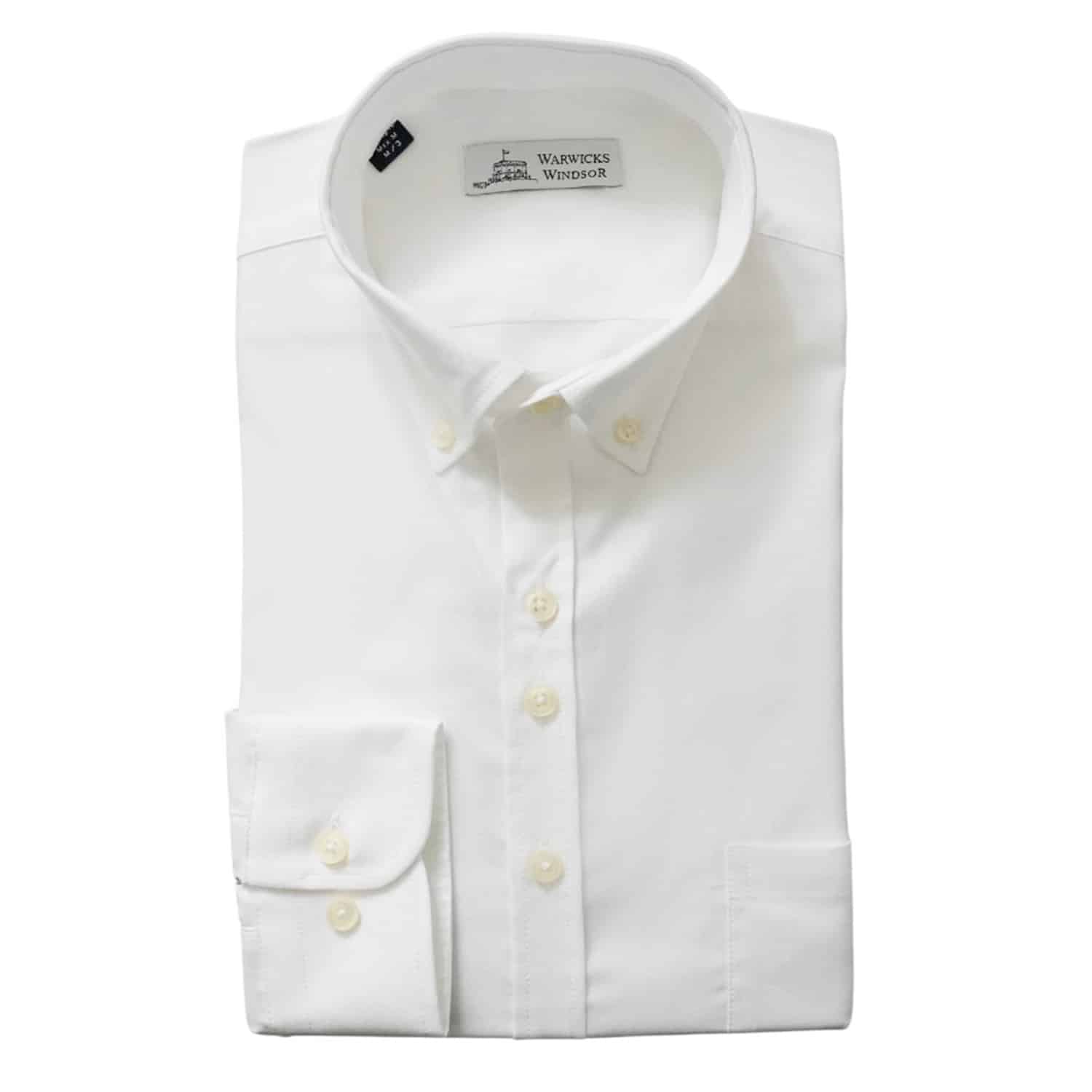
White Poplin – The benchmark. Egyptian cotton, 120/2 thread count, spread collar. The one shirt every man needs, and the one where quality is most visible.
Oxford Blue – The most versatile shirt in any own-label range. A soft Oxford weave in mid-blue with a button-down collar. Equally at home with a suit jacket or weekend chinos.
Pinstripe – A fine Bengal stripe in navy and white. Structure, elegance, authority. The City shirt done properly.
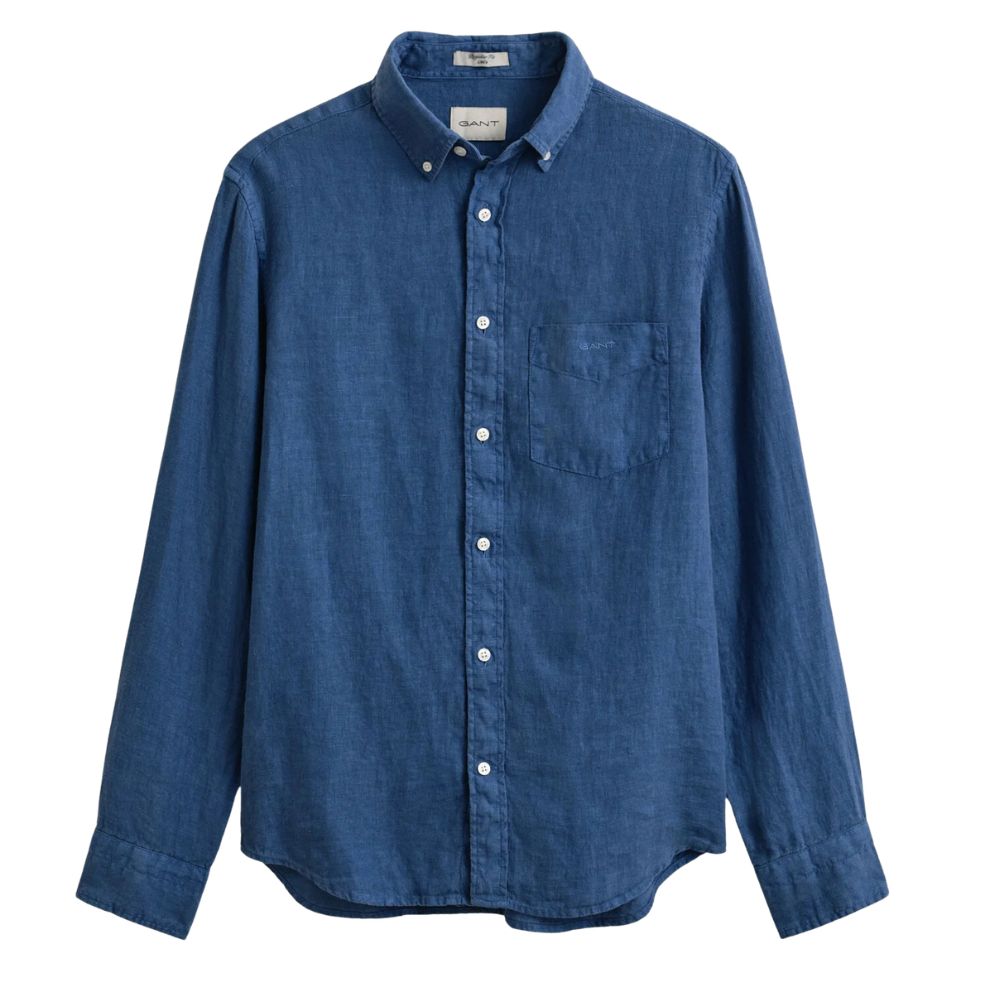
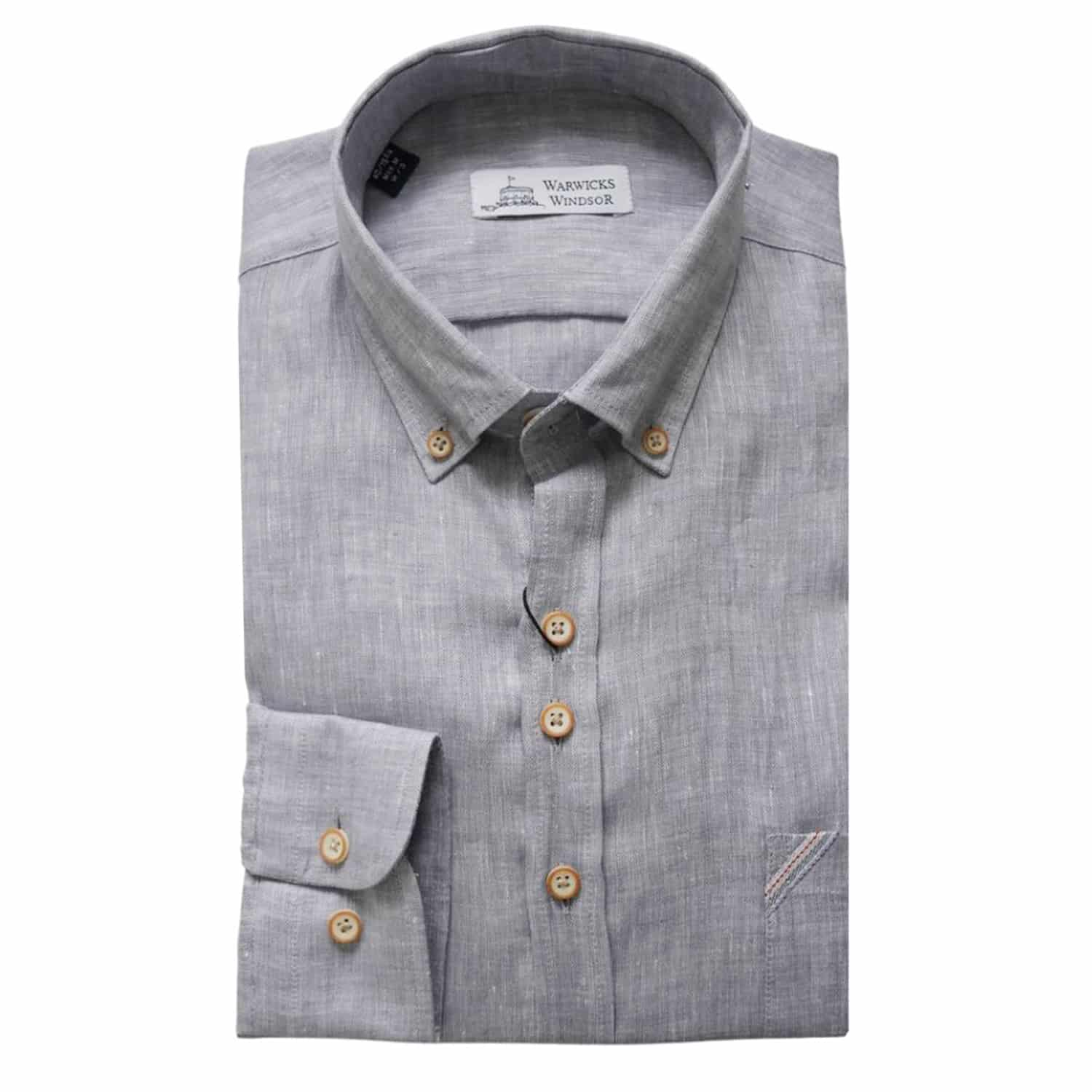
Linen – 100% Irish linen, stonewashed for softness, available in seasonal colours. Unfussy and beautiful.
Flannel Check – Brushed cotton in classic tartans and windowpane checks. Worn untucked at the weekend or tucked under a tweed jacket.
→ Check our: Warwicks Shirts
8. Brand Guide: The Shirtmakers Worth Knowing
Eton – Swedish shirtmakers producing some of the finest shirts in the world. Exceptional poplin quality, innovative construction, immaculate finish. Their Contemporary line is the benchmark for business shirts.
Stenströms – Another Swedish house with an unimpeachable reputation. Their Slimline shirts are cut for men who want precision without discomfort. Extraordinary attention to detail.
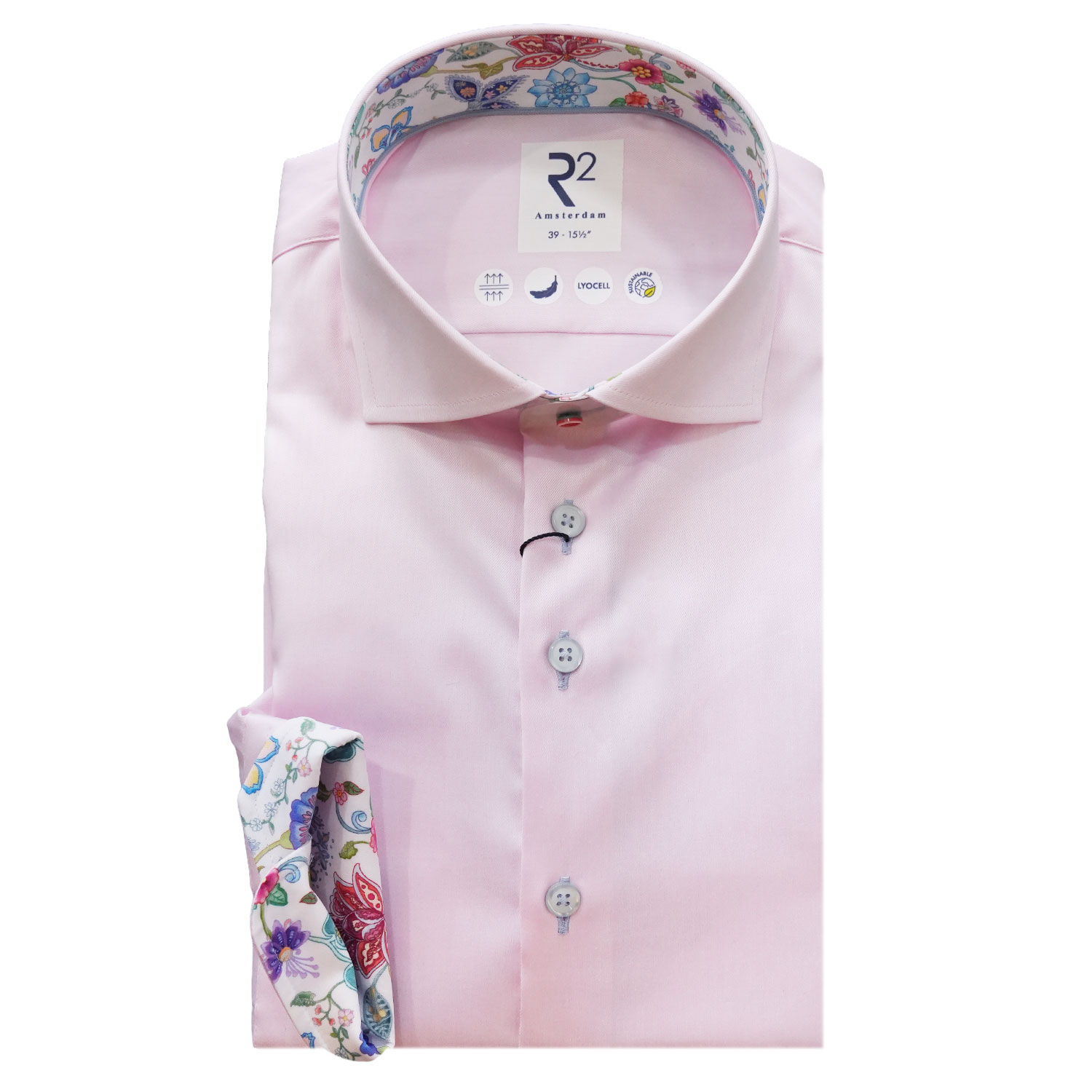
R2 – The shirt label from Portugal’s prestigious Casa Brandão. Understated European elegance. Clean lines, excellent fabrics, quiet confidence.
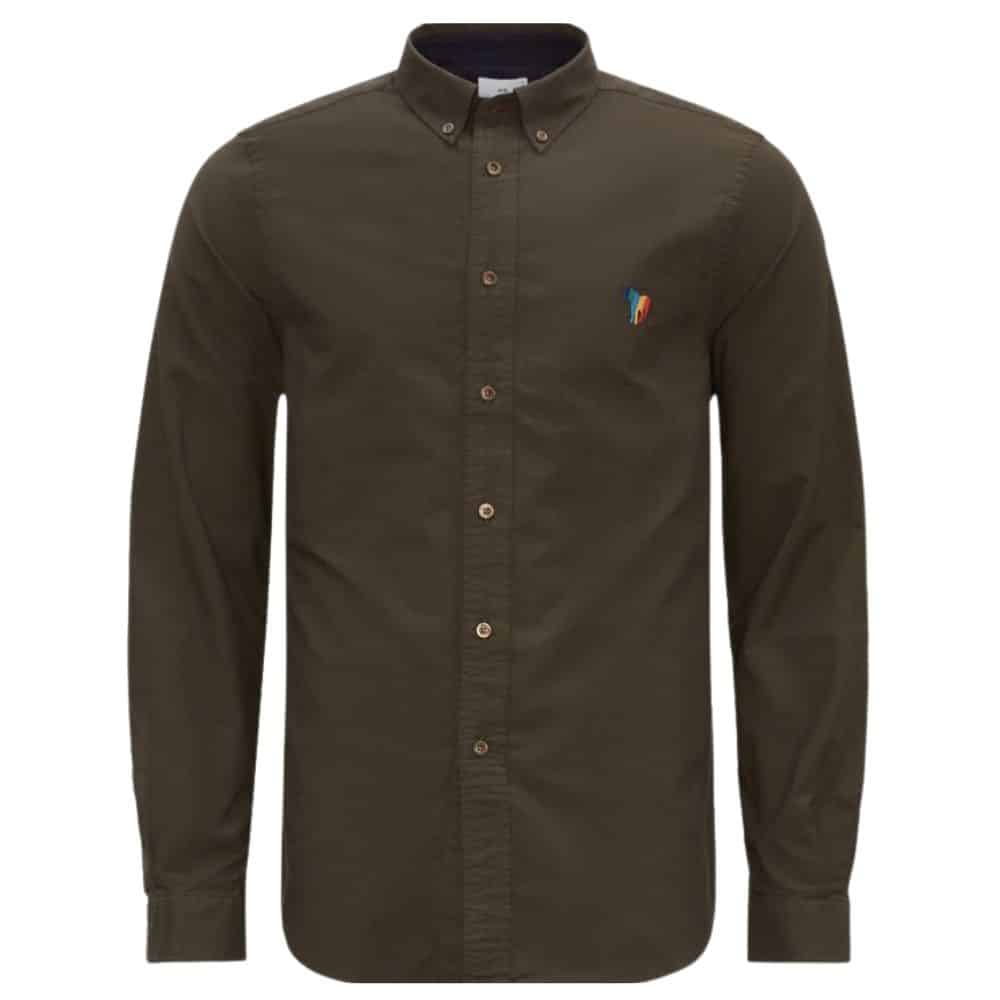
Paul Smith – British creativity in shirt form. Classic constructions given unexpected details – a contrasting collar, an interior print, a surprising stripe sequence. For the man who wants to be interesting without being obvious.
Gant – The American Ivy League aesthetic, beautifully executed. The original button-down Oxford shirt is still one of the best casual shirts in the world.
Barbour – Country and coastal heritage. Excellent check shirts, brushed cottons, and summer linens that carry the brand’s outdoor authority.
Fynch-Hatton – A German label with a devoted following for their exceptional linen shirts. Relaxed, beautifully dyed, built to be worn on holiday and never forgotten.
9. Caring for Your Shirts
A great shirt cared for properly will outlast a cheap shirt five times over.
Washing – Machine wash on a cool cycle (30°C) inside out. Use a gentle detergent. Avoid tumble drying if possible – it strains the fibres and shrinks the collar.
Ironing – Iron slightly damp. Start with the collar (inside then outside), then the cuffs, then the sleeves, then the back, then the front placket, then the front panels. Always iron in the direction of the weave, not against it.
Storage – Hang shirts – never fold them flat in a drawer if you can avoid it. This keeps the collar from creasing and lets the shirt breathe.
White Shirts – Treat yellow underarm stains early. A paste of bicarbonate of soda and white vinegar applied before washing is effective. Commercial oxygen-based stain removers also work well.
Linen – Linen wrinkles easily and that’s fine. Wash on cool, reshape while damp, and hang to dry. You don’t need to iron linen – the natural rumple is part of its character.
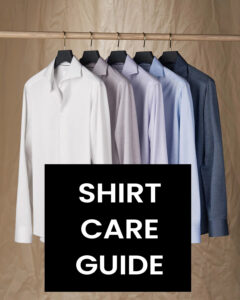
→ Read our full guide: Shirt Care Guide: How to Keep Your Shirts Looking Their Best
Shirt care guide
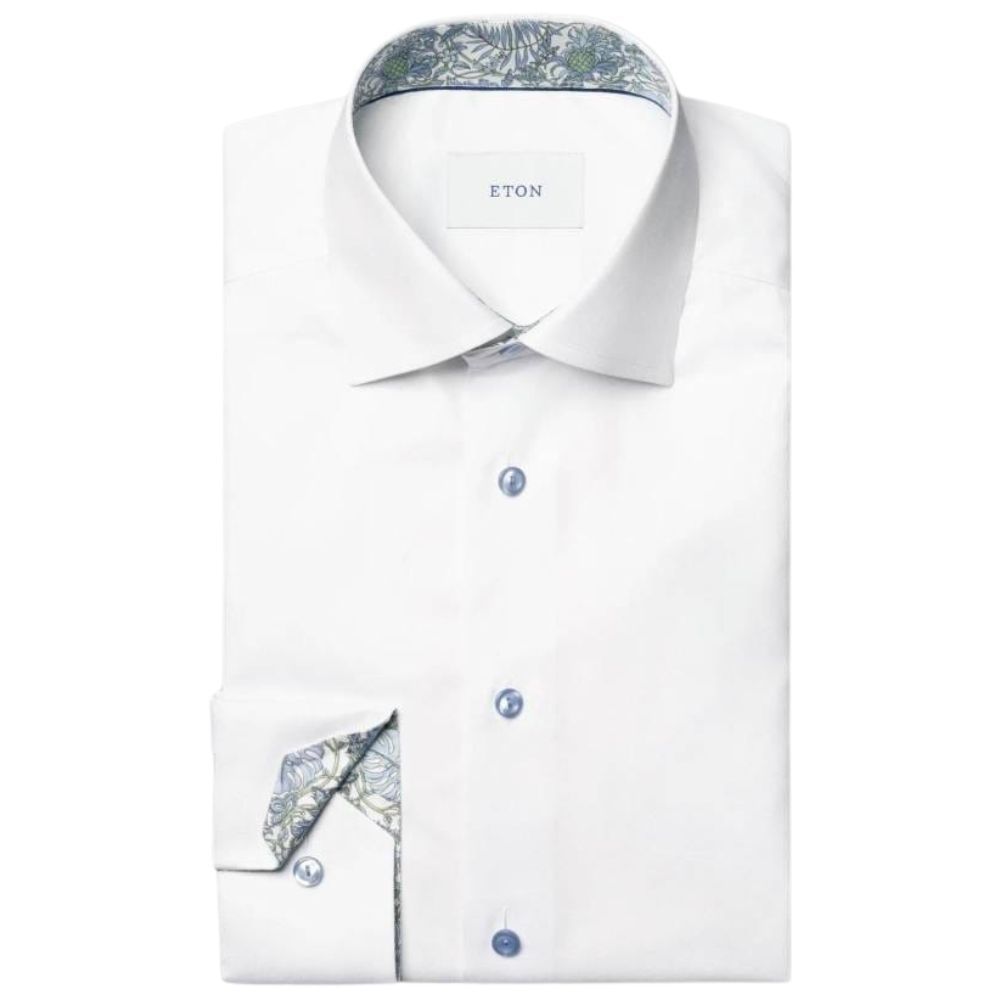
A great shirt cared for properly will outlast a cheap shirt five times over
| Care step | Key advice | Effort | Impact |
|---|---|---|---|
|
Washing 30°C, inside out |
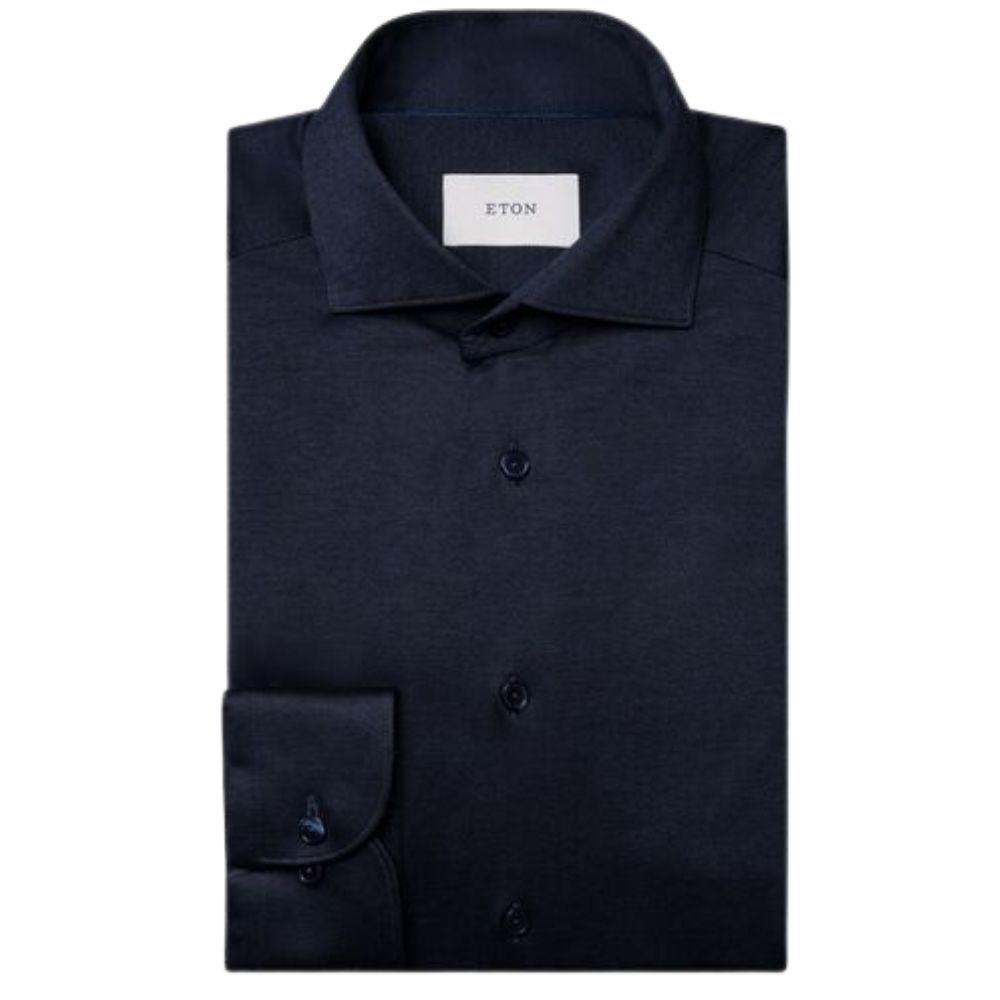
Cool cycle, gentle detergent, inside out. Avoid tumble drying — it strains fibres and shrinks the collar. |
|
|
|
Ironing Collar → cuffs → back → front |
Iron slightly damp. Follow the order: collar (inside then out), cuffs, sleeves, back, placket, front panels. Always iron with the weave. |
|
|
|
Storage Always hang |
Hang shirts — never fold flat in a drawer if you can avoid it. Keeps the collar from creasing and lets the shirt breathe. |
|
|
|
White shirts Stain prevention |
Treat yellow underarm stains early. Bicarbonate of soda and white vinegar paste before washing, or an oxygen-based stain remover. |
|
|
|
Linen Embrace the rumple |
Wash on cool, reshape while damp, hang to dry. No ironing needed — the natural wrinkle is part of its character. |
|
|
Accessories That Elevate the Look
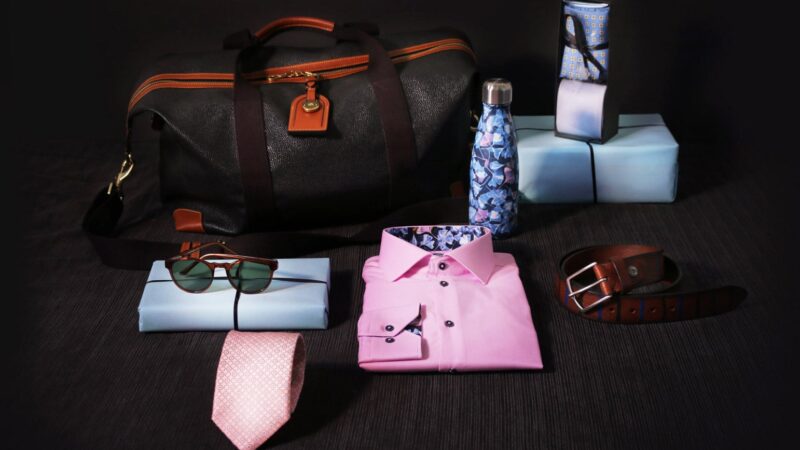
The right accessories should whisper quality.
Recommended:
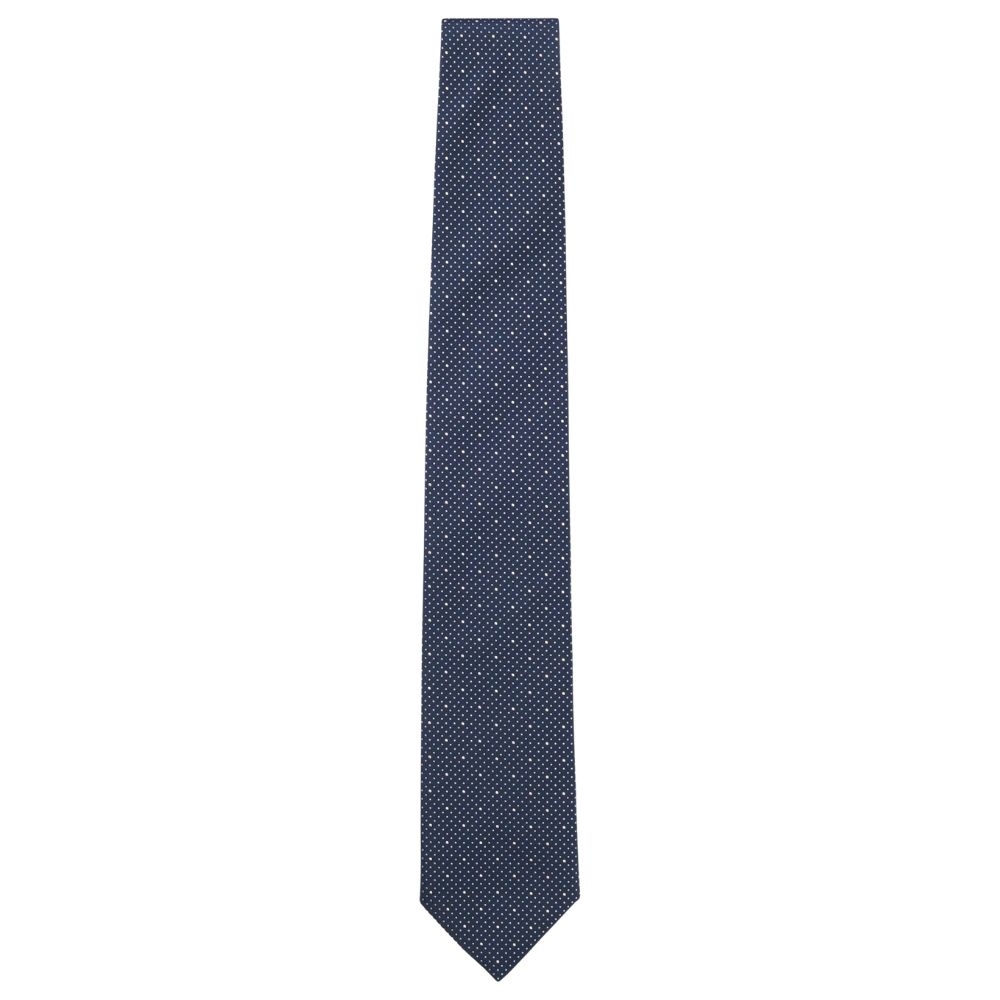
- Silk tie
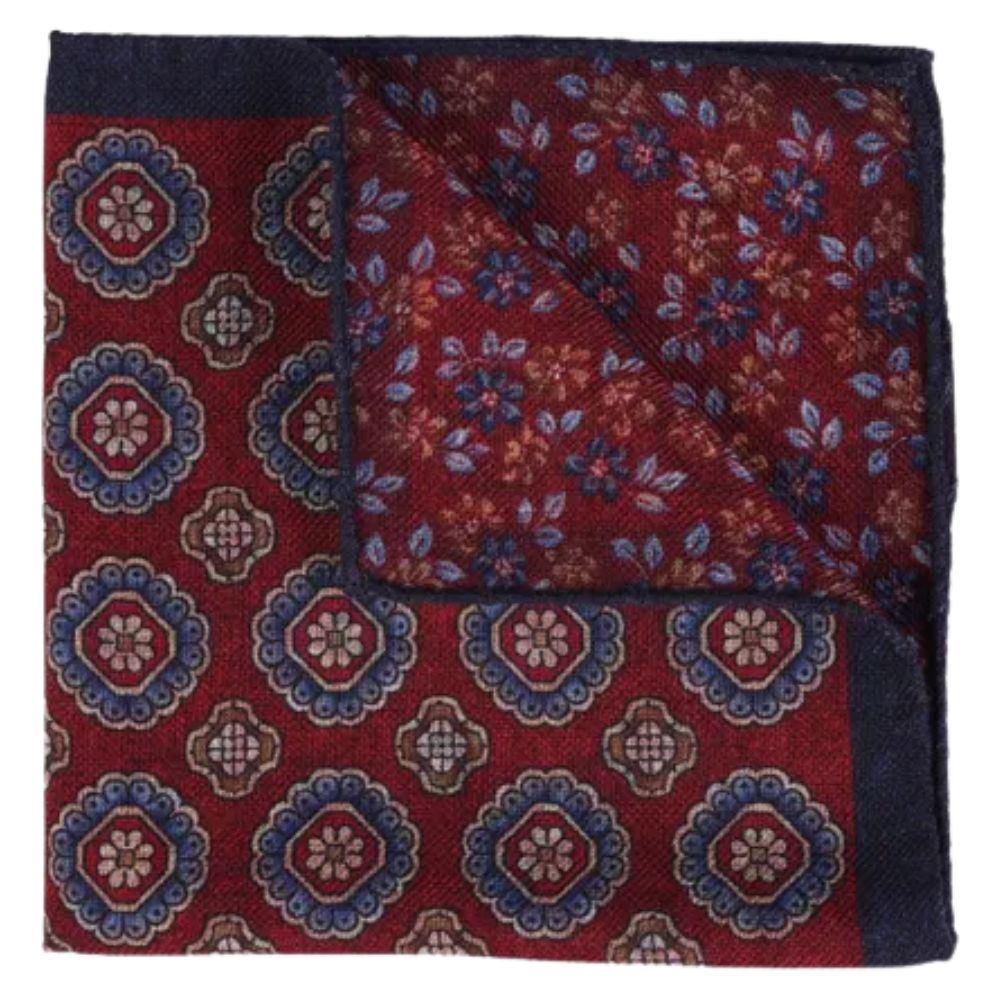
- Pocket square
- Elegant watch
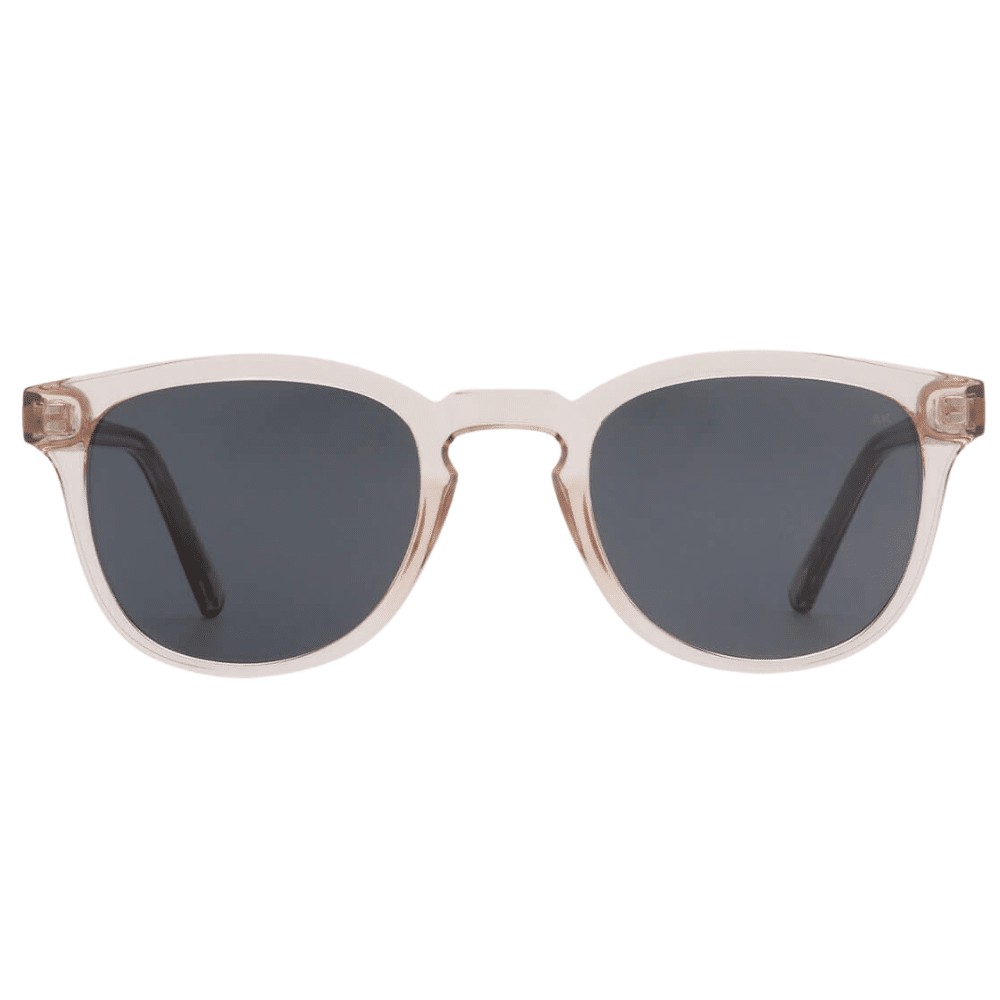
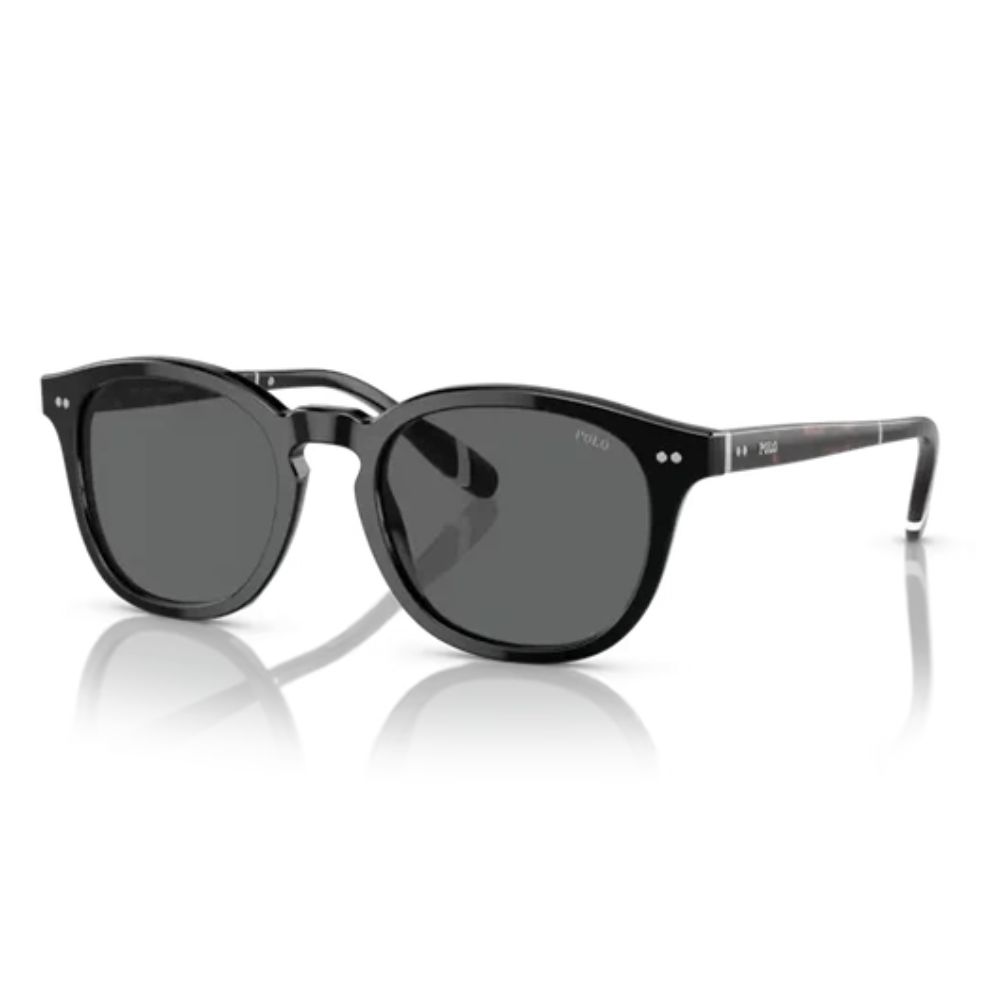
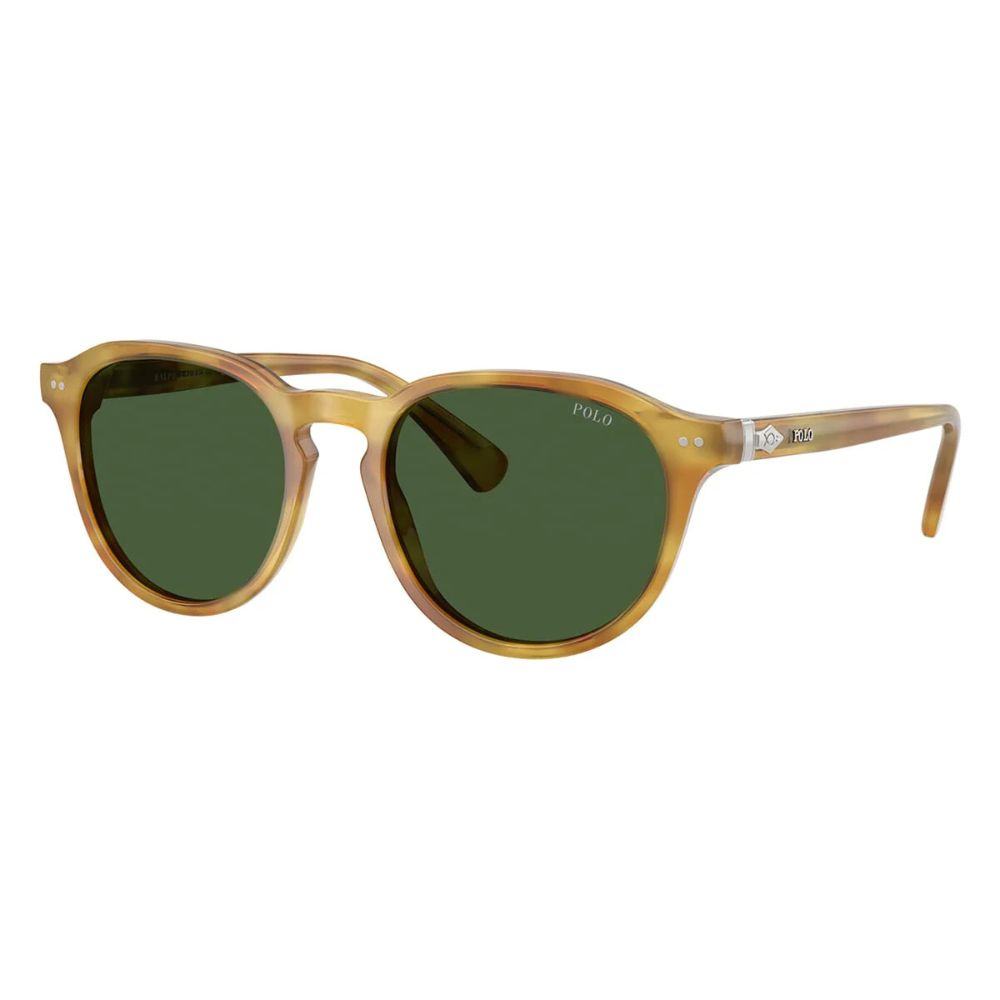
- Sunglasses with classic frames
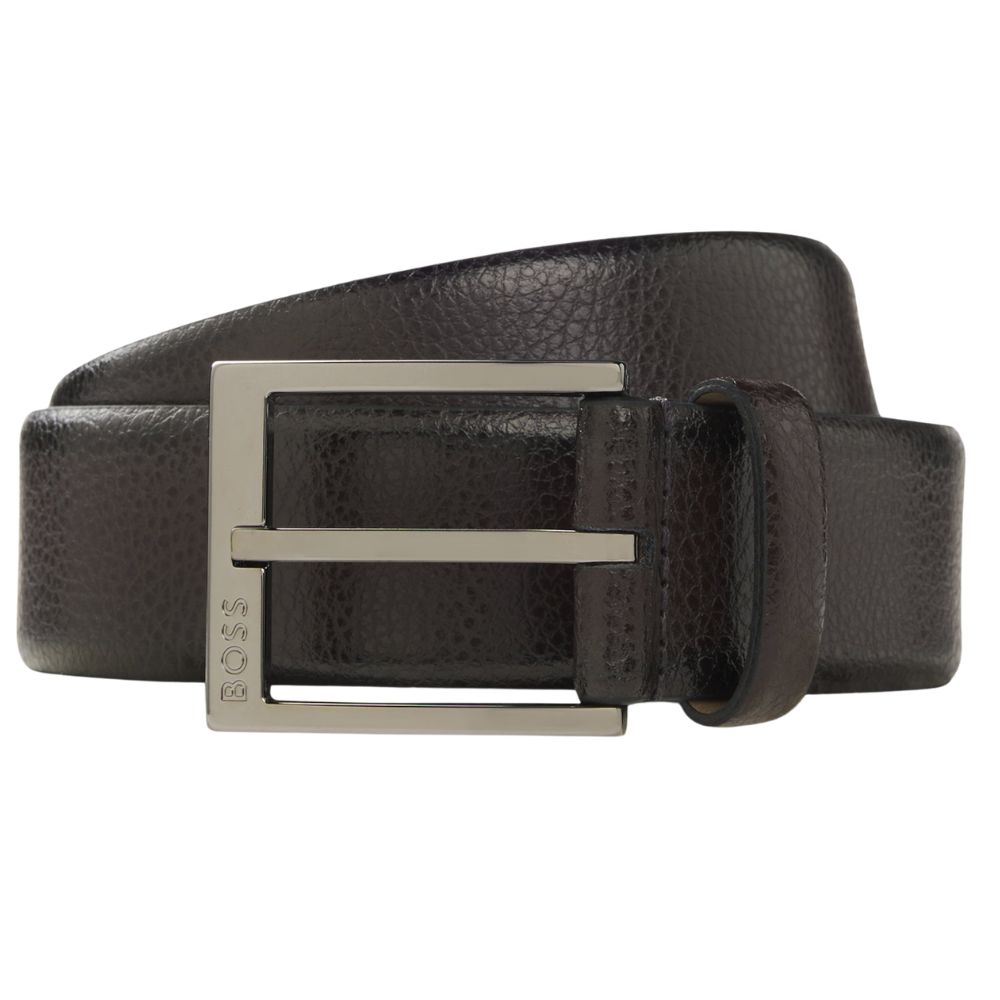
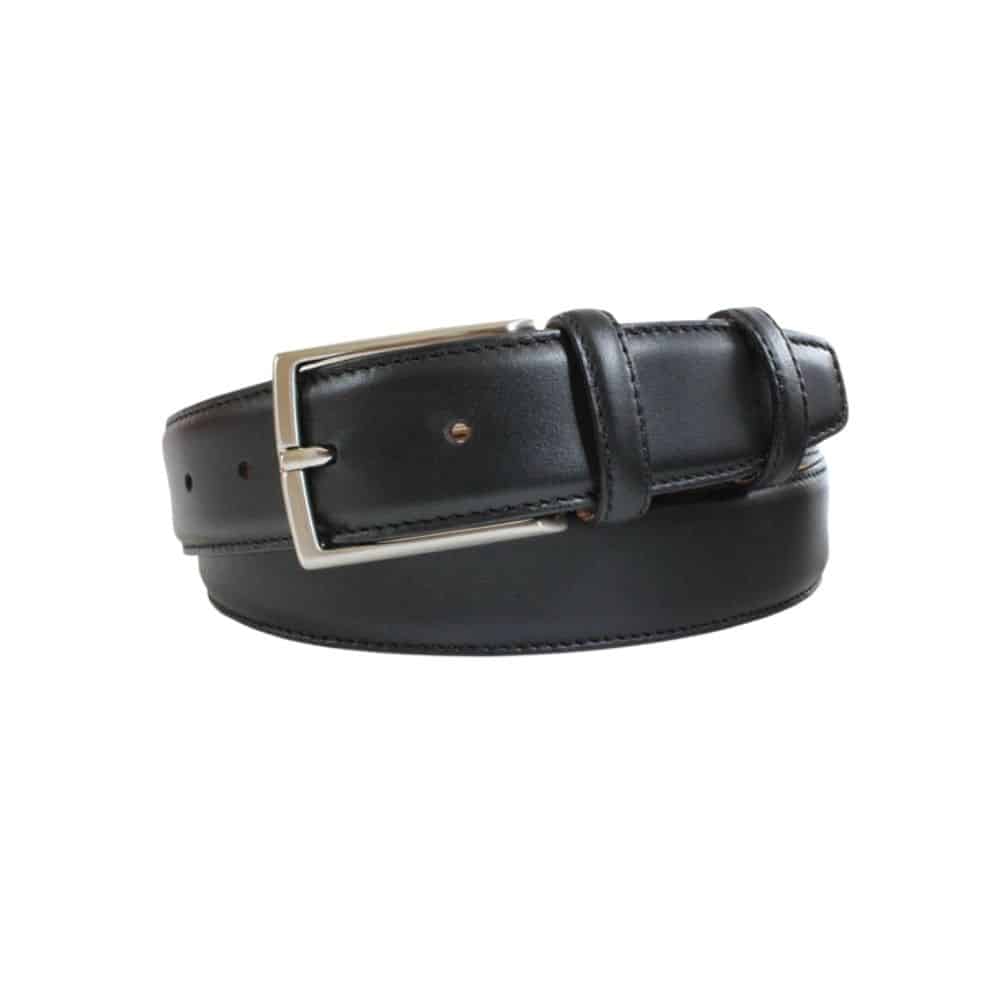
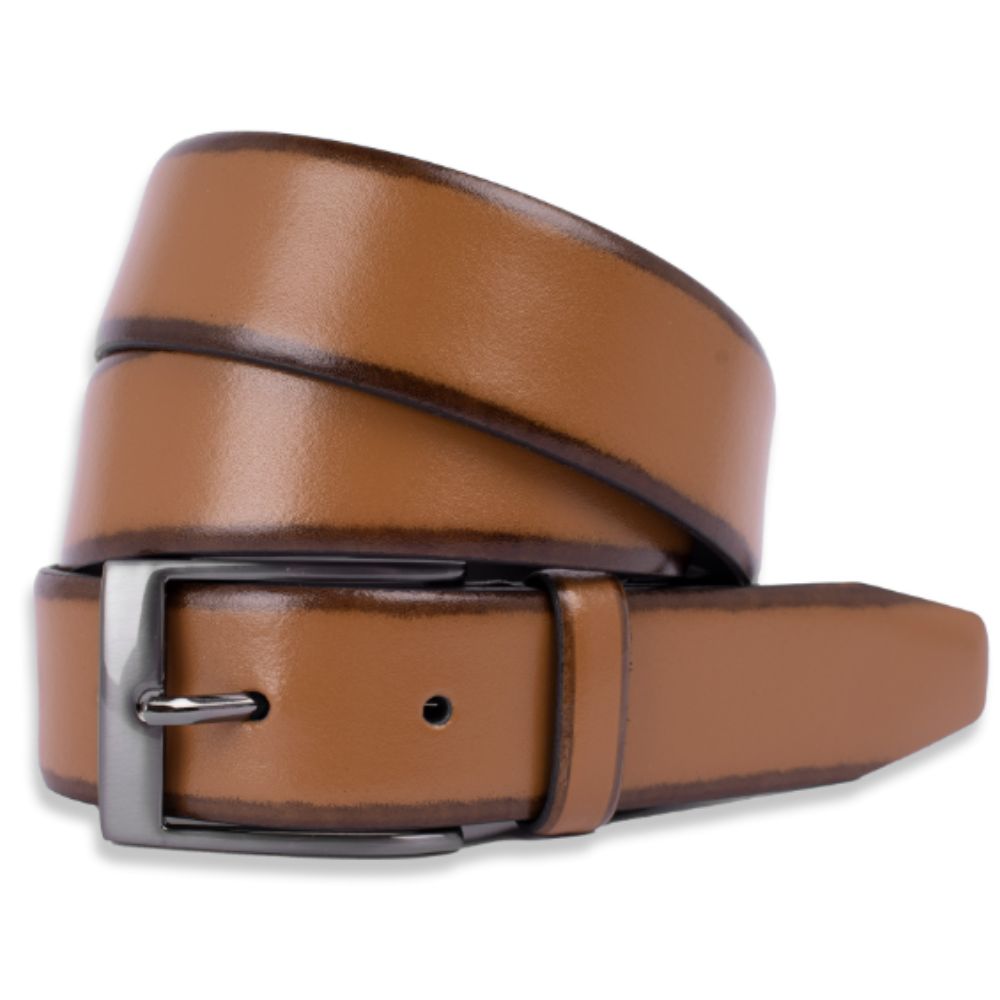
- Quality belt if needed
- Amanda Christensen ties and pocket squares are ideal for adding sophistication without excess.
Avoid:
- Novelty cufflinks
- Loud socks
- Oversized logos
- Fancy dress energy
FAQS: men’s shirts
For business and formal wear, a 100% long-staple Egyptian cotton poplin is the gold standard. It’s smooth, breathes well, irons beautifully, and holds its shape through long days.
The shoulder seam should sit at the very edge of your shoulder – not drooping down your arm, not pulling upward. This is the most important fit measurement because shoulder seams cannot be altered.
Technically yes, but tread carefully. A button-down collar with a formal suit is more American Ivy League than British boardroom. For business formal in the UK, a spread or point collar is more appropriate.
As a baseline: five white/light blue poplin shirts for business, two Oxford shirts for smart-casual, two casual shirts for weekends. From there, build according to your lifestyle.
A point collar or narrower spread collar helps elongate a rounder face. Avoid very wide cutaway collars, which emphasise width.
A shirt with double (French) cuffs, which fold back on themselves and are secured with cufflinks rather than buttons. Appropriate for formal occasions, weddings, and black tie.
Two-fold fabrics (80/2, 100/2, 120/2) are generally superior to single-fold equivalents. The higher the number, the finer the weave – though beyond 120/2, the difference is marginal.
The most common mistake men make with shirts is buying too many mediocre ones instead of fewer excellent ones. A wardrobe built on five brilliant shirts – the right fabrics, the right fits, the right collars – will serve you better than a rail of compromises.
Start with white poplin. Add light blue. Then a stripe. Learn what works for your face and your build, and build from there. The rest follows naturally.
Buy less. Choose better. Look after what you have.
explore more articles
Currently studying Marketing. I love spending time reading books, savouring coffee, and exploring new places.
- Yelyzaveta Тymchenko



No Comments