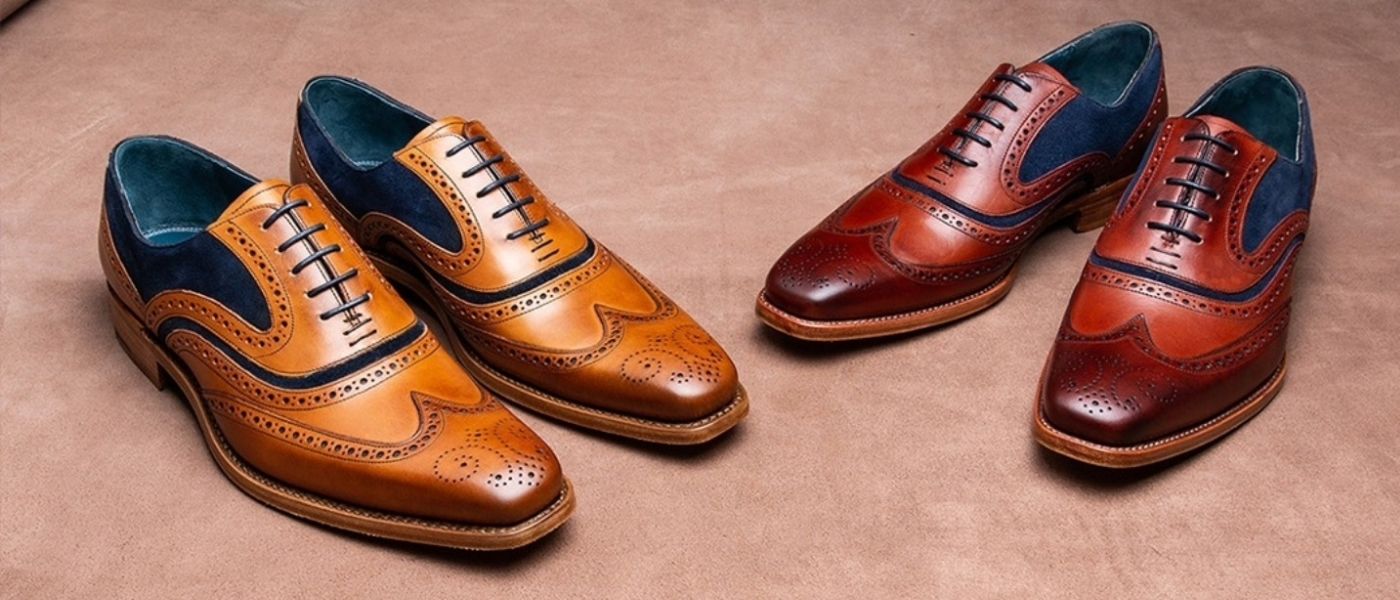
Mens Barker Shoes: A British Legacy of Craftsmanship & Care
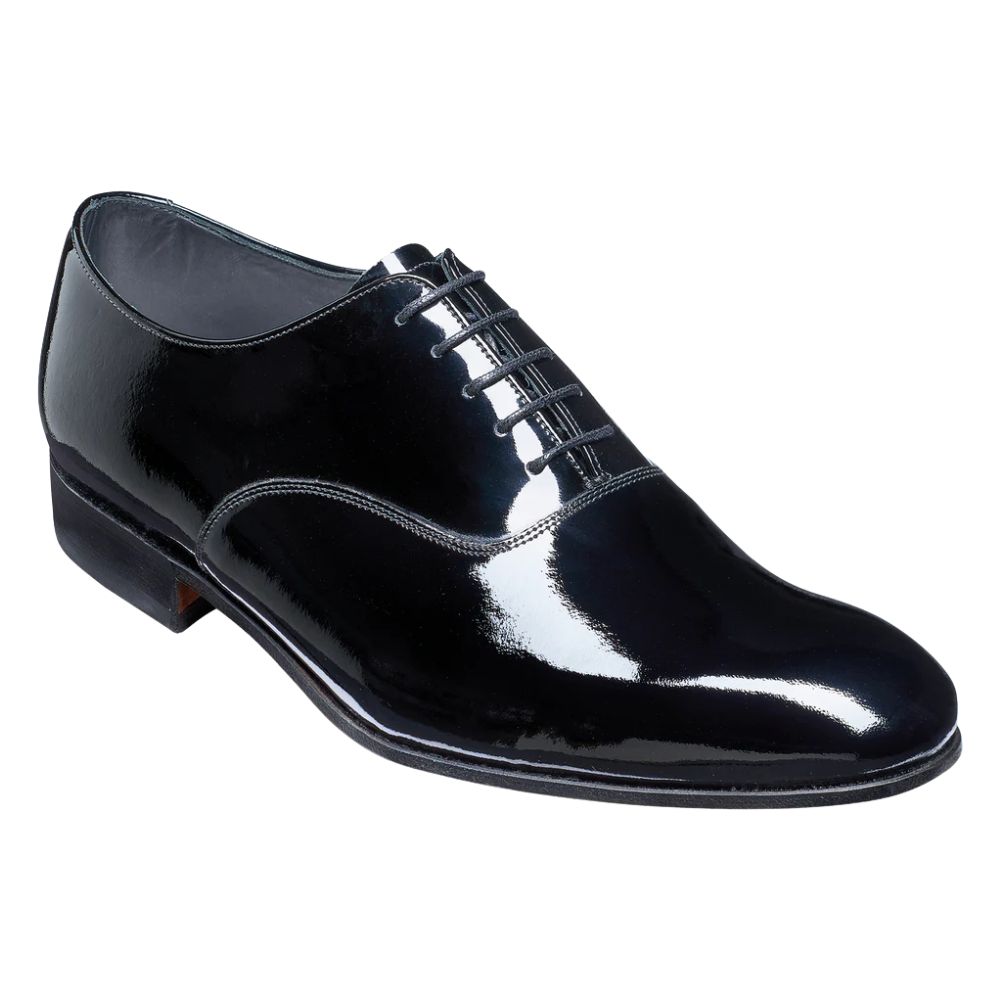
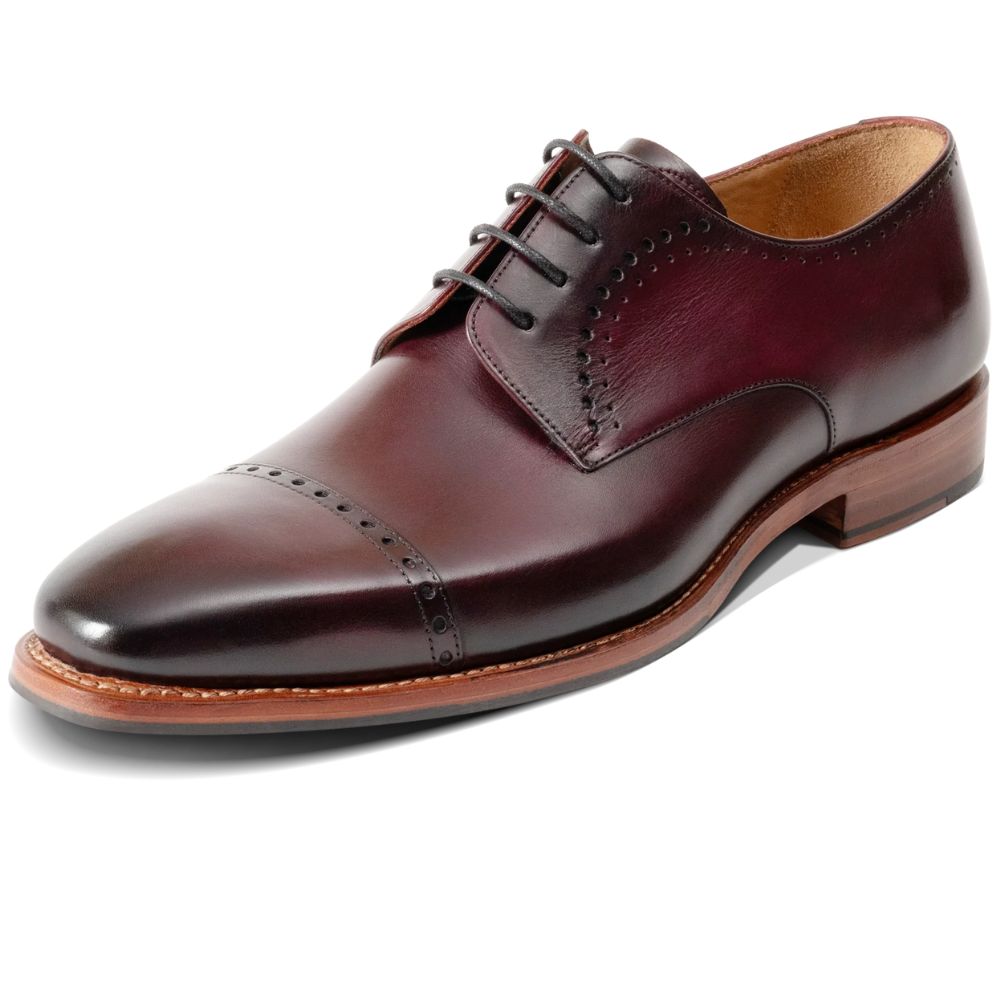
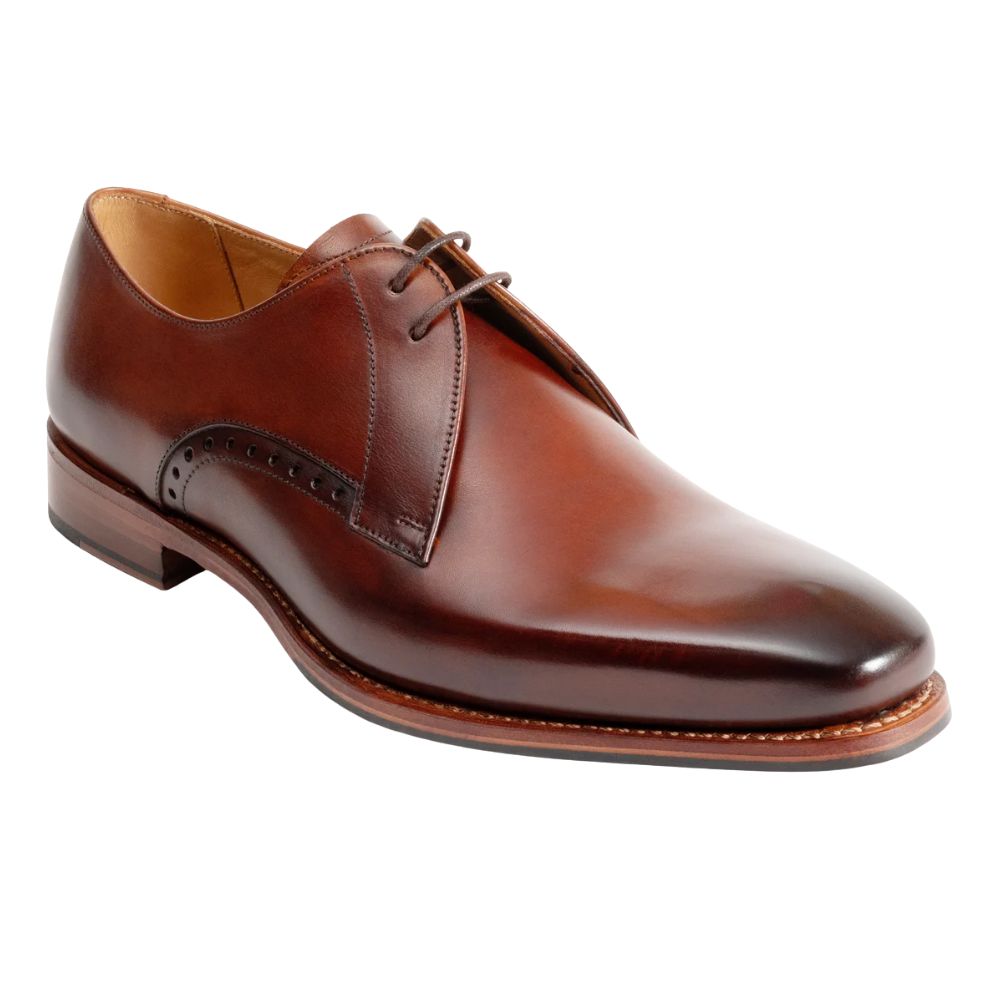
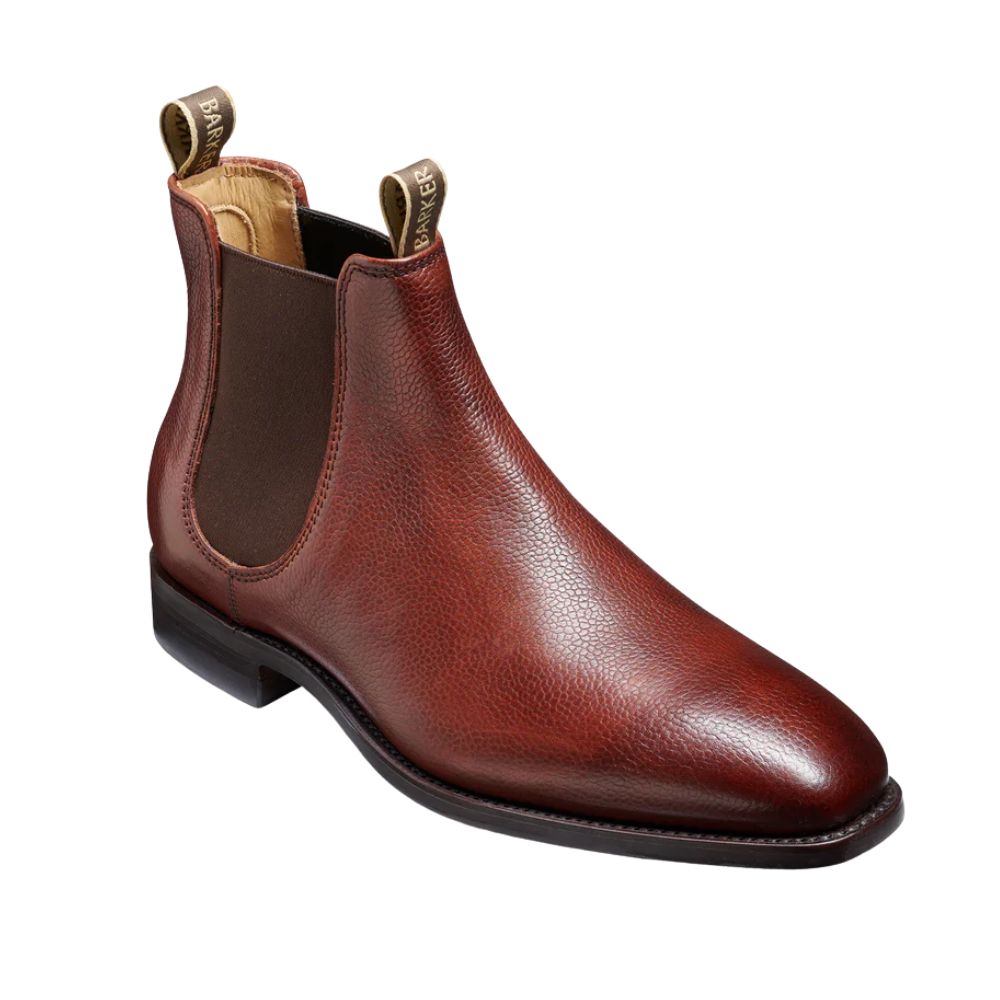
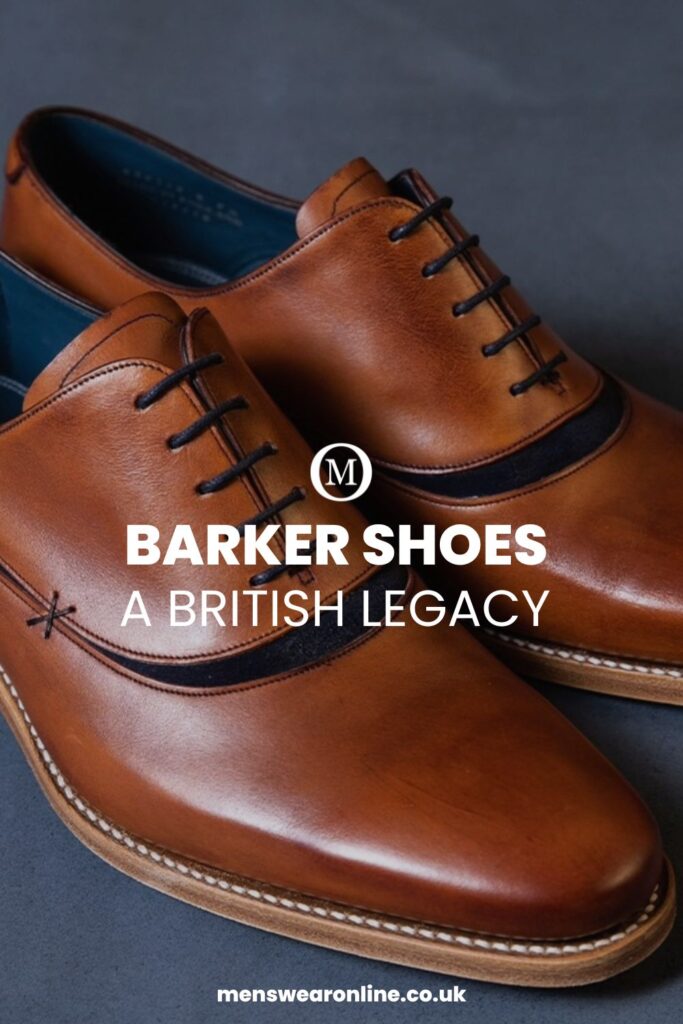
When you slip on a pair of mens Barker shoes, you’re not just wearing footwear  –  you’re stepping into over 140 years of heritage, craftsmanship, and timeless British design. From the moment the leather is selected to the final polish in the Shoe Room, every Barker pair is made with an unmatched dedication to quality.

In this post, we’ll walk you through the story of Barker – its rich history, its meticulous manufacturing process, and how you can care for your shoes so they stay looking as good as the day you bought them.

A Brief History: From 1880 to Today

Barker was founded in 1880 by Arthur Barker in the village of Earls Barton, Northamptonshire – a region world-renowned for premium shoemaking. Arthur’s vision was simple: to create durable, handmade boots using traditional methods and the finest materials.

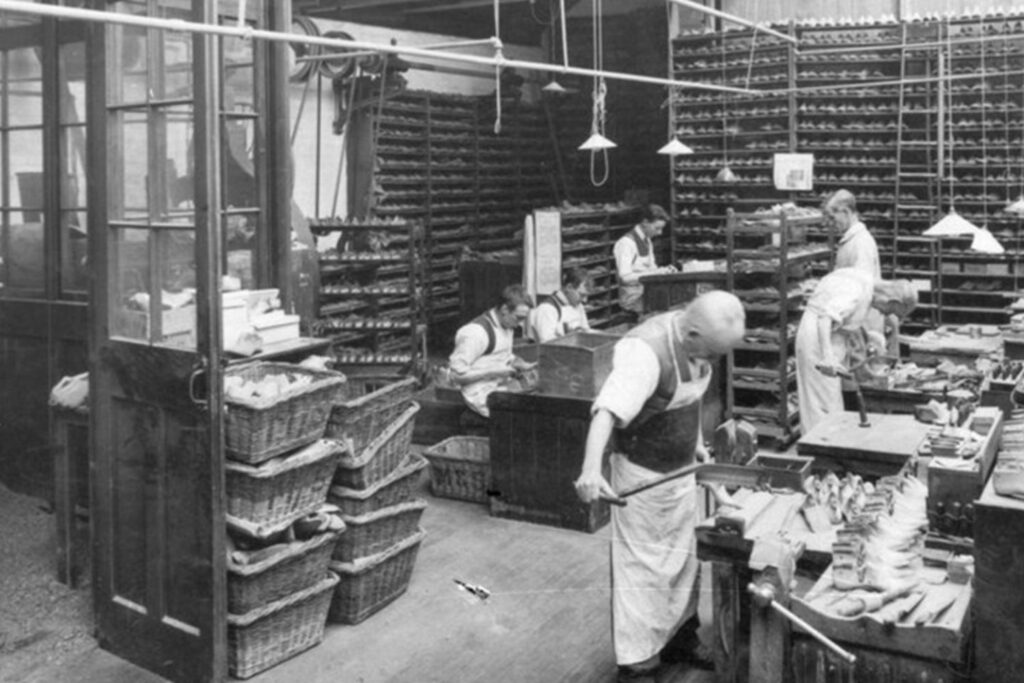
Over the decades, Barker has stayed true to its roots. Even today, every pair is designed, developed, and handcrafted at the same historic factory in Earls Barton. The brand continues to embody everything that makes British shoemaking globally respected – precision, elegance, and authenticity.

Barker Shoes Blog Post 2

How Mens Barker Shoes Are Made: Step by Step

1. Design & Pattern Cutting

Everything begins in the design room. Here, each new shoe is first sketched and then drawn directly onto a last using masking tape – an old-school method that ensures perfect proportions. Once the pattern is approved, it’s passed on to development for sizing and grading.

This traditional approach to pattern making is rarely seen in modern shoemaking, making it uniquely Barker.


2. Clicking & Closing

In this stage, skilled craftsmen and women – known as “Clickers” – inspect leather hides for imperfections. Using expert eyes and hands, they cut out the uppers and linings. The term “clicker” comes from the distinctive sound their blade makes.

In the Closing Room, the shoe begins to take shape: brogue punching, stitching components together, and fitting eyelets are all done by hand.

3. Bottom Stock Preparation

The completed uppers are softened in a warm, damp room known as the Muller, helping the leather conform to the last’s shape. Meanwhile, insoles and soles are cut and prepared in-house – ensuring every part of the shoe meets Barker’s quality standards.

Canvas ribbing is attached to the insole at this stage, which will later secure the welt – a key part of the Goodyear construction.

4. The Lasting Room

Here, the shoe starts to come alive. The insole is stapled to a wooden last, and the leather upper is stretched and moulded over it – heel first, then toe, then sides – to form the shoe’s silhouette. Side lasting is done by hand to ensure a precise fit and refined shape.

5. Making Room: Goodyear Welted Excellence

This is the heart of Barker’s craftsmanship. A highly trained Welt Stitcher attaches the welt to the ribbed insole. Cork and wooden shanks are added for support and breathability, then the sole is stitched to the welt – a process that allows future resoling without damaging the upper.

After stitching, soles are “bottom levelled” for the perfect fit and finish.

6. Finishing Room

Over 200 operations are completed before the final touches begin here. Edges are smoothed and waxed, while soles are detailed using a hot wheel – a process called bunking. Finally, the shoes are burnished by hand to give the leather rich depth, character, and colour.

7. Shoe Room: The Final Polish

This is where shoes earn the Barker seal. Antique creams create a beautiful patina, shoes are carefully polished and inspected, and only once they pass all checks are they laced, boxed, and stamped with the Barker name.

It’s not just a process — it’s a legacy that’s been carefully refined since 1880.

Understanding Barker Lasts: The Foundation of a Perfect Fit

The word “last” comes from the Old English “laest,” meaning footprint – a fitting name for one of the most important elements in traditional shoemaking. A last is a foot-shaped mold used throughout the shoe’s creation, from initial design through to final production. At Barker, lasts are crafted and refined in Northampton, the heart of British shoemaking, based on over a century of anatomical study and experience.

Each Barker last is numbered and graded to suit a variety of foot shapes and fits – whether you’re after a sleek business shoe or a roomier country boot. Here’s a quick overview of some of Barker’s most popular lasts and how they fit:

instantly
elevate your style

with the power of layering

Have you ever looked at someone and thought:
“Wow! Their outfit just WORKS!” That’s the power of layering for you.

In this FREE E-book we’ll teach you the skill of layering with a few simple rules and give you lots of examples for inspiration. 

*by signing up you agree to our terms & privacy policy

elevate your style effortlessly with the power of layering

How to Care for Your Barker Shoes

A high-quality pair of Barker shoes can last for decades – but only if you look after them properly. Here’s how to keep them in great shape:

Clean Regularly

After each wear, take a moment to gently wipe your shoes with a soft cloth to remove any dirt or surface dust. This simple step prevents buildup and helps preserve the finish of the leather. If your shoes get wet, avoid the temptation to speed up drying with direct heat. Instead, let them air dry naturally at room temperature – this protects the leather from cracking and warping.

Condition and Polish

Leather is a natural material that needs moisture to stay supple. Every few weeks, apply a leather conditioner to nourish the hide and prevent it from drying out. Once conditioned, use a quality cream or wax polish that matches the colour of your shoes. Work it in with a soft cloth and finish with a horsehair brush to bring out a rich, long-lasting shine that also adds a layer of protection.

Use Shoe Trees

One of the simplest but most effective things you can do is insert cedar shoe trees when your shoes are not being worn. They help retain the shape of the shoe, reduce creasing in the leather, and absorb excess moisture from daily wear. Over time, this small habit helps your shoes age more gracefully and maintain their structure.

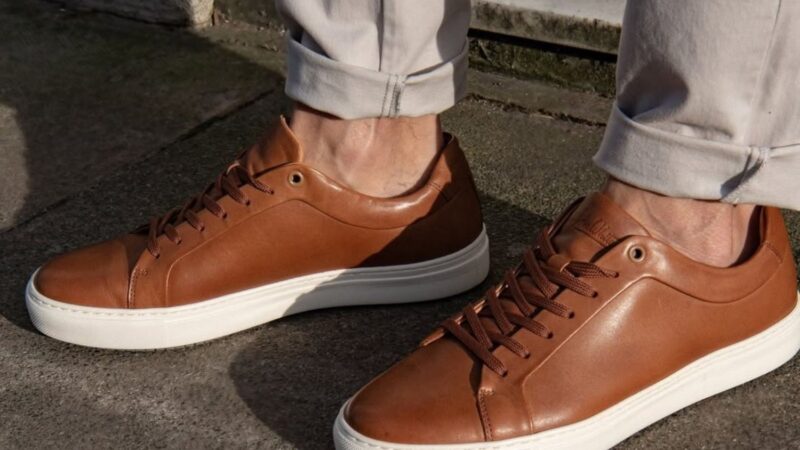
mens barker shoes

Protect the Soles

If you regularly walk on pavements or rough ground, consider investing in rubber sole protectors or toe taps. These discreet add-ons protect the leather soles from premature wear while preserving the look and feel of traditional dress shoes. Thanks to Barker’s Goodyear welted construction, your shoes can also be resoled with ease – either by a skilled cobbler or by returning them to Barker’s factory for professional refurbishment.

mens barker shoes

Barker shoes aren’t just footwear – they’re a commitment to tradition, quality, and British elegance. From the hands of expert craftsmen in Earls Barton to your wardrobe, every step of the process is infused with purpose and pride.

If you’re looking for shoes that deliver not just style, but also story, Barker is a name worth knowing – and wearing.

mens barker shoes
mens barker shoes
Yelyzaveta

Currently studying Marketing. I love spending time reading books, savouring coffee, and exploring new places.

No Comments

Post A Comment